Game review
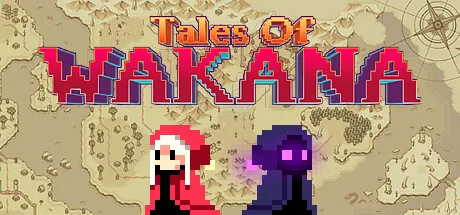
Tales Of Wakana
7 / 10
- Developer
- OrangeTiger
- Publisher
- OrangeTiger
- Released
- 15 June 2026
- Platforms
- Windows
- Genre
- Action, Adventure, Casual, Indie, RPG
- Monetisation
- paid
- Players
- false
The short version
Biggest strengths
- Beautiful, vibrant pixel art that reviewers repeatedly cited as elevating the entire experience, from environments to weapons to characters
- Satisfying, skill-based combat with weapon and magic-branch variety, especially praised in boss encounters requiring real tactical adaptation
- A surprising amount of content for a solo-developed indie, including dozens of side quests, a sizable enemy roster, and genre-crossing level gimmicks like tower defense and stealth sections
Biggest weaknesses
- Some stages running noticeably longer than they should, with the pool's only negative review specifically citing 15-30 minutes of excess tedium per level
- Inconsistent polish across the game's many genre-blending gameplay styles, with some mechanics feeling more developed and necessary than others
- Minor combat friction, including an inability to animation-cancel a physical attack by jumping, which one reviewer said makes jump inputs feel ignored
Who it's for: Fans of genre-blending 2D action-platformers and metroidvanias who enjoy a lighthearted, comedic tone and don't mind some pacing inconsistency across a large, ambitious solo-developed game
Our recommendation: recommended
7 / 10
A princess who hates homework, and a game that doesn't take itself too seriously
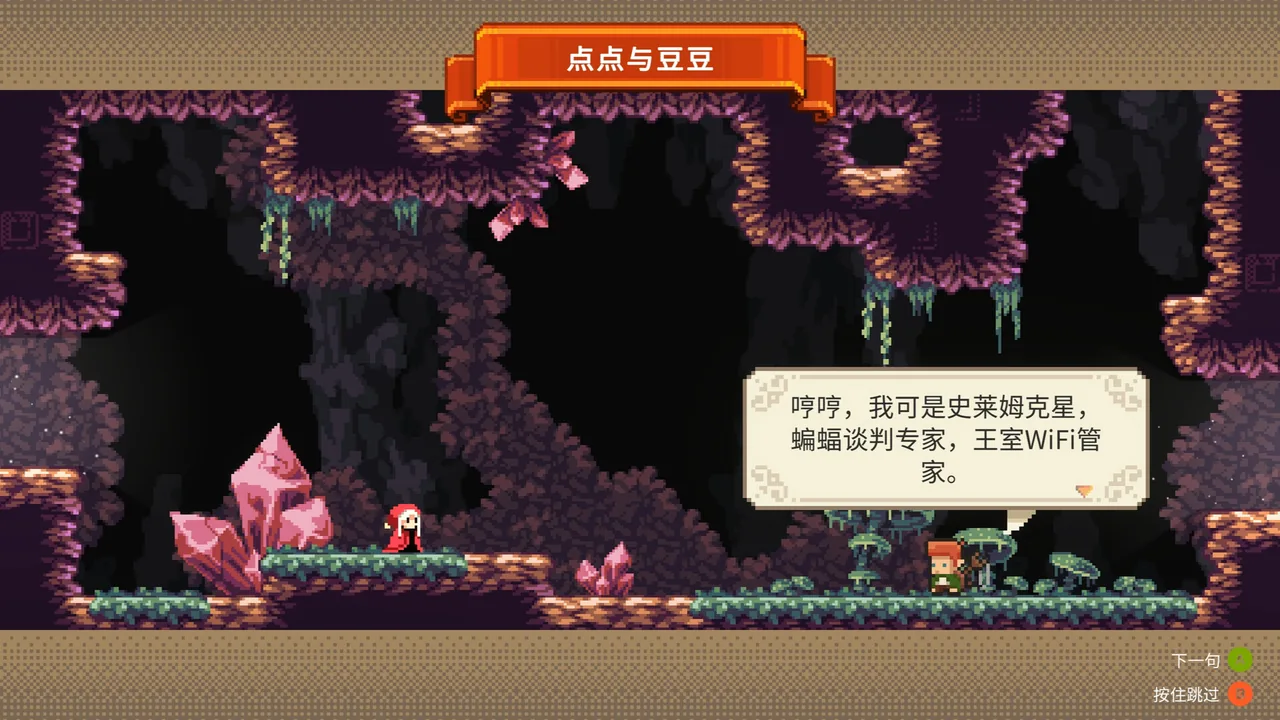
Tales Of Wakana casts players as Princess Dian Dian, a "bratty, 10 year old princess... adventuring because she hates homework," setting the tone for a game that leans hard into self-aware, comedic writing from its very premise. Reviewers responded warmly to that tonal choice. One wrote, "The meta, 4th wall breaking humor is great," while another called the game "very good. writing is funny, combat is satisfying, pets, unique mechanics etc. One of the few 2d platformers I stopped playing and continued to be excited as to what's coming on my next play session." That kind of specific enthusiasm, from a reviewer who explicitly noted owning roughly 300 other 2D platformers, is a meaningful signal in a genre this saturated.
Combat and exploration built for players who want options
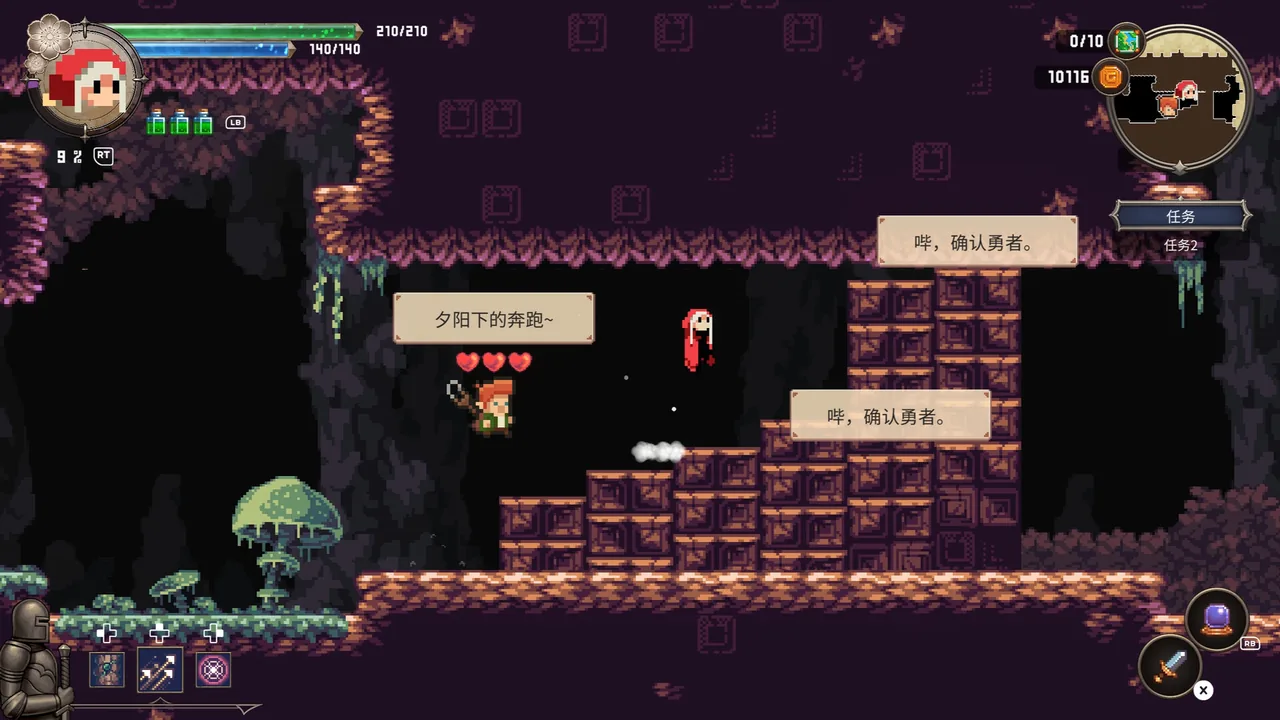
Beneath its comedic surface, Tales Of Wakana is a fairly substantial action RPG with platforming at its core. The pool's most detailed review described the combat system as built around "dual blades, axes, and elemental abilities tied to Ice, Lightning, and Wind magic," adding that "combat encourages players to adapt to different enemy behaviors, and the gradual acquisition of new skills gives a satisfying sense of progression." Boss fights drew particularly consistent praise: the same review noted these encounters "often serve as the game's strongest moments, requiring players to combine movement, timing, and strategic use of abilities rather than relying on simple button mashing." Exploration is treated with similar seriousness, with "fast travel options and detailed mapping systems" reducing backtracking and the world designed, per one reviewer, to "reward curiosity, with hidden paths, collectible items, and optional objectives scattered throughout its stages."
A striking amount of content from a small team
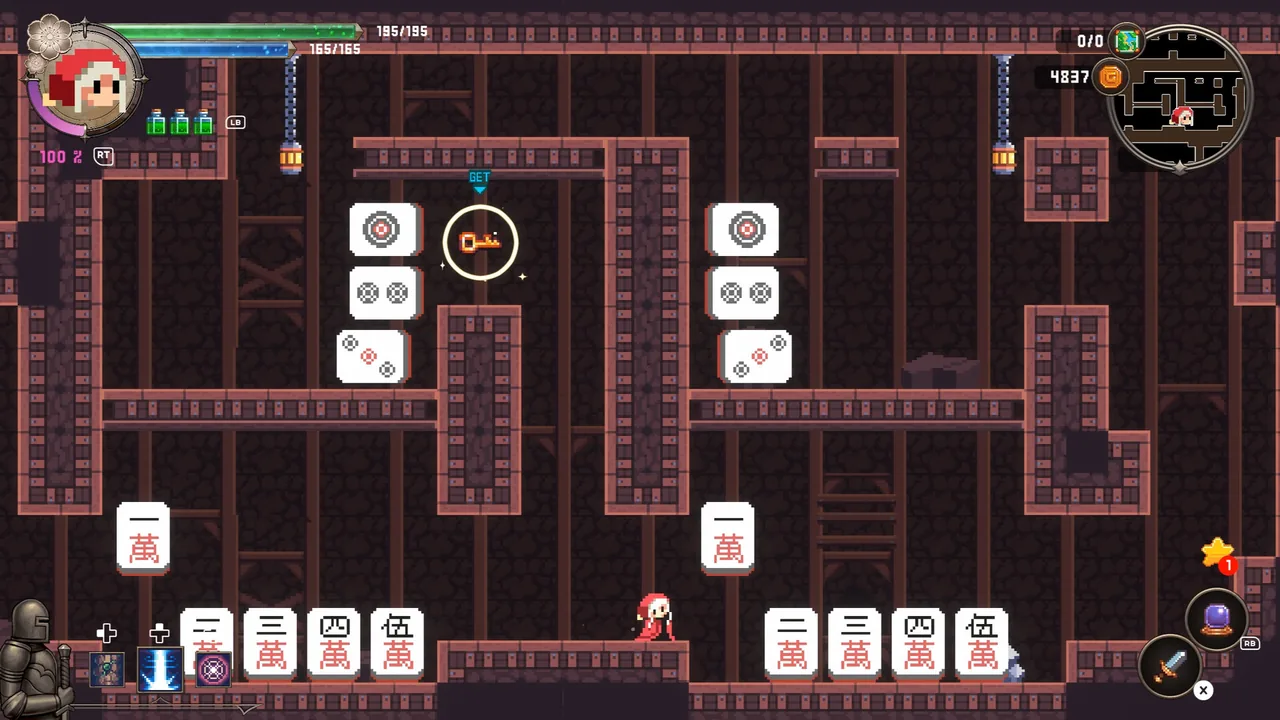
Multiple reviewers were specifically struck by how much game is packed into the release, especially for a solo-developed indie title. One detailed account put hard numbers on it: "Clocking in at 21 hours, I played the entire game on hard mode and ended up going for 100% achievements, a great value for the asking price of only around $10," calling the whole experience "a rare gem you can tell a solo indie dev put a lot into." Another reviewer highlighted the game's willingness to experiment structurally within that scope: "It has multiple genre-crossing levels that serve to keep things interesting... Tower Defense and Stealth are a couple," without wanting to spoil further surprises.
Pixel art that reviewers say carries the whole experience
Visual presentation is close to the review pool's single most unanimous point of praise. One reviewer wrote plainly, "if the pixel graphics weren't beautiful, I wouldn't still be playing. The environments, characters, weapons etc. all look incredible." The pool's longest review echoed the same sentiment on a broader scale: "The environments are vibrant and imaginative, featuring castles, forests, and mysterious locations that help establish the game's playful tone." That level of consistent, specific visual praise across nearly every review in the pool suggests the art direction is a genuine strength carrying real weight in the overall experience, not just a pleasant backdrop.
When ambition outpaces polish
Set against that praise, the review pool's most analytical account offered a clear-eyed diagnosis of the game's central weakness: "the game's greatest strength—its abundance of ideas—is also its biggest weakness. Tales Of Wakana occasionally struggles to maintain consistency, as some gameplay segments are noticeably more polished than others... certain mechanics feel introduced more for novelty than necessity." The pool's sole negative review made a related, more specific complaint about pacing: "Most of these stages are about 15-30 minutes too long and they get more boring and tedious than fun." That's a meaningful data point even as a single negative voice, since it aligns with the broader, more measured concern raised by otherwise positive reviewers about inconsistent segment quality across such an ambitious, genre-hopping structure.
Smaller frictions worth flagging
A handful of more specific complaints round out the picture. One reviewer flagged a combat-feel issue directly: "You can not animation cancel out a physical attack by jumping. As a result, it feels like your jump command is getting ignored. This is especially a problem earlier in the game because dash is locked and you must jump to evade attacks," while separately noting "the localization is a little r[ough]" without elaborating further. Another reviewer playing on Steam Deck reported the game "runs great... out of box," with the only issue being that "the left and right side of the level map are cut off a tiny bit" on the level-select screen specifically, not the in-level dungeon map. These are narrow, specific issues rather than systemic problems, but worth noting for anyone deciding whether to jump in at launch versus waiting for patches.
A demo that clearly did its job
Several reviewers mentioned having played an earlier demo or playtest build before buying the full release, and that prior exposure seems to have translated directly into day-one confidence. One wrote, "I played a couple hours of the demo and enjoyed it enough to buy this day one... wanted to write an early review to help sales." Another described picking the game back up specifically because of that earlier positive impression: "Just starting it again (after loving the demo). So far it's not disappointing me at all. A really fun metroidvania with tons of style and a bizarre sense of humor that makes it incredibly endearing to me." That pattern, of a pre-release demo converting directly into launch-day purchases and goodwill, reflects well on both the quality of that earlier build and OrangeTiger's willingness to let players try before buying.
Verdict
Tales Of Wakana is an ambitious, visually striking action-platformer that punches well above its solo-developer weight class, delivering satisfying combat, a genuinely funny protagonist, and a surprising volume of genre-hopping content for around twelve dollars. Its biggest weakness is consistency: some of its many gameplay experiments land better than others, and a handful of stages reportedly overstay their welcome. Recommended for fans of pixel-art action-platformers who value ambition and personality over tightly uniform pacing, and who are willing to forgive some rough edges in exchange for a genuinely distinctive, content-rich adventure.
Pros and cons
Pros
- Beautiful, vibrant pixel art that reviewers repeatedly cited as elevating the entire experience, from environments to weapons to characters
- Satisfying, skill-based combat with weapon and magic-branch variety, especially praised in boss encounters requiring real tactical adaptation
- A surprising amount of content for a solo-developed indie, including dozens of side quests, a sizable enemy roster, and genre-crossing level gimmicks like tower defense and stealth sections
- Charming, self-aware writing built around a bratty, fourth-wall-breaking child protagonist that reviewers found consistently funny and endearing
Cons
- Some stages running noticeably longer than they should, with the pool's only negative review specifically citing 15-30 minutes of excess tedium per level
- Inconsistent polish across the game's many genre-blending gameplay styles, with some mechanics feeling more developed and necessary than others
- Minor combat friction, including an inability to animation-cancel a physical attack by jumping, which one reviewer said makes jump inputs feel ignored
- Some rough localization in spots, and a minor UI issue on Steam Deck where the level-select map is slightly cut off on the sides
Screenshots
-
Tales Of WakanaImage: OrangeTiger via Steam -
Tales Of WakanaImage: OrangeTiger via Steam -
Tales Of WakanaImage: OrangeTiger via Steam