Game review
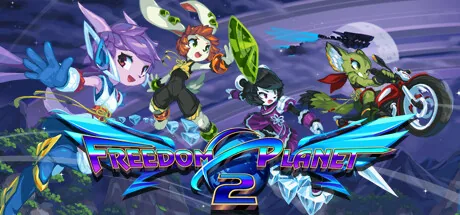
Freedom Planet 2
8 / 10
- Developer
- GalaxyTrail
- Publisher
- GalaxyTrail
- Released
- 13 September 2022
- Platforms
- Windows
- Genre
- Platformer, Action, Indie
- Monetisation
- One-time purchase, no DLC, no in-app purchases
- Players
- Single-player only
The short version
Freedom Planet 2 sends four playable characters through a sprawling, boss-heavy 2D platforming adventure built to evoke the fast, momentum-driven feel of classic Sonic games. Developed and self-published by GalaxyTrail after roughly seven years of development, it released 13 September 2022 and sits at Overwhelmingly Positive, 95.8% across 1,261 English-language reviews. Movement, combat and production values draw exceptional, near-universal praise, even from a meaningful number of reviewers who go on to explain, in real detail, why they still can't fully recommend the game. That detailed minority report — genuine bugs, readability problems and a story several reviewers call bloated relative to the tighter original — is worth taking seriously even against such a lopsided score.
Biggest strengths
- Movement and combat draw overwhelming, specific praise as a genuine refinement over the already well-regarded original, with reviewers repeatedly describing the game as one of the best pure 2D platformers available on any platform
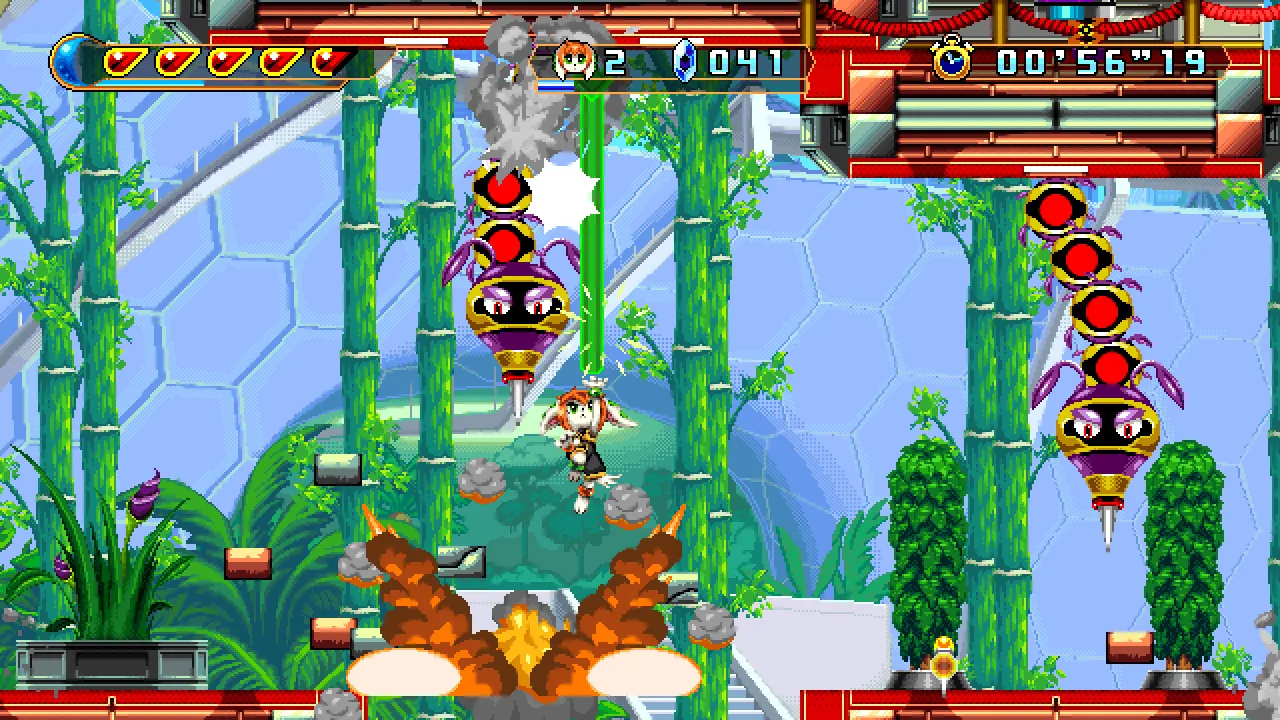
- Production values earn consistent superlative praise — over 25 distinct levels, dozens of boss encounters, four fully realised playable characters and an extensively developed soundtrack, reflecting roughly seven years of development
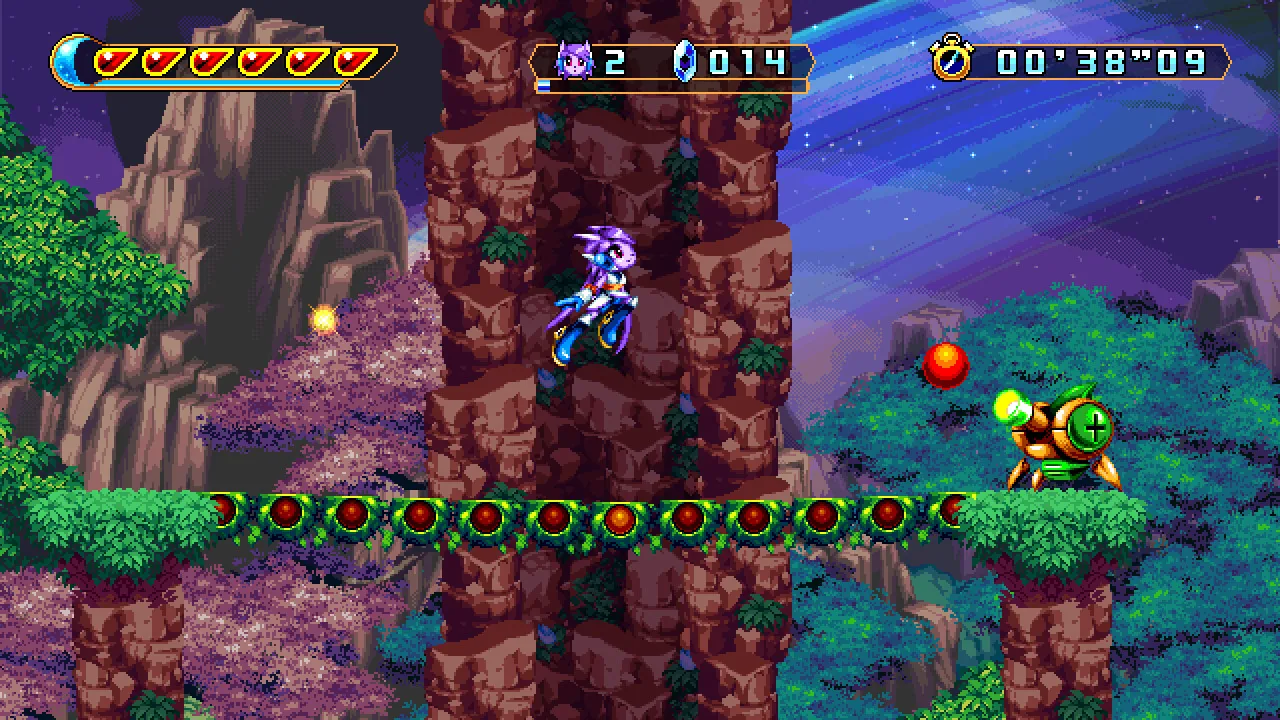
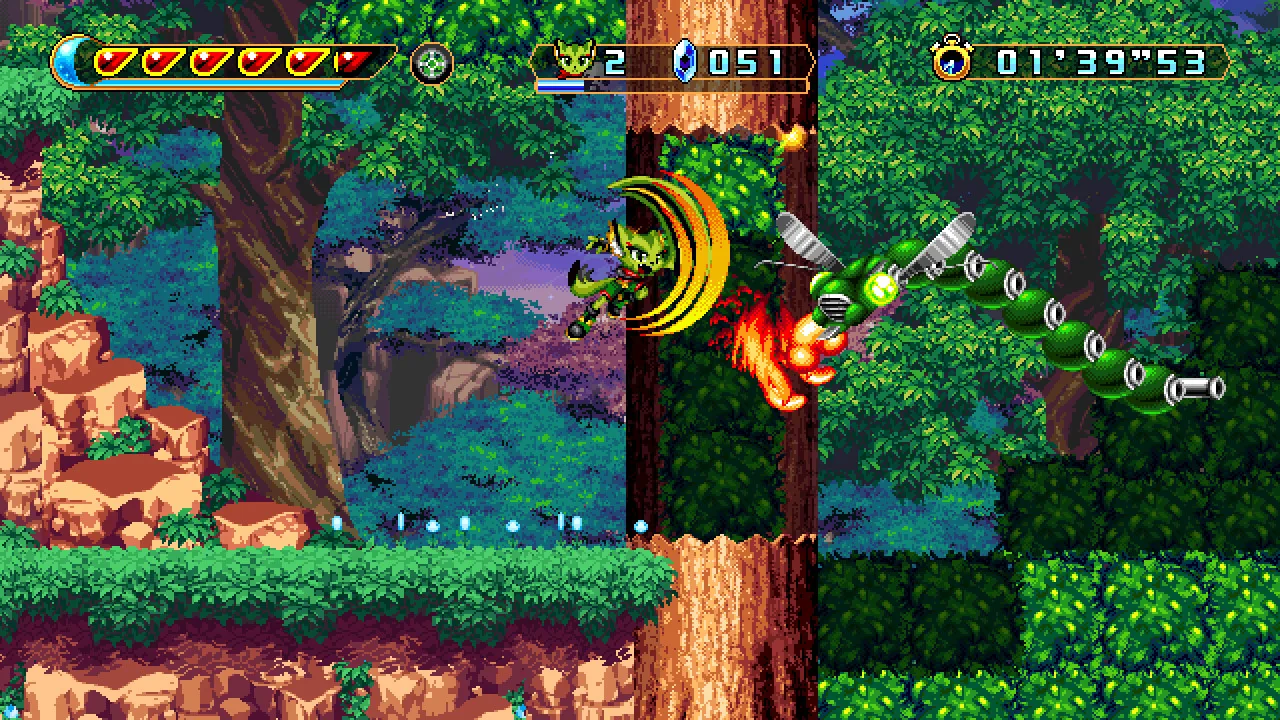
- Pixel art and animation quality draw wide, genuine acclaim as some of the best in the genre
Biggest weaknesses
- A detailed, specific complaint recurs across the negative sample: level design is harder to read and navigate than the first game, with several reviewers reporting genuine confusion about where to go next, compounded by pixel art detailed enough to occasionally obscure what's happening in busier scenes
- Several reviewers, including longtime fans of the original, describe the story as bloated and, in places, moralising in a way the tighter first game avoided, with multiple specifically recommending newcomers skip the dialogue to preserve their enjoyment of the action
- Bugs, collision issues and reported softlocks are described by multiple reviewers as noticeably more frequent and severe than in the original Freedom Planet, which itself wasn't bug-free
Who it's for: Fans of fast, momentum-based 2D platforming and the original Freedom Planet who want a bigger, more ambitious sequel; readers who specifically loved the first game's tighter pacing should calibrate expectations before buying.
Our recommendation: An exceptionally well-made platformer that improves on its predecessor mechanically in almost every measurable way, while asking more patience for its story and level design than some fans of the original are willing to give.
8 / 10
Introduction
Freedom Planet 2 sends four distinct playable characters — each with genuinely different movement and combat options — through a sprawling, boss-dense platforming adventure built around the fast, momentum-driven feel that made the original Freedom Planet a beloved Sonic-inspired indie darling. Developed and self-published by GalaxyTrail after roughly seven years of development, it released 13 September 2022 and sits at Overwhelmingly Positive, 95.8% across the 1,261 English-language reviews this review draws from, having read the full negative sample. That's a genuinely lopsided score, and the overwhelming majority of it is earned honestly — but the small negative sample this review reads in full contains some of the most detailed, specific, and internally conflicted reviews of any game covered this session, worth examining directly rather than dismissing as noise against such a strong headline number.
A sequel that improves the mechanics almost everyone agrees on
Start with what draws essentially unanimous praise, including from reviewers who go on to explain why they still can't recommend the game. Movement and combat earn exceptional, specific credit as a genuine refinement of the first game's already well-liked systems — one detailed negative review, otherwise critical of several other aspects, still opened by calling the game "really good to play, really snappy and fluid" before getting into its complaints. Production values draw their own consistent superlative praise: over 25 distinct levels, dozens of boss encounters, four fully realised characters and a substantial soundtrack, reflecting the roughly seven years GalaxyTrail spent developing it. One reviewer summed up the scale directly: "over 25 fully-fledged levels. Each different than the last... a thick behemoth of a production values, outclassing everything in its genre." Pixel art and animation earn similarly wide acclaim as some of the best currently available in the genre.
The detailed minority report worth reading in full
Here's what makes this game's small negative sample worth examining closely rather than treating as statistical noise: it's unusually self-aware and specific, with reviewer after reviewer explicitly acknowledging the game's mechanical strength before explaining, in real detail, what still didn't work for them. A 27-vote review, self-identifying as a huge fan of the original who once called it "doing Sonic better than Sonic does Sonic," opened by praising the sequel's graphics and gameplay as "really good to play" before describing genuine disappointment elsewhere — this isn't a reviewer dismissing the game, it's a longtime fan working through a specific, considered letdown. Level design and readability draw the most repeated specific complaint: multiple reviewers describe genuine confusion about where to head next, a problem they say the tighter, clearer first game didn't have, compounded in places by pixel art detailed enough to occasionally obscure what's actually happening on screen during busier action sequences.
Story draws a separate, equally specific complaint. Several reviewers, including some who otherwise enjoyed the game, describe the narrative as considerably more bloated than the original's — one reviewer summed up the split cleanly: "Okay Gameplay. Saturday Morning Cartoon Writing." — and a number specifically recommend that newcomers skip dialogue scenes entirely to preserve their enjoyment of the platforming itself. One reviewer's complaint was pointed enough to quote directly: objecting to a wealthy character "who lives in a penthouse" delivering moralising dialogue that felt tonally mismatched with the rest of the game. This is a real, if secondary, thread running through the negative sample rather than an isolated taste disagreement, and it's worth flagging clearly for any reader whose experience of the original leaned more on tight pacing than extended story beats.
Bugs a beloved original mostly avoided
A separate, more concrete complaint concerns technical polish. Multiple reviewers report genuine bugs, collision issues and softlocks more frequent than what they remember from the first Freedom Planet, which itself wasn't bug-free but is described here as noticeably more stable by comparison. One reviewer put it plainly: "it's very hard to play the game without running into soft-locks, buggy collision, and other oddities that make the game feel somewhere between unpolished and lazy" — strong language from a reviewer who, elsewhere in the same review, credits the underlying game with real ambition. A smaller, more specific complaint concerns controller support directly: one reviewer reported that while PlayStation button prompts display correctly, Xbox and Nintendo controller icons show as generic numbers instead of their actual button glyphs — a concrete, fixable interface bug rather than a matter of taste.
Where the achievement data lands
Steam's achievement statistics show a genre-typical, reasonably healthy engagement curve, with several mid-tier achievements sitting in the 55-65% range — consistent with a large majority of buyers making real progress through a game whose sheer scale, more than two dozen levels and multiple playable characters, naturally spreads completion out over a longer tail than a shorter platformer would.
Final Verdict
Freedom Planet 2 is, by nearly every measure this review's sample offers, a genuine mechanical triumph — GalaxyTrail spent seven years refining movement, combat and presentation into something a huge majority of reviewers, including disappointed longtime fans, credit as an improvement on an already well-loved original. What keeps this from an even higher score is that the small negative sample this review reads in full isn't dismissive noise — it's a specific, detailed, often self-aware account of where that ambition outran its execution: harder-to-read level design, a story several reviewers found bloated compared to the tighter first game, and real technical bugs that a comparably-loved predecessor mostly avoided. If you loved the original for its speed and precision, there's an even better platformer waiting here. If you loved it specifically for how tightly it moved from one clear objective to the next, go in aware that the sequel asks more patience than fans of that quality might expect.
Pros and cons
Pros
- Movement and combat draw overwhelming, specific praise as a genuine refinement over the already well-regarded original, with reviewers repeatedly describing the game as one of the best pure 2D platformers available on any platform
- Production values earn consistent superlative praise — over 25 distinct levels, dozens of boss encounters, four fully realised playable characters and an extensively developed soundtrack, reflecting roughly seven years of development
- Pixel art and animation quality draw wide, genuine acclaim as some of the best in the genre
- Even reviewers who ultimately can't recommend the game generally credit the gameplay itself as a clear step forward from the first Freedom Planet, rather than describing a mechanical regression
Cons
- A detailed, specific complaint recurs across the negative sample: level design is harder to read and navigate than the first game, with several reviewers reporting genuine confusion about where to go next, compounded by pixel art detailed enough to occasionally obscure what's happening in busier scenes
- Several reviewers, including longtime fans of the original, describe the story as bloated and, in places, moralising in a way the tighter first game avoided, with multiple specifically recommending newcomers skip the dialogue to preserve their enjoyment of the action
- Bugs, collision issues and reported softlocks are described by multiple reviewers as noticeably more frequent and severe than in the original Freedom Planet, which itself wasn't bug-free
- A specific, concrete technical complaint recurs about controller button prompts: PlayStation icons display correctly, but Xbox and Nintendo controllers reportedly show generic numbers instead of their actual button icons
Screenshots
-
Freedom Planet 2Image: GalaxyTrail via Steam -
Freedom Planet 2Image: GalaxyTrail via Steam -
Freedom Planet 2Image: GalaxyTrail via Steam -
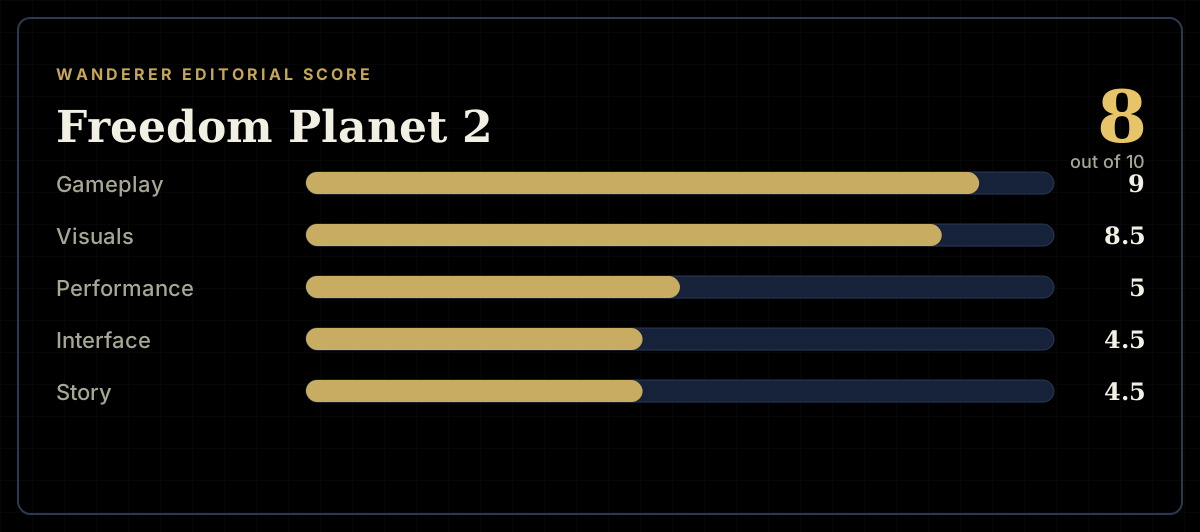
How the review scores each part of the gameWanderer Editorial -
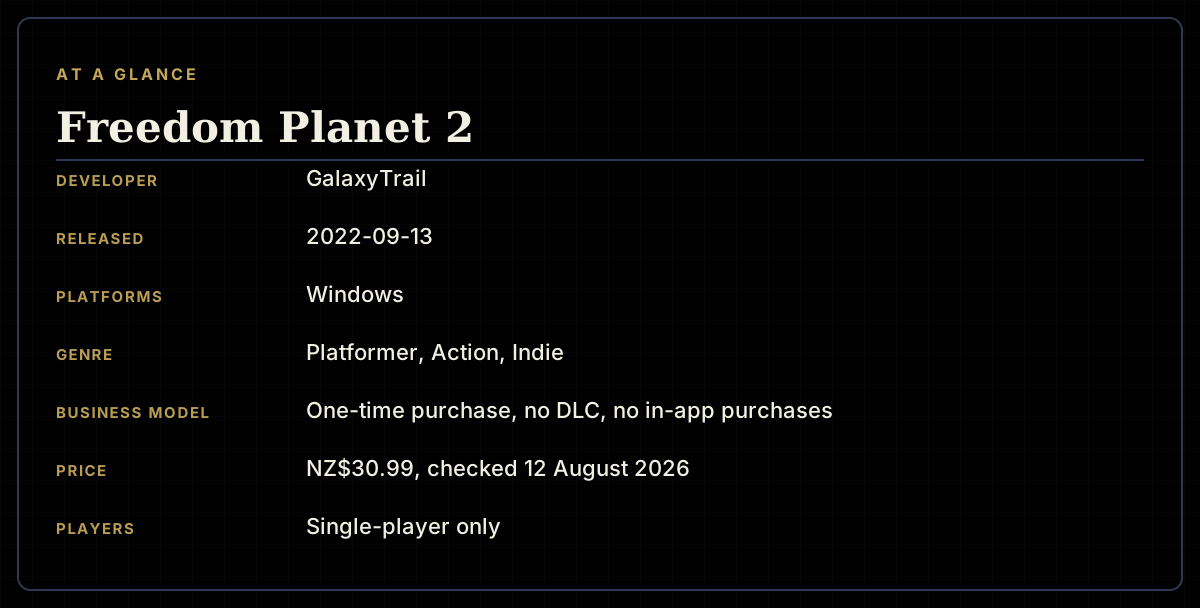
The essentials at a glanceWanderer Editorial -
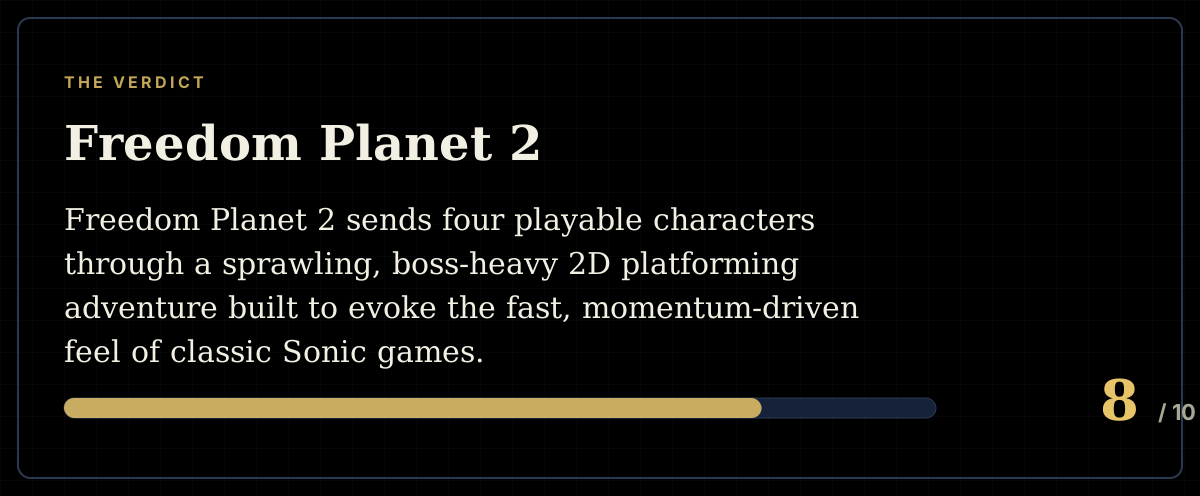
The short versionWanderer Editorial