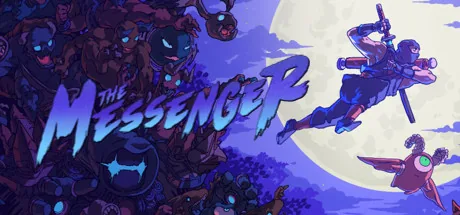
Game review
The Messenger
7.5 / 10
- Developer
- Sabotage Studio
- Publisher
- Devolver Digital
- Released
- 30 August 2018
- Platforms
- Windows, Nintendo Switch, PlayStation 4, Xbox One
- Genre
- Action Platformer, Metroidvania
- Monetisation
- One-time purchase. One paid DLC expansion, "Picnic Panic," plus a free soundtrack and cosmetic add-ons. No in-game purchases.
- Players
- Single-player only
The short version
The Messenger is a 2D action platformer that opens as a loving, precise homage to 8-bit Ninja Gaiden, then springs its trick: partway through, the game shifts to 16-bit graphics and music and turns into a full metroidvania, complete with a companion who mocks you for the sudden genre change. That structural gamble won Sabotage Studio's debut Best Debut Indie Game at The Game Awards 2018 and a clutch of festival prizes, and it still sits at Very Positive on Steam, 93% of 13,145 reviews.
Eight years of reviews since tell a more divided story than the launch coverage did, though. Reading a large, recent sample of negative English-language reviews turns up one overwhelmingly dominant complaint: the second-half metroidvania, built around heavy backtracking across previously-visited zones, is where a large share of players who loved the opening hours give up entirely. "An S-tier action platformer that turns into an F-tier metroidvania," reads one recent review -- a phrase that, in some form, shows up across dozens of others in the sample. It's not that critics were wrong to praise the twist in 2018; it's that the thing being twisted into is the part that's aged least gracefully for a lot of players revisiting or discovering it since.
Biggest strengths
- A genuinely inventive structural twist -- 8-bit action platformer shifting into 16-bit metroidvania mid-story -- that reviewers across eight years consistently call clever even when they dislike where it leads
- Outstanding pixel art and a widely praised chiptune-to-orchestral soundtrack that reviewers single out almost without exception
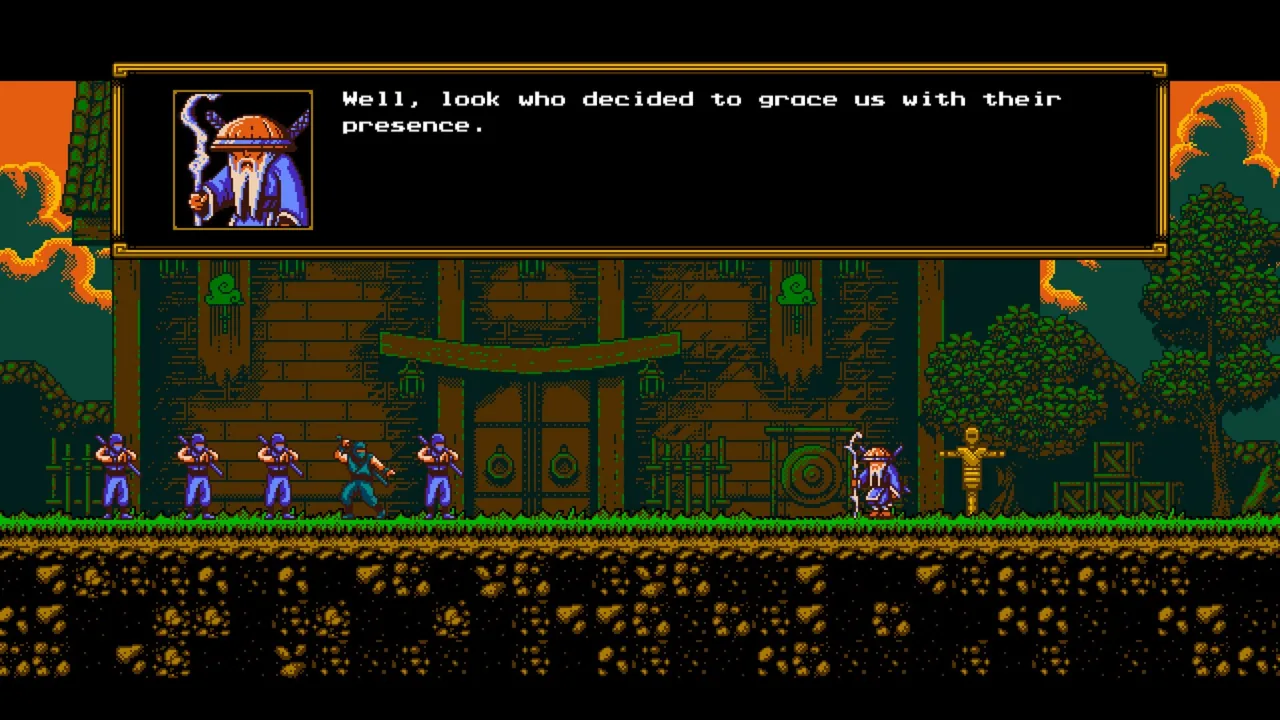
- Witty, fourth-wall-breaking writing that a large share of reviewers find genuinely funny and memorable, particularly the shopkeeper character
Biggest weaknesses
- The second-half metroidvania is the single most repeated complaint in the current review sample -- heavy, often disorienting backtracking across earlier zones that a large share of players say saps the momentum the first half built
- Difficulty spikes without accessibility or difficulty-setting options, revives players at half health after death, and several reviewers specifically compare it unfavourably to how Celeste handled the same problem the same year
- A meaningful minority find the constant joke-cracking narrator and shopkeeper dialogue grating rather than charming after a few hours
Who it's for: Fans of tight, precise retro action platformers and metroidvania fans who don't mind significant backtracking, sharp difficulty spikes and a script that leans hard into fourth-wall quips. Less good for anyone who wants the whole game to stay the linear, high-speed action platformer its first act promises.
Our recommendation: Worth playing for the first act alone, which is close to essential for fans of retro action platformers, and the presentation -- music, art, dialogue -- stays excellent throughout. Go in aware that the game deliberately changes shape partway through into a slower, more punishing metroidvania, and that a meaningful share of players end up preferring the game it started as to the game it becomes.
7.5 / 10
Sabotage Studio's debut opens with a promise it deliberately breaks. For its first few hours, The Messenger is an exacting 8-bit action platformer about a ninja delivering a scroll across a collapsing world, built with the kind of precise jumping and slashing that draws immediate, earned comparisons to Ninja Gaiden and classic NES-era action games. Then it springs its trick: the graphics and music shift to 16-bit, a companion character openly mocks you for the sudden change of scenery, and the game reveals itself as a full metroidvania, sending you back through zones you'd already crossed to find upgrades and unlock new paths. That structural gamble won Sabotage Studio Best Debut Indie Game at The Game Awards 2018, sold over 50,000 copies in its first week, and still sits at Very Positive on Steam eight years later — 92.6% of over 13,000 reviews. What's changed is how consistently the second half of that gamble now gets singled out as the game's weakest part.
A near-perfect first act
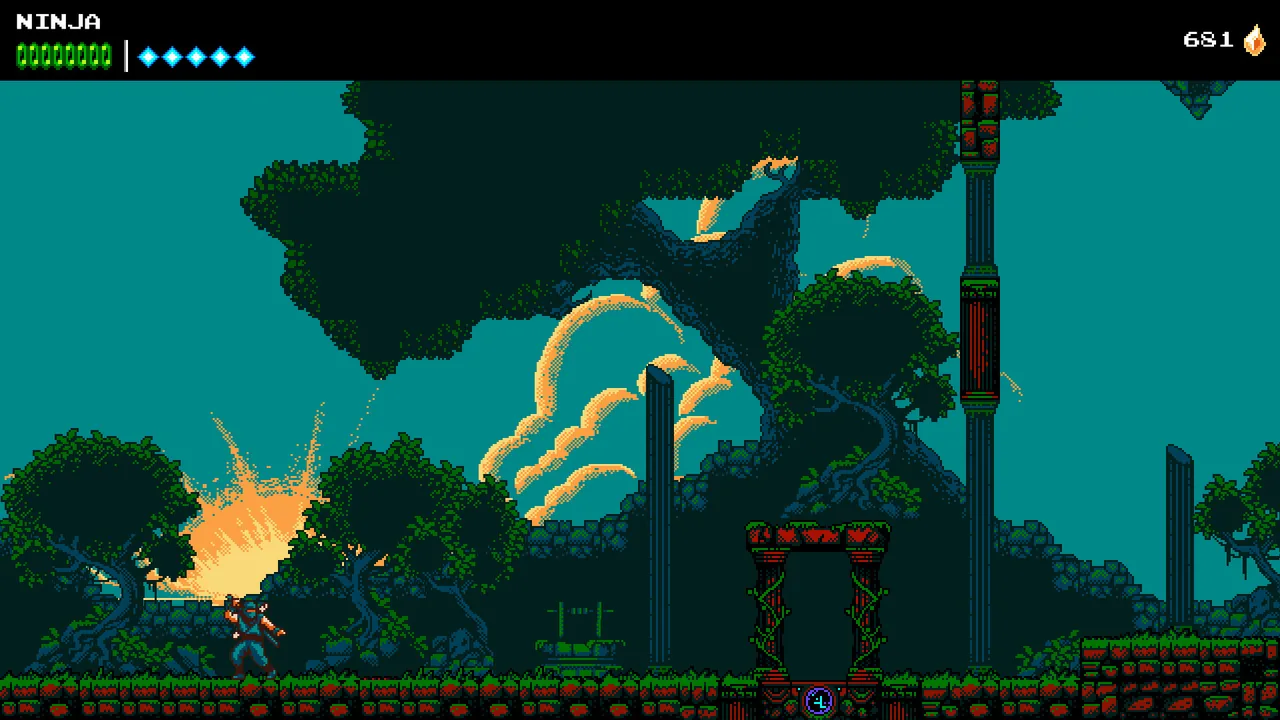
Almost nothing in the current review sample criticises the opening hours. Reviewers across the whole span from 2018 to this month describe the same things: responsive controls, satisfying combat built around a cape-glide and enemy-bounce system that rewards momentum, and level design tight enough that even players who end up disliking the rest of the game usually rate the first act highly on its own. The pixel art and the soundtrack — which shifts registers along with the game's era, 8-bit chiptune giving way to fuller 16-bit arrangements — draw close to universal praise, and the shopkeeper character's fourth-wall-breaking dialogue is the game's most-quoted element by a wide margin, even among reviewers who otherwise found the writing grating over a full playthrough.
The twist that keeps dividing players
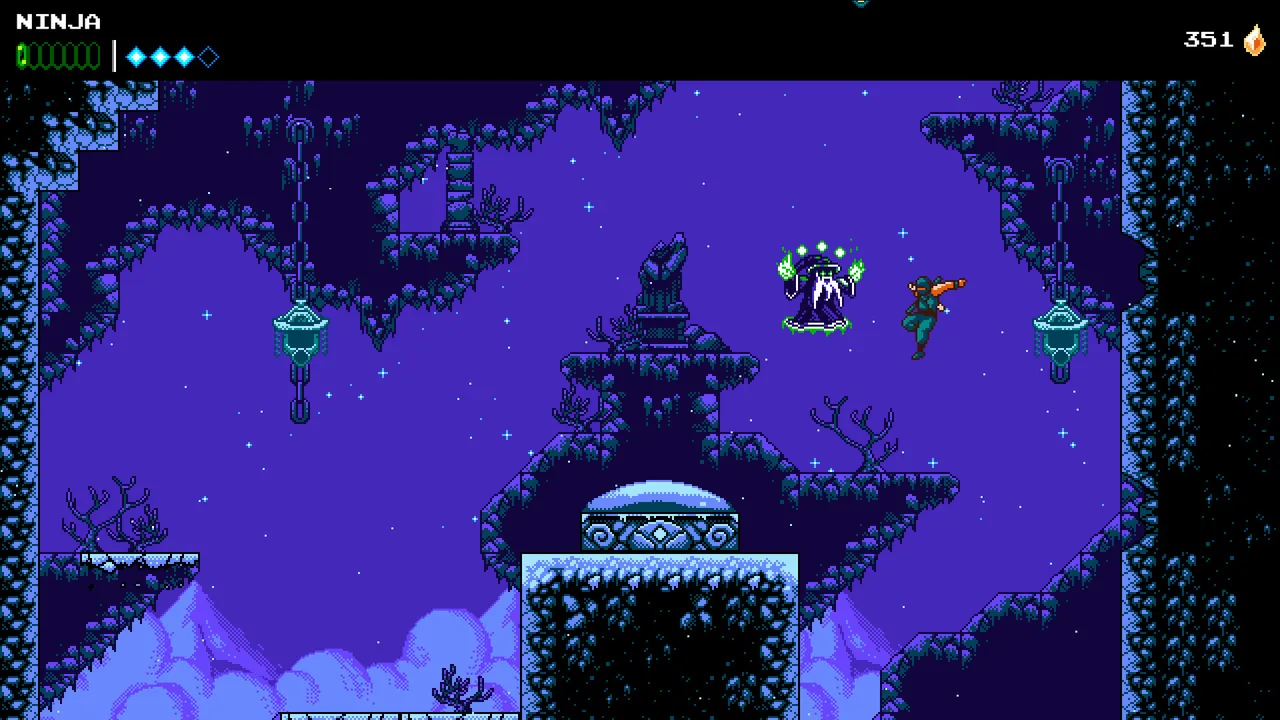
The second act is where the current review consensus and the 2018 critical consensus part ways most clearly. Launch reviews largely praised the genre-shift twist as clever and ambitious — and it is a genuinely inventive structural idea, one reviewers still credit even when they're unhappy with the execution. But reading a large, recent sample of negative reviews shows the same specific complaint recurring far more than any other: once the game opens up into a metroidvania, the backtracking across earlier zones becomes heavy, sometimes disorienting, and — for a meaningful share of players — actively resented rather than enjoyed. "It goes from a fun adventure metroidvania to Super Meat Boy," reads one review, "If you don't enjoy super-difficult platform puzzlers that take jabs at you every time you fail, then avoid this game." Another, more clinically: "This game is a very good game that eventually transitions into a very bad game." It's worth being precise about what this complaint is and isn't — it isn't that the metroidvania half is broken or badly made, it's that a large number of players specifically preferred the linear action platformer the game opened as, and feel the shift asks them to trade that for something slower and more punishing without quite delivering enough new reward for the trade.
Sabotage Studio wasn't blind to this at launch — a November 2018 "Messenger+" update added quality of life improvements including control remapping, a jukebox and clearer in-map hints, and there's a fast-travel option unlockable partway through the back half specifically to ease the backtracking. Reviewers acknowledge these exist, but the underlying structural complaint — that the pacing shift itself is the problem, not just its rough edges — has persisted in reviews from every year since, including this month, in almost identical language to complaints from 2018 and 2019. That's the clearest sign this is a fundamental design tension rather than something patches were ever going to fully resolve.
Difficulty without a safety valve
A second, smaller but consistent thread concerns difficulty. The Messenger revives you at half health after a death rather than a full checkpoint reset, offers no difficulty settings or accessibility options, and several reviewers explicitly compare this unfavourably to Celeste — released the same year, 2018, and widely credited with setting a new standard for how a hard platformer could still be approachable through assist options. That comparison shows up often enough in the sample to suggest it's not an isolated gripe: for a game partly built around old-school NES-style difficulty as a nostalgic feature, a meaningful share of current reviewers would prefer the option to turn some of that difficulty down rather than have it baked in unconditionally.
Eight years on: a studio that learned the lesson
The clearest evidence that Sabotage Studio itself recognised the tension in The Messenger's design came five years later, with 2023's Sea of Stars — a spiritual successor built in the same universe, released to an even warmer reception and widely regarded as a more complete, more evenly paced game throughout. Several of the more recent reviews in the current sample mention coming to The Messenger specifically after loving Sea of Stars, and the reaction is telling: some found the earlier game's rougher, more demanding structure charming in context, while just as many report bouncing off the same backtracking-heavy back half that troubled players back in 2018 and 2019, despite already knowing what the studio was capable of. That split view is a fair summary of where The Messenger sits today — a genuinely important, awarded debut that established a studio's talent for music, art and writing well before it had fully worked out pacing, and a game worth playing both for what it got right the first time and for the clearer sense, in hindsight, of exactly where it didn't.
Verdict
7.5 out of 10. The Messenger's opening hours are close to essential for fans of tight, old-school action platforming, and its art direction, music and writing hold up as some of the best of its indie generation regardless of which half of the game you're in. But its own defining gamble — springing a full metroidvania, backtracking and all, on players who came for a linear action game — is exactly the thing its current review history keeps circling back to as the part that didn't fully land for a large share of the people who played it. Go in for the first act, stay for the presentation throughout, and know going in that the game changes shape partway through in a way that not everyone who loved where it started ends up loving where it goes.
Pros and cons
Pros
- A genuinely inventive structural twist -- 8-bit action platformer shifting into 16-bit metroidvania mid-story -- that reviewers across eight years consistently call clever even when they dislike where it leads
- Outstanding pixel art and a widely praised chiptune-to-orchestral soundtrack that reviewers single out almost without exception
- Witty, fourth-wall-breaking writing that a large share of reviewers find genuinely funny and memorable, particularly the shopkeeper character
- Tight, responsive platforming and combat in the first act specifically, frequently compared favourably to Ninja Gaiden and classic NES-era action games
Cons
- The second-half metroidvania is the single most repeated complaint in the current review sample -- heavy, often disorienting backtracking across earlier zones that a large share of players say saps the momentum the first half built
- Difficulty spikes without accessibility or difficulty-setting options, revives players at half health after death, and several reviewers specifically compare it unfavourably to how Celeste handled the same problem the same year
- A meaningful minority find the constant joke-cracking narrator and shopkeeper dialogue grating rather than charming after a few hours
- A handful of recent reviews report broken or non-registering Steam achievements
Screenshots
-
The MessengerImage: Devolver Digital via Steam -
The MessengerImage: Devolver Digital via Steam -
The MessengerImage: Devolver Digital via Steam -
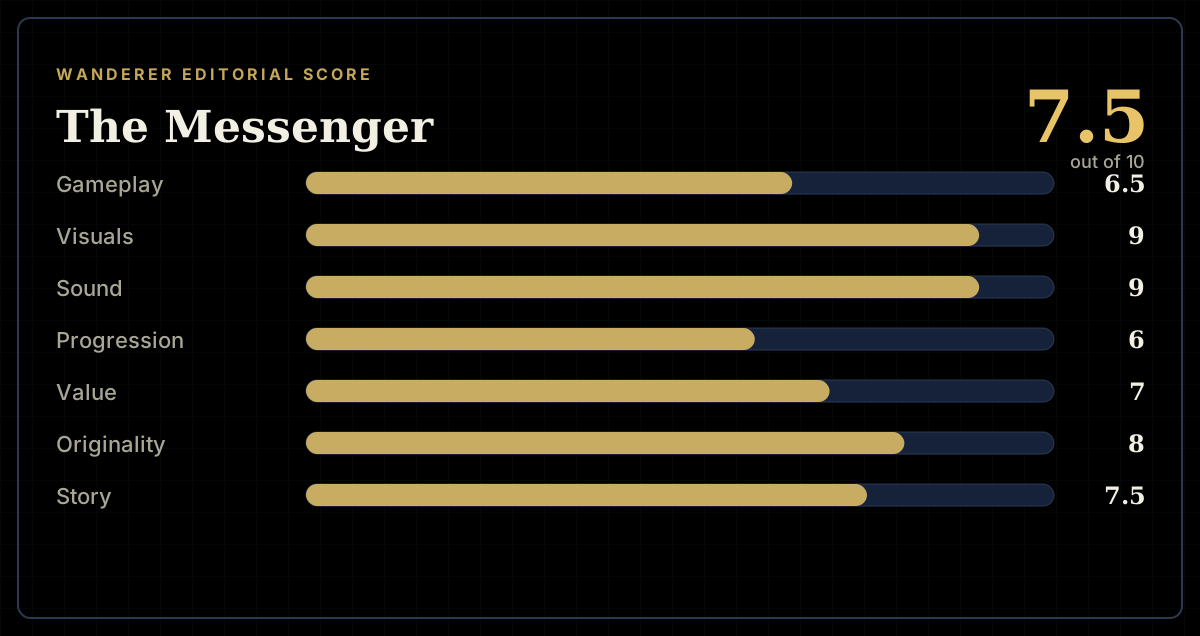
How the review scores each part of the gameWanderer Editorial -
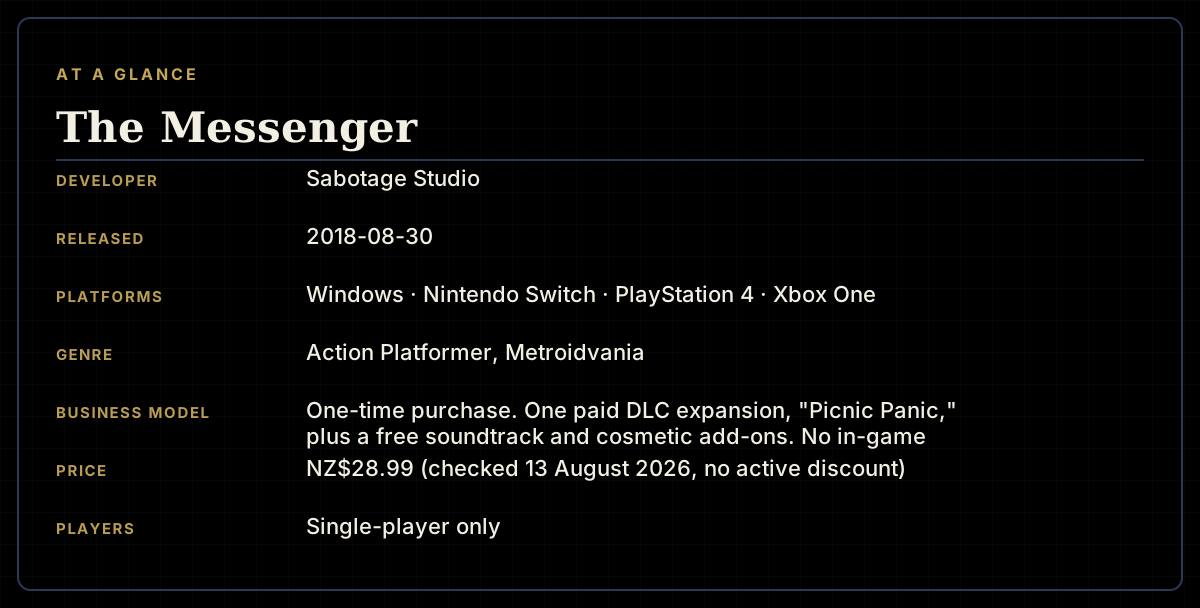
The essentialsWanderer Editorial -
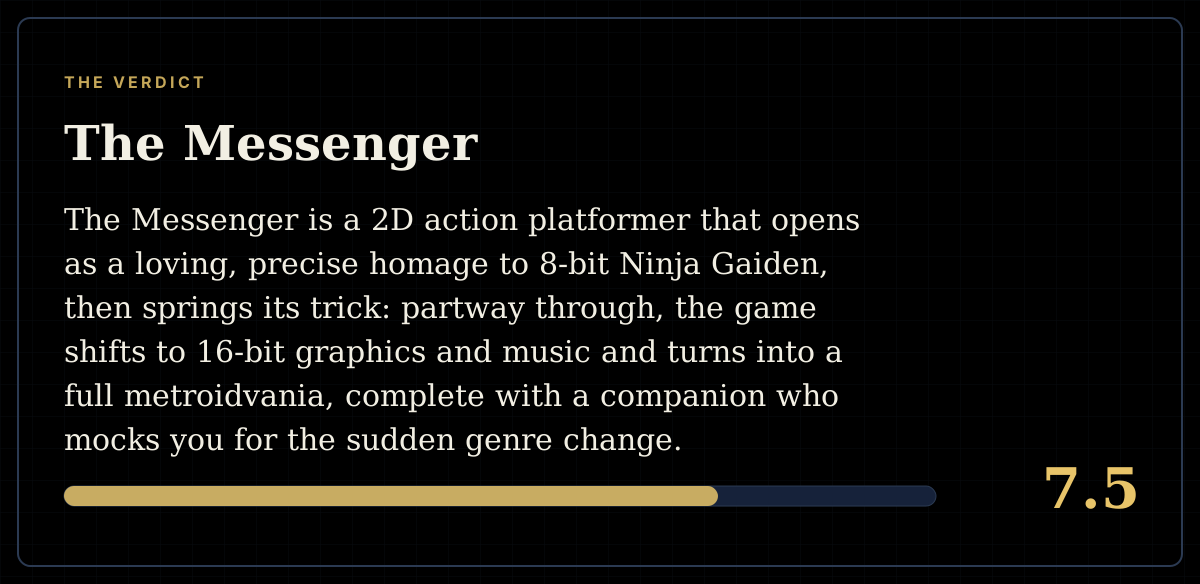
The short versionWanderer Editorial