
Game review
Decks of Dexterity
8 / 10
- Developer
- Coded Games
- Publisher
- Coded Games
- Released
- 8 June 2026
- Platforms
- Windows
- Genre
- Action, Indie, Strategy
- Monetisation
- paid
- Players
- false
The short version
Biggest strengths
- A genuinely unique fusion of bullet-hell dodging and turn-based deckbuilding that reviewers consistently said shouldn't work but does
- Four classes with distinct playstyles, plus deep, mod-supported card variety that rewards long-term experimentation
- Strong difficulty scaling, from an approachable early game to genuinely brutal endgame and speedrun content
Biggest weaknesses
- Progression-breaking quest bugs reported near release, including duplicated and overwritten quest events that blocked story content
- Thin, mostly skippable story content that several reviewers said isn't the game's focus and shouldn't be expected
- Uneven card balance, with some cards described as clearly stronger than others and little reason to pick the weaker ones
Who it's for: Roguelike deckbuilder fans who also enjoy bullet-hell dodging, especially anyone who already loved Slay the Spire's synergy hunting and wants a faster, more physical spin on it
Our recommendation: recommended
8 / 10
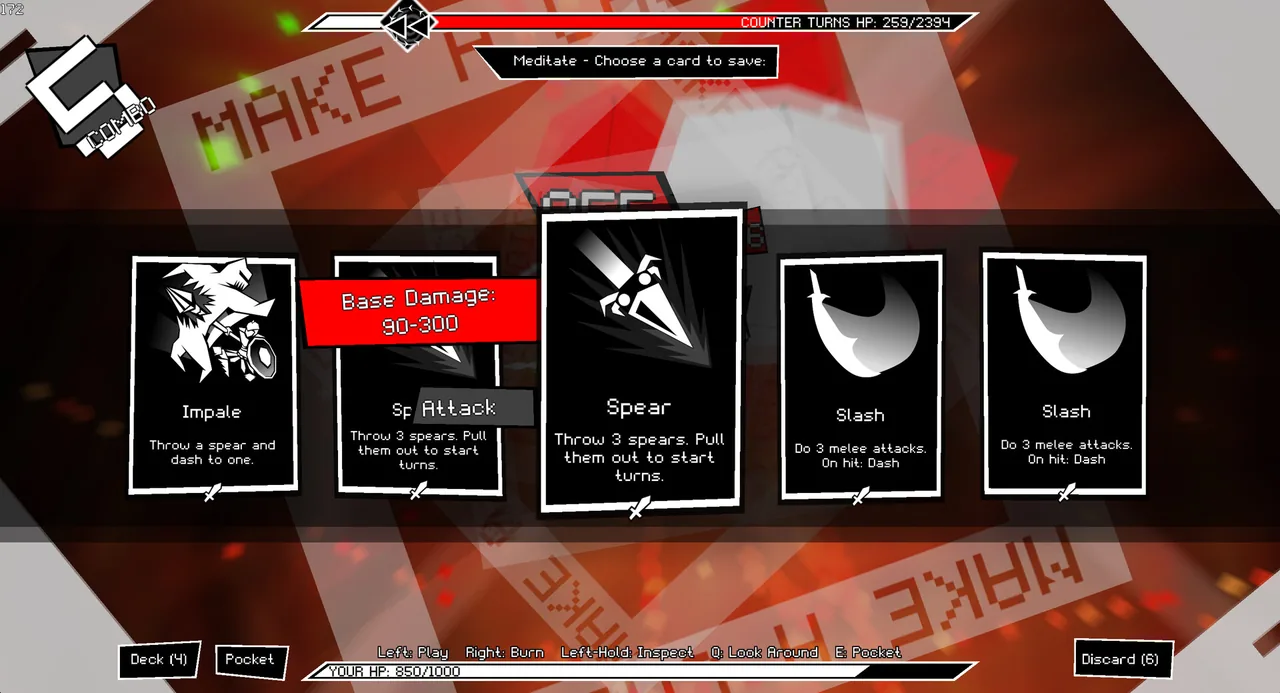
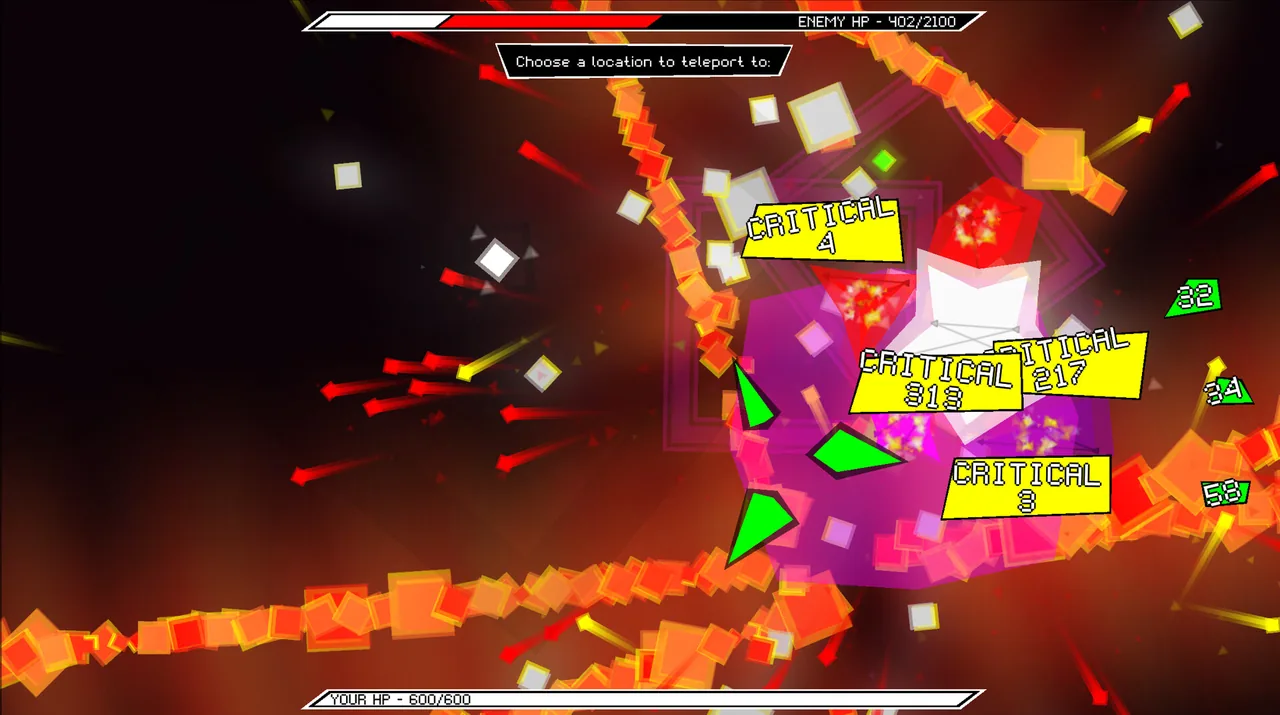
Decks of Dexterity released on Steam on June 8, 2026, from solo-developed studio Coded Games, capping off what several reviewers describe as roughly eight years of public development, first as a browser game distributed through Opera's GX Games platform, then through years of beta testing with an active Discord community, before finally landing on Steam. The pitch is a genuinely unusual one: bullet-hell dodging that pauses periodically so players can play cards from a deck they've built, fusing roguelike run structure with Slay the Spire-style synergy hunting. Its 46-review English pool is unanimously Positive, 46 up and 0 down, and the reviews themselves read less like typical launch-week impressions and more like a community finally getting to publicly celebrate a game many of them had already spent hundreds of hours with.
That long beta history shows up constantly in the review pool, both as context and as a genuine selling point. One reviewer wrote, "I have played versions of this game since the very beginning, and even the version I tested 8 years ago I would have recommended in a heartbeat," adding that "the biggest thing I see in every game that I love, is that the developers made the game with love, and I can see it in every aspect of the game as I play." Another, despite showing only 21 hours on Steam, explained they'd "spent almost 3 years being a part of the community with over 300 hours spent in test versions outside steam," and structured their entire review as a detailed guide to who the game is and isn't for. Several others echoed the same arc: discovering the game on GX Games years earlier, following its beta, and finally buying the Steam release the moment it launched. That pattern matters for how the review pool should be read: this isn't a game reacting to day-one impressions so much as it is a long-running community's verdict on a game they helped shape.
The core hybrid mechanic draws the most consistent, specific praise. One reviewer called it "a really unique blend of deckbuilding, card game and bullet hell," noting "it seems hectic but keeping track of everything is actually pretty doable once you get used to the different aspects of the game," and singling out one character's time-manipulation mechanic as something that "really really cool and wowed me when I first tried it." Another described the whole experience memorably: "this game feels like when in the movie ratatouille the rat mixed that cheese and strawberry," and said they "always feel compelled to explore every part of the map to min max my build." A more structured, detailed review broke down the appeal further, praising "highly replayable" runs, "very diverse card options," four classes "with completely different playstyles," and built-in modding support, while noting that "player feedback is taken into account" and crediting the developer directly, describing them as "a very sociable person active in discord, quick to listen to feedback and fix any bugs found."
That same detailed reviewer also offered the pool's most balanced accounting of the game's real weaknesses, explicitly separating story, music, and visuals (all described as intentionally secondary or "basic") from actual design flaws worth flagging: "some cards are clearly better than others with not much point in ever taking the useless ones," "some mechanics and enemies may be unfair and unforgiving," and an endless mode that increases difficulty "without a way to turn it off." They were also candid that after 50 to 100 hours, "you might find the deckbuilding part a little stale after finding out the best cards and combinations," though they noted continued enjoyment chasing leaderboard scores and building community mods afterward. Multiple reviewers independently agreed that story is not the draw here; one wrote plainly, "if you enjoy immersing yourself in the story, it's not for you. While it exists I wouldn't call it very advanced," and another called it "flavour text to the amazing gameplay," treating the thin narrative as an acceptable, clearly-signposted tradeoff rather than an oversight.
The most substantive critical note in the pool came from a reviewer who otherwise scored the game highly, reporting genuine, specific bugs around launch: "in two separate runs, quest interactions completely broke," they wrote, describing how "every single question mark in the next act turned into the same quest, even ones labelled as different events" after starting one particular quest, and a similar overwrite issue with a different quest line that made it impossible to complete. They also flagged that "outside of bosses having unique art when they talk, most enemies look almost identical, which makes encounters feel visually repetitive after a while." Despite these issues, that reviewer still landed at "a solid 8/10, great foundation, just needs some more polishing," framing the bugs as fixable launch-week rough edges rather than fundamental design failures, a framing consistent with other reviewers who separately noted variable game speed in later stages and occasional visual clutter when the screen gets busy.
Taken as a whole, the review pool describes a genuinely distinctive game that earned its unanimous reception the hard way, through years of community-tested iteration rather than a single polished launch moment. The bullet-hell-meets-deckbuilder premise sounds like it shouldn't cohere, and reviewers repeatedly note that it does, delivering a fast, synergy-driven roguelike with real difficulty depth for players chasing speedrun leaderboards and high scores. The tradeoffs are clearly signposted rather than hidden: don't expect a strong story, don't expect elaborate visuals, and expect some launch-week bugs and card-balance rough edges that an actively engaged solo developer appears well positioned to keep addressing. For fans of Slay the Spire-style deckbuilding looking for a faster, more physical twist on the genre, Decks of Dexterity is an easy recommendation.
Pros and cons
Pros
- A genuinely unique fusion of bullet-hell dodging and turn-based deckbuilding that reviewers consistently said shouldn't work but does
- Four classes with distinct playstyles, plus deep, mod-supported card variety that rewards long-term experimentation
- Strong difficulty scaling, from an approachable early game to genuinely brutal endgame and speedrun content
- A years-long public beta community (via GX Games and Discord) that many reviewers credit for the game's polish and the developer's responsiveness
Cons
- Progression-breaking quest bugs reported near release, including duplicated and overwritten quest events that blocked story content
- Thin, mostly skippable story content that several reviewers said isn't the game's focus and shouldn't be expected
- Uneven card balance, with some cards described as clearly stronger than others and little reason to pick the weaker ones
- Basic, shape-based visuals and enemy variety that several reviewers found visually repetitive over long sessions
Screenshots
-
Decks of DexterityImage: Coded Games via Steam -

Decks of DexterityImage: Coded Games via Steam -
Decks of DexterityImage: Coded Games via Steam