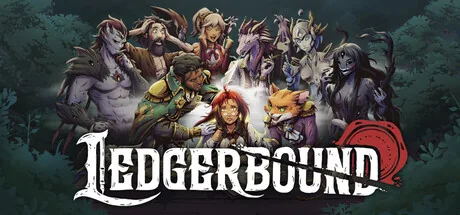
A turn-based tactical folktale from The Lion's Song studio Mipumi, praised almost unanimously for its storybook atmosphere and deterministic, puzzle-like combat — a short, polished, low-replay-value gem that reviewers consistently describe as knowing exactly when to end.
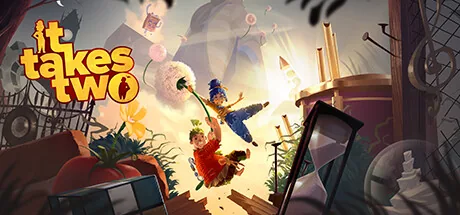
Hazelight Studios' GAME OF THE YEAR-winning co-op adventure remains one of gaming's most celebrated couch-co-op experiences, Overwhelmingly Positive across more than 266,000 Steam reviews and independently confirmed to have sold over 23 million copies — undercut for a real, recurring minority of players by a genuinely dark, forced late-game "torture" sequence, and by online connectivity friction this review can confirm was substantially, though not entirely, fixed by a documented May 2024 update removing the mandatory EA Launcher requirement.
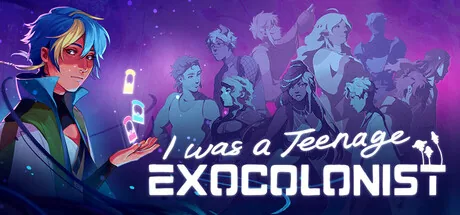
A coming-of-age sci-fi RPG about growing up on an alien world across ten years and card- battle skill checks, praised by a huge share of its own audience as genuinely moving, undercut for a specific minority by a replay-driven structure several reviewers say betrays its own central promise that choices carry across lives.
A "motorvania" blending Trials-style motorbike physics, twin-stick shooting and Metroidvania exploration, wrapped around an emotionally devastating story about motherhood and generational trauma — praised almost universally for its originality, art and soundtrack, held back by a lack of difficulty options and confusing open-world navigation.
A narrative-driven tactical RPG about an insurance adjuster who has to deny a claim and save the world, mixing Fire Emblem-style grid combat with a fully voiced dating-sim layer and a time-management system some players find liberating and others find punishing.
Adventure Works L.L.C.'s self-published debut sends a slacker student and his time-travelling professor swinging and climbing through cinematic historical set pieces, and reviewers describe a short but note-perfect Back to the Future-meets-Indiana Jones adventure that leaves them wishing there were more of it.
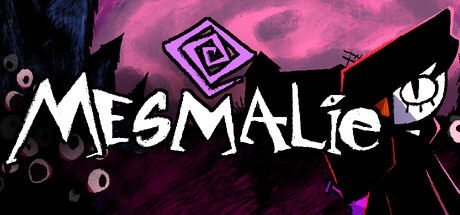
A gorgeously illustrated horror life-sim RPG blending fairy-tale folklore, a sapphic dating-sim structure, and genuinely eldritch horror in a rural German setting — celebrated for its striking mixed-media art and branching narrative, but held back at launch by unforgiving, sometimes obscure puzzle and survival segments the developer has since substantially, though not fully, addressed.
A 1994 Japan-only SNES anthology RPG gets a gorgeous HD-2D remake and its first-ever release outside Japan -- eight short, wildly different stories in one box, held together by writing critics and players agree is stronger than the archaic combat carried over from the original.
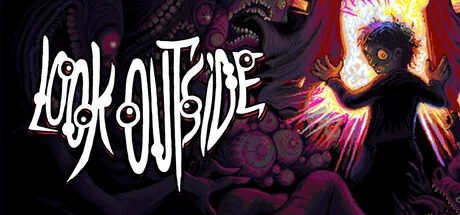
A pixel-art survival horror RPG confined to a single apartment building where glancing out a window turns people into grotesque monsters — a genuine cult phenomenon whose storytelling and atmosphere draw some of the most passionate praise this outlet has documented all year, sitting alongside a real, specific mechanical complaint cluster about a punishing save system and RNG-heavy combat from a small but consistent share of its own reviewers.
A faithful 4K remaster of two of the most beloved 1990s JRPGs, bundling Silver Star Story and Eternal Blue with real quality-of-life upgrades, undercut only by a divisive full voice redub that longtime fans can't quite let go of.
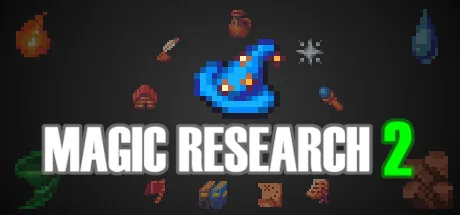
The sequel keeps the first game's text-only school-of-magic formula intact and pours the budget into scope instead — a bigger spell list, a crew of Wizards you can delegate to, and a familiar system that splits its own fanbase down the middle.
A near-universally beloved web-swinging superhero game whose PC port has carried an unresolved, save-corrupting crash bug since the day it launched — persisting across three years of patches and still blocking full completion for some players.
A near-universally beloved occult point-and-click adventure whose charming, distinctive protagonist and blend of retro-flash-game minigames with bittersweet, genuinely surprising storytelling earned an overwhelmingly positive reception, tempered by a small but specific and detailed minority critique arguing the full release doesn't deliver on the gradual magical progression its demo promised, feels padded with narratively inessential minigames, and runs disappointingly short.
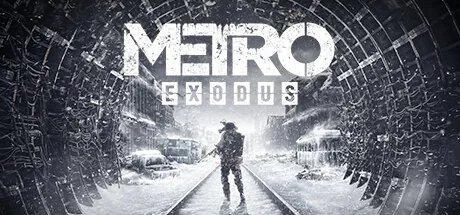
A well-regarded, atmospheric post-apocalyptic shooter whose reputation was genuinely damaged by a real 2019 Epic Games Store exclusivity controversy and a cluster of specific, long-unfixed bugs — but whose negative reviews have declined sharply since, consistent with a history that's now largely settled rather than an ongoing problem.
A short, PSX-styled psychological horror narrative about five crew members stranded on a crashed cargo ship, told out of chronological order as guilt, denial, and complicity unravel among the survivors, whose writing and atmosphere earned it an enormous, devoted following alongside a smaller but consistent counter-current of reviewers who found its back half tedious and its themes less profound than the hype suggested.
The most complete redemption story in gaming, a decade on. The 2016 launch reviews and the 2026 ones are describing almost different games — and the newest wave of criticism has nothing to do with the old one.
A cozy-spooky, first-person Slavic-folklore mystery walking sim about a childhood visit to a grandparents' village, earning a unanimous Positive launch reception for its atmosphere and storytelling, tempered by honest early-release bugs and a natural episodic-format cliffhanger.
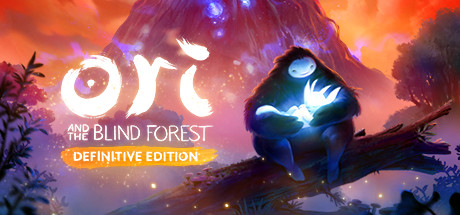
Moon Studios' debut metroidvania platformer draws some of the most emotionally intense reactions of any game reviewed in this lane, with reviewers repeatedly describing it as genuinely tear-inducing art — a reputation earned specifically by this Definitive Edition, since Steam delisted the original 2015 release in its favor the following year.
A visually stunning metroidvania sequel following the spirit guardian Ori through a new, larger forest world, Overwhelmingly Positive across more than 31,000 reviews — with a real, specific launch-bug problem including reported save-file corruption, and a recurring, well-corroborated complaint that its frantic chase sequences and busier combat trade away some of what made the original beloved.
A sharp, specifically-observed piece of interactive fiction about a Chinese-American teenager pushed into a beauty pageant by her parents — and one of the very few games on this shelf that reads better on a phone than a desktop.
A 2012 Vita classic finally reached PC in June 2020 and converted thousands of players who swore they didn't like JRPGs — but its near-universal acclaim sits alongside a years-long, well-documented crash bug that the storefront's own review sample keeps returning to.
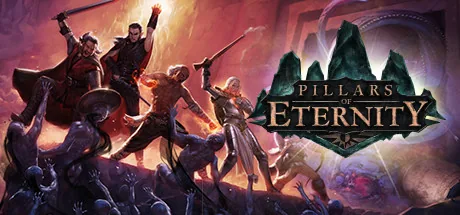
The game that brought the isometric party RPG back from the dead, and spent a decade being judged against a memory of Baldur's Gate rather than on its own terms. Fewer than half its buyers finish Act I — but the ones who push through average eighty hours.
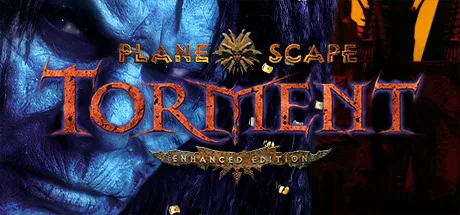
One of the most acclaimed RPGs ever written, still holding a 94.4% lifetime score nine years into its Beamdog remaster — and its own recent reviewers are refreshingly honest that the combat everyone warns you about really is the weak point, not a myth built by contrarians.
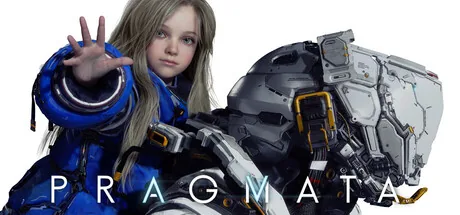
A genuinely fresh, emotionally resonant sci-fi shoot-and-hack adventure from Capcom, six years after its original 2020 announcement, praised near-universally for its unusual father-daughter bond and inventive combat — undercut for a real, consistently repeated share of the sample by a combat loop that grows repetitive in its back half, and by genuine, well-documented Denuvo DRM access problems affecting even paying, non-piloting players.