Game review
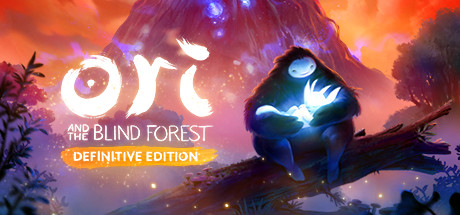
Ori and the Blind Forest: Definitive Edition
8 / 10
- Developer
- Moon Studios
- Publisher
- Xbox Game Studios
- Released
- 27 April 2016
- Platforms
- Windows
- Genre
- Metroidvania Platformer
- Monetisation
- One-time premium purchase; this Definitive Edition superseded and delisted the original 2015 release, with no additional DLC or in-app purchases
- Players
- Single-player only; no online, co-op or PvP modes
The short version
Ori and the Blind Forest tells the story of a small forest spirit navigating a dying woodland, and it draws some of the most emotionally charged reactions in this entire review sample. Reviewers describe crying within minutes of starting, compare its opening specifically to the most devastating scenes in Bambi and The Lion King, and one widely upvoted review with over 5,000 votes simply calls it "a masterpiece." The hand-drawn art, orchestral score, and fluid, ability-gated platforming draw consistent, specific praise as some of the best executed in the genre.
A meaningful, well-documented dissent runs alongside that praise, and it isn't just about difficulty. Multiple detailed critical reviews argue the combat is genuinely weak — described as repetitive homing-attack spam against enemies with excess health — and that the game's environments blur together more than the genre's best examples. This specific listing is also the one Steam directs all buyers toward today: the original 2015 release was delisted the following year in favor of this Definitive Edition, which added new content and fixed early-adopter frustrations that some reviewers of the original version had raised directly.
Biggest strengths
- Widely and intensely praised emotional storytelling, with reviewers repeatedly describing the opening sequence specifically as moving them to tears within minutes
- Exceptional hand-drawn art direction and an orchestral score that reviewers consistently rank among the best presentation in the platformer genre
- Fluid, responsive movement and platforming, built around ability-gated traversal mechanics like the bash move that reviewers specifically single out as inventive
Biggest weaknesses
- A specific, recurring critique from detailed reviewers: the combat is described as shallow and repetitive, largely amounting to spamming a homing ranged attack against enemies with more health than the system rewards engaging with
- Multiple reviewers say the game's environments blend together more than expected for the genre, lacking the strongly differentiated biomes some metroidvania fans look for
- A real, non-trivial difficulty spike in specific sequences draws frequent "die, reload, repeat" complaints from reviewers who otherwise loved the game's presentation
Who it's for: Fans of story-driven, atmospheric platformers who prioritize emotional impact and visual presentation, and metroidvania fans comfortable with a real difficulty curve. Less suited to players who want deep, satisfying combat systems, since several detailed reviewers specifically flag that as the game's weakest element.
Our recommendation: A must-play for its art, music and emotional storytelling alone — go in for the atmosphere and platforming rather than expecting combat depth, and this Definitive Edition is the only version worth buying regardless.
8 / 10
A quick note on which version this review covers, because it genuinely matters: Moon Studios' original Ori and the Blind Forest released in March 2015, but Steam delisted that version in April 2016 in favor of this Definitive Edition, which added new areas, difficulty options and quality-of -life improvements. This is the only version of the game Steam sells today, and it's what this review is based on.
An unusually emotional reaction, repeated again and again
What stands out most in this review sample is how consistently reviewers describe the game in emotional rather than purely mechanical terms. The single most upvoted review in this sample, with over 5,000 votes, opens simply: "Ok... the game... oh gosh, my tears, I can't hold it.... Because THIS IS A MASTERPIECE." A separate reviewer compares the game's opening directly to "that part in Bambi," "that one scene in Lion King," and "halfway through The Fox and The Hound," multiplied several times over. Two separate reviewers, months apart, describe playing through profound personal grief and finding the game's story specifically comforting during that time. That's an unusually consistent, specific emotional throughline across dozens of independent reviews, not a one-off reaction.
Genre-defining presentation, backed by a real critique of the systems underneath
The praise for Ori's hand-drawn art and orchestral soundtrack is close to universal in this sample, and reviewers with real metroidvania and platformer expertise credit its movement systems specifically, particularly the bash ability, as genuinely inventive traversal design. Set against that, several of the most detailed critical reviews make a precise, shared argument: the combat doesn't hold up to the rest of the package. One reviewer who explicitly compares the game to Hollow Knight describes the fighting as amounting to "clicking to fire a homing attack," calling it "pretty uncompelling" against enemies that soak up more hits than the system makes rewarding. Another argues the game's areas "all look the same," missing the genre's usual emphasis on strongly differentiated, memorable biomes. These are specific, mechanically literate critiques rather than vague dissatisfaction, and they recur often enough across independent reviewers to treat as a real, structural limitation rather than a minority complaint.
A real difficulty spike, and a saving system some reviewers dislike
Beyond the combat critique, a recurring "die, reload, repeat" complaint shows up across several reviews describing specific platforming sequences that demand near-perfect execution, with more than one reviewer admitting they nearly gave up during them despite loving everything else about the game. A separate, more technical complaint concerns how saving works: manual saves draw from the same limited energy resource used for combat and clearing certain obstacles, a design choice one detailed reviewer specifically argues is poorly balanced, since it can force players to choose between saving progress and having resources available for the challenge immediately ahead.
A troubled original release, now resolved by this edition
The version-history context is worth including directly, since it explains something reviewers of the earlier, now-delisted release specifically complained about: a lack of a clear upgrade path to this Definitive Edition for early adopters, and a short-lived, often unusable discount coupon that expired before many owners of the original even learned it existed. That's a real, documented frustration from the 2016 transition, but it's specific to that now-resolved release history rather than anything wrong with this current, actively sold edition, which is the only version available to buy today and the one this review's score reflects.
What the achievement curve confirms
Unlike several other older catalogue titles reviewed in this lane, this listing's achievement schema uses readable, descriptive names rather than opaque codes, and the resulting curve backs up what reviewers describe directly. Early story beats like completing the prologue sit around 80% of the tracked playerbase, but that falls away sharply toward the harder challenge achievements: finishing the game without dying sits at just 1.4%, and completing it without ever spending an ability point — effectively self-imposing extra difficulty — sits even lower, at 1.8%. That's strong independent confirmation of the real difficulty spikes reviewers describe, and it also quietly supports the specific critique of environment variety, since finding secrets (88%) and reaching the game's earliest hub points (73%–80%) show far higher completion than harder combat- and precision-based challenge achievements further along.
A well-received sequel confirms the strengths, and the weaknesses
Worth noting for context: the eventual sequel, Ori and the Will of the Wisps, expanded the combat system considerably, adding new weapon types and a more developed action system — a change several returning reviewers of this original game specifically welcomed, reading it as an implicit acknowledgment from the developer that combat was this first entry's weaker element. That's a useful signal in its own right: Moon Studios' own follow-up work suggests the specific combat critique raised by detailed reviewers here wasn't just a minority reaction, even as the sequel is a separate product with its own review and shouldn't be read as retroactively changing this game's own score.
Where it lands
Ori and the Blind Forest earns its reputation as one of the platformer genre's most emotionally affecting games, and its art direction, music and central movement systems are executed at a level reviewers consistently rank among the best available. The specific, recurring critique of its combat and environmental variety is detailed and corroborated enough to weigh seriously rather than dismiss as a minority complaint, and the real difficulty spikes are worth going in prepared for. For anyone drawn to atmosphere and story over deep combat systems, this remains close to essential — and this Definitive Edition, the only version Steam still sells, is unambiguously the one to buy.
Pros and cons
Pros
- Widely and intensely praised emotional storytelling, with reviewers repeatedly describing the opening sequence specifically as moving them to tears within minutes
- Exceptional hand-drawn art direction and an orchestral score that reviewers consistently rank among the best presentation in the platformer genre
- Fluid, responsive movement and platforming, built around ability-gated traversal mechanics like the bash move that reviewers specifically single out as inventive
- A satisfying metroidvania structure where new abilities meaningfully reopen previously inaccessible areas rather than feeling like padding
- This Definitive Edition specifically resolved issues raised by original-release buyers, adding new content and becoming the sole actively supported version
Cons
- A specific, recurring critique from detailed reviewers: the combat is described as shallow and repetitive, largely amounting to spamming a homing ranged attack against enemies with more health than the system rewards engaging with
- Multiple reviewers say the game's environments blend together more than expected for the genre, lacking the strongly differentiated biomes some metroidvania fans look for
- A real, non-trivial difficulty spike in specific sequences draws frequent "die, reload, repeat" complaints from reviewers who otherwise loved the game's presentation
- Manual saving draws down the same limited energy resource used for combat and unlocking obstacles, a design choice at least one detailed reviewer specifically calls out as poorly balanced
- Reviewers who came to this game after Hollow Knight in particular tend to find its combat and exploration systems comparatively thin, a useful expectation-setting data point for anyone making that same comparison
Screenshots
-
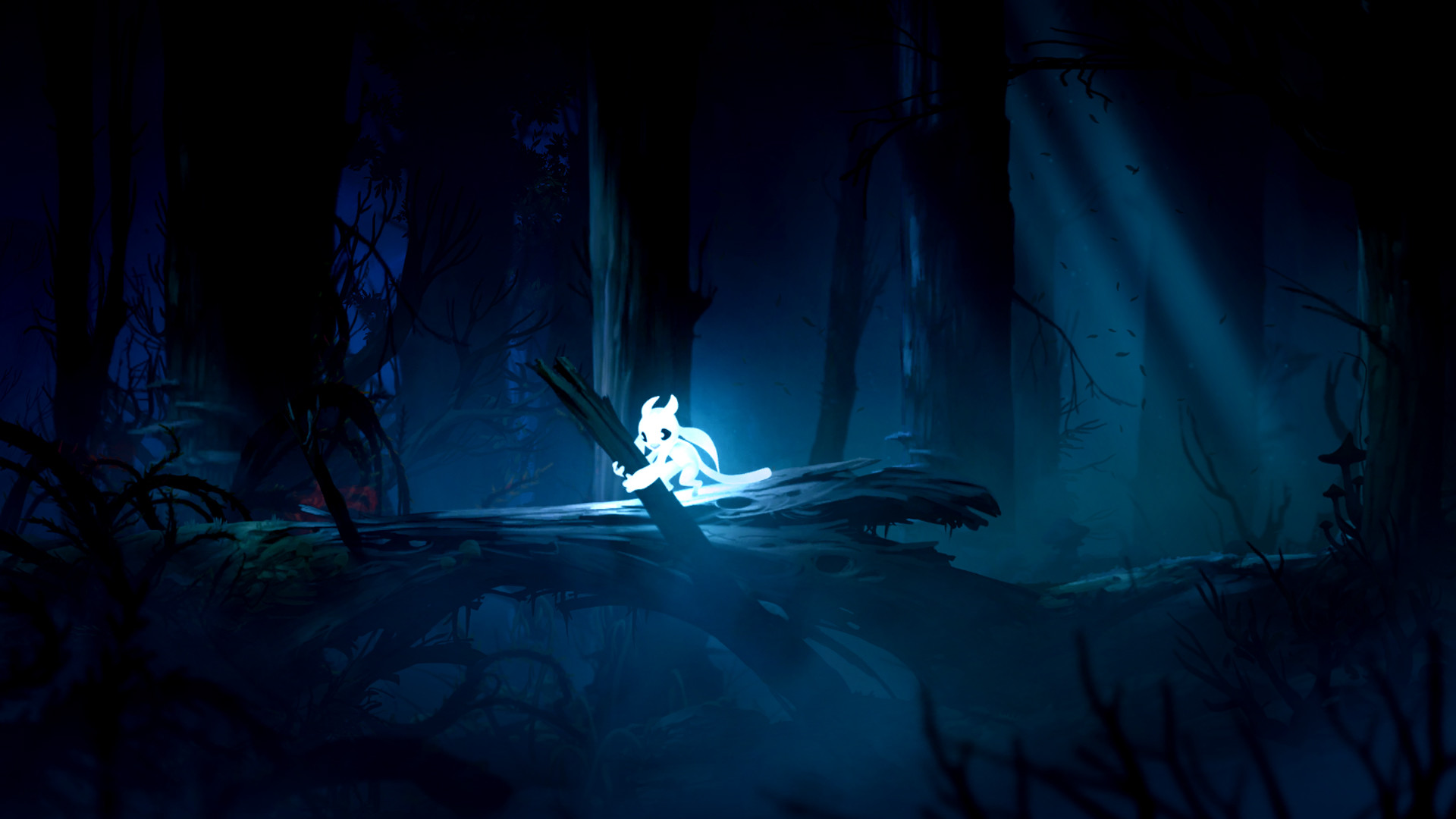
Ori and the Blind ForestImage: Xbox Game Studios via Steam -
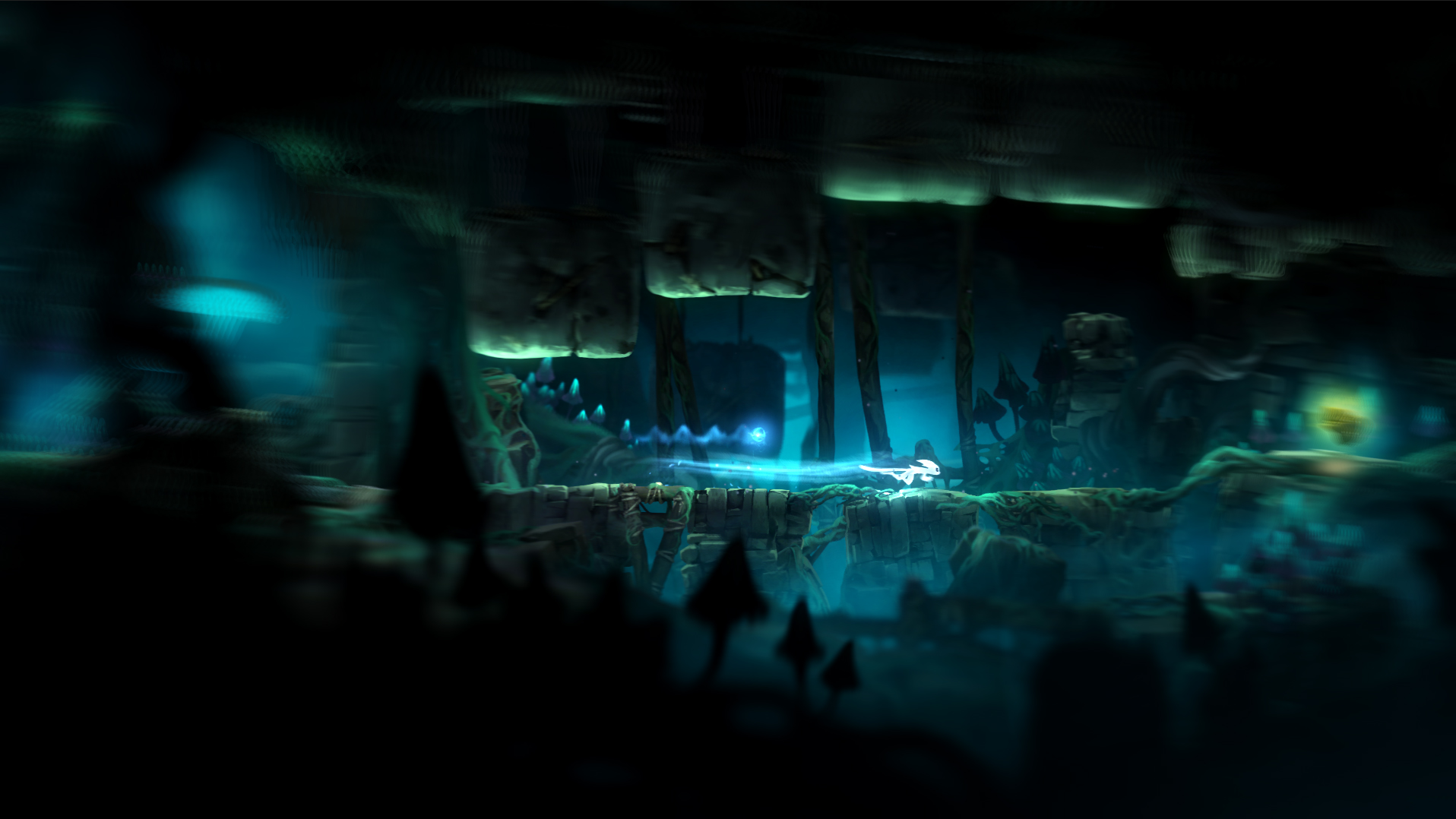
Ori and the Blind ForestImage: Xbox Game Studios via Steam -
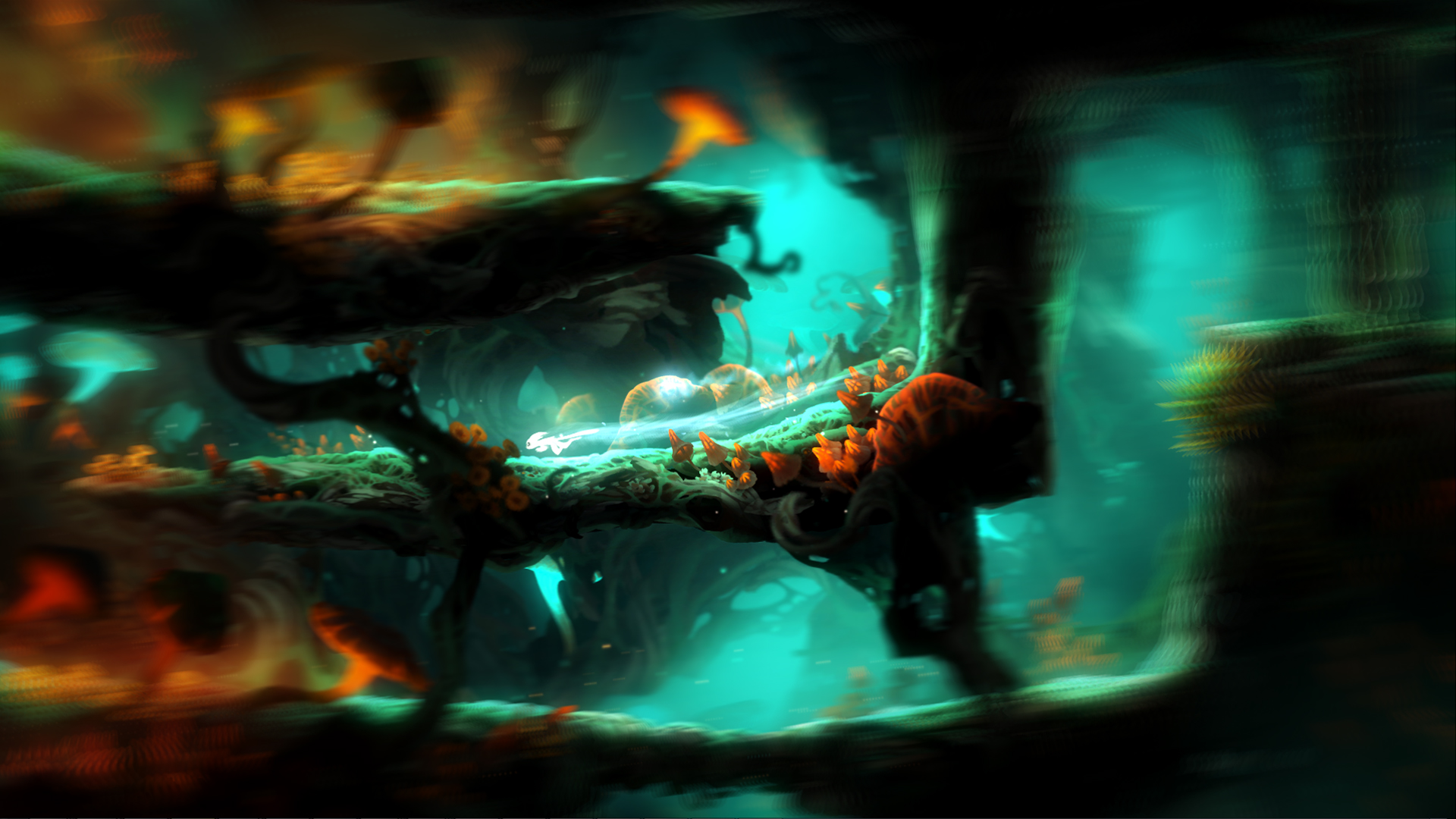
Ori and the Blind ForestImage: Xbox Game Studios via Steam -
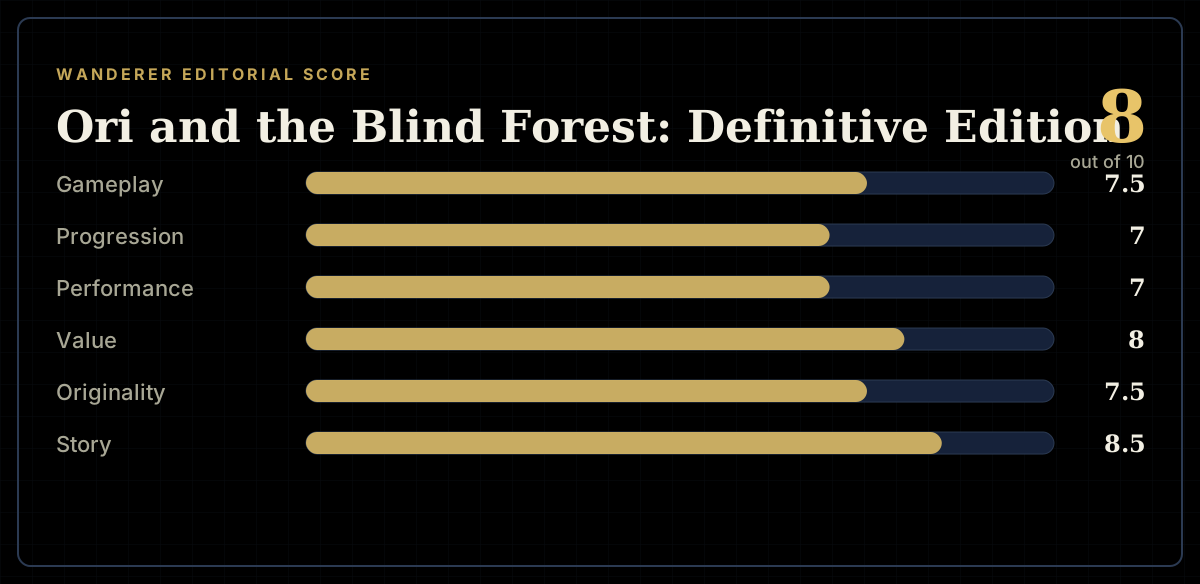
How the review scores each part of the gameWanderer Editorial -
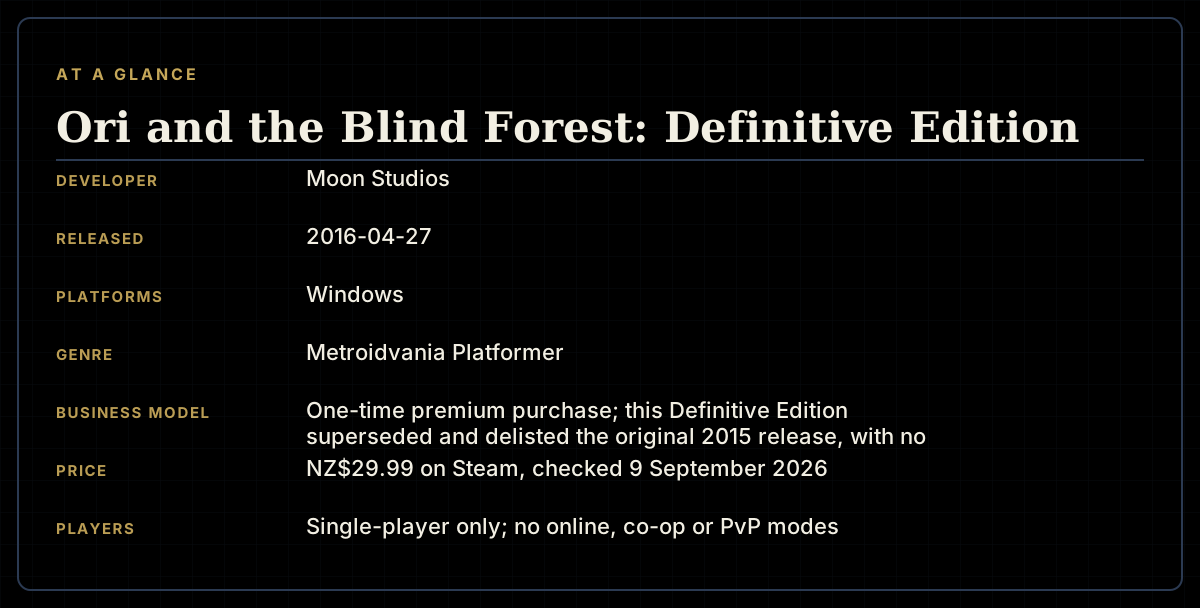
The specsWanderer Editorial -
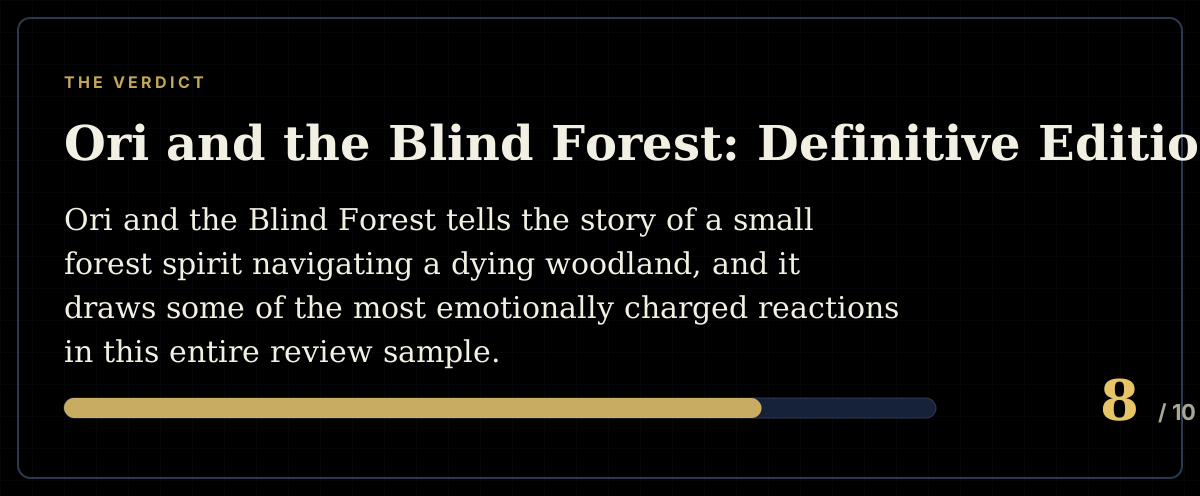
The short versionWanderer Editorial