
Game review
Cuphead
9 / 10
- Developer
- Studio MDHR Entertainment Inc.
- Publisher
- Studio MDHR Entertainment Inc.
- Released
- 29 September 2017
- Platforms
- Windows, macOS
- Genre
- Boss-Rush Platformer
- Monetisation
- One-time purchase, NZ$23.99. The Delicious Last Course DLC sold separately. No microtransactions.
- Players
- Local co-op for 2 players; single-player fully supported
The short version
Cuphead is entirely hand-drawn and hand-inked in the style of 1930s rubber-hose cartoons, and the animation work alone would make it notable — but the game backs that art style with a genuinely brutal, boss-rush run-and-gun structure built on memorization, parrying and pattern recognition. 96.2% positive across 218,427 reviews reflects a game whose difficulty is a feature, not a compromise, for the overwhelming majority who love it.
The honest dissent, read carefully, splits into two kinds. One is difficulty-fit — players who respect the craft but genuinely don't enjoy memorization-heavy pattern combat, a fair mismatch of taste rather than a flaw. The other is more specific and worth fixing: the second most-upvoted negative review in the game's history documents a real colourblind accessibility gap, where some attacks can only be distinguished by colour, making the game unplayable for at least one affected player — a pattern this library has now found in several acclaimed, otherwise carefully-crafted indie games.
Biggest strengths
- Entirely hand-drawn, hand-inked 1930s cartoon art style that remains genuinely unmatched years later, cited by nearly every reviewer regardless of their score
- An excellent, era-appropriate jazz and big-band soundtrack that reviewers rank alongside the visuals as a defining strength
- Boss-rush structure with genuine skill-based depth — parrying, pattern reading and weapon choice reward mastery rather than grinding
Biggest weaknesses
- No colourblind accommodation exists for attacks that require distinguishing colour alone, which at least one reviewer with red-green colourblindness reports makes the game genuinely unplayable
- The difficulty is real and consistent across every year of reviews — a meaningful share of players who respect the craft say they simply don't find memorization-heavy pattern combat fun
- Some reviewers argue the moment-to-moment gunplay itself is secondary to the art, calling the underlying run-and-gun mechanics closer to "run of the mill" once the visuals are set aside
Who it's for: Players who enjoy pattern-memorization boss fights and are willing to lose dozens of times to learn one encounter — this is closer to a rhythm game married to a shooter than a conventional platformer. Less suited to anyone who wants to explore or progress through environmental variety rather than sequential boss gauntlets, or players affected by red-green colourblindness given the documented accessibility gap.
Our recommendation: Buy it for the art and music alone if nothing else — few games in any budget tier match this level of hand-crafted animation. Go in expecting real difficulty and treat losing repeatedly as the intended learning loop rather than a sign something's wrong. If you're colourblind, be aware the game has no accommodation for colour-based attack telegraphs as of this review.
9 / 10
Every frame of Cuphead was drawn and inked by hand in the style of 1930s rubber-hose cartoons — Fleischer Studios, early Disney, the Popeye and Betty Boop era — and that alone would make it worth writing about. What makes it one of the most acclaimed games of its decade is that Studio MDHR built a genuinely demanding boss-rush game to carry that art style, rather than letting the visuals do all the work.
Beautiful, and built to punish you
Cuphead's structure is almost entirely boss fights, strung together with occasional run-and-gun levels, and nearly every one of the 100 most-upvoted positive reviews mentions the same two things in the same breath: the animation and music are extraordinary, and the game is hard. One reviewer frames the whole experience as a feverish, half-remembered childhood cartoon nightmare; another, writing on launch day itself, jokes about landing a job at a games outlet after finishing the tutorial — a joke that only works because the difficulty spike immediately after is well known. The praise and the difficulty are consistently reported as the same thing, not two separate qualities in tension.
The honest dissent in the negative-review corpus mostly agrees with that framing rather than contradicting it. "This is going to be an unpopular review," one reviewer writes, going on to praise the art and sound before concluding the underlying game, once the visuals are set aside, plays like "a run-of-the-mill run and gun." Another describes the core loop plainly as "a drastic memorization process of boss animations and their attacks" — accurate, and, for that reviewer, not fun despite enjoying everything around it. This is a fair, consistent criticism from players who clearly respect the craft, and it's held steady across every year since 2017 rather than fading or spiking around any particular update.
A real accessibility gap, not a difficulty complaint
Separate from all of that, and worth naming plainly: the second most-upvoted negative review in Cuphead's entire history isn't about difficulty at all. A reviewer with red-green colourblindness explains that some enemy attacks can only be distinguished by colour, and describes the game as genuinely unplayable as a result, adding that a colourblind mode "would probably not be too difficult" to implement. This is now a pattern worth naming across this library rather than treating as an isolated note — acclaimed, carefully crafted indie games repeatedly shipping without colour-based accessibility accommodations, in games otherwise built with obvious attention to detail. It doesn't undercut what Cuphead achieves visually, but it's a real, documented gap that affected players deserve to know about before buying.
Reading the completion data
The achievement curve tells a story consistent with the reviews. Early milestones — defeating a first boss, learning the parry mechanic — sit between 59% and 77% of the player base, meaning most buyers genuinely engage with the core systems. The rarest achievements, tied to perfect S-rank clears across the base game and DLC without taking damage, fall to under 3%, the steepest kind of mastery curve and exactly what you'd expect from a game whose entire identity is built on difficulty as a reward structure rather than an obstacle.
9 out of 10. Cuphead remains one of the most visually distinctive games ever made, backed by a boss-rush structure demanding enough to earn the difficulty it's famous for. It loses a point for two honest reasons: a real, documented colourblind accessibility gap that a meaningful share of players simply can't work around, and a difficulty ceiling that, fairly and consistently across nine years of reviews, isn't fun for everyone who admires the craft around it. Neither undercuts what it achieves for the players it's built for — this remains an easy recommendation for anyone who wants to be tested.
Pros and cons
Pros
- Entirely hand-drawn, hand-inked 1930s cartoon art style that remains genuinely unmatched years later, cited by nearly every reviewer regardless of their score
- An excellent, era-appropriate jazz and big-band soundtrack that reviewers rank alongside the visuals as a defining strength
- Boss-rush structure with genuine skill-based depth — parrying, pattern reading and weapon choice reward mastery rather than grinding
- Shipped complete at launch with no day-one patches needed and no predatory monetisation, something multiple 2017-era reviewers specifically praised as increasingly rare
- Full local co-op support built in from launch, letting two players tackle the same brutal bosses together
Cons
- No colourblind accommodation exists for attacks that require distinguishing colour alone, which at least one reviewer with red-green colourblindness reports makes the game genuinely unplayable
- The difficulty is real and consistent across every year of reviews — a meaningful share of players who respect the craft say they simply don't find memorization-heavy pattern combat fun
- Some reviewers argue the moment-to-moment gunplay itself is secondary to the art, calling the underlying run-and-gun mechanics closer to "run of the mill" once the visuals are set aside
- Progression is almost entirely skill-based rather than systemic, so players who bounce off a specific boss have few alternative routes forward
Screenshots
-
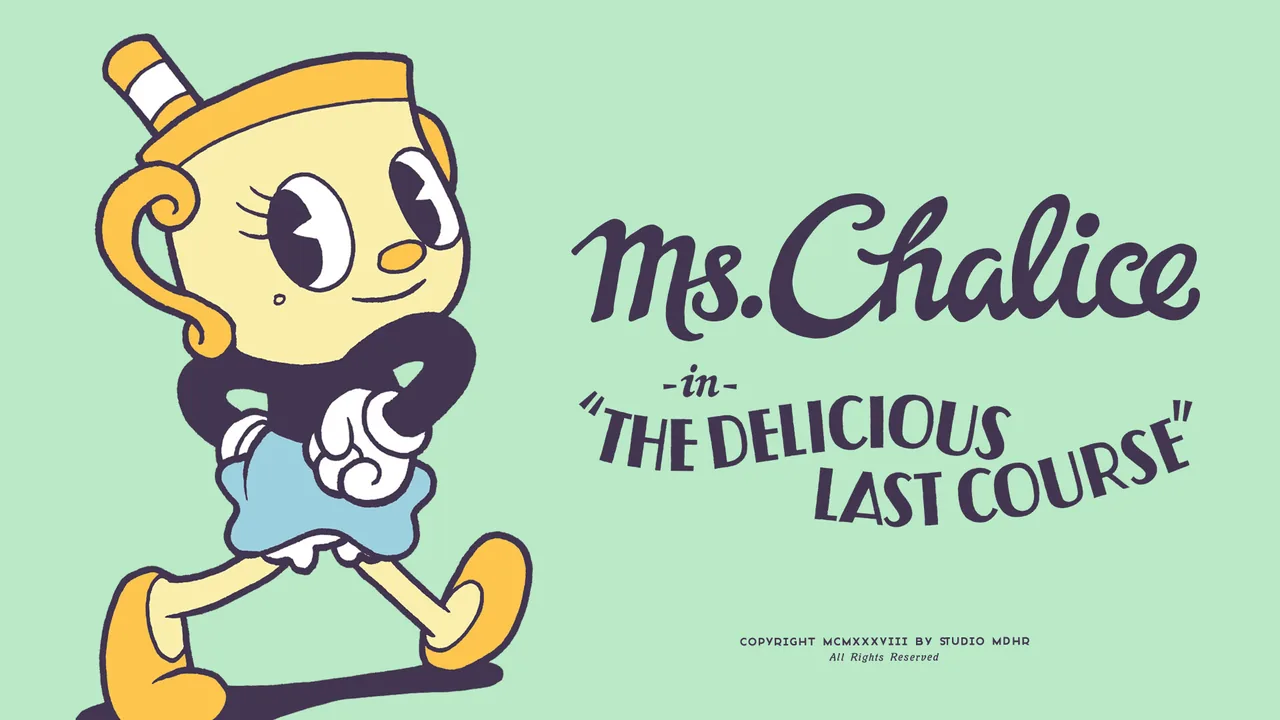
CupheadImage: Studio MDHR Entertainment Inc. via Steam -
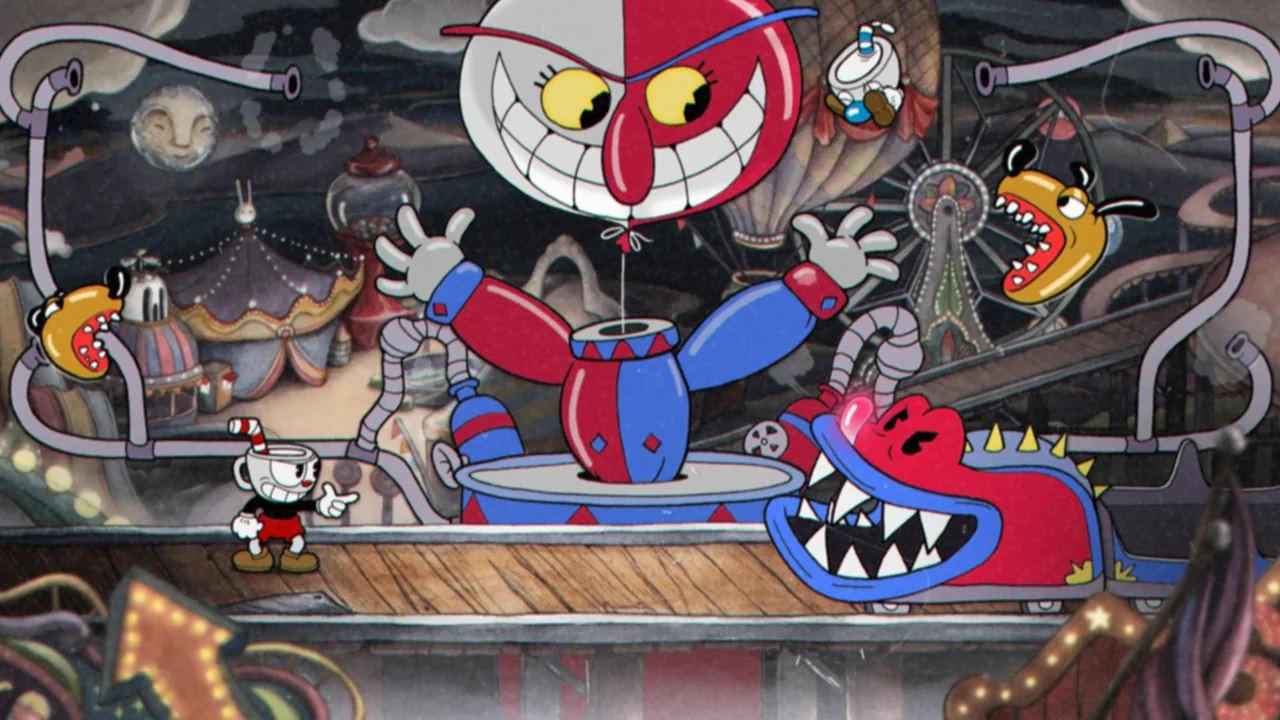
CupheadImage: Studio MDHR Entertainment Inc. via Steam -
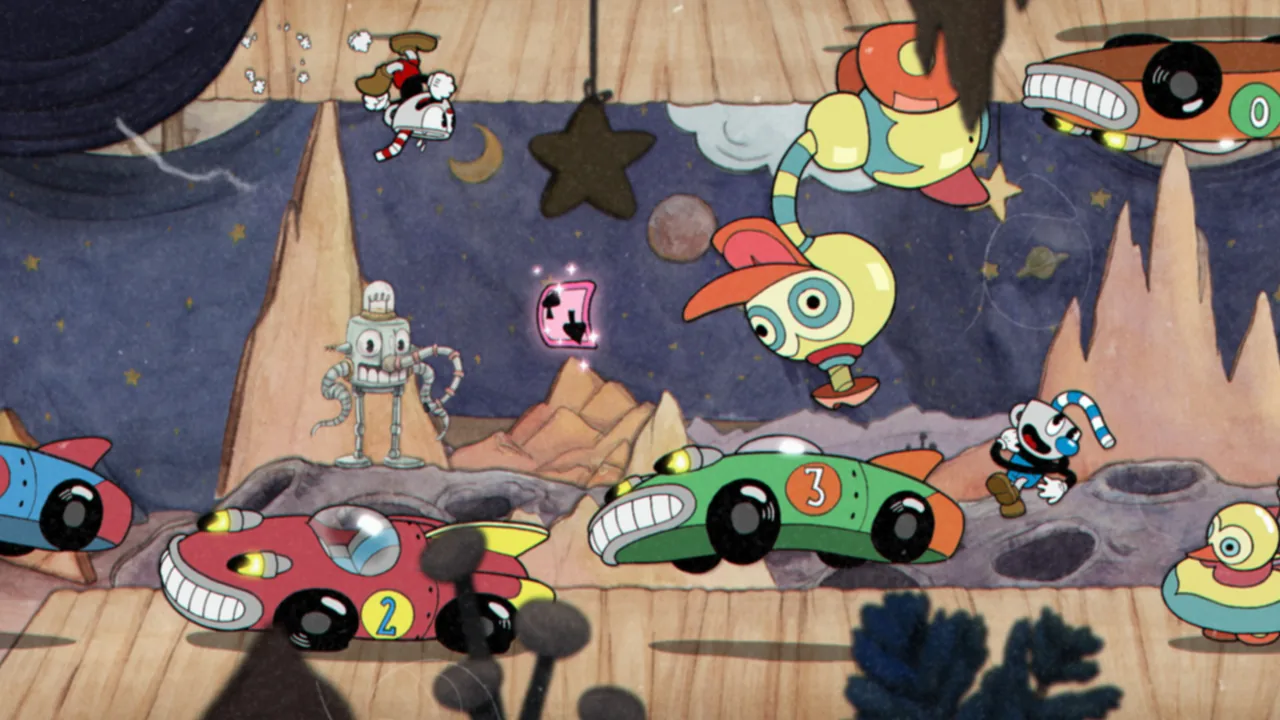
CupheadImage: Studio MDHR Entertainment Inc. via Steam -
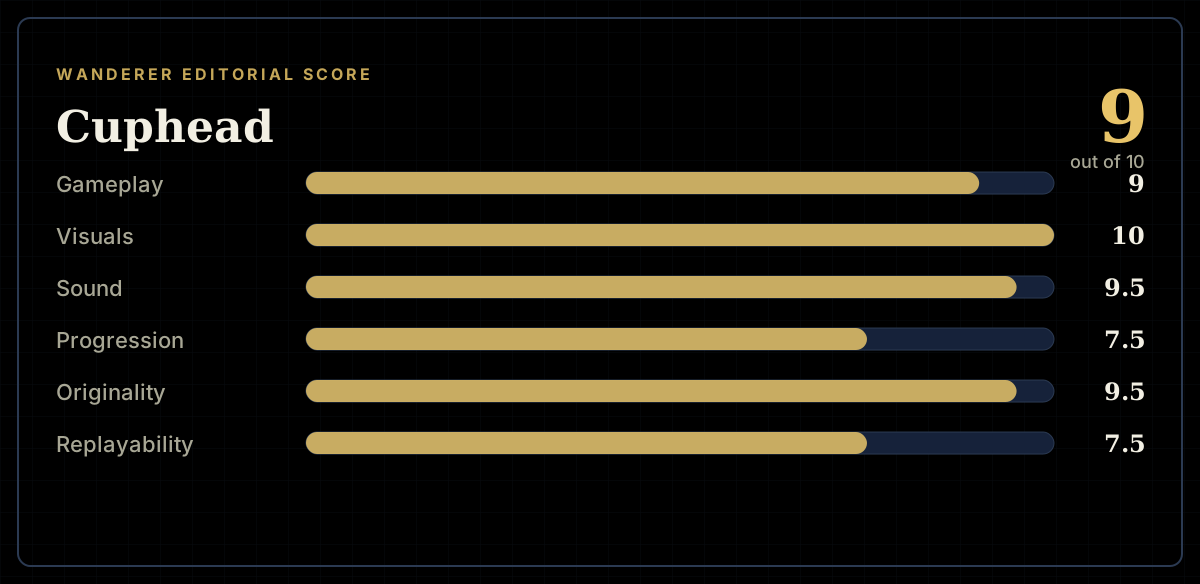
How the review scores each part of the gameWanderer Editorial -
The short versionWanderer Editorial