Game review
Guacamelee! 2
7 / 10
- Developer
- DrinkBox Studios
- Publisher
- DrinkBox Studios
- Released
- 21 August 2018
- Platforms
- Windows, Nintendo Switch, PlayStation 4, Xbox One
- Genre
- Metroidvania, Brawler-Platformer
- Monetisation
- One-time purchase. Small cosmetic and soundtrack DLC. No in-game purchases.
- Players
- Local and Remote Play Together co-op for up to two players throughout the campaign
The short version
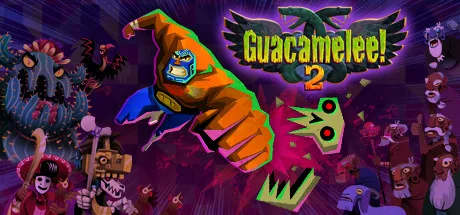
Guacamelee! 2 sends luchador Juan Aguacate, now a father seven years on from the first game, into a fractured multiverse to stop a corrupted rival from destabilising every timeline at once -- a colourful, Mexican-folklore-steeped metroidvania that critics loved at launch (Metacritic in the low-to-high 80s across platforms, IGN at 9.3) and that still sits at Very Positive on Steam, 91% of 3,365 reviews.
What that headline number doesn't fully capture is how consistently one specific complaint recurs in the negative sample: DrinkBox Studios raised the difficulty on almost everything the first game did well, and a meaningful share of returning fans say the punishing, precision-heavy platforming and less forgiving controls cost the sequel some of what made the original so widely loved. It's not a complaint about the game being bad -- most of the same reviewers still praise the art, music and combat -- it's a complaint about a sequel that leaned harder into challenge than charm.
Biggest strengths
- Outstanding, colourful art direction and a strong Mexican-folklore-inspired soundtrack that reviewers praise almost without exception, even in otherwise critical reviews
- Expanded, more varied combat with new dual-purpose abilities and a fleshed-out chicken transformation moveset that most reviewers rate as a genuine improvement on the original
- Strong local and online (Remote Play Together) co-op support across the full campaign
Biggest weaknesses
- A significant difficulty increase over the original, particularly in precision platforming sections with instant-death hazards, that a large share of negative reviews say tips from "challenging" into "tedious" or "punishing" rather than fun
- Multiple reviewers report unresponsive or imprecise controls, especially on controller, with wall-runs and launch moves triggering inconsistently
- No controller button remapping, a specific and repeated complaint from players who want to rebind inputs the game doesn't allow changing
Who it's for: Metroidvania and brawler fans who enjoyed the original Guacamelee and want more of its combat and Mexican-folklore setting, and players who specifically want a tougher platforming challenge. Less good for anyone who loved the first game's more forgiving pace, or who plays primarily on controller and wants full button remapping.
Our recommendation: Worth it for fans of the first game who are ready for a harder, more precision-focused sequel, and a strong pick for co-op given its local and Remote Play Together support. If you bounced off the original's harder platforming sections, this sequel leans further in that direction rather than away from it -- go in with that expectation set correctly.
7 / 10
Seven years after the events of the first Guacamelee, luchador Juan Aguacate is married with kids and settled — right up until an alternate version of himself, killed by the villain Calaca in "The Darkest Timeline," sets off a chain of events that pulls Juan into a fractured multiverse. A corrupted rival luchador, Salvador, threatens to access the Sacred Guacamole and unravel every timeline at once, and Juan has to punch, kick and wrestling-grapple his way through a Metroidvania built even more thoroughly around Mexican folklore and the Day of the Dead-inspired spirit world than the original was. DrinkBox Studios' sequel launched to strong critical numbers in August 2018 — Metacritic in the low-to-high 80s across platforms, IGN at 9.3 — and still sits at Very Positive on Steam eight years later, 91.2% of 3,365 reviews. Reading a large, recent sample of that review history shows a game whose reputation is genuinely earned, sitting alongside a real, specific and frequently repeated complaint about exactly what changed from the first game to this one.
More of everything that worked, on paper
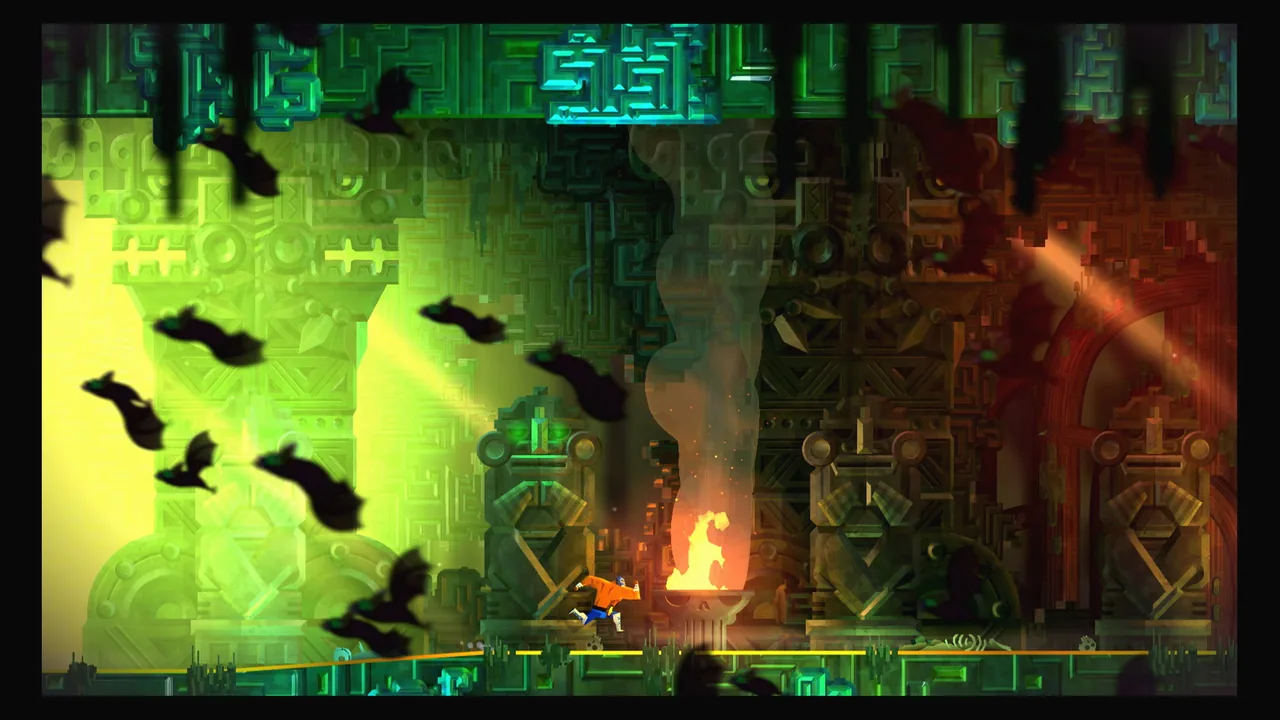
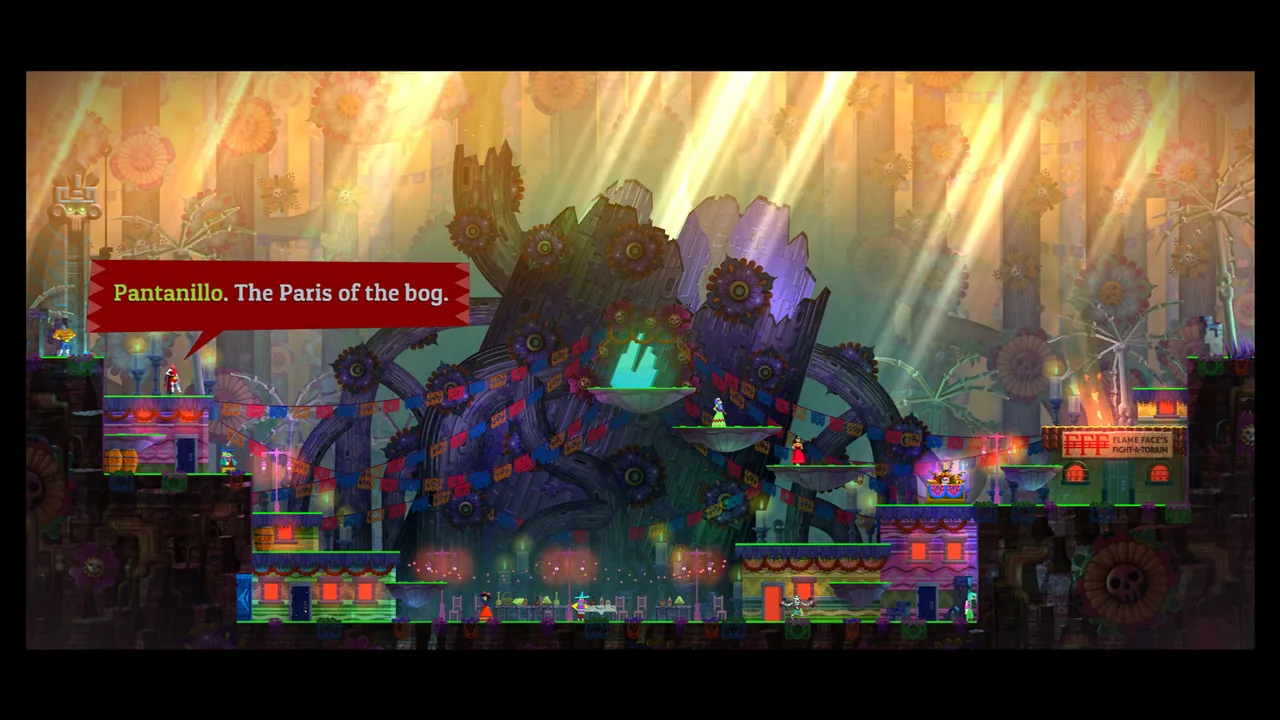
The combat is the clearest, least disputed improvement. Juan's moveset from the first game returns with dual applications layered on — the Rooster Uppercut, for instance, works as both a mobility tool and an attack — and the chicken transformation, a novelty in the original, gets a full moveset of its own here. Reviewers across the whole sample, positive and negative, consistently praise the expanded combat variety, the denser map, and the increased enemy roster as genuine improvements over the first game's more limited toolkit. The art direction and soundtrack draw close to universal praise as well — reviewers unhappy with almost everything else about the game still tend to carve out a line for how good it looks and sounds, in a way that's rare across the whole negative sample.
The difficulty spike that splits the room
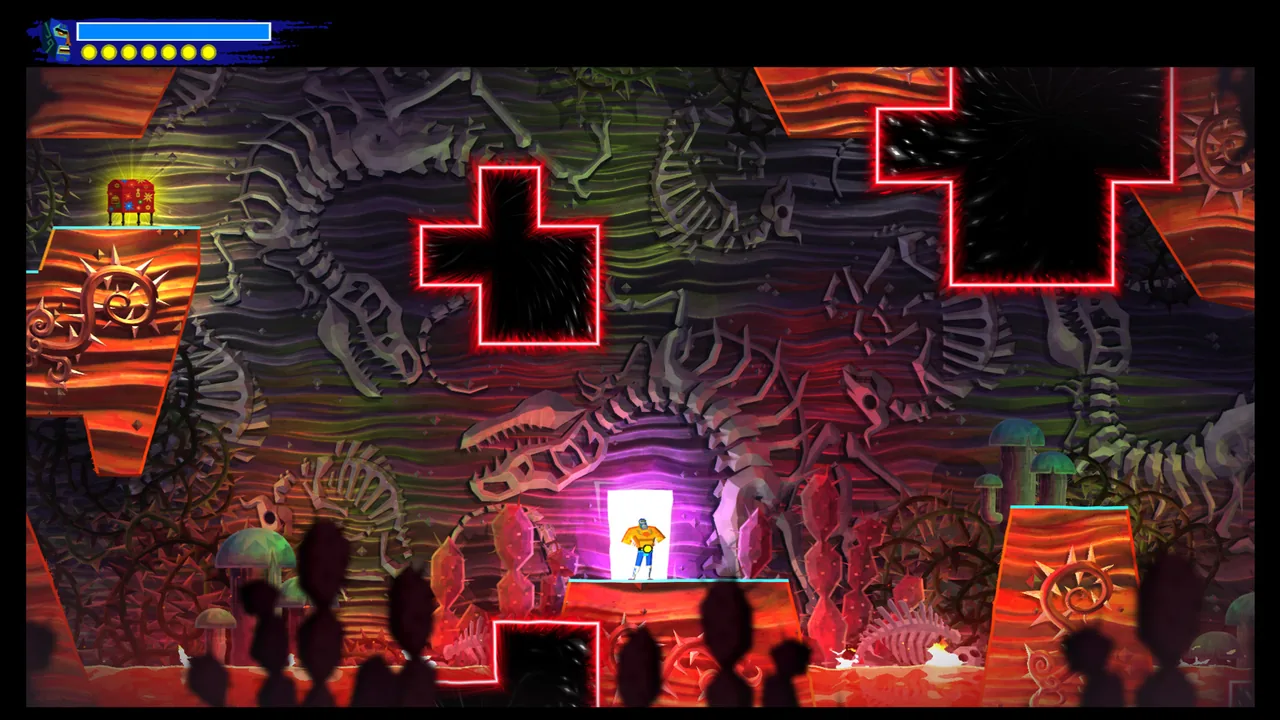
Set against those improvements is the complaint that dominates the negative sample by a wide margin: DrinkBox Studios made Guacamelee! 2 noticeably harder than the original, particularly in its precision-platforming sections, and a large share of returning fans say that change cost the sequel some of what made the first game beloved rather than simply making it more challenging. "Too freaking hard. Too irritating," reads one review, describing the platforming as feeling "like having a second job." Another, more measured: "Every good aspect of the game is unfortunately matched by a negative one." The specific target of most of these complaints is instant-death hazard rooms and precision jump sequences that several reviewers compare unfavourably to Super Meat Boy — not because that comparison is inherently negative, but because it signals a shift in what the game is actually asking of the player relative to the more forgiving pace of the original. This isn't a minority gripe drowned out by an otherwise unanimous positive consensus; contemporary critic reviews made the same observation at launch, several noting the game assumes the player has already mastered the first title's systems and calibrates its challenge accordingly. What's happened since is that the player base talking about it has widened well past that assumed veteran audience, and a meaningful share of them disagree with the design choice on its merits rather than simply finding it hard.
Control complaints that compound the difficulty
Layered on top of the difficulty increase is a second, related complaint: a number of reviewers, disproportionately those playing on controller, describe the controls themselves as less responsive or precise than the first game's, with wall-runs and launch moves triggering inconsistently in exactly the kind of tight platforming sequences where that matters most. "If the controls were any more unresponsive it would be called snailamelee," reads one blunt review. A more specific and frequently repeated complaint concerns the absence of button remapping — several reviewers report being unable to move the roll or grapple inputs off keys or triggers they find uncomfortable, a basic accessibility option that's increasingly standard elsewhere in the genre and whose absence here reads as a real gap rather than a stylistic choice. Combined with the harder platforming, this is the complaint most likely to turn "difficult but fair" into "frustrating," and it shows up often enough, across enough years of reviews, to treat as a genuine and persistent rough edge rather than an isolated preference.
A story some fans find less charming
A smaller thread in the negative sample concerns the writing itself — several longtime fans of the first game describe the sequel's script and humour as trying harder and landing less often, occasionally using the word "cringe" for jokes and references they feel the original handled more naturally. Unskippable cutscenes come up as a specific, practical complaint on repeat playthroughs. None of this dominates the sample the way the difficulty and control complaints do, but it's consistent enough — and specific enough in what it's contrasting against — to be worth naming rather than dismissing as simple sequel fatigue.
Verdict
7 out of 10. Guacamelee! 2 genuinely improves on its predecessor's combat, art direction and scope, and its Very Positive Steam standing and strong critic scores at launch reflect real, earned quality rather than nostalgia inflation. But its own review history is consistent about where the sequel asks something different of players than the original did: a harder, more precision-demanding platforming challenge, controls that a meaningful number of players find less forgiving of that demand, and a script some longtime fans feel doesn't land quite as well. If you're coming to it fresh, or specifically want DrinkBox's toughest platforming challenge, that's a feature rather than a flaw. If you're returning because you loved how approachable the first game felt, go in aware that this sequel deliberately raised the bar rather than kept it where you left it.
Pros and cons
Pros
- Outstanding, colourful art direction and a strong Mexican-folklore-inspired soundtrack that reviewers praise almost without exception, even in otherwise critical reviews
- Expanded, more varied combat with new dual-purpose abilities and a fleshed-out chicken transformation moveset that most reviewers rate as a genuine improvement on the original
- Strong local and online (Remote Play Together) co-op support across the full campaign
- A larger, denser map with more enemy variety than the first game, giving genre fans more substance for the price
Cons
- A significant difficulty increase over the original, particularly in precision platforming sections with instant-death hazards, that a large share of negative reviews say tips from "challenging" into "tedious" or "punishing" rather than fun
- Multiple reviewers report unresponsive or imprecise controls, especially on controller, with wall-runs and launch moves triggering inconsistently
- No controller button remapping, a specific and repeated complaint from players who want to rebind inputs the game doesn't allow changing
- A story and script that a meaningful number of returning fans rate as less charming and more strained than the original's, alongside unskippable cutscenes some reviewers call outdated
Screenshots
-
Guacamelee! 2Image: Drinkbox Studios via Steam -
Guacamelee! 2Image: Drinkbox Studios via Steam -
Guacamelee! 2Image: Drinkbox Studios via Steam -
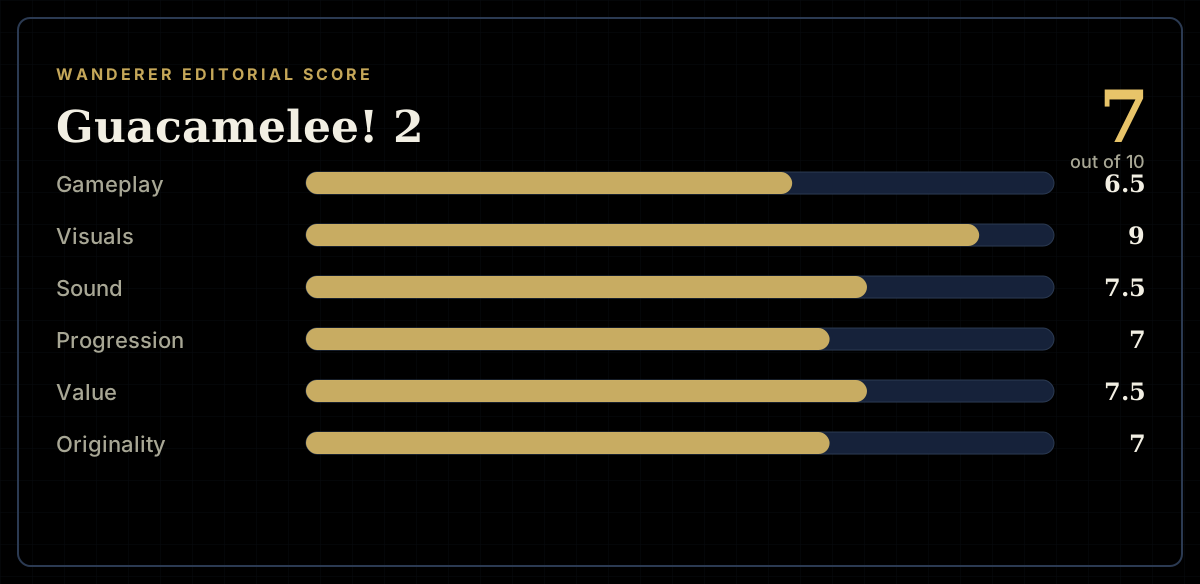
How the review scores each part of the gameWanderer Editorial -
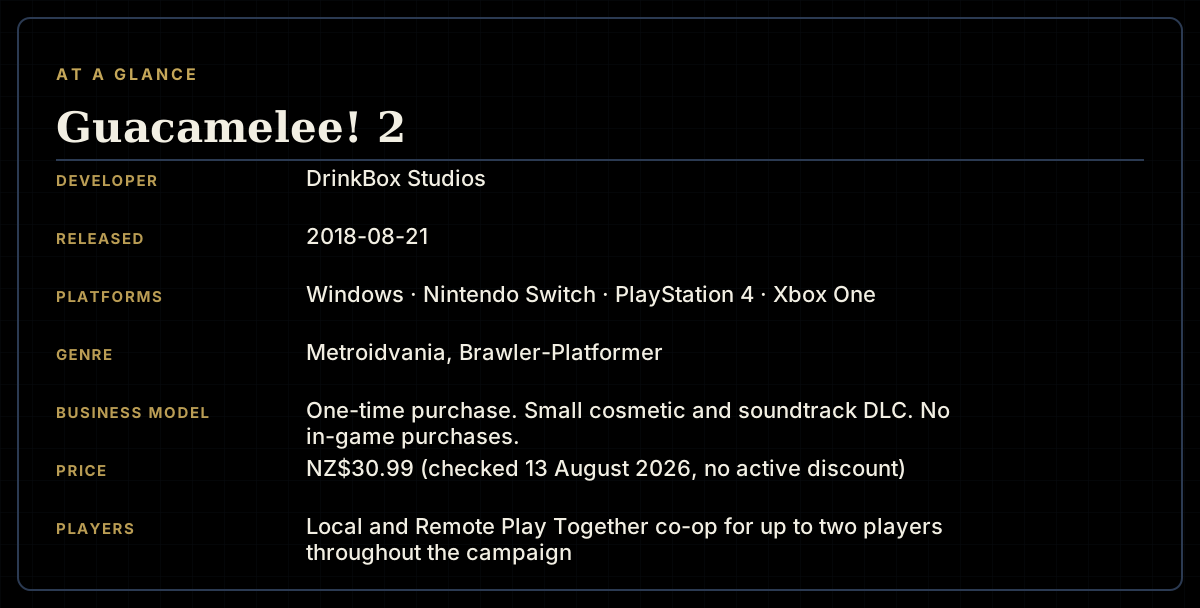
The essentialsWanderer Editorial -
The short versionWanderer Editorial