Game review
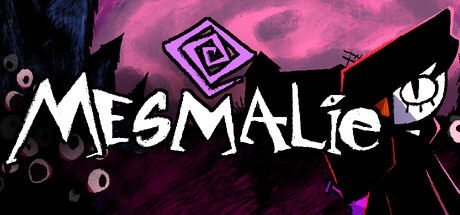
Mesmalie
8 / 10
- Developer
- Rain (orbitaldot)
- Publisher
- Rain (orbitaldot)
- Released
- 9 July 2026
- Platforms
- Windows
- Genre
- Adventure, Indie
- Monetisation
- One-time purchase, no in-game purchases listed
- Players
- Single-player
The short version
Mesmalie, released 9 July 2026 by solo developer Rain (orbitaldot), is an occult point-and-click adventure following a newly-awakened pyrokinetic taken in by a small witches' coven to learn control over their magic, blending exploration and retro-flash-game-inspired minigames with a dialogue-heavy narrative. It sits Overwhelmingly Positive with a substantial sample of 901 reviews, and reading widely through it reveals near-universal, deeply felt affection for the game's central character, art direction and storytelling, sitting alongside a small but detailed and specific minority critique this review found worth reporting in full. Reviewers overwhelmingly praise the coven's central witch character, Mesmer, describing genuinely charming, distinctive writing and speech patterns that stuck with them well after finishing, alongside art direction and music reviewers repeatedly single out as standout achievements for an indie project. Multiple reviewers specifically praise the game's tonal range, describing a story that opens with humour before gradually revealing real emotional weight without ever tipping into excessive, gratuitous darkness. Set against that overwhelming praise, this review found a specific, detailed critique from a small number of reviewers, including some who'd loved the earlier public demo, arguing the full release doesn't deliver on the gradual magical-ability progression that demo had implied, feels padded with minigames some reviewers say serve no real narrative purpose, and runs disappointingly short, with at least one detailed reviewer specifically noting the runtime feels calibrated just past Steam's standard refund window.
Biggest strengths
- The central witch character, Mesmer, draws overwhelming, specific praise as genuinely charming and distinctive, with reviewers repeatedly describing memorable speech patterns and mannerisms that stuck with them well after finishing the game
- Art direction and music draw consistent, enthusiastic praise as standout achievements, with multiple reviewers specifically purchasing the official soundtrack after finishing and describing the visual style as constantly varied and full of character
- Storytelling draws deep, specific praise for its tonal range, with reviewers describing a story that opens humorous and gradually reveals genuine emotional and occasionally unsettling depth without tipping into gratuitous or excessive darkness
Biggest weaknesses
- A small but detailed number of reviewers, including some who loved the earlier public demo, report the full release doesn't deliver on the gradual magical-ability progression that demo specifically implied, describing the actual narrative structure as closer to a fixed dramatic arc than a genuine skill-development system
- At least one detailed reviewer reports the game feels padded with minigames that serve no real narrative purpose, arguing development time was allocated to these segments at the expense of deeper characterisation and story content that demo players had been led to expect
- Multiple reviewers describe the overall runtime as disappointingly short, with at least one detailed reviewer specifically framing the length as feeling calibrated to land just past Steam's standard two-hour refund window
Who it's for: Fans of narrative-driven point-and-click adventures and visual novels looking for a short, charming but emotionally substantial occult story, particularly players who enjoy distinctive, memorable character writing over lengthy, mechanically deep gameplay.
Our recommendation: Strongly worth it for narrative adventure fans; go in blind if possible for the best experience, and be aware the runtime is genuinely short even if most reviewers feel it's well used.
8 / 10
Introduction
Mesmalie, released 9 July 2026 by solo developer Rain (orbitaldot), is an occult point-and-click adventure following a newly-awakened pyrokinetic taken in by a small witches' coven to learn control over their magic, blending exploration and retro-flash-game-inspired minigames with a dialogue-heavy narrative. It sits Overwhelmingly Positive with a substantial sample of 901 reviews, and reading widely through it reveals near-universal, deeply felt affection for the game's central character, art direction and storytelling, sitting alongside a small but detailed minority critique this review found genuinely worth reporting in full rather than dismissing given the overwhelming positive consensus.
A character reviewers can't stop talking about
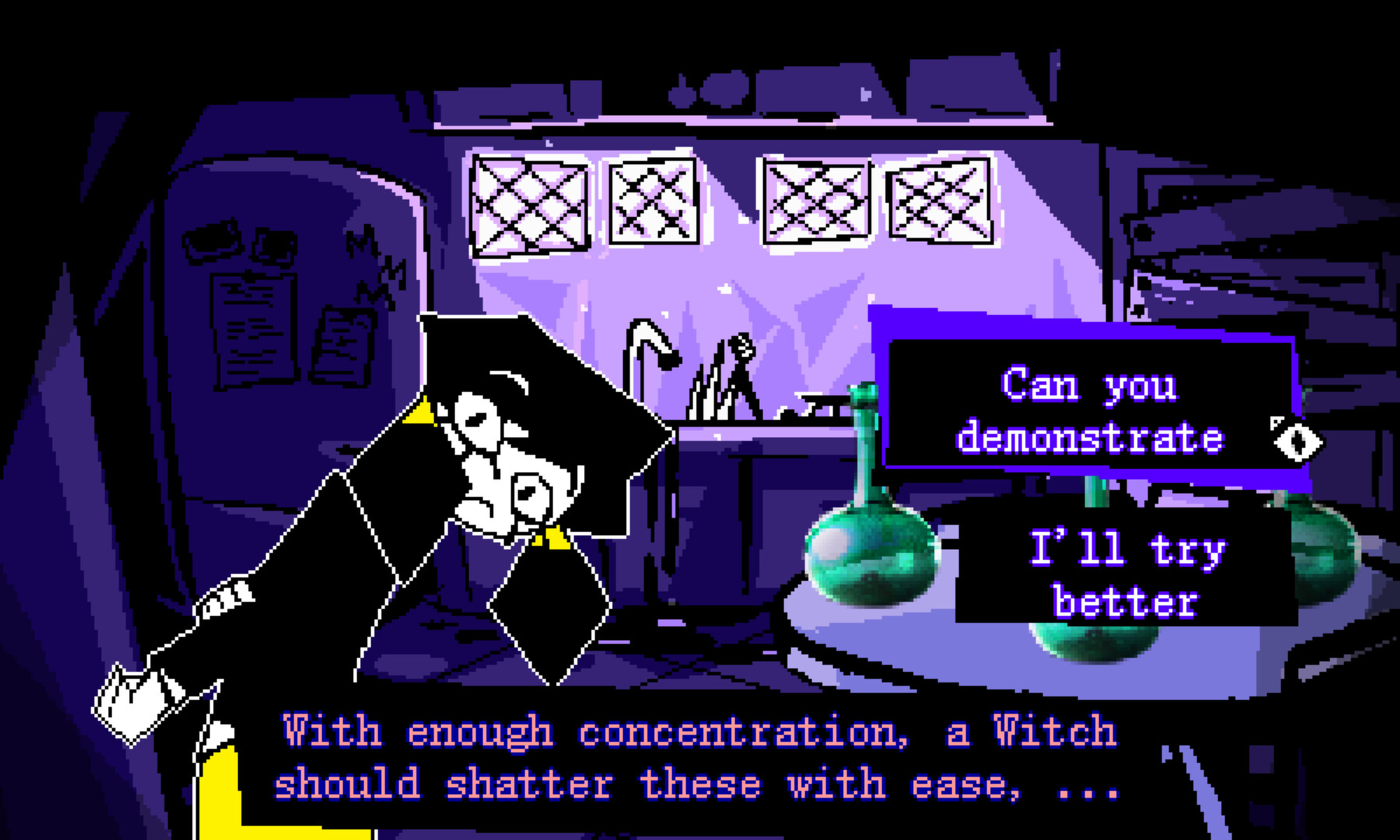
The clearest, most consistent praise across this entire sample concerns a single character: Mesmer, the coven witch who takes the protagonist under her wing. Reviewers repeatedly and specifically describe her speech patterns and mannerisms as genuinely charming and distinctive, with multiple reviewers admitting her particular way of talking has bled into their own everyday messaging habits. That level of specific, sustained fixation on a single character across hundreds of independent reviews reads as a genuinely rare achievement in character writing, distinct from the more generic "great characters" praise this lane's research typically encounters.
Art and music reviewers call standout achievements
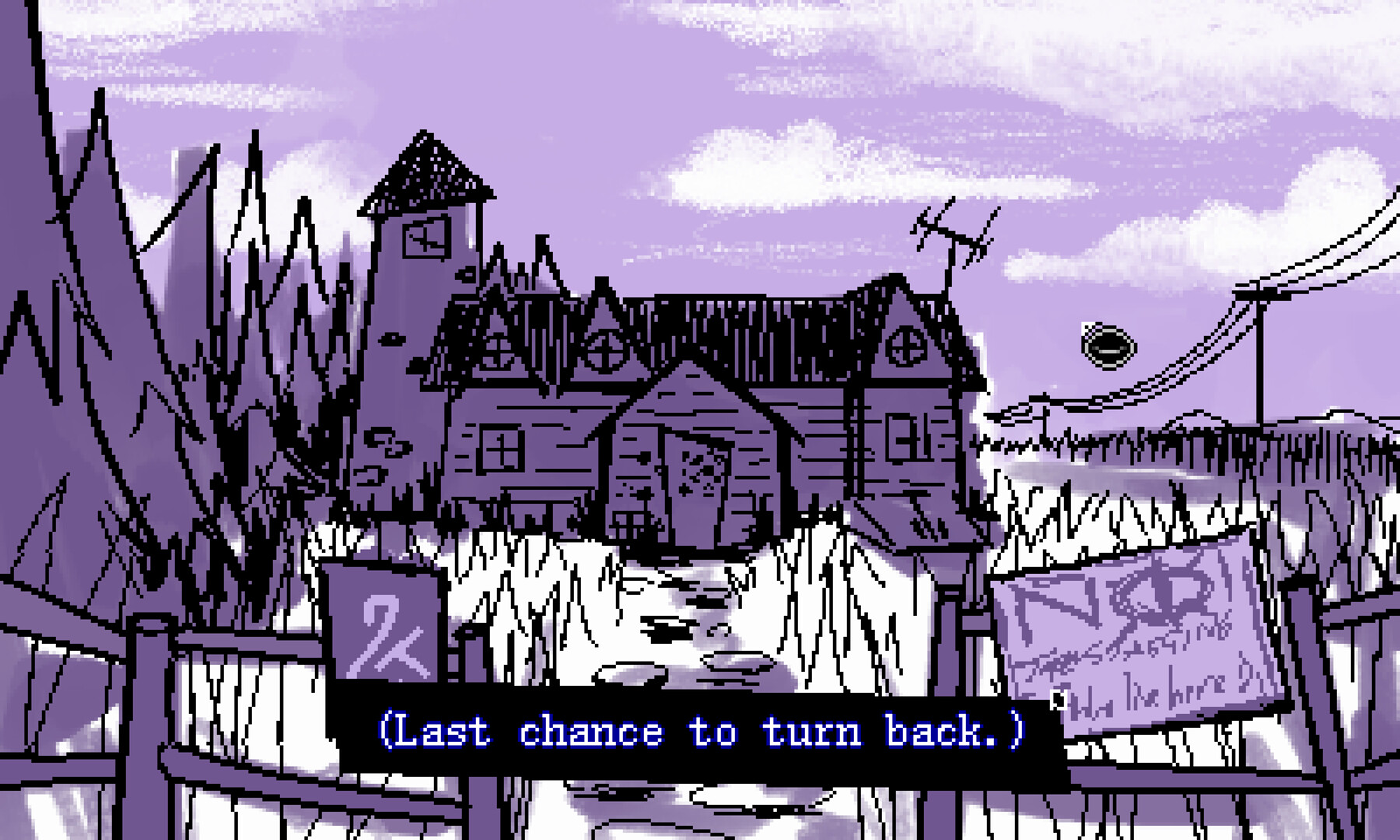
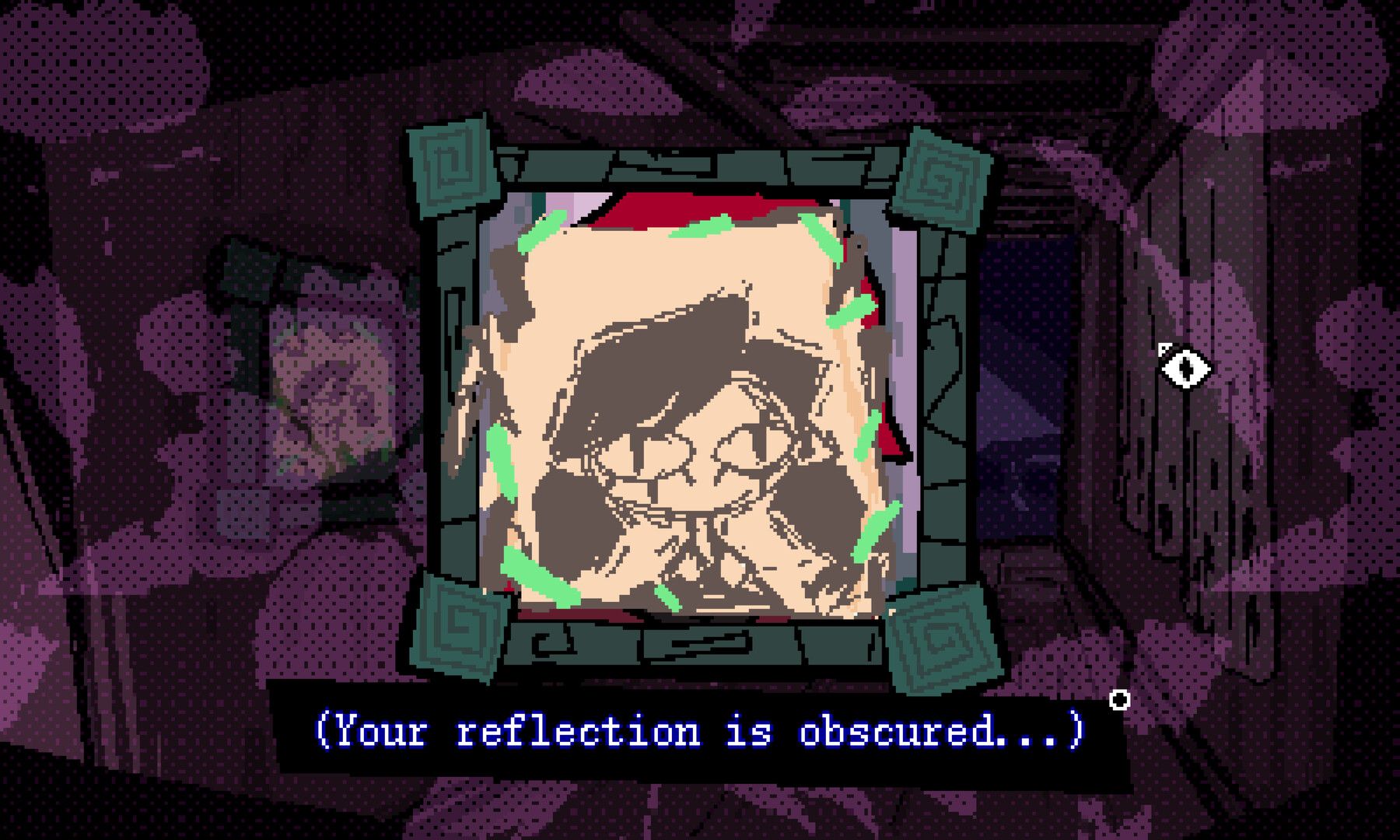
Beyond character writing, this review found consistent, enthusiastic praise for presentation. Reviewers describe a constantly varied visual style full of character, and music draws particularly strong, specific praise, with multiple reviewers reporting they purchased the official soundtrack separately after finishing the game. At least one detailed reviewer specifically compares the overall aesthetic to early web-based flash games reinterpreted with genuinely modern polish, describing the combination as something they were surprised to see successfully executed in a current release.
A story that earns its emotional shifts
Reviewers consistently praise the game's tonal range, describing a story that opens humorous and light before gradually revealing genuine emotional weight, and in places, unsettling depth, without tipping into gratuitous or excessive darkness for its own sake. Multiple reviewers specifically recommend going in blind to preserve the impact of the game's specific narrative turns, and several describe the overall experience as leaving a lasting emotional impression well beyond the game's short runtime.
A specific, detailed critique from a small but genuine minority
Set against that overwhelming praise, this review found a small number of reviewers, including some who specifically loved the earlier public demo, raising detailed, specific criticism worth reporting directly rather than treating as statistical noise. Multiple reviewers report the full release doesn't deliver on the gradual magical-ability progression that demo specifically implied, describing the actual narrative as closer to a fixed dramatic arc than a genuine skill-development system players had been led to expect. At least one detailed reviewer specifically argues the game feels padded with minigames serving no real narrative purpose, contending development time was allocated there at the expense of deeper characterisation the demo had promised.
A runtime some find disappointingly short
A separate, specific complaint concerns length. Multiple reviewers describe the overall runtime as short, and at least one detailed reviewer frames this specifically and pointedly, describing the length as feeling calibrated to land just past Steam's standard refund window — a specific, somewhat cynical framing distinct from a simple "I wanted more" complaint. This review reports that characterisation directly rather than softening it, while noting most reviewers in this sample, including many who acknowledge the short length, still describe the experience as well-used and worth the asking price regardless.
A twist some find anticlimactic
At least one detailed reviewer reports the game's climactic reveal reads as an obvious, drawn-out conclusion rather than a genuine narrative twist, describing real anticlimax despite otherwise enjoying the overall journey. A separate reviewer reports Mesmer's characterisation shifts abruptly, and in their view unfavourably, between the earlier demo and the final release. This review reports both accounts directly as genuine, specific dissenting perspectives within an otherwise overwhelmingly positive sample.
Reading a demo-to-release gap this lane has seen before
This review found it worth naming a pattern its broader research has now documented across several different titles this year: the specific tension between a well-loved public demo and a full release that a share of that same demo's fans feel changes direction or fails to deliver on what the demo seemed to promise. What distinguishes Mesmalie's version of this pattern is how small and specific the dissenting group actually is relative to the overall sample — five negative reviews against 896 positive ones is an unusually lopsided ratio even by this lane's standards for well-received titles. That imbalance doesn't make the specific complaints any less genuine or worth reporting, but it does suggest the demo-to-release gap here affected a narrower slice of players, likely those most invested in a specific interpretation of what the demo's ending had set up, rather than representing a broadly shared disappointment across the wider audience.
Why this sample's specificity matters for a game this size
It's worth noting directly how unusually specific and varied the praise throughout this sample is, even setting aside the small critical minority. Reviewers don't just say the writing is good — they quote specific lines, name specific characters beyond Mesmer herself, describe specific hidden details found on repeat playthroughs weeks after their first completion, and reference specific musical tracks they went on to purchase separately. That density of concrete, individually verifiable detail across nearly nine hundred separate reviews is a meaningfully stronger signal of genuine quality than the same sample size expressing only generic enthusiasm would represent, and it's a significant part of why this review's score sits as high as it does despite the specific, real criticisms documented above.
Final Verdict
Mesmalie succeeds at a genuinely rare creative achievement: crafting a single character so distinctive and well-written that hundreds of independent reviewers can't stop describing her specifically, backed by standout art direction, music, and a story that earns its shifts from humour into genuine emotional weight. What tempers this score is a small but detailed, specific minority critique arguing the full release underdelivers on demo-era promises around progression, includes narratively inessential minigame padding, and runs disappointingly short relative to its price. Strongly worth it for narrative adventure fans; go in blind if you can, and expect a short, focused experience rather than a sprawling campaign.
Pros and cons
Pros
- The central witch character, Mesmer, draws overwhelming, specific praise as genuinely charming and distinctive, with reviewers repeatedly describing memorable speech patterns and mannerisms that stuck with them well after finishing the game
- Art direction and music draw consistent, enthusiastic praise as standout achievements, with multiple reviewers specifically purchasing the official soundtrack after finishing and describing the visual style as constantly varied and full of character
- Storytelling draws deep, specific praise for its tonal range, with reviewers describing a story that opens humorous and gradually reveals genuine emotional and occasionally unsettling depth without tipping into gratuitous or excessive darkness
- Multiple reviewers specifically praise a wealth of hidden details and secrets rewarding exploration and multiple playthroughs, including alternate endings and additional unlockable content some reviewers describe discovering weeks after their first completion
Cons
- A small but detailed number of reviewers, including some who loved the earlier public demo, report the full release doesn't deliver on the gradual magical-ability progression that demo specifically implied, describing the actual narrative structure as closer to a fixed dramatic arc than a genuine skill-development system
- At least one detailed reviewer reports the game feels padded with minigames that serve no real narrative purpose, arguing development time was allocated to these segments at the expense of deeper characterisation and story content that demo players had been led to expect
- Multiple reviewers describe the overall runtime as disappointingly short, with at least one detailed reviewer specifically framing the length as feeling calibrated to land just past Steam's standard two-hour refund window
- At least one reviewer reports the game's climactic reveal reads as an obvious, drawn-out conclusion rather than a genuine narrative twist, describing a sense of anticlimax despite otherwise enjoying the journey to reach it
- A separate reviewer reports Mesmer's characterisation shifts abruptly and, in their view, unfavourably between the earlier public demo and the final release, describing a change in direction they personally didn't enjoy
Screenshots
-
MesmalieImage: Rain (orbitaldot) via Steam -
MesmalieImage: Rain (orbitaldot) via Steam -
MesmalieImage: Rain (orbitaldot) via Steam -
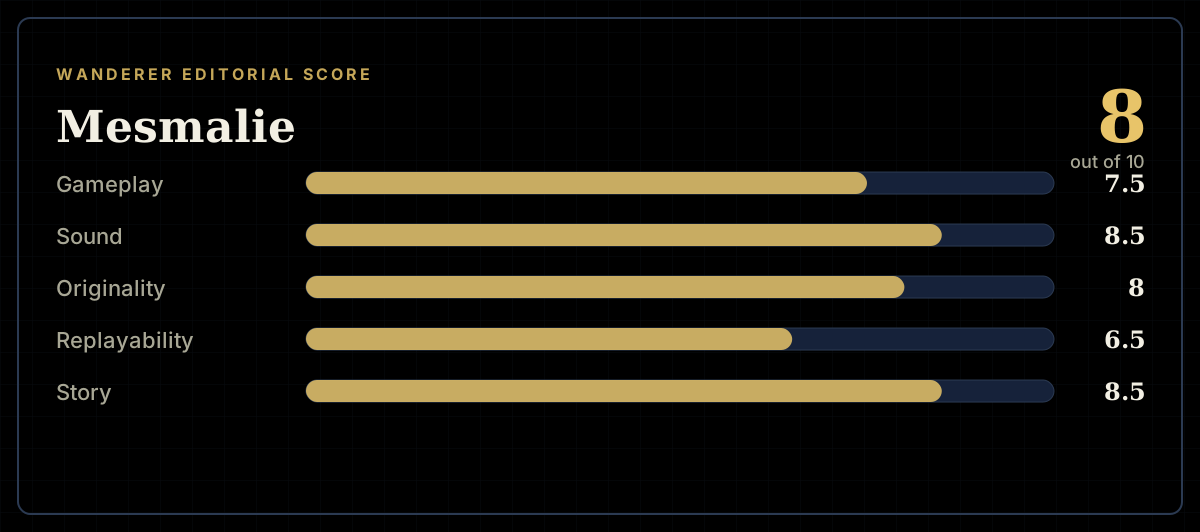
How the review scores each part of the gameWanderer Editorial -
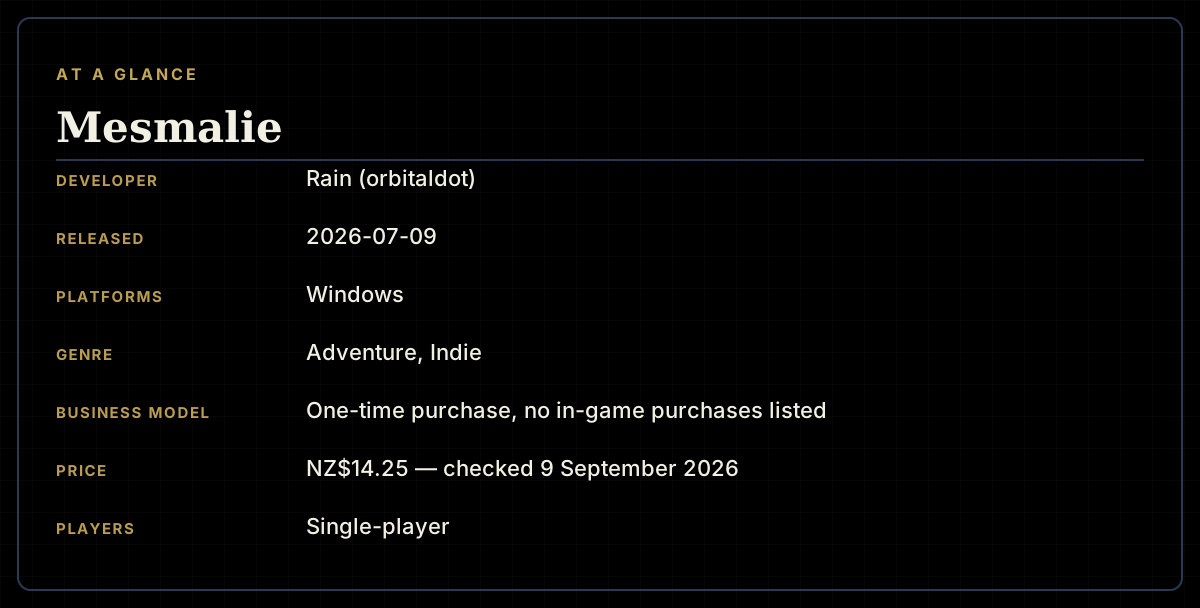
The essentials at a glanceWanderer Editorial -
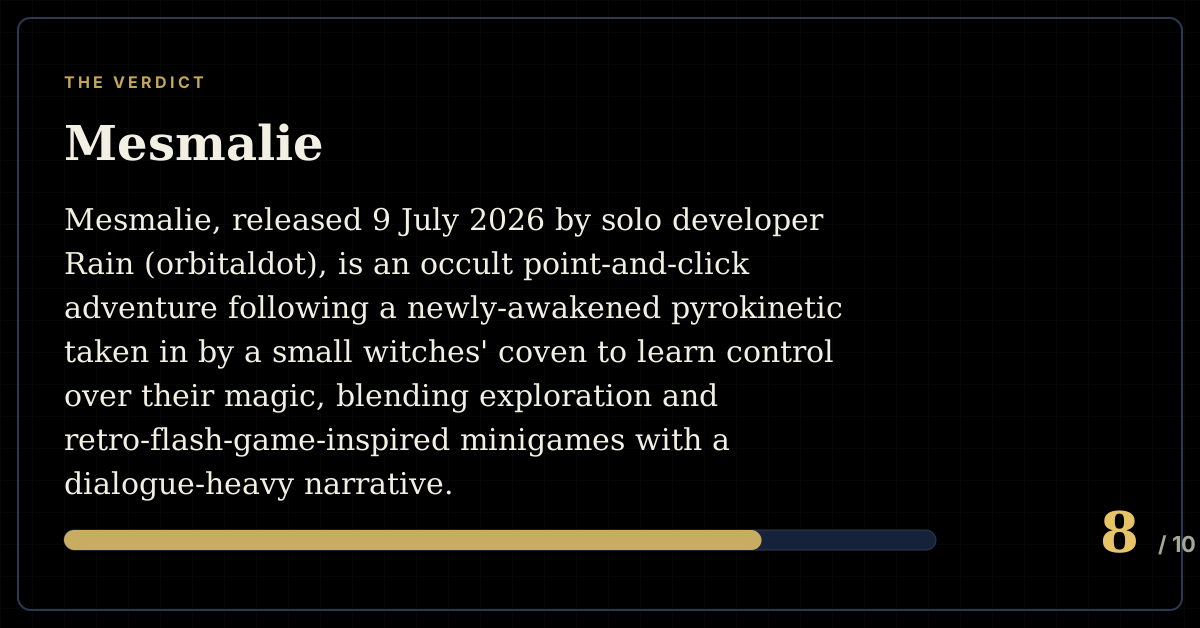
The short versionWanderer Editorial