A free-to-play idle RPG built around a wizard guild where every skill quietly multiplies every other skill — a genuinely clever synergy system undercut by a one-worker-at-a-time bottleneck and a VIP purchase ladder players have to climb tier by tier.
Ubisoft's feudal Japan entry delivers genuinely beautiful visuals and a widely loved shinobi protagonist, undercut by a real, consistently repeated "formula fatigue" complaint — towers, icons, repetition — a verified gap between Ubisoft's public promise of full offline play and what reviewers report experiencing in practice, and a heavily monetised in-game store layered on top of a full NZ$109.95 purchase.
The same demonstrate-it-once robot scripting that made Autonauts click, now defending a base against raiders with automated squads — a genuinely fun idea that never quite justifies asking for a second full-price purchase.
A tiny, no-combat runner/metroidvania about a cat who can't fight and can only sprint past danger — a nearly five-year-old Early Access project the developer just released for free after its funding fell through, reviewed on its complete review sample old and new.
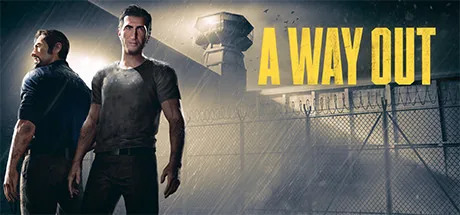
Hazelight Studios' prison-break co-op predecessor to It Takes Two and Split Fiction remains Very Positive across more than 102,000 Steam reviews for its inventive, purely two-player design — but this review can confirm a real, still-current complaint It Takes Two eventually resolved: A Way Out's mandatory EA App launcher continues to cause connection failures, crashes and Steam-invite friction in reviews dated as recently as August 2025, with no fix announcement found anywhere in the developer's own Steam communications.
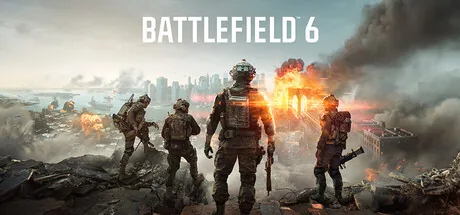
EA's biggest Battlefield launch in franchise history — 20 million units sold, record concurrent players, genuinely praised gunplay and an unusually stable launch — undercut by a widely repeated "bait and switch" narrative in which an acclaimed beta gave way to aggressive post-launch monetisation, and shadowed by a real, independently verified wave of layoffs across the studios that built it just months after that record-breaking success.
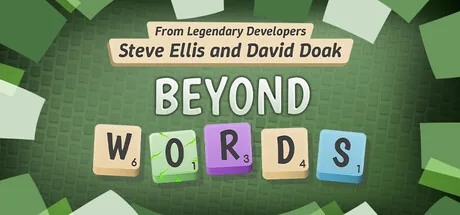
A roguelike deckbuilder that fuses Scrabble with Balatro, from GoldenEye and TimeSplitters veterans — genuinely praised for its core idea, and shadowed by an AI-art controversy the developers walked back after launch-week backlash.
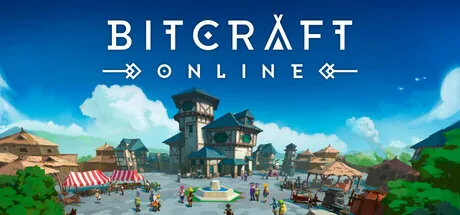
An ambitious single-world MMO crafting sandbox from the studio behind SpacetimeDB, built around a genuinely deep, RuneScape-inspired grind that its own biggest fans openly embrace — undercut by a real tension between its "idle-friendly" marketing and punishing stamina systems, rampant player-on-player griefing the developers are criticised for under-policing, and a disclosed but under-communicated plan to wipe progress and convert to free-to-play after Early Access.
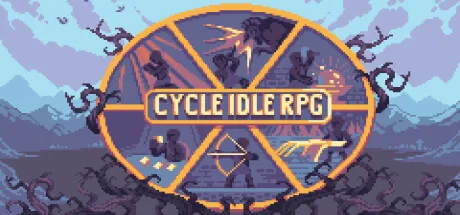
A ten-year-old pixel dungeon-crawler that never quite decided whether it wants you clicking through fights or leaving them to auto-battle, held together by a four-currency stamina economy that structures every session it doesn't quietly monetise.
A dark fantasy roguelite dungeon crawler with a distinctive old-school RuneScape look and a genuine risk-everything extraction structure — reviewed on its complete 15-review sample, which reads as a small solo-developer project fighting real launch-week bugs rather than a broken game.
A well-loved anime school RPG going through a gacha revolt in real time. Nine of its last hundred English reviews are positive — and the change they're protesting isn't in the version most Steam players are running yet. Reviewed 4 August 2026, mid-storm.
A roguelike deckbuilder where placement matters more than the cards themselves — draft one of three each day, stack it onto a shrinking farm grid, and chase chain-reaction synergy before rising taxes end the run — with a launch-week freeze bug the developer has already patched and a genuine split over how hard the game actually is.
A first-person co-op roguelite where up to four cats sneak past dogs to rescue kittens, spend break-in cash on crossbows and grenades between runs, and try to outlast an escalating house — priced at $2.99 and one day old, with a single user review and no achievement list yet to check its own claims against.
A Chinese-developed xianxia tactics RPG with a genuinely good grid on it, sold at a fair price with 19 chapters already in the box — and a cultivation ladder that turns out to be the thinnest system in the game.
An idle clicker that spends its entropy on the entire history of life and technology instead of lemonade stands, with genuine scientific content dressing up a tech tree that is more linear than it looks and a monetisation stack that leans harder every year it stays alive.
A one-time-purchase idle RPG that borrows every visual and structural trick of gacha hero collectors — six rarities, duplicate fusion, a 70-champion banner — and then declines to sell any of it, which makes it one of the more interesting monetisation experiments the genre has produced this year.
A genuinely deep idle civilization builder — a hundred-plus technologies, era-spanning wonders, a real global trading market — undercut by a headline feature that's been advertised for over a year without actually existing.
A generation-ship RPG from the Age of Decadence developers, offering genuinely outstanding writing and consequential choices aboard a decaying vessel bound for Proxima Centauri — hobbled by combat and skill systems a large share of its own fans find genuinely frustrating.
Relic's standalone wave-defence spin-off is the rare Mixed rating where both sides agree the game is fun. The fight on its review page is entirely about the price tag — a full-expansion ask for five maps, four factions and a perk tree.
A brutal, deeply detailed survival sandbox set in Robert E. Howard's Hyboria that's held a genuinely devoted following since 2018, now carrying real, current frustrations over monetisation additions and mandatory online requirements introduced since Funcom's acquisition by Tencent.
Devsisters folds its 300-million-player Cookie Run cast into an idle auto-battler with genuinely tactical positioning, then hangs the whole thing on the same gacha currencies that turned Cookie Run: Kingdom into a case study in monetisation backlash.
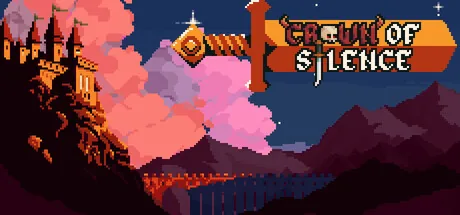
A two-person team's 2D Metroidvania with Souls-like combat, launched into Early Access on 5 August 2026 with a full campaign already playable, an equipment-driven build system, and a planned 6-to-12-month road to 1.0.
A free idle RPG with the genuine article — true 1:1 offline progression — attached to a retention design that keeps demanding you come back and play minigames by hand.
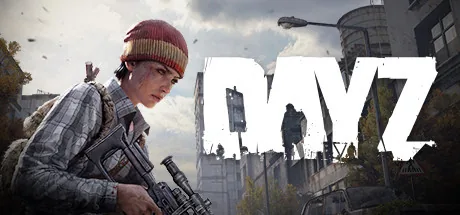
The game that arguably invented the modern survival genre from an ARMA 2 mod is still running, still brutal, and still dividing its own reviews between people who lived through its infamous five-year alpha and people just discovering how unforgiving it remains today.