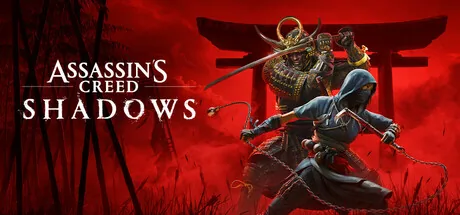
Game review
Assassin's Creed Shadows
6.5 / 10
- Developer
- Ubisoft Quebec
- Publisher
- Ubisoft
- Released
- 19 March 2025
- Platforms
- Windows
- Genre
- Open-World Action RPG
- Monetisation
- Full premium purchase (NZ$109.95) plus an in-game Helix Credits store used for cosmetics and progression items, alongside separately sold paid DLC expansions; no premium currency required to complete the base campaign
- Players
- None. Single-player only, with no leaderboard, co-op or shared-progress feature
The short version
Assassin's Creed Shadows sends two playable protagonists — Naoe, a fast, stealth-focused shinobi, and Yasuke, a slower, combat-focused samurai — across a genuinely beautiful open-world recreation of feudal Japan. Mostly Positive across more than 34,000 Steam reviews, the review sample consistently, specifically credits the game's visuals, dynamic weather and season system, and Naoe's stealth gameplay in particular as genuine achievements. What tempers that praise is an equally consistent, near-formulaic complaint: "Ubisoft has truly mastered one thing: selling the same game over and over again, just with a different postcard in the background," as one detailed review puts it, describing towers, map icons and repetitive side content largely unchanged from Origins, Odyssey and Valhalla. This review can also verify a real, specific gap between promise and practice: Ubisoft publicly committed, well before launch, that the entire game would be playable offline after initial installation, yet a substantial share of the sample reports the mandatory Ubisoft Connect launcher and Denuvo DRM repeatedly demanding reconnection in practice, including account lockouts that left at least one reviewer unable to access a game they'd already paid for. Layered on top sits a real, specific monetisation complaint — an in-game Helix Credits store selling cosmetics and skill-point packages on top of the NZ$109.95 purchase price — and a recurring, sharply worded complaint that the campaign ends on a cliffhanger several reviewers describe as designed specifically to sell a paid DLC continuation.
Biggest strengths
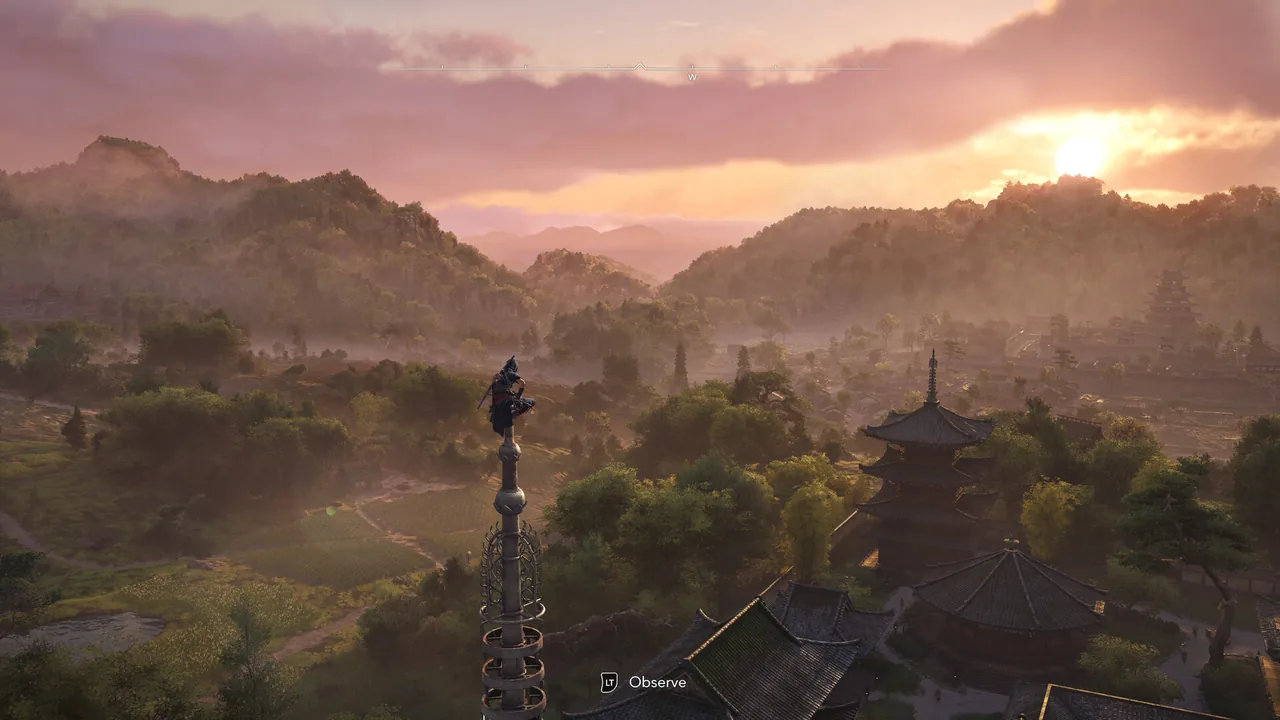
- Visual presentation draws consistent, specific praise, with the dynamic weather and seasonal system singled out repeatedly as a genuine technical and artistic achievement
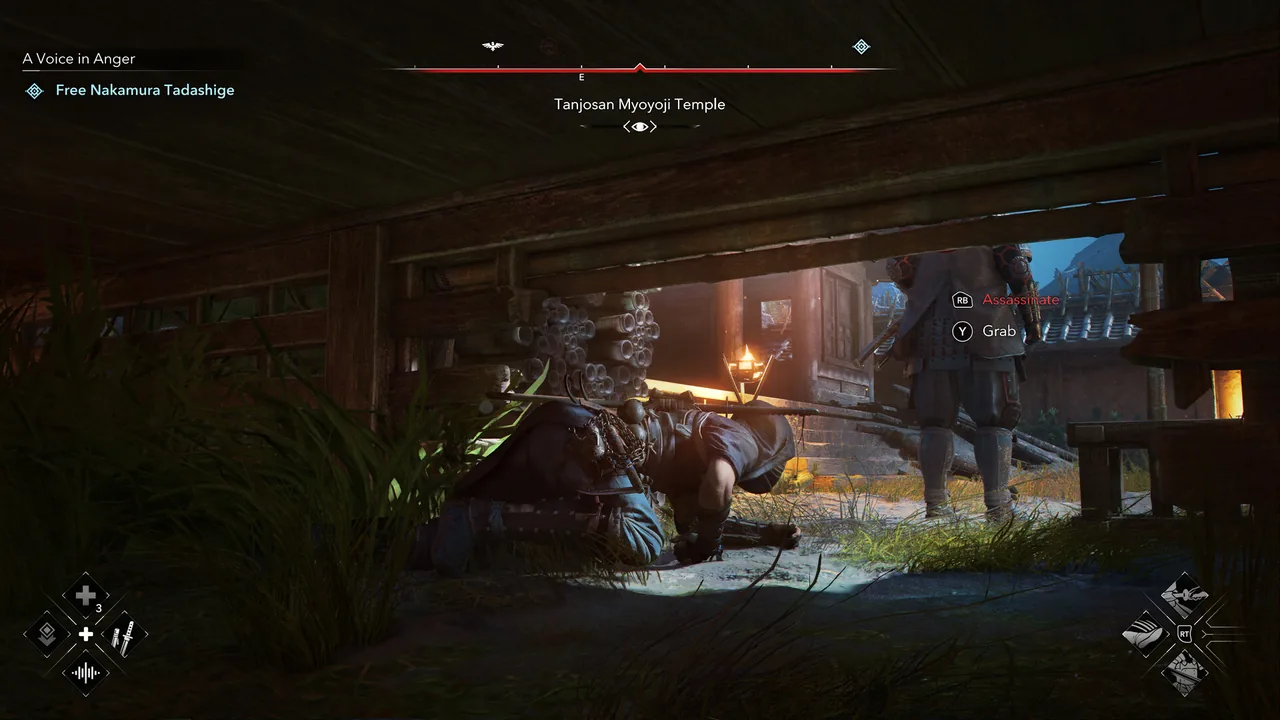
- Naoe's fast, stealth-focused gameplay draws sustained, detailed credit as some of the strongest stealth design in the series' recent history
- The feudal Japan setting itself is widely, specifically praised as a natural, well-realised fit for the series, independent of other criticism
Biggest weaknesses
- A real, remarkably consistent "formula fatigue" complaint recurs across the sample, describing towers, map-clearing and repetitive side content largely unchanged from the three prior mainline entries
- This review can verify a real gap between Ubisoft's public pre-launch promise of full offline play and reviewer-reported practice, including account lockouts and forced reconnection via the mandatory Ubisoft Connect launcher and Denuvo DRM
- A real, specific monetisation complaint concerns an in-game Helix Credits store selling cosmetics and skill-point packages layered on top of the game's full NZ$109.95 price
Who it's for: Assassin's Creed and open-world RPG fans comfortable with the series' established structure, with real caveats around always-online friction, in-game monetisation and a story that several longtime fans feel has drifted from what made the franchise distinctive.
Our recommendation: A visually extraordinary, mechanically competent open-world game that struggles to distinguish itself from its own immediate predecessors — worth playing for Naoe's stealth gameplay specifically, with real, documented caveats around connectivity, monetisation and value.
6.5 / 10
Assassin's Creed Shadows, released 19 March 2025, sends the series to feudal Japan for the first time — a setting fans had requested for years — through two playable protagonists whose different playstyles were meant to showcase the franchise's range. Mostly Positive across more than 34,000 Steam reviews, the reception tells a specific, detailed story: genuine technical and artistic achievement sitting alongside a real, widely shared sense that the series hasn't evolved much since its previous three open-world entries. Understanding both halves of that story honestly, including a real, verifiable gap between a specific pre-launch promise and reviewer-reported practice, is what this review sets out to do.
A genuine visual and mechanical achievement
The review sample's praise for presentation is specific and consistent rather than generic. "The game world, while pretty," is a phrase that recurs even in critical reviews as a concession before the "but" arrives, and the dynamic weather and season system draws particularly detailed credit: "Ubisoft's engine manages to bring feudal Japan to life with breathtaking detail... the dynamic weather and season system is also a hit. Storms come in and out with cinematic" force, one otherwise critical review states, crediting the achievement even while criticising other elements sharply.
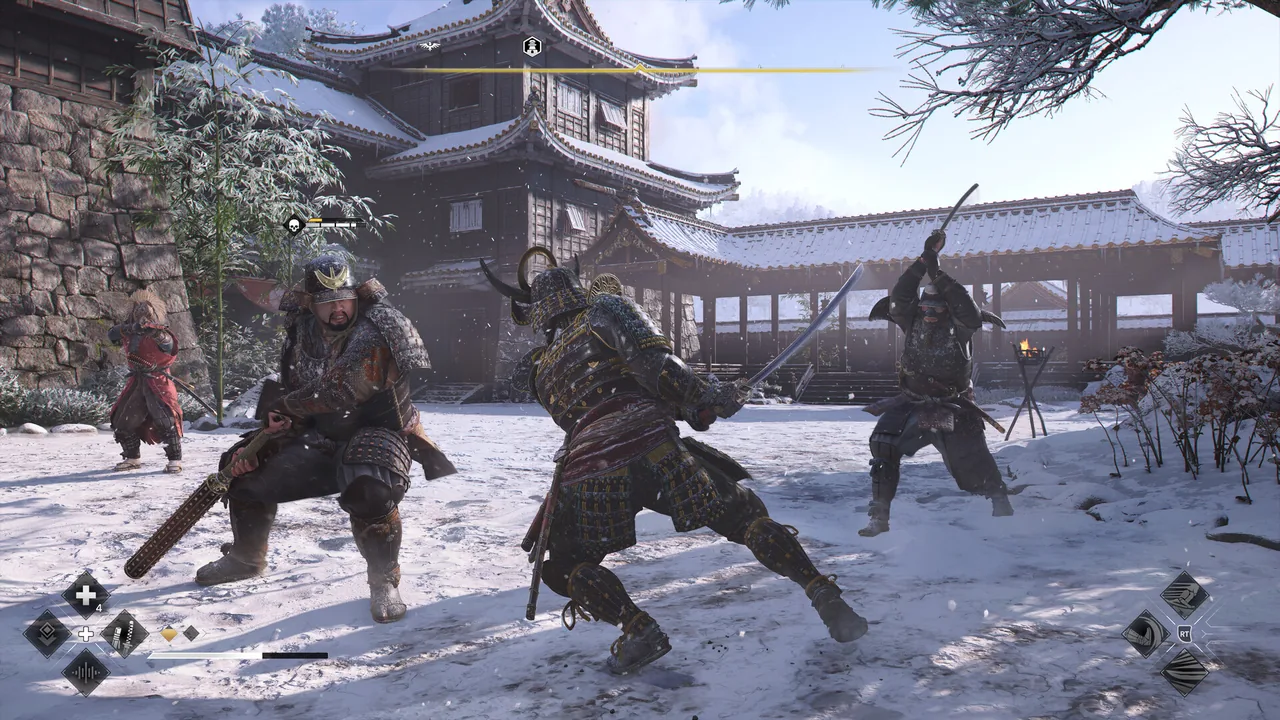
Naoe's stealth-focused gameplay draws its own sustained, specific praise, often explicitly contrasted with the slower Yasuke: "Naoe has more options in play-styles since she is quicker and can move around much better. Excellent fluid, natural movements and combat animations," one review states. Another, more pointed about the contrast: "Yasuke is a very cool character in the story but his gameplay is slow and boring. It's the exact opposite with Naoe. She's fast paced" and genuinely engaging — a specific, mechanical assessment echoed across a large share of the sample rather than a minority preference.
A real, consistently repeated "formula fatigue" complaint
What distinguishes this game's reception from simple praise-with-nitpicks is how consistently and specifically reviewers describe the same underlying structural problem. "Ubisoft has truly mastered one thing: selling the same game over and over again, just with a different postcard in the background. This time, the postcard happens to be Japan," one detailed review states, going on to describe the specific mechanism: "Climb towers. Reveal the map. Clear icons. Repeat." Another, similarly specific: "The world is vast but empty, the side content consist of very tedious fetch quests, there are a million characters with no depth or development." A reviewer with genuine series history frames the comparison precisely: "If Odyssey is a 10/10, this is a 5/10 on a good day. The difference is night and day. Odyssey constantly gave me reasons to keep exploring." That specificity — not vague "it feels like a chore" complaints but concrete, comparative descriptions of the same recurring structural pattern — is the clearest signal in the sample about the game's real weakness.
A verified gap between promise and practice
Separate from design criticism, this review can confirm a real, specific issue involving a public commitment Ubisoft made well before launch. Independent coverage from outlets including PC Gamer and TechRadar confirms Ubisoft explicitly stated, in response to pre-launch controversy over always-online requirements, that "Assassin's Creed Shadows will not require a mandatory connection at all times... you will be able to play the entire journey offline." That's a specific, dated, public promise. What this review's sample reports experiencing in practice tells a more complicated story: "Although they advertised the game as being playable offline on X/Twitter back in May 2024, every attempt I've made to do so is thwarted by the Ubisoft Connect launcher demanding to be reconnected to the internet," one detailed review states. A more severe account describes real, concrete harm: "I can't play this singleplayer game because of an issue with my Ubisoft Connect account. Support is taking their sweet time to respond, and according to some forum posts it might take up to a month," effectively locking a paying customer out of a game they legitimately own. This is a genuine, specific, verifiable gap between a public commitment and reported reality, distinct from vague "always-online bad" complaints seen elsewhere in the genre.
A real, specific monetisation complaint
A related, equally specific complaint concerns in-game monetisation. "Microtransactions in a single-player game with a 70 dollar price tag, why?" one review asks directly, while another describes the specific mechanism: "Dear Ubisoft, I will not buy 2500 HELIX [credits] (20 eur) to purchase a costume in-game after I spend 70 eur on it. Also, I will also not buy 4200 HELIX (35 eur) for an extra 5 skill points." That's a real, specific, checkable business practice — a paid virtual currency store layered on top of a full-price single-player purchase — worth reporting plainly rather than dismissing as generic anti-monetisation grumbling. A related, sharply worded complaint concerns the campaign's ending: "having played the game to the credits with the ending of the story of a $70 game left on a cliffhanger, so (I'm assuming) they can push another expensive DLC is wild," one review states, a specific structural criticism echoed by several others who describe feeling the base game's narrative was deliberately left incomplete.
A smaller, real thread about the series' identity
A quieter but recurring complaint concerns the franchise's traditional "modern day" framing story — the Animus and Templar conflict that has run through the series since its earliest entries. "The whole point of classic AC was the modern day story... that core story element" has been substantially reduced, one review states, a specific complaint about franchise identity distinct from the open-world structural fatigue discussed above, echoed by other longtime fans in the sample who feel the series has drifted from what originally distinguished it.
Where this leaves a buyer
At NZ$109.95, Assassin's Creed Shadows delivers genuine visual and mechanical achievement — Naoe's stealth gameplay and the game's feudal Japan setting earn real, specific praise throughout the sample, and Ubisoft's continued post-launch investment through expansions and patches is real. The honest, necessary context concerns three separable, real issues: a widely, specifically repeated sense that the open-world structure hasn't meaningfully evolved since the series' previous three entries, a verified gap between Ubisoft's public offline-play promise and what a meaningful share of players report experiencing in practice, and a real, specific monetisation model layered on top of an already premium price. Players who enjoy the established Assassin's Creed open-world formula and specifically want to play as Naoe are likely to find real value here. Players hoping for a meaningfully evolved structure, guaranteed offline reliability, or a self-contained story without a cliffhanger pushing paid DLC should weigh these real, documented concerns carefully before buying at full price.
Pros and cons
Pros
- Visual presentation draws consistent, specific praise, with the dynamic weather and seasonal system singled out repeatedly as a genuine technical and artistic achievement
- Naoe's fast, stealth-focused gameplay draws sustained, detailed credit as some of the strongest stealth design in the series' recent history
- The feudal Japan setting itself is widely, specifically praised as a natural, well-realised fit for the series, independent of other criticism
- Substantial post-launch content investment is real, with the "Claws of Awaji" expansion and continued numbered patches shipping well over a year after the base game's release
Cons
- A real, remarkably consistent "formula fatigue" complaint recurs across the sample, describing towers, map-clearing and repetitive side content largely unchanged from the three prior mainline entries
- This review can verify a real gap between Ubisoft's public pre-launch promise of full offline play and reviewer-reported practice, including account lockouts and forced reconnection via the mandatory Ubisoft Connect launcher and Denuvo DRM
- A real, specific monetisation complaint concerns an in-game Helix Credits store selling cosmetics and skill-point packages layered on top of the game's full NZ$109.95 price
- Several detailed reviews describe the campaign's ending as a deliberate cliffhanger, with specific, sharply worded criticism that it exists to sell a paid DLC continuation
Screenshots
-
Assassin’s Creed ShadowsImage: Ubisoft via Steam -
Assassin’s Creed ShadowsImage: Ubisoft via Steam -
Assassin’s Creed ShadowsImage: Ubisoft via Steam -
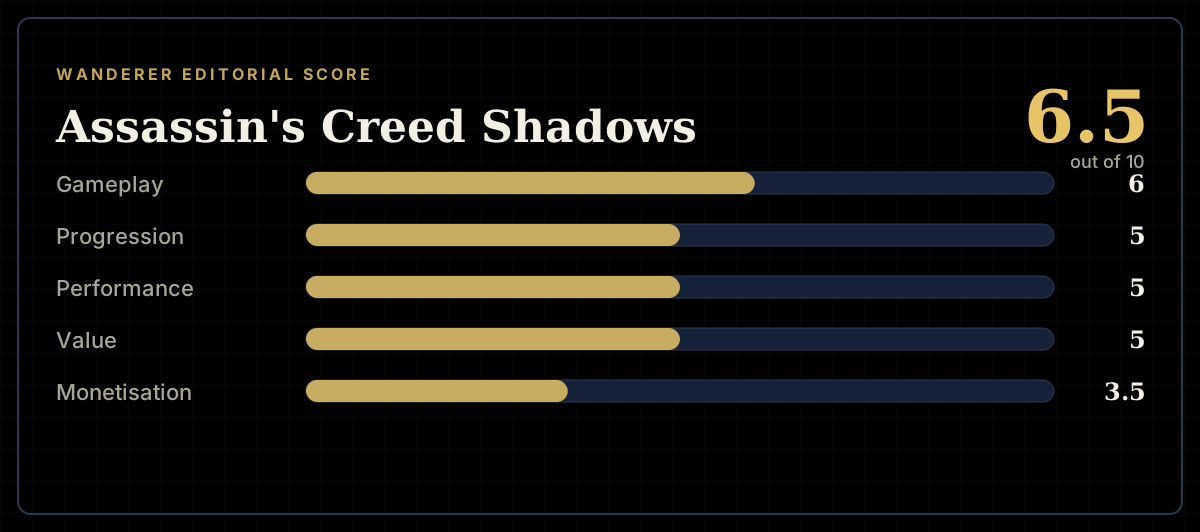
How the review scores each part of the gameWanderer Editorial -
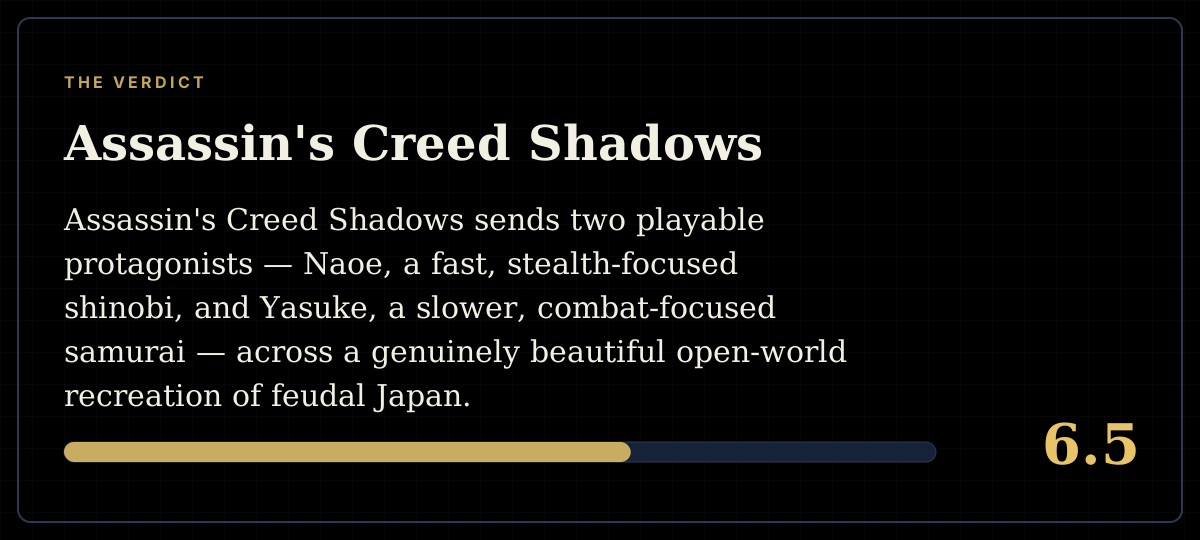
The short versionWanderer Editorial