Game review
DayZ
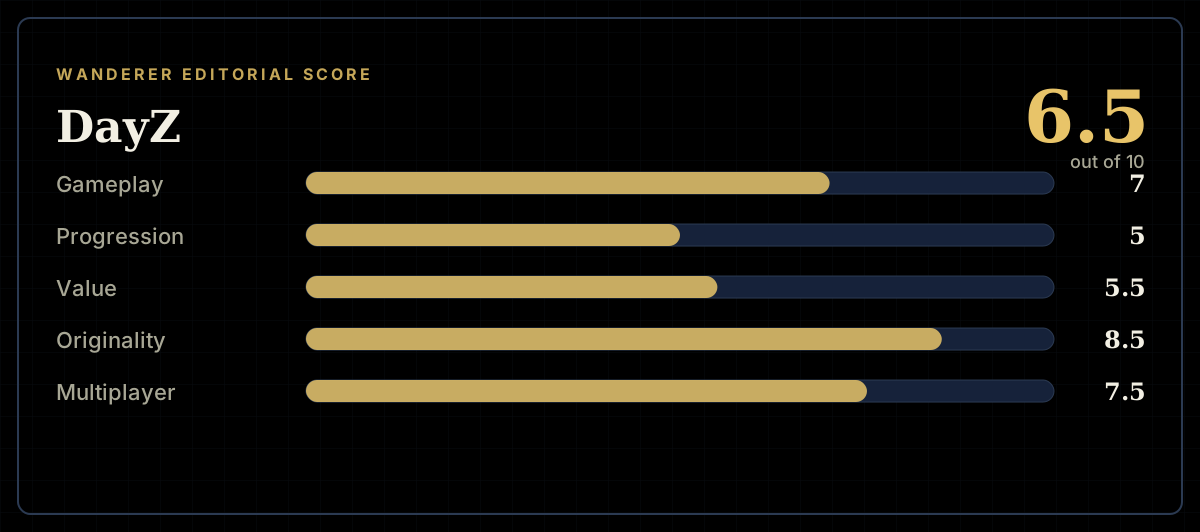
6.5 / 10
- Developer
- Bohemia Interactive
- Publisher
- Bohemia Interactive
- Released
- 13 December 2018
- Platforms
- Windows
- Genre
- Survival
- Monetisation
- Premium, one-off purchase; one paid map expansion (Livonia, sold separately) — no microtransactions
- Players
- Online multiplayer, PvP and co-op, official and community servers
The short version
DayZ still does the thing nothing else quite matches: drop you into a huge, unforgiving landscape with no map markers, no HUD to lean on and no story except the one you make with strangers, and let every encounter with another survivor carry the full weight of genuine, permanent risk. It's the game that essentially created this entire genre, and the tension of reading another player at fifty yards — friend, threat, or something in between — still hasn't been replicated as well anywhere else.
Its review history is dominated by a specific historical grievance: roughly five years spent in alpha and early access, accumulating some of Steam's most heavily-upvoted negative reviews from players who felt strung along. That corpus is largely a fossil of 2014-2018, not a verdict on the game seven years after its full release — recent reviews run measurably better than the lifetime score, even if the current complaints (a steep learning curve, technical friction, a price that hasn't dropped to match its age) are real and worth knowing before buying in.
Biggest strengths
- No map markers, HUD crutches or quest structure — survival information comes from observation and instinct, and it's still one of the purest expressions of that idea in the genre
- Player encounters carry real, permanent stakes, producing the kind of tense, improvised storytelling that originated this entire subgenre
- Two large, distinct, hand-crafted maps — Chernarus and Livonia — reward the kind of exploration and environmental reading the game is built around
Biggest weaknesses
- The most heavily-upvoted reviews in its history are a fossil of a roughly five-year alpha and Early Access period defined by slow, unfulfilled promises — a real, historically accurate grievance, but one that shouldn't be mistaken for a review of today's game
- The learning curve remains steep and largely unexplained, and recent reviews still describe it as close to impossible to enjoy casually without an experienced group
- Technical friction — connection errors, bugs on community servers, mod instability — is a recurring current complaint, not just a historical one
Who it's for: Hardcore survival and immersive-sim fans who want genuine stakes and are willing to learn a punishing, unforgiving system rather than have one explained to them — not a fit for anyone who wants a HUD, a tutorial, or a gentle introduction to the genre.
Our recommendation: Worth it for the specific experience only DayZ still offers, provided you go in knowing its reputation is split between a legitimate historical grievance about its alpha years and a genuinely current, still-brutal survival sandbox. Newcomers should expect a real learning curve and budget time to die often before anything clicks.
6.5 / 10
Before battle royale was a genre, before the survival-sandbox shelf on Steam was crowded with imitators, there was a mod for ARMA 2 that asked a simple, brutal question: what if dying actually cost you everything? DayZ became a standalone game, spent roughly five years in alpha and Early Access doing exactly that to its own community's patience, and fully released in December 2018. Seven years after that release, it's still one of the purest expressions of the genre it created — and still carrying a review history shaped as much by its own troubled adolescence as by the game it eventually became.
No map, no HUD, no mercy
DayZ's central conceit hasn't softened with age. There are no map markers, no mini-map, no navigational HUD guiding you anywhere — hunger, disease, body temperature and every other survival system are read through observation, a minimal toggleable interface, and your own accumulated instincts about the world. Loot is scarce and has to be physically found rather than granted, and the two included maps, the sprawling 230-square-kilometre Chernarus and the denser, secretive Livonia, are built to reward exactly that kind of patient, attentive exploration. Nothing about this design has been smoothed over for accessibility, and that's precisely the point: DayZ trusts you to learn its world the hard way, and largely refuses to compromise on that trust even now.
Why another player is still the scariest thing in the game
What DayZ does better than almost anything that followed it is turn other players into the actual threat. There's no safe multiplayer mode, no consequence-free respawn that erases what just happened — every encounter at range, every decision to trust or shoot first, carries real and often permanent weight. That's the foundation the entire "immersive survival sandbox" genre was built on, and DayZ's version of it, unpolished as parts of the execution can be, remains unmatched for the specific tension of not knowing whether the figure in the treeline forty yards away is about to wave or fire.
A reputation still paying for its own history
Read DayZ's most heavily-upvoted negative reviews and you're mostly reading 2014 through 2018: years of alpha-era frustration, broken development roadmaps, and — in more than one widely-shared review — genuine anger at paying full price for a game that took roughly half a decade to reach a 1.0 it had repeatedly promised sooner. Those reviews are articulate, often written by players with hundreds or thousands of hours invested, and they're a legitimate historical record of a real grievance. What they aren't is a description of the game as it exists today, seven years past that 1.0 release. Treating a review written during a half-decade alpha as current information about a long-since-shipped product is exactly the kind of fossil reading that misrepresents an old game's present state, and DayZ's Steam page is an unusually clear example of it: those reviews simply accumulated more votes over more years than anything written since had time to.
What current players are actually saying
The more useful signal is the recent sample. Pulling the 100 most recent English reviews shows 81% positive — measurably ahead of the 77.8% lifetime figure, which suggests the current build is better regarded than its historical average implies rather than worse. The negative reviews within that recent sample look different in character from the famous alpha-era complaints, too: shorter, more scattered, focused on a steep and largely unexplained learning curve for newcomers, connection and server errors, mod instability on community servers, and a price that several reviewers say feels steep for a seven-year-old release rather than anger at broken promises. That's a meaningfully different, more mundane set of problems than the ones DayZ is famous for, and it's the more accurate picture of what buying in today actually gets you.
A genuinely hard game, not just a demanding one
Steam's own achievement data underlines how unforgiving the moment-to-moment experience remains: even the most commonly earned achievement sits at just 34.4% of the playerbase, and the list drops into single digits and fractions of a percent well before it reaches anything resembling deep progression. That's consistent with a game built around frequent, often abrupt death rather than a steady climb, and it lines up with current reviewers describing DayZ as close to impossible to enjoy casually without an experienced group showing you the ropes.
Final verdict
DayZ remains a genuinely singular experience — the game that made permanent, player-driven stakes the centre of a survival sandbox, still doing that better than most of what it inspired, on two maps that reward the patient and punish the careless in equal measure. It settles at 6.5 rather than higher because the current, real complaints — a steep unexplained learning curve, ongoing technical friction, and a price that hasn't moved to reflect its age — are genuine costs today, not just an old grudge. But the old grudge is exactly that: old. Anyone weighing DayZ's score should weigh it against what current, recent reviewers are actually saying, not the five-year-old alpha frustration still sitting at the top of the pile.
Price and review data checked 5 August 2026.
If a persistent world with real stakes but a gentler on-ramp sounds more like what you're after, Wanderer trades DayZ's permadeath tension for steadier, more forgiving progression.
Pros and cons
Pros
- No map markers, HUD crutches or quest structure — survival information comes from observation and instinct, and it's still one of the purest expressions of that idea in the genre
- Player encounters carry real, permanent stakes, producing the kind of tense, improvised storytelling that originated this entire subgenre
- Two large, distinct, hand-crafted maps — Chernarus and Livonia — reward the kind of exploration and environmental reading the game is built around
- Recent review sentiment runs measurably ahead of the lifetime score, suggesting the current build is in better shape than its historical reputation implies
Cons
- The most heavily-upvoted reviews in its history are a fossil of a roughly five-year alpha and Early Access period defined by slow, unfulfilled promises — a real, historically accurate grievance, but one that shouldn't be mistaken for a review of today's game
- The learning curve remains steep and largely unexplained, and recent reviews still describe it as close to impossible to enjoy casually without an experienced group
- Technical friction — connection errors, bugs on community servers, mod instability — is a recurring current complaint, not just a historical one
- NZ$74.99 is a high price for a seven-year-old release, and recent reviewers frequently cite it as feeling steep relative to expectations
Screenshots
-
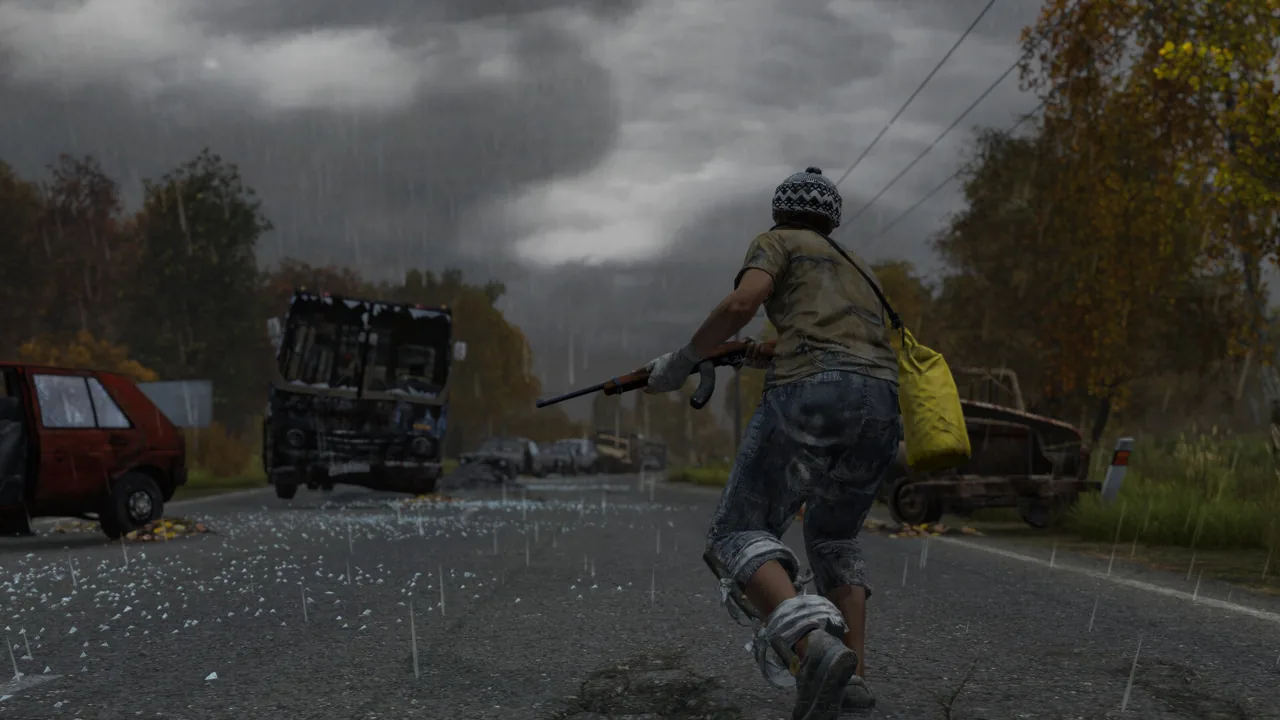
DayZImage: Bohemia Interactive via Steam -
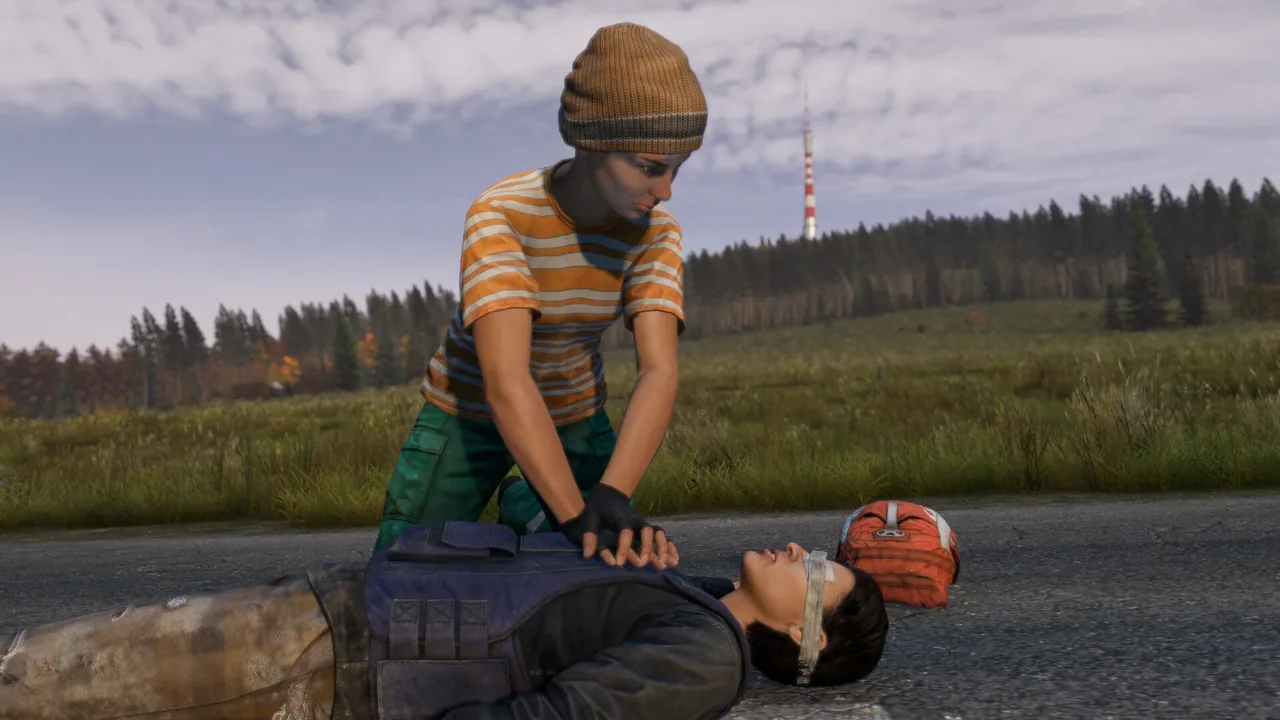
DayZImage: Bohemia Interactive via Steam -
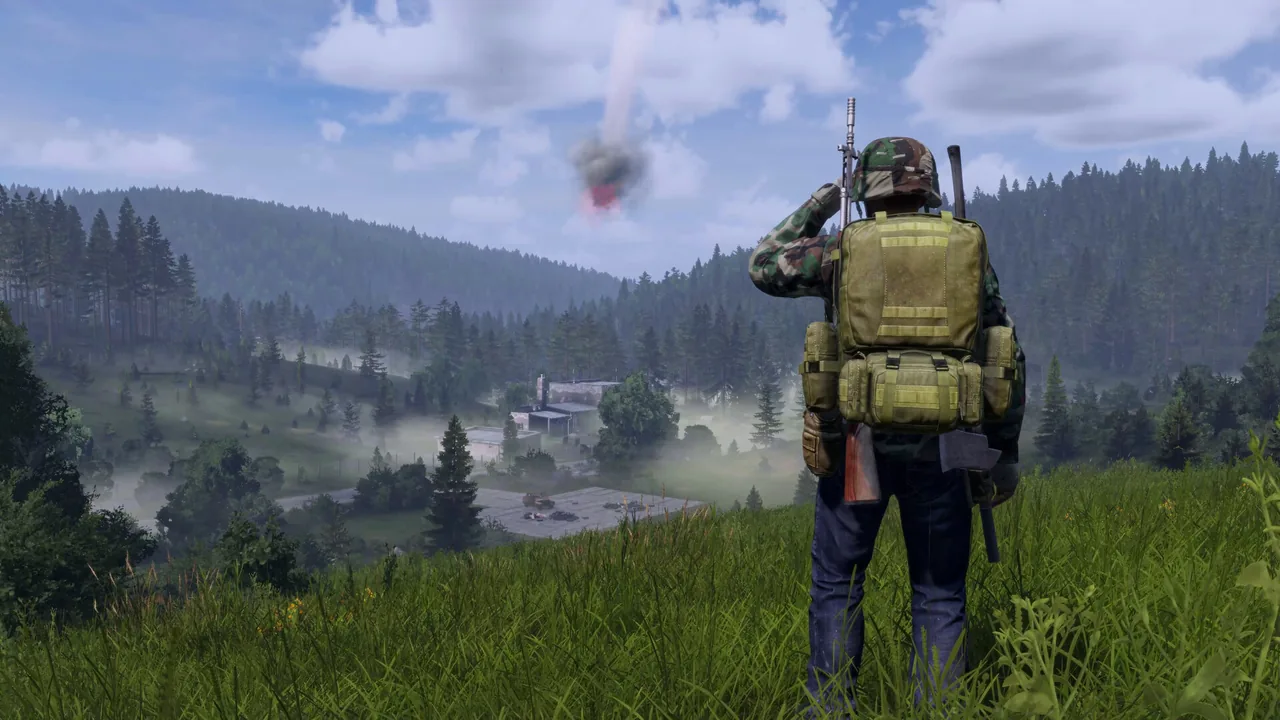
DayZImage: Bohemia Interactive via Steam -
How the review scores each part of the gameWanderer Editorial -
The short versionWanderer Editorial