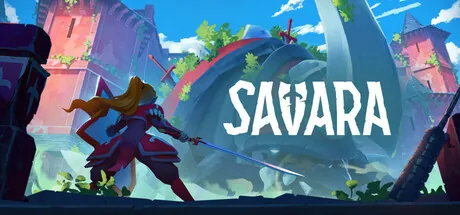
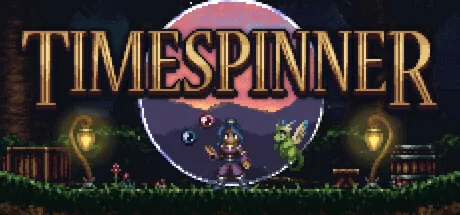
A free, Monty Python-flavoured rage platformer in the Getting Over It tradition, whose review section is mostly a running joke — but the two reviewers who wrote anything substantive independently flag the same real problem lurking under the intentional cruelty.
id Software's gunplay is close to universally praised even by critical reviewers, but a launch-era complaint about mandatory Rage Coin virtual currency gating DLC purchases has since largely faded, leaving a more durable, unresolved complaint about a short campaign and an open world reviewers across every year describe as colourful but empty.
A co-op PvE looter-shooter action RPG about squads of "Weavers" raiding hostile rifts for loot -- a Very Positive Early Access opener with a genuinely large review base, undercut for a vocal minority by an always-online requirement that costs solo players their progress on disconnect, and by a studio whose past Web3/NFT branding this review confirms is kept entirely separate from, and not required to play, the actual Steam game.
Reviewed the same day as its predecessor, this sequel trades Risen's dark, mystic fantasy world for a colonial pirate setting that a meaningful share of longtime fans describe as a worse, more streamlined direction — layered on top of a distinct, still-active crash bug tied to teleporting between towns, corroborated as recently as April 2026.
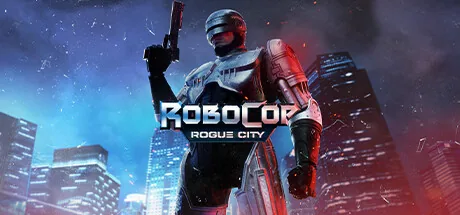
A faithful, genuinely loved power-fantasy shooter that nails what fans wanted from a RoboCop game, undermined by a chronic crash-and-corrupted-save problem that hasn't faded with age the way launch bugs usually do, compounded by publisher Nacon's real 2026 insolvency filing.
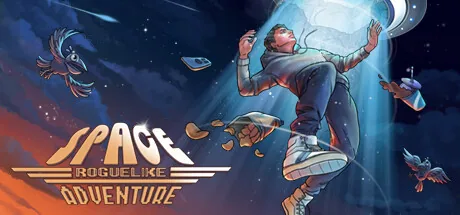
A single-run, high-score arcade roguelike that grafts Breakout's paddle-and-bricks loop onto item-build synergy from over 120 randomised pickups, with permadeath ending every attempt and no persistent carryover between runs. Released 5 August 2026 with no user reviews and no press coverage yet.
A "Hades meets Monster Hunter" action roguelite from a small team at Ankama, the studio behind Dofus and Wakfu, built around slower, methodical part-breaking combat rather than fast Hades-style dodging -- Very Positive across 236 English reviews for its art and weapon-swap mechanics, but dogged from launch through mid-2026 by thin initial content and hit-detection complaints that a full year of free updates hasn't fully resolved.
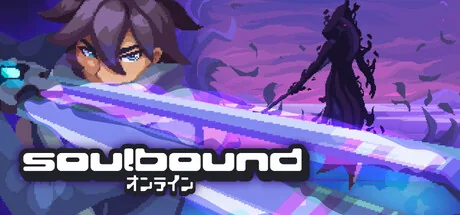
A pixel-art MMO built around reshuffling roguelite dungeons and a player-run overworld, launched into Early Access carrying the baggage of its previous life as an NFT game.
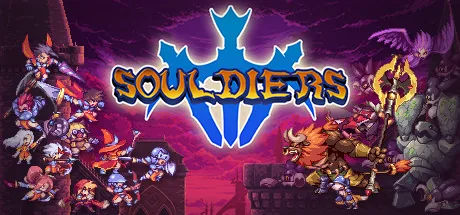
A gorgeous pixel-art metroidvania whose launch-week balance and bugs split its own playerbase into "before the patch" and "after the patch" camps, with a major June 2022 rework drawing as much detailed criticism from players who liked the original difficulty as the original release drew for being unbalanced.
A NZ$7.39 pixel-art sci-fi platformer whose energy-sword combat and moody planet-hopping presentation earn genuine, specific praise across its small but positive Steam corpus, undercut by a purchase-gated weapon ladder several reviewers call grindy and linear, five worlds that read as more similar than different, and a name that at least two players say oversells how much of a roguelike it actually is.
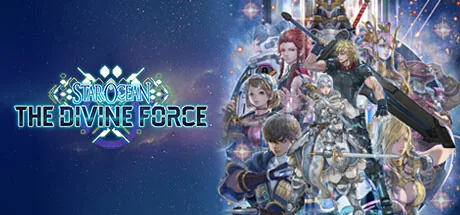
A promising sixth entry in tri-Ace's long-running sci-fantasy JRPG series that opens strong and, by wide reviewer consensus, loses momentum in its second half -- while a PC-specific performance regression from a since-abandoned patch keeps showing up in reviews years later.
A solo developer's entry into the Vampire Survivors mould gives its weapons a personality of their own, and arrives with a genuinely large unlock list for a two-day-old free release — the question this first look can't yet answer is how it plays at hour twenty.
A free-to-play hybrid of idle progression and top-down action RPG shooting whose distinctive "active idle" design — punishing players for leaving it running unattended — earns it a genuinely loyal, extremely high-hour fanbase while alienating anyone who came looking for a conventional idler.
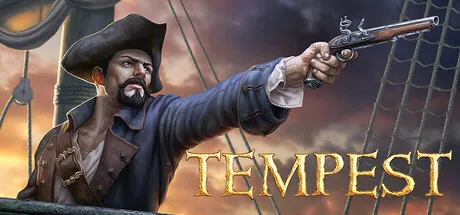
HeroCraft's open-world pirate action RPG sets you loose across three continents of real-time sailing, ship-to-ship broadsides and kraken hunts. Nearly a decade after launch it's still a genuinely good naval combat sandbox wrapped around a shallow melee layer, patched through some real bugs, and increasingly interrupted by promotional pop-ups for HeroCraft's other games.
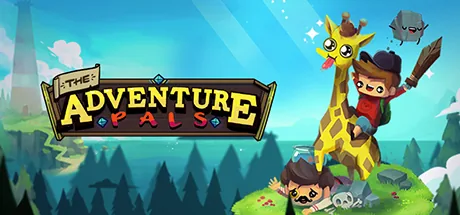
Massive Monster's debut -- a Flash-game-turned-commercial platformer about a boy, his pet rock and a giraffe with a helicopter tongue -- is Very Positive on Steam, but the studio's own next game, Cult of the Lamb, became the actual hit; eight years of reviews explain the gap with one word repeated more than any other: repetitive.
One of the most beautiful cyberpunk worlds ever built, wrapped around bugs that delete your save — reported in 2021, still reported in 2026, with an announcement feed containing five years of sales and no patch notes.
A solo/small-team pixel-art roguelike ARPG that opened to a torrent of goodwill in January 2025 -- same-day hotfixes, a warmly received early roadmap, comparisons to Octopath Traveler and Ragnarok Online -- and sustained nine months of real content updates before its news feed went quiet in October 2025, leaving a genuinely appealing but structurally shallow five-zone game that a growing number of 2026 reviews now call abandoned.
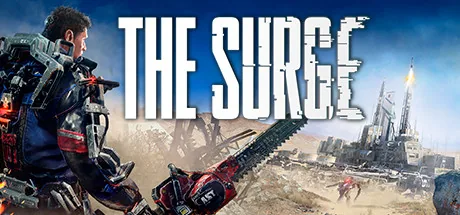
Deck13's sci-fi Souls-like introduced limb-targeting combat and an exosuit-crafting loop genuinely novel for the genre, and spent nine years being described in almost identical terms by its own fans -- a great first few hours undone by clunky combat and a back half that runs out of ideas.
Lunar Ray Games' Kickstarter-funded, Castlevania-inspired metroidvania is Very Positive on Steam, but its negative review sample splits into two genuinely different arguments -- one about real, specific shortcomings in combat, length and writing craft, and a separate, unusually large one objecting not to mechanics but to the game's prominent queer and trans representation.
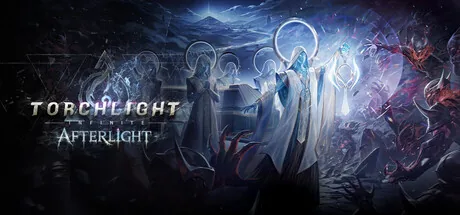
A free seasonal ARPG that borrows the Torchlight name and little of its soul, built instead around a genuinely deep hero-trait talent system, gacha pets that quietly cross the line the developer said it wouldn't cross, and a trade market that taxes you on the way out.
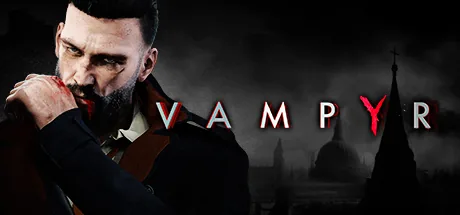
DONTNOD's narrative vampire-RPG draws real praise for its moral choice system and atmospheric London setting, undercut by a genuinely clunky combat system that's the single most common complaint in this outlet's sample, and a deliberate "commit to your choices" single-save design that several reviewers describe compounding real bugs into permanent, un-fixable stuck states.
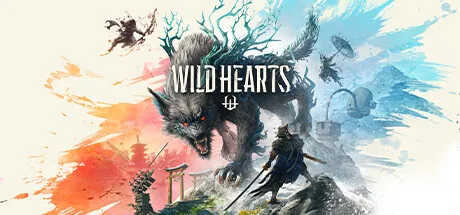
A genuinely inventive Monster Hunter rival, launched at a premium price in a state so broken that its own launch-week reviews accused EA of "buy now, patch later" — and, seven months on, EA reportedly considered ending support altogether, a story Steam's own aggregated press coverage keeps returning to years later.
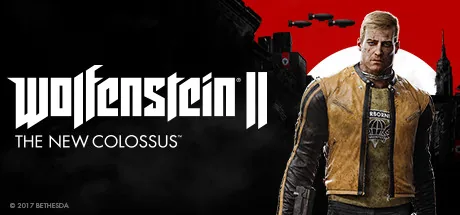
MachineGames' sequel brings B.J. Blazkowicz's fight against a Nazi-occupied America to Steam with genuinely praised gunplay and presentation, sitting Very Positive across nearly 50,000 reviews — undercut by a real, remarkably consistent "step down from The New Order" complaint about cutscene-heavy pacing and underdeveloped new characters, and by a specific, dateable technical incident this review can confirm: an August 2018 patch that broke previously-working video memory handling, which the developer then hotfixed within roughly five days.
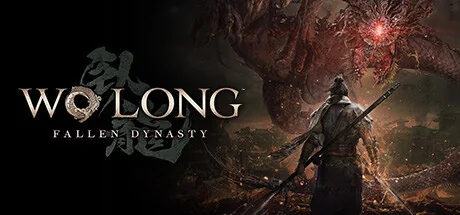
Team Ninja's fantastical Three Kingdoms take on the Nioh formula has real fans of its deflect-driven combat, but this review's negative sample is dominated by a catastrophic launch PC port — fps drops tied to specific in-game actions, including crashes on deathblows — that remained a proportionally large complaint well over a year after release.