Game review
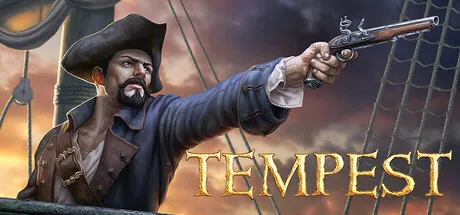
Tempest: Pirate Action RPG
6.5 / 10
- Developer
- HeroCraft
- Publisher
- HeroCraft PC
- Released
- 22 August 2016
- Platforms
- Windows, macOS
- Genre
- Action RPG
- Monetisation
- Premium, paid up front, with three optional paid expansion packs and a paid soundtrack sold separately after launch
- Players
- Primarily single-player by design — HeroCraft's own store page calls it "pure singleplayer" — with optional online co-op and open-world PvP for players who want to trade, quest or fight alongside or against each other
The short version
Tempest gets the one thing a pirate game absolutely has to get right, right: broadside combat against galleons, forts and sea monsters is tense, tactical and genuinely fun, and there's a huge amount of it spread across three continents of real-time ocean. It surrounds that core with a melee and boarding layer that never grows past "adequate," a story told through generic fetch-and-fight quest chains, and a handful of long-lived bugs that a near-decade of patches and three paid expansions still hasn't fully stamped out.
At its current price it's an easy recommendation for anyone who wants Sid Meier's Pirates! with a fantasy monster hunt bolted on and can tolerate rough edges. It's a harder recommendation for anyone hoping the melee, story or presentation carry equal weight — they don't, and HeroCraft built the whole game knowing it.
Biggest strengths
- Ship-to-ship combat is the real deal — wind, positioning, broadside timing and cannon choice all matter, and it stays tense from privateer sloops up to kraken and Leviathan fights
- Three genuinely large, explorable continents of real-time ocean, not a fast-travel map screen dressed up as one
- Deep ship and crew customization, from hull and figurehead cosmetics to crew members who level up from raw sailors into named specialists
Biggest weaknesses
- Melee and boarding combat is thin next to the ship battles, and several Steam reviewers single it out as the game's weakest system
- The "legends" quest chains that carry the story are generic fetch-and-fight structures, not the reason to play
- Long-standing bugs persist years after launch, most notably a world-map reset that forces re-exploring already-cleared regions
Who it's for: Naval-combat fans who want a real open world to sail rather than a mission-select screen, and anyone who liked the idea of Sid Meier's Pirates! or Assassin's Creed's ship battles but wanted much more of just that part
Our recommendation: Buy it on a sale — the base game holds up on the strength of its ship combat alone, but weigh whether the three DLC packs are worth it before adding them
6.5 / 10
Sid Meier's Pirates! has been the reference point for open-world pirate games for over two decades, and most of what has tried to follow it either shrinks the ocean into a mission list or buries the sailing under something else entirely. HeroCraft's Tempest, released in August 2016, takes the opposite bet: build the whole game around real-time ocean, spread it across three continents, and let a player sail, trade, plunder and hunt sea monsters for as long as they want before the main quest ever has to matter. Nearly a decade on — with three paid expansions, a 60 Metacritic score and a Mixed Steam rating built on genuinely divided opinion — that bet has mostly paid off, but not evenly across every system it touches.
The one thing it had to get right, it gets right
Cannon combat is where Tempest earns its keep. Ships handle with real weight — wind direction affects your speed and turning, broadsides have to be timed and angled rather than just pointed and fired, and the choice between round shot, chain shot, mortars and later flame weapons changes how a fight against a given target should be fought. A privateer sloop dies to two clean broadsides; a fortified port or an armored galleon takes real tactical patience, working an opponent's blind spots while managing your own hull and crew morale. HeroCraft's own pitch calls the game a "Naval Action Game" first, and the community pushback quoted in more than one Steam review — insisting Tempest isn't really "a pirate game," it's a naval combat game that happens to let you be a pirate — is a fair distinction and a compliment. The monster encounters raise the ceiling further: Kraken and Leviathan fights, and the tornadoes added in a later update, ask for different tactics again, and multiple long-time reviewers single out the Legend monster encounters as some of the strongest moments in the game.
Melee, boarding and the story wrapped around them
Off the deck, Tempest is a noticeably plainer game. Boarding an enemy ship drops you into third-person melee combat that reviewers describe with real consistency as shallow — serviceable for clearing a crew, not interesting to repeat for hundreds of hours the way the cannon fights are. One long-time player's review calls out a giant-crab encounter as close to unbeatable by design, a specific example of an encounter tuned for the wrong combat system. The story fares similarly: quests are told through multi-stage "legends" chains that reward the game's best artifacts, but the writing and pacing are functional pirate-fantasy furniture rather than a reason to keep playing on their own. Players looking for a Sid Meier's Pirates!-style character story, or an Assassin's Creed-style cinematic campaign, consistently report disappointment on that front; players who came for the ocean and the monsters tend not to mind.
A crew and a ship worth building
Progression is where Tempest's RPG half shows up properly. Crew members level from green sailors into named specialists, your ship can be rebuilt piece by piece — hull, sails, figurehead, flag colour — and there's a real difference in capability between an early sloop and a late-game warship kitted out for kraken hunting. It isn't a deep character-build system in the way a dedicated RPG would offer, but it gives the open-world sailing an actual sense of getting stronger rather than just getting further, and it's the system Steam reviewers with the largest playtime totals — several logging past a thousand hours, one past fourteen thousand minutes — point to as the reason they kept coming back. Global achievement data backs up how steeply that investment falls off for most owners, though: the most commonly earned achievement sits at only 33% of the player base, and every achievement past the first two drops to single digits, suggesting a large share of buyers bounce off well before the mid-game systems get interesting.
Three continents, real bugs, and now pop-up ads
The open world itself is the game's clearest structural strength — three regions, dozens of islands and forts, and genuinely limitless real-time sailing, with a fast-travel Global Map offered only as an option rather than the default. That scale has also been the source of Tempest's most persistent bug: several reviews, including ones written years apart, describe the world map periodically resetting already-explored fog of war, forcing a full re-exploration of regions the player had already cleared. It's not a fresh problem — one reviewer explicitly notes starting the game "long ago" and finding the same bug present on a recent return. More damaging to goodwill in 2026 is a newer complaint that has nothing to do with the sailing: multiple recent reviews describe pop-ups advertising HeroCraft's other titles interrupting play, with at least one reviewer citing it as the specific reason for a refund. A ten-year-old premium game surfacing ads for its publisher's back catalogue is a bad look regardless of how good the cannon fights are.
Three DLC packs and what they're actually worth
HeroCraft kept building on Tempest for years after launch — Treasure Lands (2017) and Jade Sea (2018) each add a new region with its own quests and monsters, and Pirate City (2019) adds a fourth continent focused on land-based colony play. A soundtrack release rounds out the storefront. At roughly a third of the base game's price each, none of the three is essential — the base game alone delivers the core loop reviewers actually praise — but for a player who's exhausted the starting three continents and still wants more of exactly the same systems, they're honestly priced rather than predatory, which is more than can be said for the pop-up ads sitting in the base client.
Verdict
Tempest is a genuinely good naval combat sandbox that never quite built an equally good game around it. The ship-to-ship fighting, the scale of the open ocean and the crew-and-hull progression are all worth the asking price on their own; the melee, the story and a lingering world-map bug are the reasons its Steam rating sits at Mixed rather than higher. Buy it for the sailing, expect the rest to be furniture, and don't be surprised if a promotional pop-up interrupts a broadside.
Pros and cons
Pros
- Ship-to-ship combat is the real deal — wind, positioning, broadside timing and cannon choice all matter, and it stays tense from privateer sloops up to kraken and Leviathan fights
- Three genuinely large, explorable continents of real-time ocean, not a fast-travel map screen dressed up as one
- Deep ship and crew customization, from hull and figurehead cosmetics to crew members who level up from raw sailors into named specialists
- A huge amount of content for the asking price — Steam reviewers regularly log hundreds to thousands of hours, and the base game alone covers most of what the DLC adds in kind if not in scale
- Fantasy elements (mystical crystals, meteor strikes, summoned sea monsters) give fights more variety than a strictly historical pirate game would allow
Cons
- Melee and boarding combat is thin next to the ship battles, and several Steam reviewers single it out as the game's weakest system
- The "legends" quest chains that carry the story are generic fetch-and-fight structures, not the reason to play
- Long-standing bugs persist years after launch, most notably a world-map reset that forces re-exploring already-cleared regions
- Recent player reviews report promotional pop-ups advertising HeroCraft's other titles interrupting play in a game that was already paid for up front
- Multiplayer is clearly a bolted-on option rather than a designed-for mode, and the game is at its best played alone
Screenshots
-
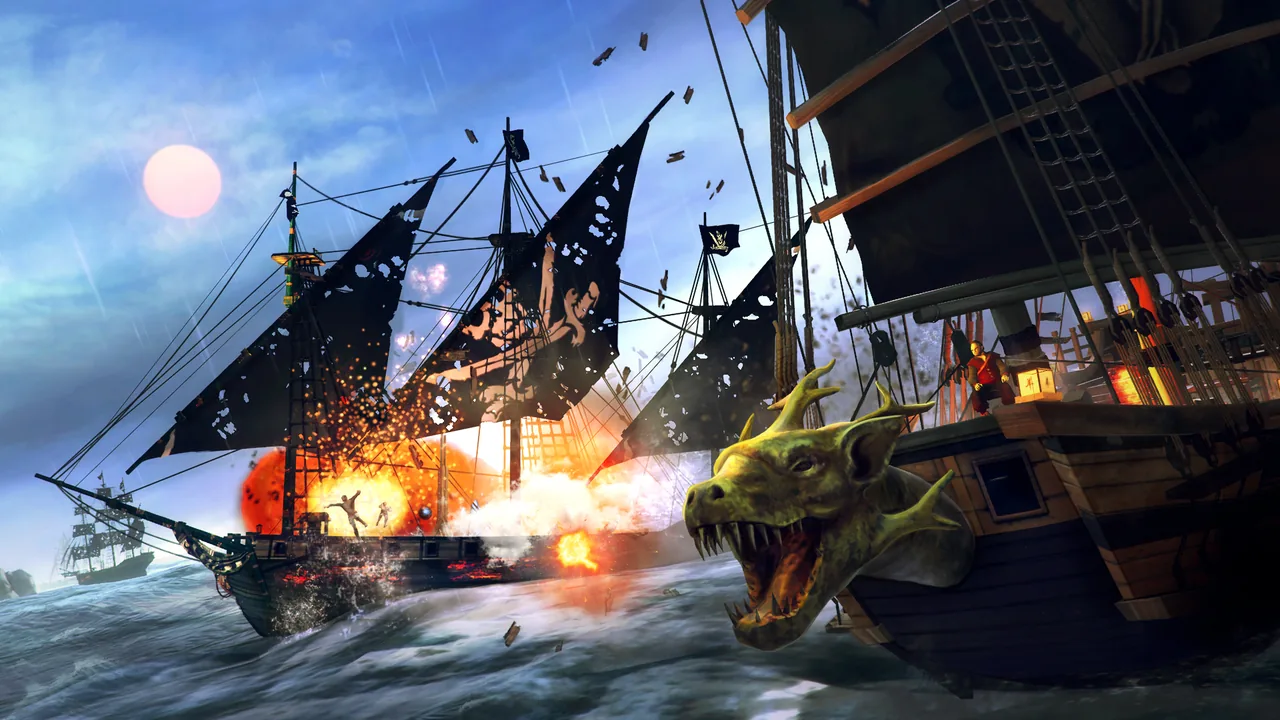
Tempest: Pirate Action RPGImage: HeroCraft PC via Steam -
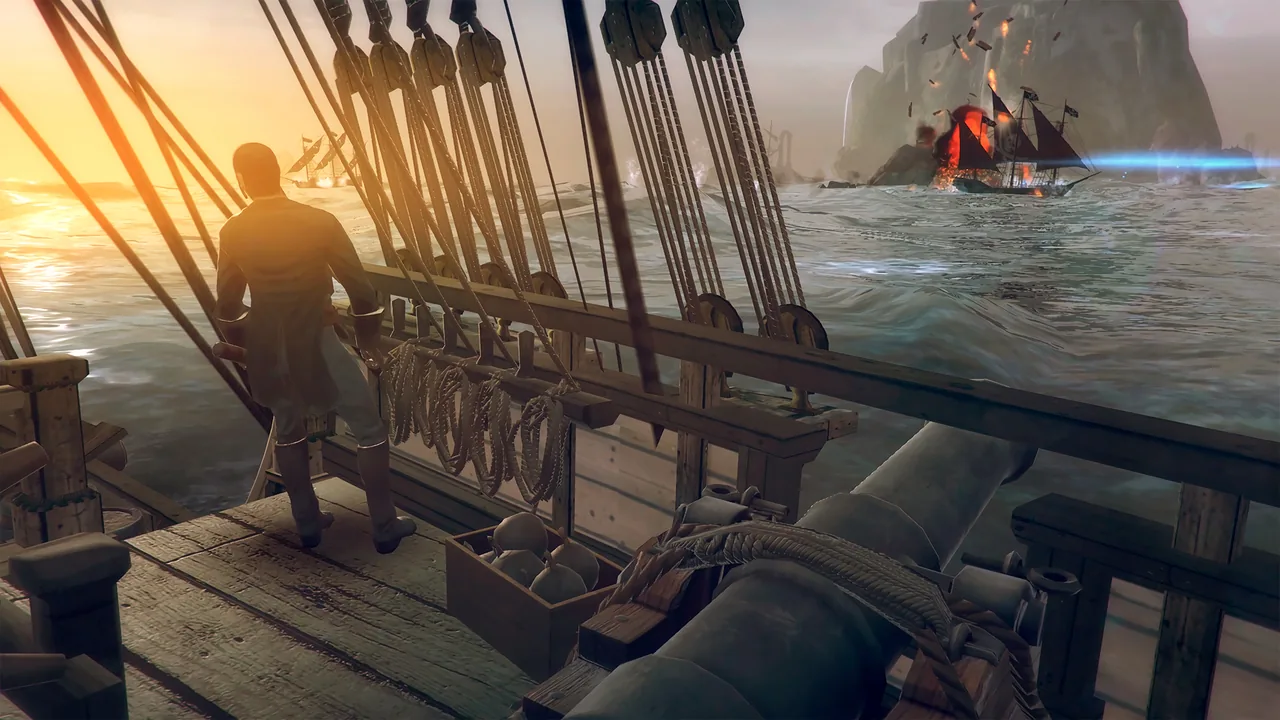
Tempest: Pirate Action RPGImage: HeroCraft PC via Steam -
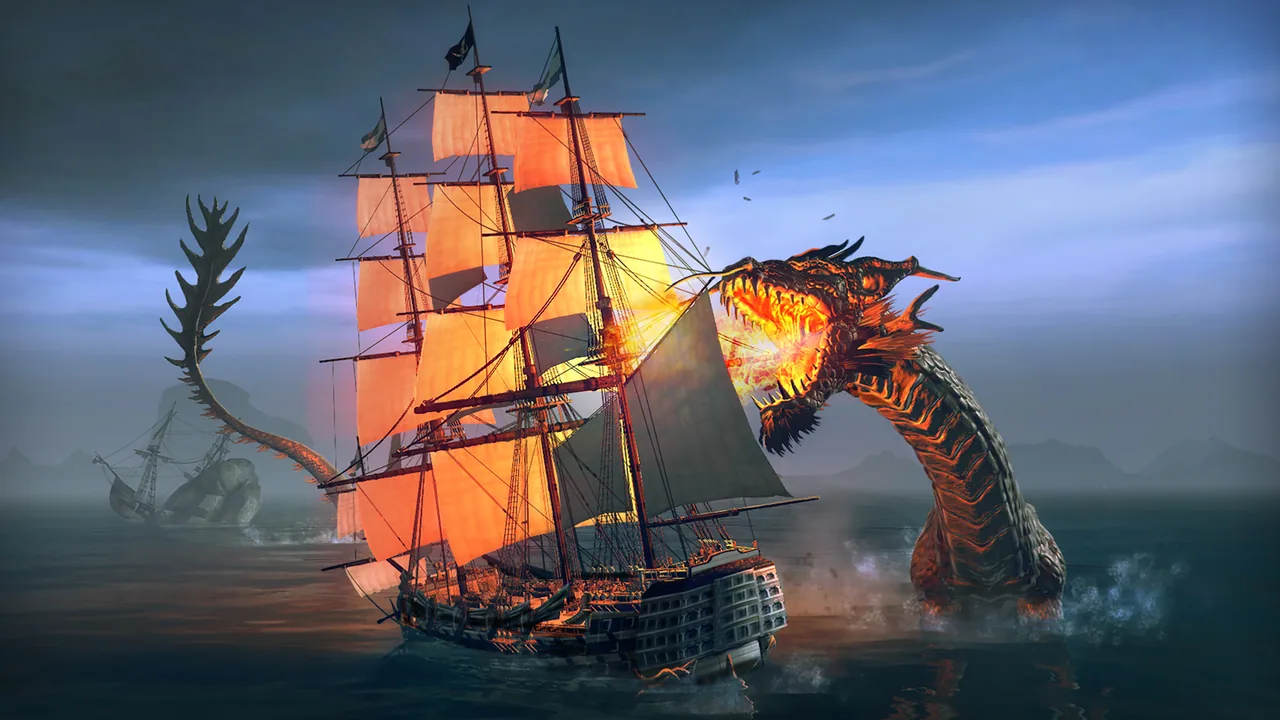
Tempest: Pirate Action RPGImage: HeroCraft PC via Steam -
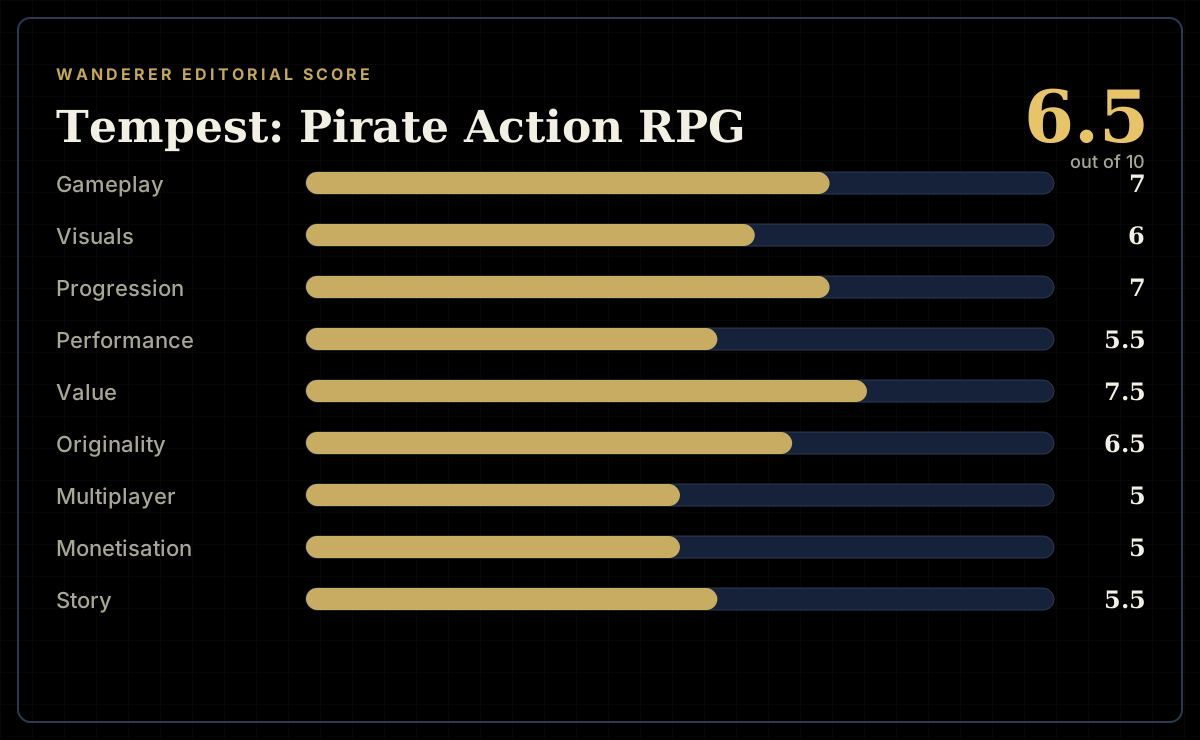
How the review scores each part of the gameWanderer Editorial -
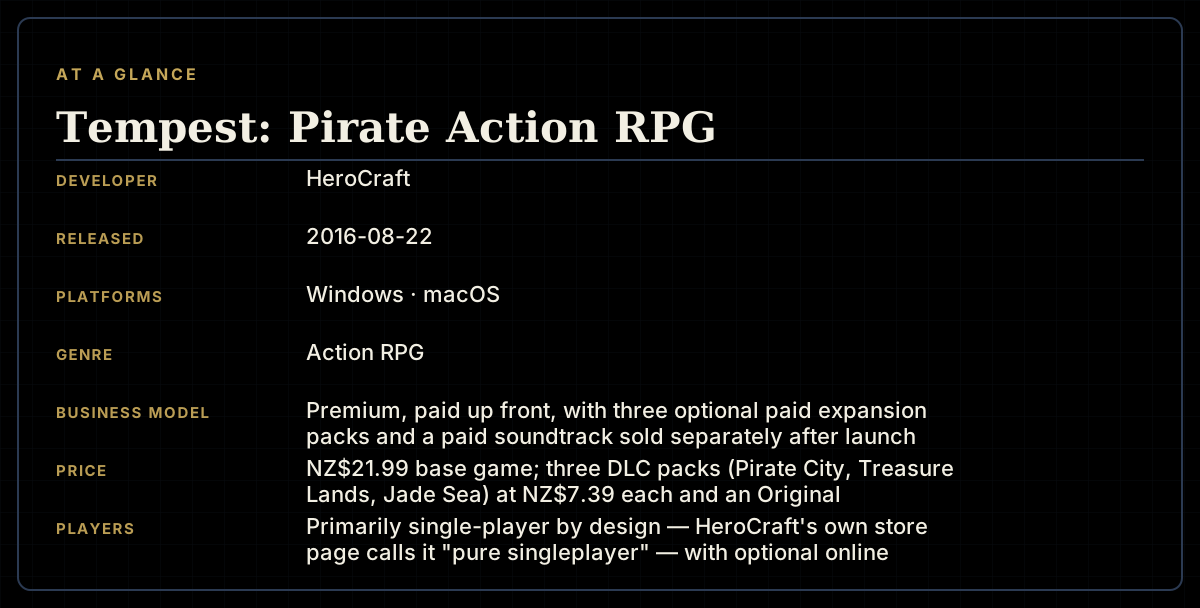
The specs at a glanceWanderer Editorial -
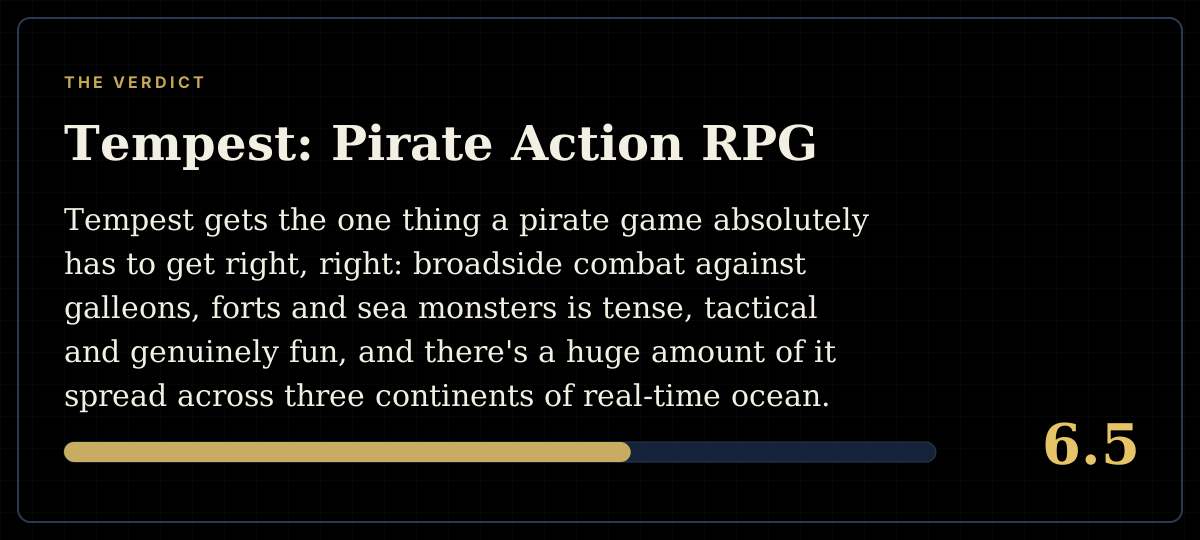
The short versionWanderer Editorial