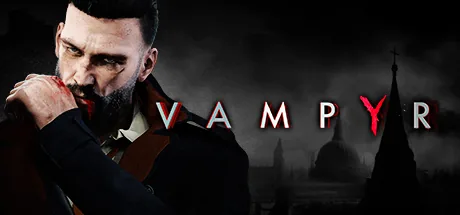
Game review
Vampyr
6.5 / 10
- Developer
- DONTNOD Entertainment
- Publisher
- Focus Entertainment
- Released
- 4 June 2018
- Platforms
- Windows
- Genre
- RPG
- Monetisation
- One-time purchase; a Hunters Heirlooms cosmetic DLC pack sold separately
- Players
- Single-player only
The short version
Vampyr is DONTNOD Entertainment's narrative-driven action RPG, published by Focus Entertainment, casting players as a newly-turned vampire doctor navigating 1918 London while deciding whether to feed on the citizens whose lives they've come to know. It sits at 76% positive ("Mostly Positive") across 11,697 English-language Steam reviews. This review read the 100 most-helpful negative reviews alongside the 100 most recent English reviews.
Combat is the single most common complaint in this review's negative sample, mentioned in 65 of the 100 negative reviews read, typically described as clunky or unsatisfying relative to the strength of the game's writing and atmosphere. A distinct, more severe complaint concerns the save system: Vampyr deliberately uses only autosaves, without a manual save or the ability to reload an earlier point, as a design choice meant to make players commit to their moral choices. This review found several reviewers describing that same design colliding badly with real bugs — a stuck NPC or a broken quest state becomes permanent and unrecoverable rather than something a reload can fix. "I encountered a game breaking bug during chapter 3. An NPC I was supposed to talk to got stuck behind a door and the deliberate lack of a save game function means there's no way to load an older save to fix it," reads one representative review. Recent sentiment has improved to 81% positive, suggesting the harshest technical problems have become less common, though this review found no evidence the underlying single-save design has changed.
Biggest strengths
- A genuinely distinctive moral choice system — deciding whether to feed on named NPCs whose lives and relationships you've come to know — that reviewers on both sides of the score credit as the game's standout idea
- Strong writing and dialogue, with reviewers who otherwise dislike the game still praising the atmosphere of 1918 London and the quality of individual character writing
- Recent sentiment (81% positive) has improved over the 76% lifetime figure, suggesting the harshest technical problems have become less frequent over time
Biggest weaknesses
- Combat is the single most common complaint in this review's negative sample, appearing in 65 of the 100 negative reviews read, typically described as clunky or frustrating relative to the game's narrative strengths
- A deliberate single-save, autosave-only design meant to make players commit to their choices compounds badly with real bugs — several reviewers describe getting permanently stuck with no way to reload and recover, rather than losing only a few minutes of progress
- This review found no evidence the underlying single-save design has changed since launch, even as broader sentiment has improved
Who it's for: Narrative RPG fans who prioritise story, atmosphere and moral choice over combat feel — go in aware of the single-save design, and consider it a real risk rather than just a stylistic quirk given how many reviewers describe it compounding actual bugs.
Our recommendation: Worth playing for DONTNOD's distinctive story and choice system, which even critical reviewers tend to credit — just understand upfront that combat is a genuine weak point and that the lack of a manual save carries real risk if you hit a bug.
6.5 / 10
Introduction
Vampyr is DONTNOD Entertainment's narrative-driven action RPG, published by Focus Entertainment and released on 4 June 2018 at NZ$69.99. Players take on Dr. Jonathan Reid, newly turned into a vampire during the 1918 flu epidemic, navigating a plague-ravaged London while deciding whether to feed on the citizens whose personal lives and relationships he comes to know as their doctor. It sits at 76% positive ("Mostly Positive") across 11,697 English-language Steam reviews. This review read the 100 most-helpful negative reviews of 2,766 total, plus a sample of the 100 most recent English reviews.
A strong idea, held back by weak combat
Combat is the single most common complaint in this review's negative sample, appearing in 65 of the 100 negative reviews read. "Next 'souls' like game where you hit once then dodge 10 attacks. Very poor combat. Whole concept of the game might be good, plot is ok, but finishing game is annoying," reads one representative 2026 review. This review found the pattern holds across nearly every year sampled: reviewers routinely credit the writing, atmosphere and moral choice system even while marking the game down specifically for how combat feels to actually play. "I hesitated between thumbs up or down... Story wise, the setting is nice, characters are interesting, dialogues are well written. Combat has its frustrations," reads a 2019 review reaching the same conclusion.
A deliberate design choice that can turn a bug into a dead end
A distinct, more severe complaint concerns Vampyr's save system. The game deliberately offers only autosaves, with no manual save and no way to reload an earlier point — a choice meant to make players live with the consequences of who they choose to feed on rather than save-scumming their way to a "perfect" outcome. This review found several reviewers describing that same design colliding badly with real technical problems. "I encountered a game breaking bug during chapter 3. An NPC I was supposed to talk to got stuck behind a door and the deliberate lack of a save game function means there's no way to load an older save to fix it," reads one review, describing losing access to that character's story entirely. Another: "my character is now stuck at level 1 and there is no way to level up from there," after a crash corrupted progress the player couldn't roll back. For a game built around narrative consequence, a bug that can't be reloaded away isn't a minor inconvenience — it can end a playthrough.
Verdict
Vampyr remains a genuinely distinctive narrative RPG whose moral choice system — deciding who lives and who feeds a hungry vampire's survival — draws real, consistent praise even from reviewers who can't fully recommend the game. What holds it back is a combat system this review found criticised more than any other single element, and a save design whose philosophical intent (making players live with their choices) can turn an ordinary bug into a permanently broken playthrough. Recent sentiment's improvement to 81% suggests the harshest bugs have become rarer, but the underlying single-save risk appears unchanged. Worth playing for the story and setting — just go in aware of what you're trading away by not being able to reload.
Pros and cons
Pros
- A genuinely distinctive moral choice system — deciding whether to feed on named NPCs whose lives and relationships you've come to know — that reviewers on both sides of the score credit as the game's standout idea
- Strong writing and dialogue, with reviewers who otherwise dislike the game still praising the atmosphere of 1918 London and the quality of individual character writing
- Recent sentiment (81% positive) has improved over the 76% lifetime figure, suggesting the harshest technical problems have become less frequent over time
- A hard mode that reviewers who enjoyed the combat describe as a genuinely engaging challenge once its systems are understood
Cons
- Combat is the single most common complaint in this review's negative sample, appearing in 65 of the 100 negative reviews read, typically described as clunky or frustrating relative to the game's narrative strengths
- A deliberate single-save, autosave-only design meant to make players commit to their choices compounds badly with real bugs — several reviewers describe getting permanently stuck with no way to reload and recover, rather than losing only a few minutes of progress
- This review found no evidence the underlying single-save design has changed since launch, even as broader sentiment has improved
- Some reviewers describe the difficulty balance as uneven, swinging between manageable and punishing depending on how much optional feeding a player is willing to do
Screenshots
-
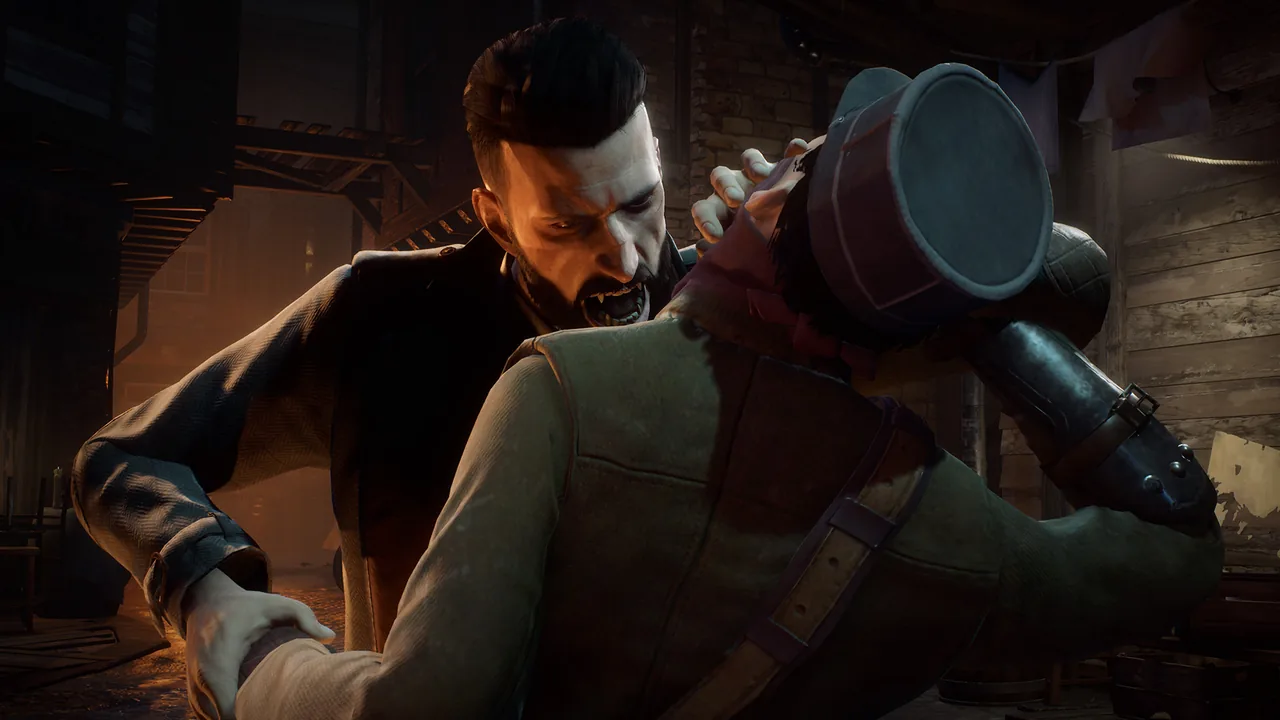
VampyrImage: Focus Entertainment via Steam -
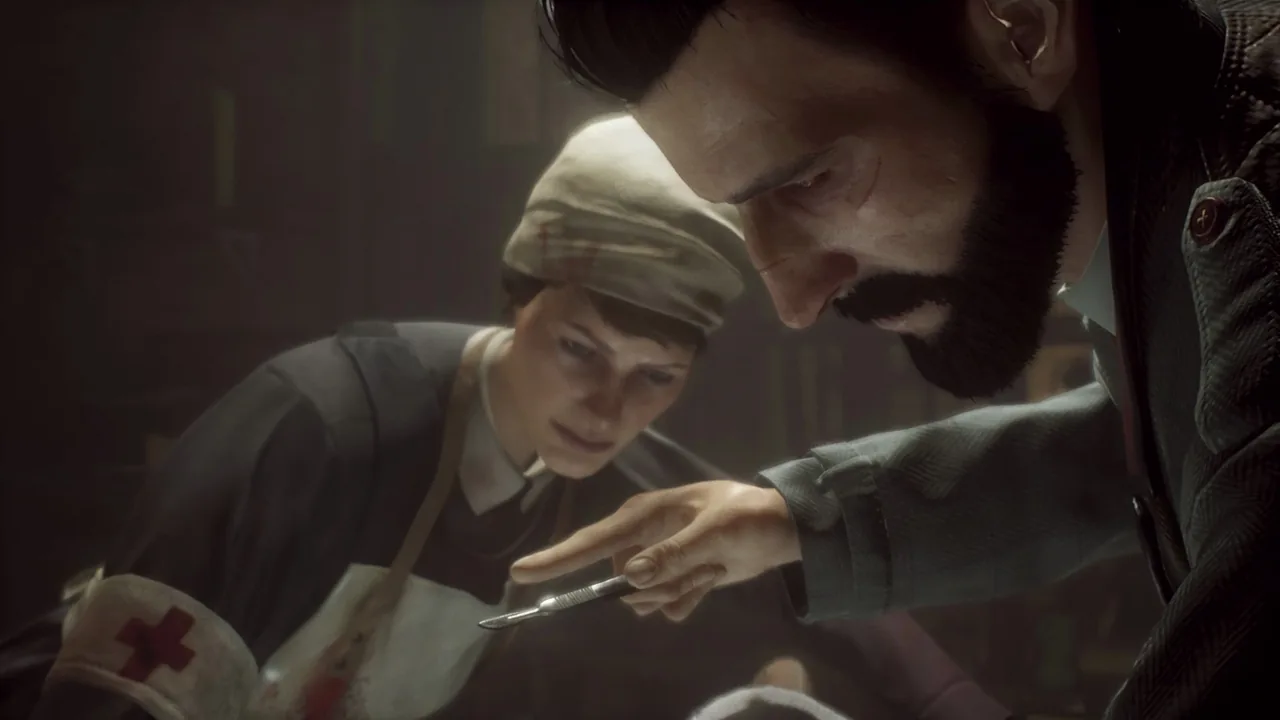
VampyrImage: Focus Entertainment via Steam -
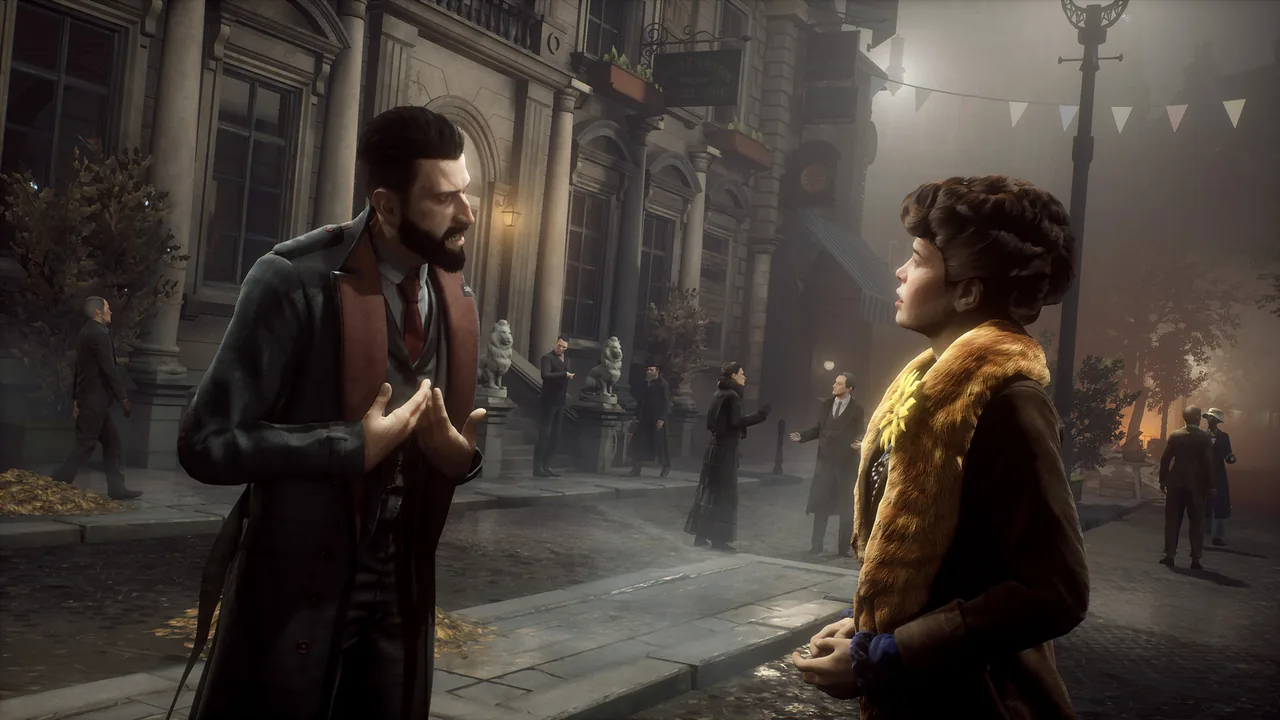
VampyrImage: Focus Entertainment via Steam -
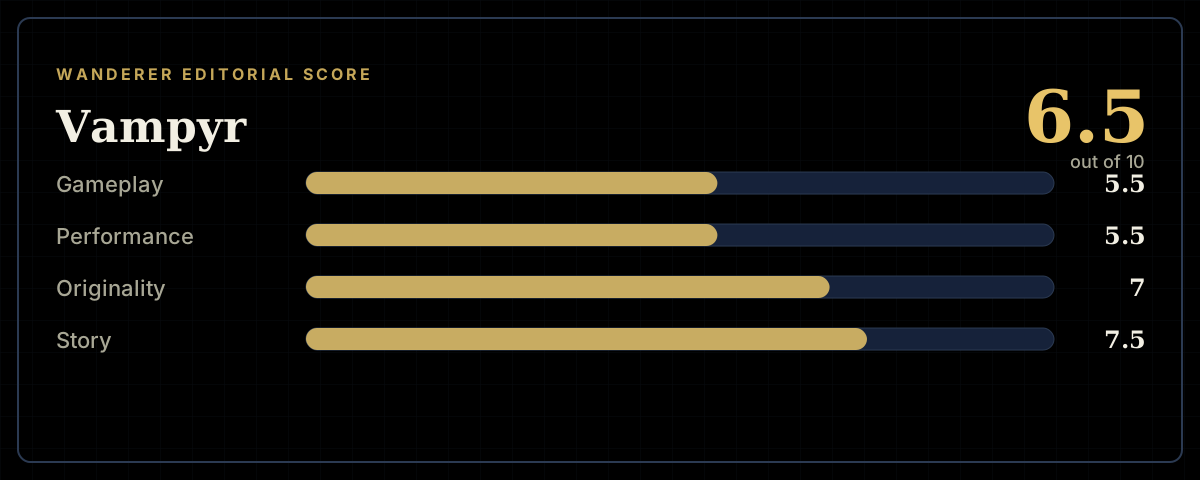
How the review scores each part of the gameWanderer Editorial -
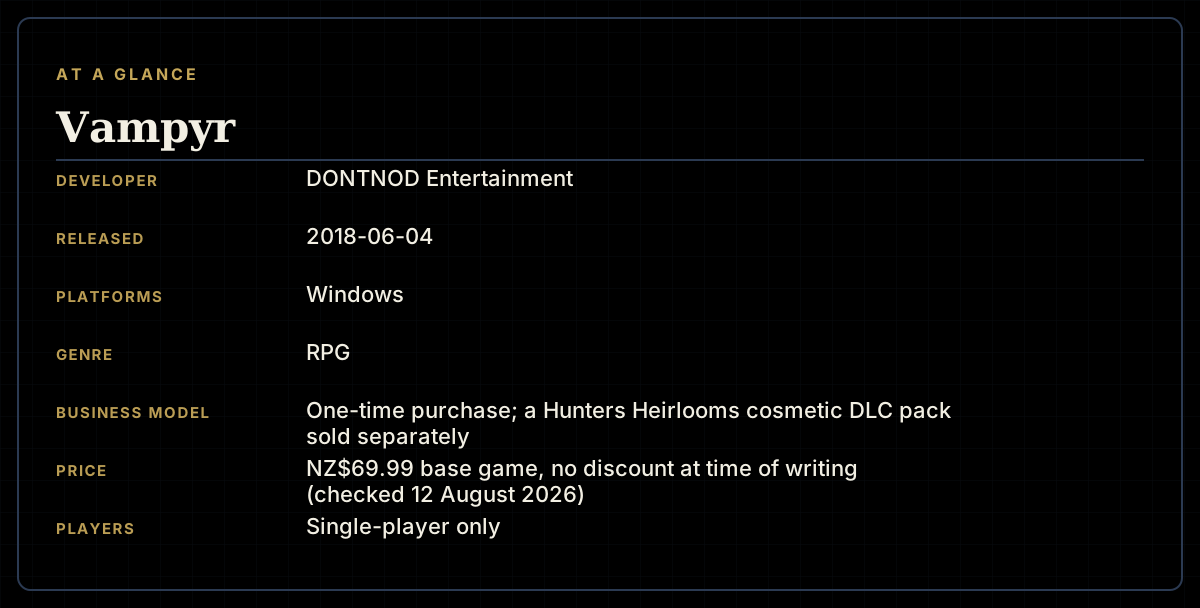
The essentials at a glanceWanderer Editorial -
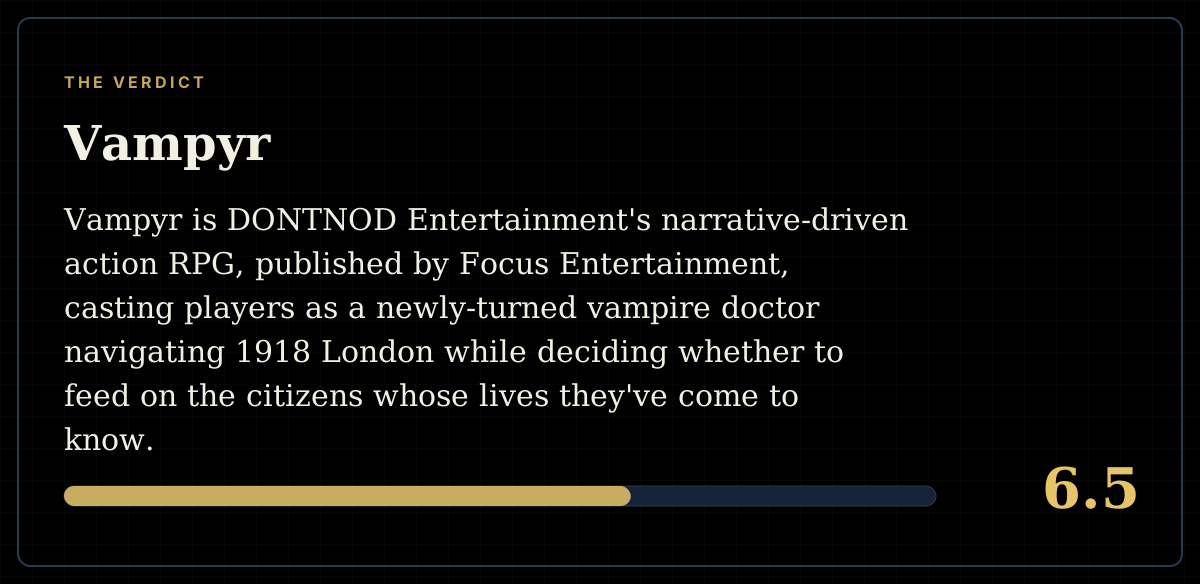
The short versionWanderer Editorial