Game review
RIFTSTORM
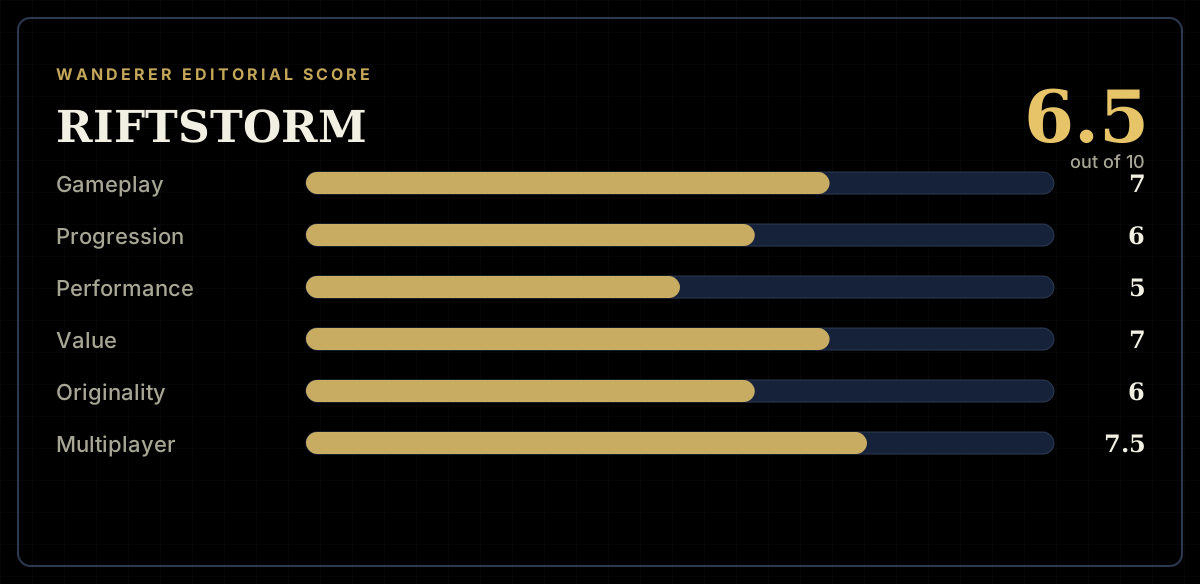
6.5 / 10
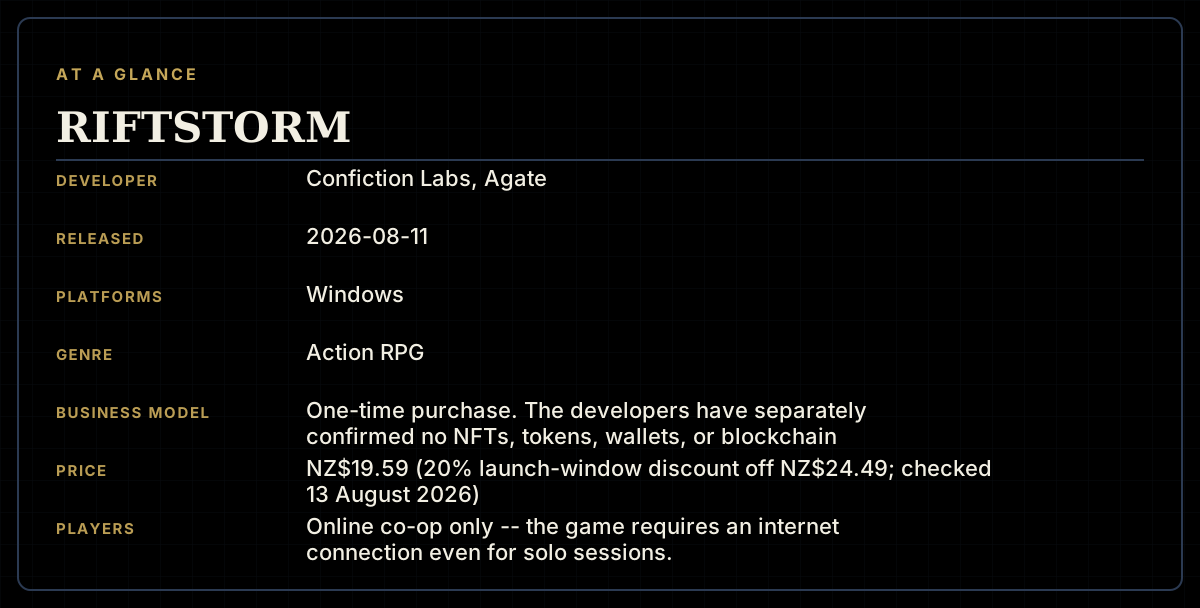
- Developer
- Confiction Labs, Agate
- Publisher
- Confiction Labs, Gamersky Games
- Released
- 11 August 2026
- Platforms
- Windows
- Genre
- Action RPG
- Monetisation
- One-time purchase. The developers have separately confirmed no NFTs, tokens, wallets, or blockchain transactions are integrated into the Steam game, and none are required to play, progress, or enjoy it, despite the studio's separate, external "Mythic Protocol" NFT ecosystem.
- Players
- Online co-op only -- the game requires an internet connection even for solo sessions.
The short version
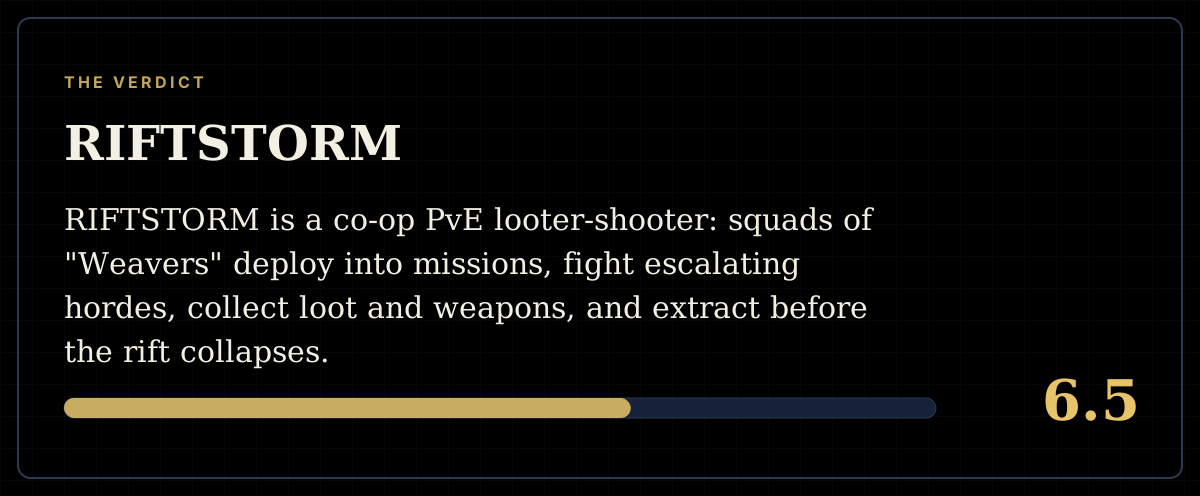
RIFTSTORM is a co-op PvE looter-shooter: squads of "Weavers" deploy into missions, fight escalating hordes, collect loot and weapons, and extract before the rift collapses. Confiction Labs and Agate put it into Early Access on 11 August 2026 after roughly three years of closed playtesting, and it opened to Very Positive, 84.6% of 136 English reviews -- a genuinely large and substantive sample for a two-day-old Early Access launch.
The clearest, most consistent complaint concerns its always-online requirement: the game cannot be played, even solo, without a stable connection, and a drop mid-mission costs all progress with no rejoin option -- "if your internet drops during a map, you immediately get kicked out of the game and lose your progress," reads one widely-upvoted review. A second recurring complaint targets a specific design choice: gear takes permanent damage if you fail or quit a mission, which multiple players call punishing enough to stop playing entirely. Separately, this review confirms directly from the developers' own statement that no NFT, wallet or blockchain interaction of any kind is present in or required by the Steam game, despite the studio's separate external NFT collection tied to the same fictional universe.
Biggest strengths
- A large, genuinely substantive opening review base for a two-day-old Early Access release, Very Positive across 136 English reviews, with detailed, specific accounts rather than shallow launch-hype impressions
- Reviewers consistently praise the co-op structure specifically -- shared tutorial missions, "no Co-Op connectivity Issues" for one player, and genuine excitement comparing it favourably to Arc Raiders for offering PvE intensity without PvP risk
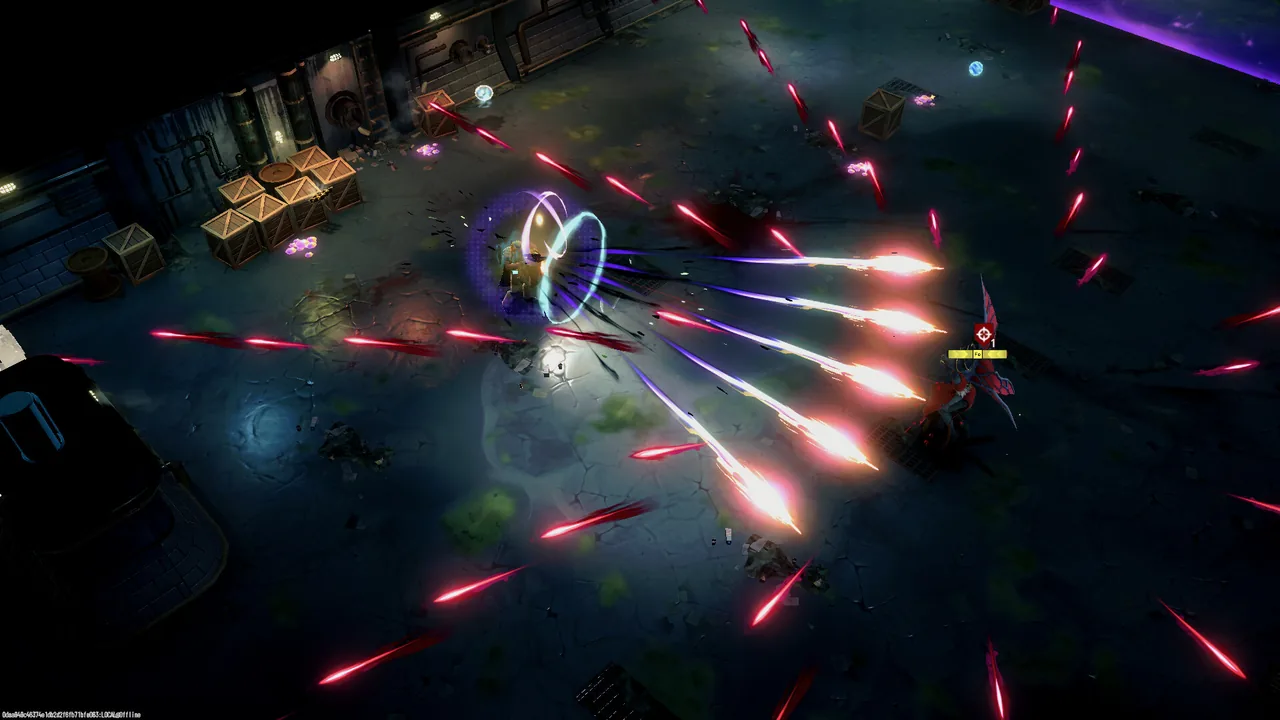
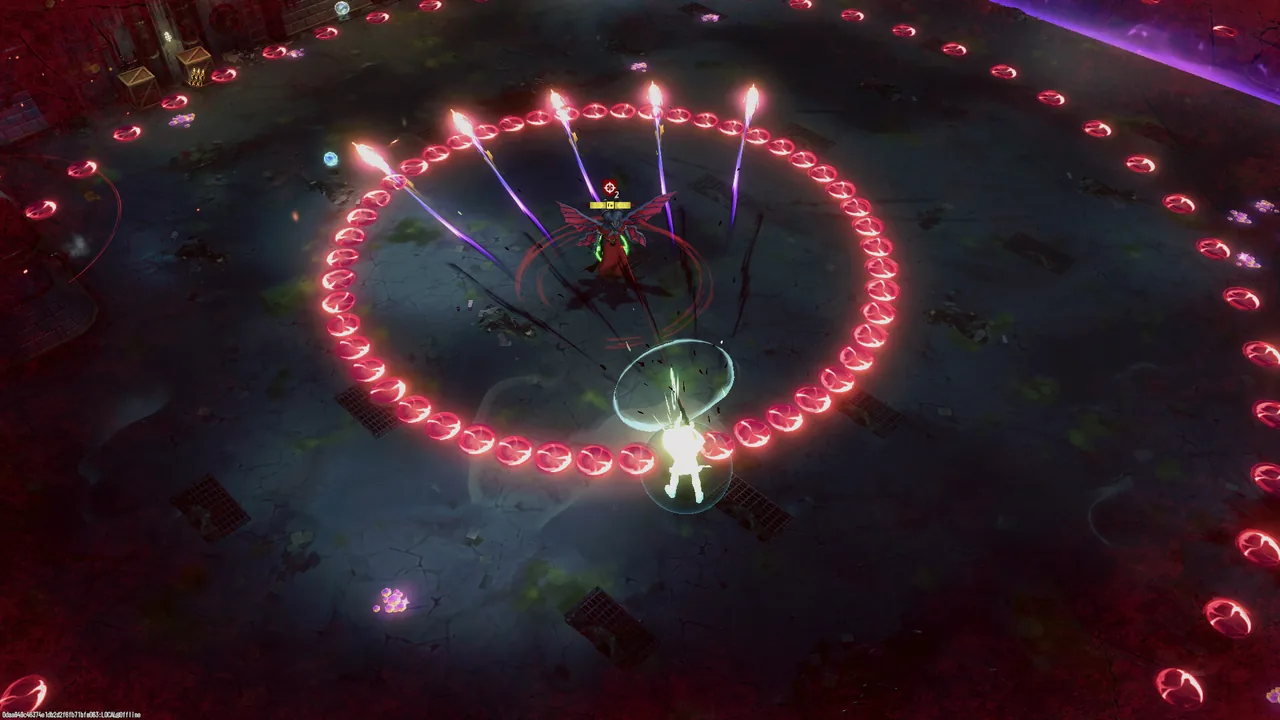
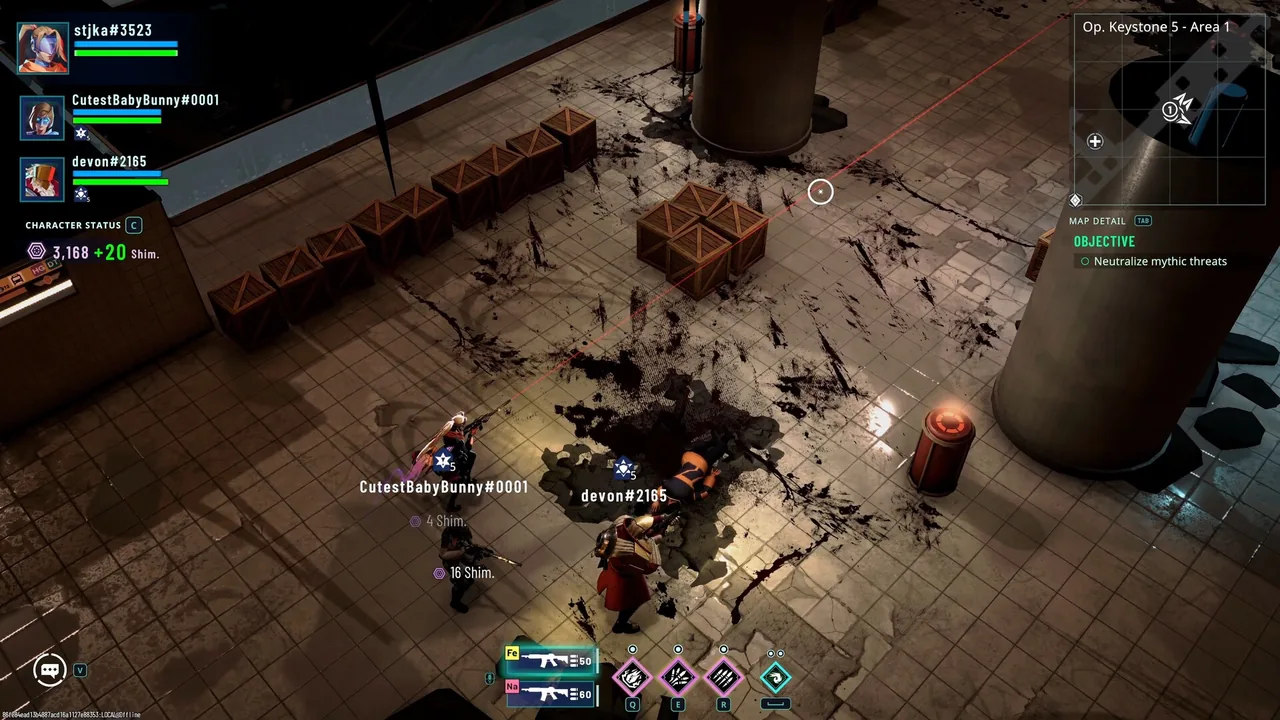
- Strong presentation credited repeatedly: distinctive art direction, an "AMAZING" soundtrack per one reviewer, and chaotic, satisfying twin-stick combat with real build variety through perks and crafted weapon enhancements
Biggest weaknesses
- Always-online even in solo play is the single most-repeated complaint, with a connection drop mid-mission costing all progress and no rejoin option -- a serious structural design choice rather than a bug
- Gear takes a permanent damage debuff if a mission is failed or abandoned, a mechanic multiple reviewers call unfun enough on its own to stop playing, distinct from and layered on top of the connectivity problem
- Widespread performance complaints -- lag and low frame rates even on capable hardware -- though many reviewers report a specific fix (setting thread count to 2 in Settings) resolves it, and several note that negative reviews written before discovering the fix likely overstate the game's current state
Who it's for: Co-op looter-shooter fans -- think Arc Raiders without the PvP, or a roguelite-adjacent Diablo -- who have a stable, reliable internet connection and don't mind Early Access rough edges. Not for anyone who wants to play solo offline, or anyone who would find permanently damaged gear after a failed mission a dealbreaker rather than a manageable annoyance.
Our recommendation: A promising Early Access co-op shooter with real potential and an unusually large, largely positive opening reception -- worth it at NZ$19.59 if you play with a group and have reliable internet, but go in aware of the always-online requirement, the weapon-damage-on-fail mechanic drawing real backlash, and performance issues that many players report fixing with a specific in-game settings change (thread count set to 2).
6.5 / 10
RIFTSTORM sends squads of "Weavers" into collapsing rifts to fight escalating hordes, grab whatever loot they can carry, and get out before the rift closes for good -- co-op PvE looter-shooter structure, twin-stick combat, crafted weapon upgrades, the works. Confiction Labs and Agate put it into Early Access on 11 August 2026, following what the developers describe as roughly three years of closed playtesting, for NZ$19.59 on a launch discount (checked 13 August 2026). Two days later it had already accumulated 136 English-language reviews at Very Positive, 84.6% -- an unusually large and detailed opening sample for an Early Access title barely 48 hours old, publisher Gamersky Games' marketing reach doing real work here.
A genuinely well-liked co-op loop, and a real optimisation fix worth knowing
The praise arriving in RIFTSTORM's first two days is specific rather than generic hype. Several reviewers frame it directly against Arc Raiders, this year's dominant extraction-adjacent shooter, and land on RIFTSTORM's side of a real distinction: "I love Arc Raiders and honestly get so tired of the PvP, so I've been looking for games without that and this is a fun one," reads one review. "This gets the same intensity of 'oh **, oh , oh **!' going as Arc." Another reviewer specifically credits the game's onboarding design: "After 1 solo intro mission, you get to play with friends. Continue to unlock more and do more tutorial stuff TOGETHER... more games should do this." Presentation draws consistent praise too -- "the guns feel good, combat is spot on and the soundtrack is AMAZING," reads one enthusiastic review, while another simply calls the loadout system "brimming with potential."
The most useful thing buried in the review corpus, though, is a practical fix for the loudest technical complaint. Many negative reviews describe severe lag and frame drops, sometimes on capable hardware -- but a striking number of positive reviews independently report the same fix: "Open Options, Select Settings, Change Thread Count to 2. This resolved the issue for me," reads the single most-upvoted review in the entire sample, with 75 helpful votes. A second reviewer makes the point explicit: "For an early access game it had more polish than I expected... if you have severe frame rate dips or crashes post-tutorial, changing the thread count to 2 should fix it. That's the biggest issue, otherwise I had an absolute blast." A third goes further, describing actively updating their own opinion: "I gave it a 2/10 at one time because it was crap. They won me over and now will update my review." Read together, this suggests the game's Very Positive score, while genuinely earned, may still be understating current quality for players who haven't found the workaround yet -- and that the developers have an obvious, well-documented fix worth pushing harder in default settings or a patch.
Always online, and gear that punishes failure
Set against that goodwill are two structural design complaints raised specifically and repeatedly, distinct from ordinary Early Access bugs. The first, and most common across the negative sample, is that RIFTSTORM requires an internet connection at all times -- including for entirely solo sessions -- with no way to pause or rejoin after a disconnect. "Always online. Game can't be started or played without internet. If your internet drops during a map, you immediately get kicked out of the game and lose your progress," reads the most-upvoted negative review, with 36 helpful votes. A separate reviewer frames it as the single dealbreaker: "why in the holy hell is this underdeveloped / unfinished indie game ONLINE ONLY? I can't play a single map without disconnecting and with no rejoin option you literally lose all the items and progress you made." A third simply can't pause during solo play: "why tf can't you pause this game while playing solo, what is this always online BS... I literally can't get up when on a run in this game." This is a design choice, not a bug, and a meaningfully costly one for anyone without rock-solid internet or who wants to step away mid-session.
The second complaint concerns a specific mechanic: weapons take a permanent damage debuff if you fail or abandon a mission. "Pls get rid of the damaged wep mechanic on fail/quit mission. Getting my gear debuffed permanently is not fun at all," reads a review with 24 helpful votes, adding "not wanting to play the game for failing 1 mission is crazy... that's my one and only feedback and I'm not coming back to this game unless it gets removed or changed." A separate reviewer describes hitting the mechanic through what reads like a bug rather than a fair loss: "there is one mob in the game that grabs you and you have to spam F to be released. It doesn't even do anything when you spam the F... You get murdered by all the other mobs while this one holds you, making you fail the mission and [say] goodbye [to your] weapon." Layered on top of the always-online risk of losing an entire run to a connection drop, permanently punishing gear for an unrelated category of failure is the kind of design decision that reads as needlessly harsh even to reviewers who otherwise like the combat.
A smaller but real thread of criticism questions the game's genre identity against its marketing: "the game feels neither rogue-like nor an extraction shooter," reads one review. "It's more a twin-stick looter shooter with half-baked missions." Character customisation draws a similar complaint -- "you don't get to play classes, what you have instead are gender-locked characters that have zero personality to them," according to a detailed 21-hour review.
The Web3 question, addressed directly
RIFTSTORM's developer, Confiction Labs, has a documented history in blockchain gaming -- a separate NFT collection called XPSR-24 tied to the same "Occultical" fictional universe as this game, and a past "soft-staking" system letting NFT holders earn in-universe experience. That history shows up in at least one Steam review, which speculates darkly about the game's future direction: "the blockchain aspects will probably force this into a P2W title in the future." This review went looking for the current, factual answer rather than repeating that speculation, and found it in an official, pinned developer statement on the game's own Steam Community forum: "RIFTSTORM does not contain, and will not add: NFTs or blockchain transactions... No NFTs, tokens, wallets, blockchain transactions, or crypto processing are integrated... You will not need to own an NFT, use a wallet, purchase a token, or interact with an external web3 product to play." The same statement confirms the XPSR-24 collection is "100% separate from the game" and entirely optional.
That's worth reporting plainly rather than either alarmist or dismissive: the Steam version of RIFTSTORM, as verified directly against the developer's own public statement, does not require or contain any blockchain component today. Whether a studio with this specific business history stays that way through a multi-year Early Access period is a fair thing for a cautious buyer to keep watching, and this review can't promise an answer to that -- but the claim that the current game is gated by or dependent on crypto assets is not supported by what's actually shipping.
6.5 out of 10. RIFTSTORM is a promising, well-produced co-op looter-shooter that opened to a genuinely large and largely enthusiastic Early Access reception, with real, specific praise for its combat feel, presentation and co-op onboarding -- and a documented, fixable performance issue that appears to be inflating its negative review count beyond what the underlying game deserves. Its always-online requirement and its punishing gear-damage-on-failure mechanic are real, structural design choices drawing consistent, credible pushback, not passing Early Access noise, and worth weighing seriously before buying if either matters to you. The Steam release itself is confirmed free of any NFT or blockchain requirement despite its developer's separate Web3 ventures. At NZ$19.59, a reasonable bet for a co-op-minded group with reliable internet, watched cautiously as Early Access continues.
Pros and cons
Pros
- A large, genuinely substantive opening review base for a two-day-old Early Access release, Very Positive across 136 English reviews, with detailed, specific accounts rather than shallow launch-hype impressions
- Reviewers consistently praise the co-op structure specifically -- shared tutorial missions, "no Co-Op connectivity Issues" for one player, and genuine excitement comparing it favourably to Arc Raiders for offering PvE intensity without PvP risk
- Strong presentation credited repeatedly: distinctive art direction, an "AMAZING" soundtrack per one reviewer, and chaotic, satisfying twin-stick combat with real build variety through perks and crafted weapon enhancements
- Confirmed, direct developer statement that the Steam game contains no NFTs, wallets or blockchain transactions of any kind and requires none to play, despite the studio's separate external Web3 project tied to the same universe
Cons
- Always-online even in solo play is the single most-repeated complaint, with a connection drop mid-mission costing all progress and no rejoin option -- a serious structural design choice rather than a bug
- Gear takes a permanent damage debuff if a mission is failed or abandoned, a mechanic multiple reviewers call unfun enough on its own to stop playing, distinct from and layered on top of the connectivity problem
- Widespread performance complaints -- lag and low frame rates even on capable hardware -- though many reviewers report a specific fix (setting thread count to 2 in Settings) resolves it, and several note that negative reviews written before discovering the fix likely overstate the game's current state
- Several reviewers describe the moment-to-moment gameplay as more generic twin-stick shooter than the roguelike or extraction-shooter feel the marketing implies, with gender-locked characters offering little build identity beyond weapon choice
- The developer's broader business includes a separate NFT collection (XPSR-24) tied to the same fictional universe, which at least one reviewer worries could foreshadow pay-to-win systems later -- a speculative concern this review cannot confirm or rule out, but one worth knowing the studio's history to weigh for yourself
Screenshots
-
RIFTSTORMImage: Confiction Labs via Steam -
RIFTSTORMImage: Confiction Labs via Steam -
RIFTSTORMImage: Confiction Labs via Steam -
How the review scores each part of the gameWanderer Editorial -
The essentialsWanderer Editorial -
The short versionWanderer Editorial