Game review
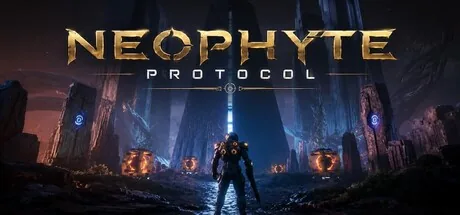
Neophyte Protocol
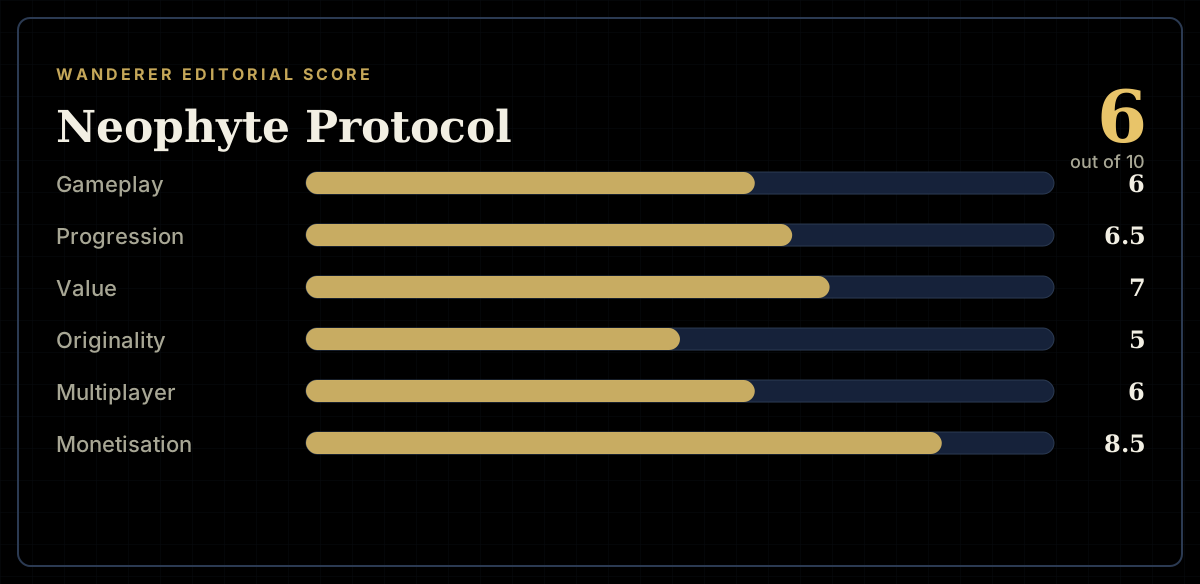
6 / 10
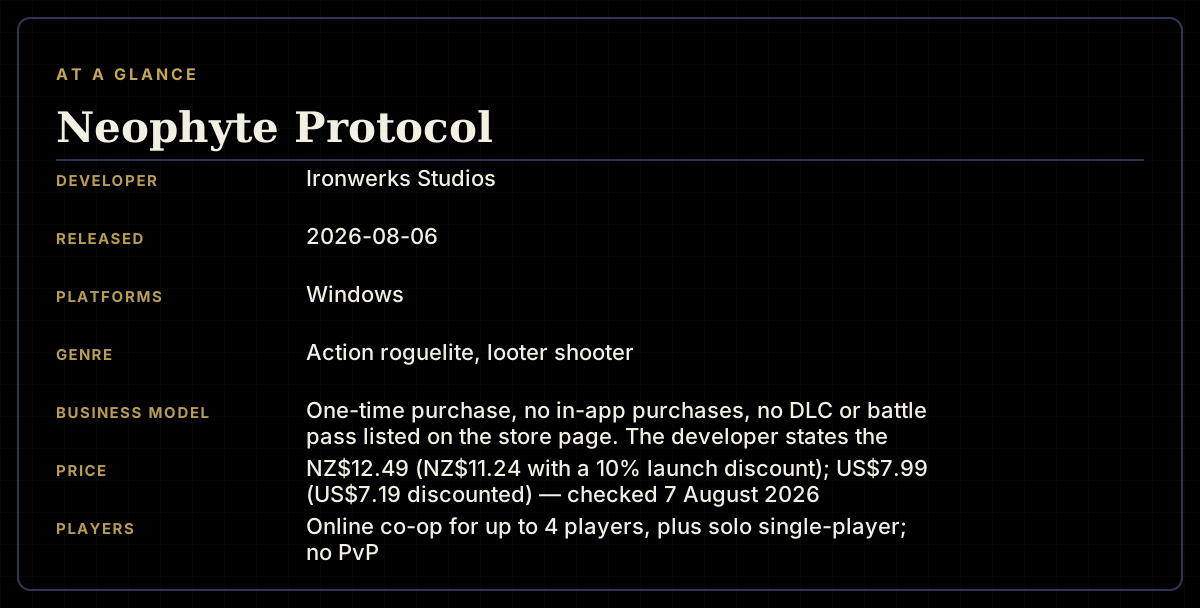
- Developer
- Ironwerks Studios
- Publisher
- Ironwerks Studios
- Released
- 6 August 2026
- Platforms
- Windows
- Genre
- Action roguelite, looter shooter
- Monetisation
- One-time purchase, no in-app purchases, no DLC or battle pass listed on the store page. The developer states the game is deliberately priced lower during Early Access and will cost more at 1.0.
- Players
- Online co-op for up to 4 players, plus solo single-player; no PvP
The short version
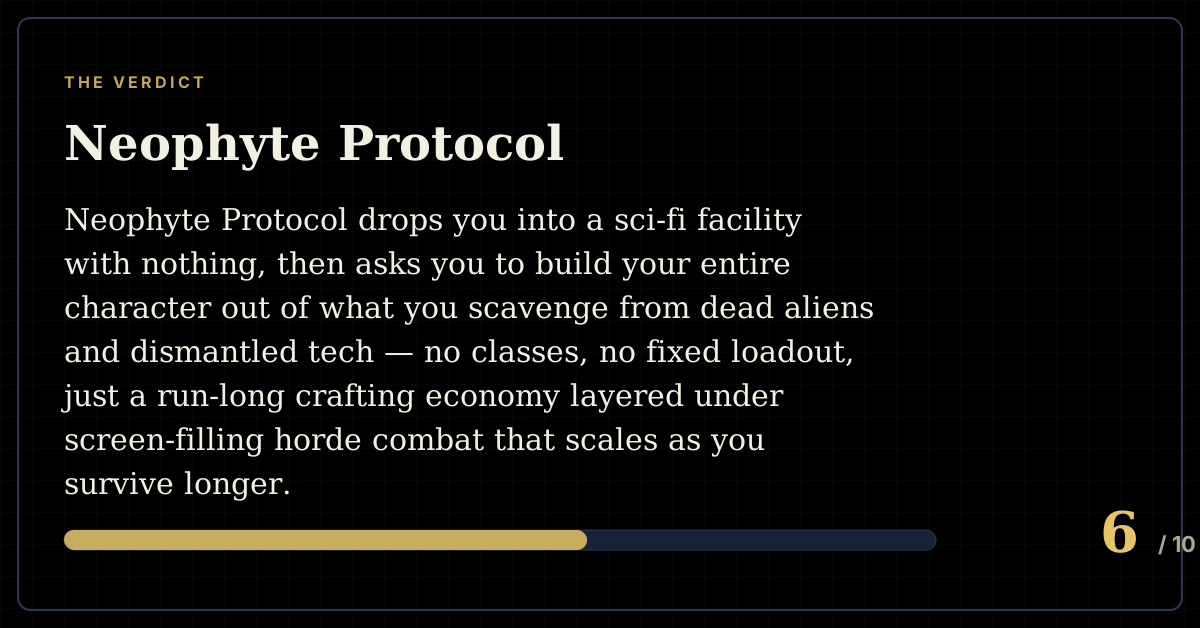
Neophyte Protocol drops you into a sci-fi facility with nothing, then asks you to build your entire character out of what you scavenge from dead aliens and dismantled tech — no classes, no fixed loadout, just a run-long crafting economy layered under screen-filling horde combat that scales as you survive longer. It's a third-person shooter wearing the bones of a Vampire Survivors-style bullet-heaven, with online co-op for up to four players built in from day one.
It arrived a day before this review, in Early Access, with a Steam page carrying zero user reviews, no achievement data and no press coverage anywhere. Ironwerks Studios — developer and self-publisher, with no other findable Steam titles — has published an unusually specific Early Access plan: a 6-to-12-month roadmap, a stated list of what's already in versus what's coming, and a promise that the price rises at 1.0. What's judged here is that plan and the mechanics as documented, against a genre that already has several very good, very established answers to the same pitch.
Biggest strengths
- The Early Access Q&A on the store page is unusually complete and specific — a stated 6-to-12-month timeline, a concrete list of what ships now versus what's planned (more biomes, enemies, bosses, weapons, recipes, and multiplayer polish), and an explicit statement that the price increases at 1.0
- Online co-op for up to four players is live at launch rather than promised for later, alongside full solo play
- A genuinely accessible baseline for a combat-heavy shooter — adjustable difficulty, camera comfort options, playable without timed input, and stereo/surround sound support are all listed on the store page
Biggest weaknesses
- Zero Steam user reviews, no achievement data, and no press coverage exist yet, so there's no independent signal on whether the build-crafting loop stays interesting past the opening hours or degenerates into one dominant strategy, a failure mode this exact genre — horde combat plus a growing item pool — has hit repeatedly elsewhere
- Windows-only, with no listed controller support and no confirmed Steam Deck rating, which is a real gap for a genre a lot of players prefer to run on a handheld or from a couch
- The store page names no franchise history and no other Ironwerks Studios titles turn up anywhere, so there's no prior work to judge the studio's ability to see a multi-month Early Access plan through
Who it's for: Horde-shooter and roguelite regulars who already know the genre's rhythms and want a co-op-capable, build-crafting take on it — and players comfortable buying into a stated multi-month Early Access process rather than a finished game.
Our recommendation: A reasonable bet at a genuinely low Early Access price if the pitch — third-person horde combat with a scavenge-and-craft build system, playable solo or in a four-player squad — is exactly what you're after. Anyone who wants a resolved loot economy, a full biome roster, or independent confirmation that the combat holds up over dozens of runs should wait; none of that exists to check yet, by the developer's own roadmap.
6 / 10
Neophyte Protocol starts you with nothing — no class, no loadout, no build path picked in advance — and then throws you at waves of alien and robotic enemies that only get bigger the longer you survive. Everything you end up with, you take off the things you kill: resources stripped from fallen enemies, components salvaged from dismantled technology, weapons and upgrades crafted mid-run out of both. The pitch is a specific hybrid — the screen-filling density of a bullet-heaven survivors-like, run through a third-person shooter's camera, with an ARPG's crafting and itemisation bolted underneath — and it's playable solo or with up to three other people from day one.
It's also one day old at the time of writing, sitting in Early Access with a Steam page that has no user reviews, no achievement data and no press coverage anywhere yet. What follows is built entirely from what Ironwerks Studios has actually documented: the store page, the Early Access Q&A, and the shape of a genre that has been through this exact pitch — hordes, builds, replayable runs — many times before, with some well-known success stories and some well-known cautionary ones.
A shooter with a crafting economy welded on
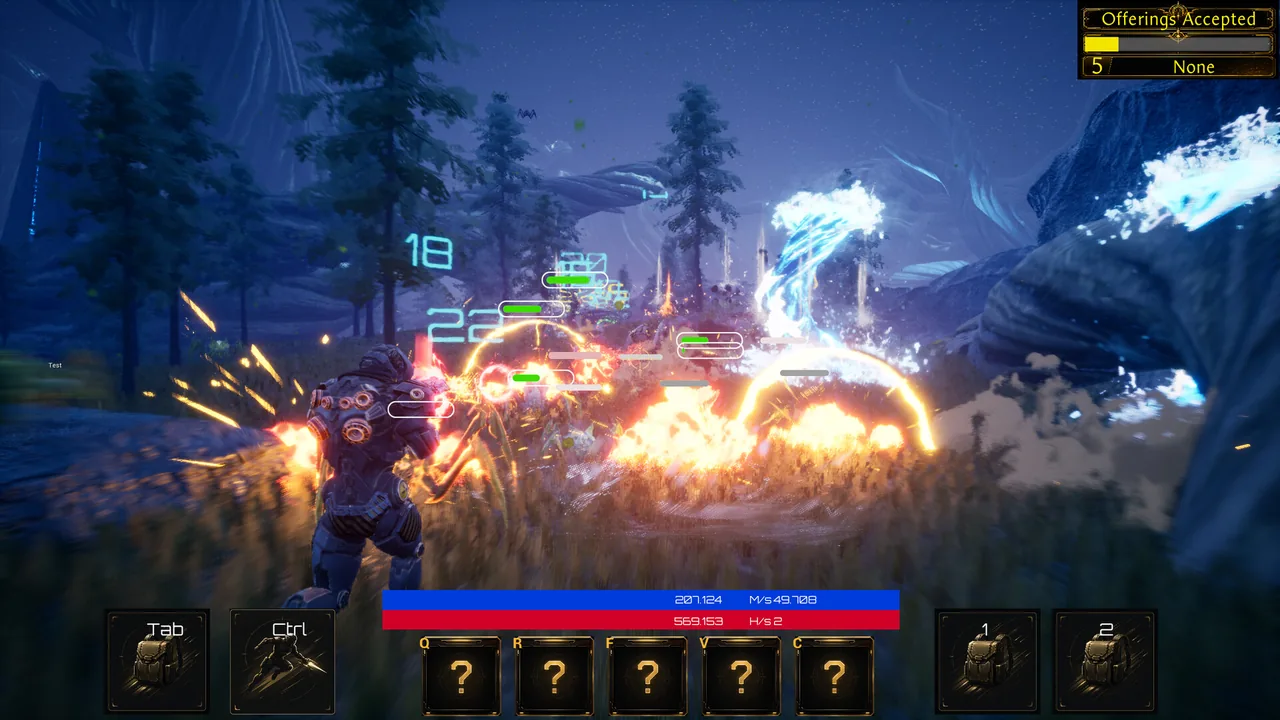
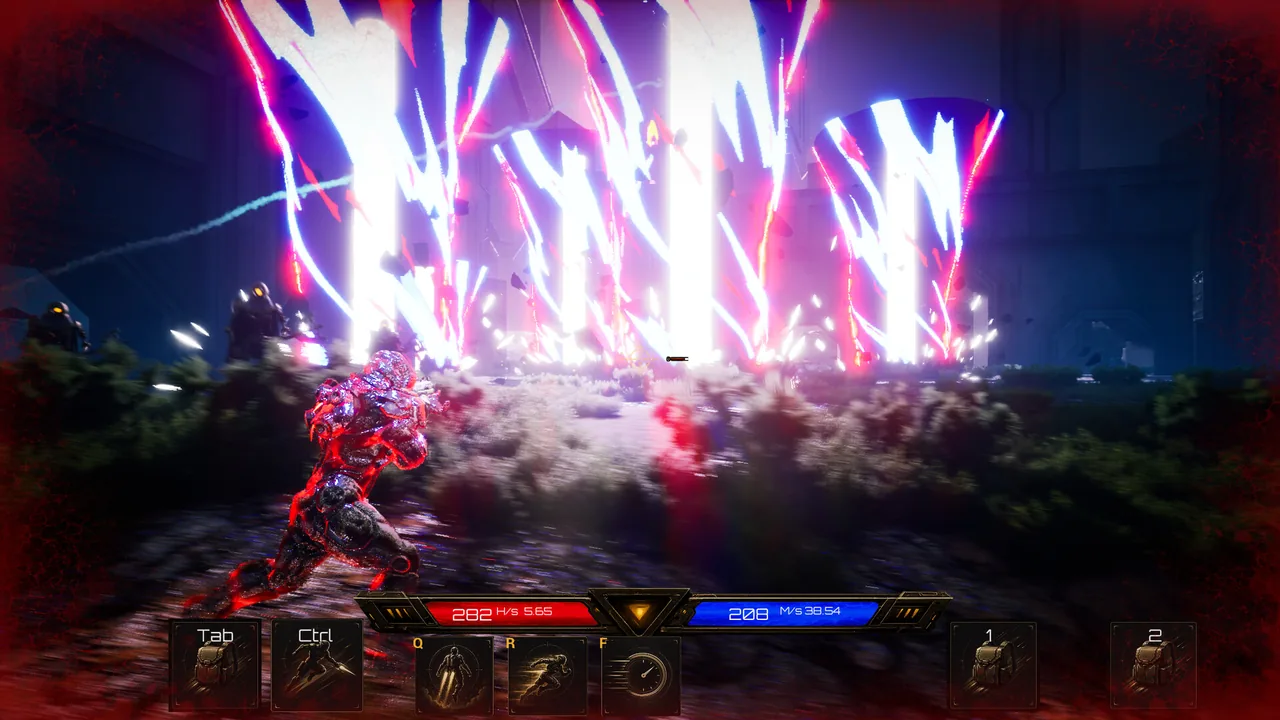
The core loop, as described, runs on three linked systems. Combat is horde-density and positioning-first — the store materials describe "fast-paced, high-density combat where positioning, movement, and split-second decision making determine whether you live or die," escalating into elite enemies and boss fights as a run goes on. Resources come from that combat: killed enemies and dismantled technology feed a crafting system that produces weapons, upgrades and gear. And progression is explicitly build-driven rather than class-driven — "there are no predefined classes," with every weapon and upgrade opening new combinations the run can lean into.
That's a coherent design on paper, and it's honest about the trade-off at its centre: "every resource spent is a tradeoff," between banking materials for a stronger crafted item later or spending immediately for survivability now. Games in this exact family live or die on whether that tension stays real for the whole run or collapses into one obviously-correct move once players work out the math — and there's no way to check that yet, because nobody outside the studio has logged the hours.
The genre this is actually competing in
"No predefined classes, build defined entirely by your choices" is not a new promise. Risk of Rain 2 built a genuinely beloved run-shaping item economy around exactly this idea, in third person, with co-op, years ago; Vampire Survivors and its wave of imitators proved the horde-density half of the pitch works at almost any budget; looter-shooter crafting has been tried, with very mixed results, by everything from mid-budget indies to full live-service titles. None of that makes Neophyte Protocol derivative on its face — genre conventions exist because they work — but it does mean the store page's framing needs to be read as "a competent entry in an extremely well-explored space" rather than as something inventing new ground, and nothing in the available materials names a specific hook that separates this crafting layer from its obvious references.
The pattern worth watching for, based on how this genre has broken down elsewhere, is pool dilution: horde-and-build games that keep adding items without adding ways to hunt for the ones you want tend to get less reliable, not richer, as their content grows, because the odds of drawing the two or three pieces a build needs fall every time the pool grows. Neophyte Protocol's Early Access plan explicitly promises more weapons, recipes, abilities and items over the next 6 to 12 months. Whether the crafting system gets matched tools for targeting what you want — rerolls, guaranteed drops, salvage-and-reroll loops, anything beyond pure chance — isn't stated anywhere yet, and it's the single most consequential unanswered question for how this plays a hundred hours from now.
What Early Access actually promises here
Ironwerks Studios' own Q&A is more complete than most Early Access listings manage. The current build ships "the core gameplay loop, including fast-paced combat, crafting, character progression, build customization, online cooperative multiplayer," offering "multiple hours of replayable roguelite gameplay." The stated Early Access window is "approximately 6–12 months." The full release is planned to add "additional biomes, enemies, bosses, weapons, crafting recipes, abilities, items, events, progression systems, and gameplay features," alongside improved performance, visuals, UI and balance. And on the question every Early Access buyer actually cares about, the developer commits directly: the game "is priced lower during Early Access," with the price rising at 1.0, meaning buying now locks in a discount rather than paying full price for an unfinished build.
That's a genuinely useful thing for a launch-day review to be able to report, because it's the one part of the pitch that doesn't depend on unverified quality — it's a stated commercial commitment, checkable against the game's price history from here forward. It doesn't say anything about how well the studio will execute the roadmap, and with no other Ironwerks Studios titles turning up anywhere, there's no back catalogue to judge that execution against either way.
Accessibility and technical baseline
The store listing carries a better-than-typical accessibility spread for a combat-focused shooter: adjustable difficulty, camera comfort settings, playable without timed input, playable at your own pace, and both stereo and surround sound support are all listed categories rather than promises. Minimum requirements are modest for a 2026 release — an eight-generation-old Core i5 or equivalent Ryzen, 8GB of RAM, a GTX 1060-class GPU, 7GB of storage — which suggests the game isn't chasing top-end visual fidelity, consistent with a small studio's Early Access build. Set against that: the store page lists no controller support and doesn't carry a Steam Deck compatibility rating, both real gaps for a horde-shooter genre that a lot of its audience plays from a couch or a handheld, and worth checking again once the game has had time to pick up a rating.
Price and monetisation
At NZ$11.24 during the current 10% launch discount (US$7.19 in the US store), Neophyte Protocol is priced like what it says it is — a lower-cost Early Access entry point rather than a full-price release. There's no in-app purchase, no premium currency and no DLC anywhere on the listing, and the developer has stated plainly that the price goes up at 1.0. That's about as clean a monetisation story as an Early Access game can tell, and it means the commercial risk for an early buyer is capped at a genuinely small amount of money rather than an open-ended live-service commitment.
Final verdict
There's no review corpus, no completion data and no independent voice to check Neophyte Protocol's execution against yet — it's a day old, and the usual signals this library leans on for a launch review (Steam sentiment, achievement curves, patch history) simply don't exist. What can be judged is the plan itself, and it's a better-than-average one: a specific, honest Early Access Q&A, co-op shipped rather than promised, a real accessibility baseline, and monetisation that asks for one small payment and nothing else. Set against that is a design pitch — no-class build-crafting inside horde combat — that a well-established genre has already answered several times, some of those answers very well, without this store page naming what makes its own version distinct, and a studio with no prior track record to lean on if the 6-to-12-month roadmap slips.
That combination earns a cautious middle score rather than either a recommendation or a warning. It's a fair, low-risk purchase for players who already like this exact genre and want to back a specific, transparently-stated development plan at a discount. Everyone else should give it a few months — both for the roadmap's early content to land, and for an actual player verdict to form around whether the crafting economy holds up once people have put real hours into it.
Price and platform details checked 7 August 2026.
Pros and cons
Pros
- The Early Access Q&A on the store page is unusually complete and specific — a stated 6-to-12-month timeline, a concrete list of what ships now versus what's planned (more biomes, enemies, bosses, weapons, recipes, and multiplayer polish), and an explicit statement that the price increases at 1.0
- Online co-op for up to four players is live at launch rather than promised for later, alongside full solo play
- A genuinely accessible baseline for a combat-heavy shooter — adjustable difficulty, camera comfort options, playable without timed input, and stereo/surround sound support are all listed on the store page
- Clean one-time-purchase monetisation with no in-app purchases, premium currency, battle pass or DLC anywhere on the listing
Cons
- Zero Steam user reviews, no achievement data, and no press coverage exist yet, so there's no independent signal on whether the build-crafting loop stays interesting past the opening hours or degenerates into one dominant strategy, a failure mode this exact genre — horde combat plus a growing item pool — has hit repeatedly elsewhere
- Windows-only, with no listed controller support and no confirmed Steam Deck rating, which is a real gap for a genre a lot of players prefer to run on a handheld or from a couch
- The store page names no franchise history and no other Ironwerks Studios titles turn up anywhere, so there's no prior work to judge the studio's ability to see a multi-month Early Access plan through
- "No predefined classes, build defined entirely by your choices" is a crowded promise in 2026 — Risk of Rain 2 and several current survivors-likes already do exactly this, and the store materials don't say what, if anything, makes this version's crafting layer distinct beyond the pitch itself
Screenshots
-
Neophyte ProtocolImage: Ironwerks Studios via Steam -
Neophyte ProtocolImage: Ironwerks Studios via Steam -
Neophyte ProtocolImage: Ironwerks Studios via Steam -
How the review scores each part of the gameWanderer Editorial -
The game at a glanceWanderer Editorial -
The short versionWanderer Editorial