Game review
Savara
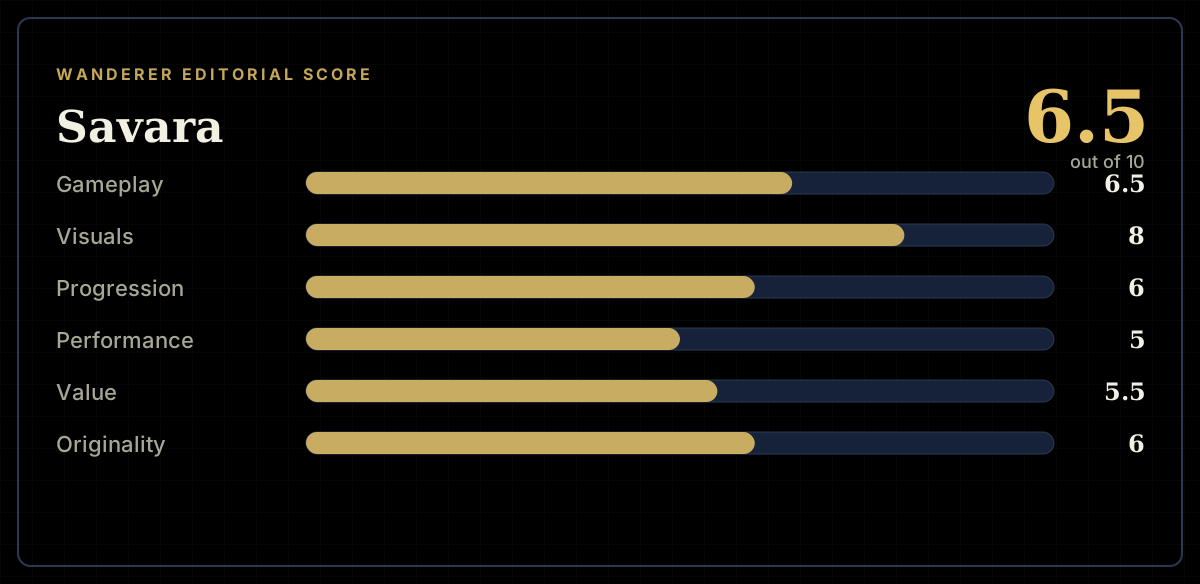
6.5 / 10
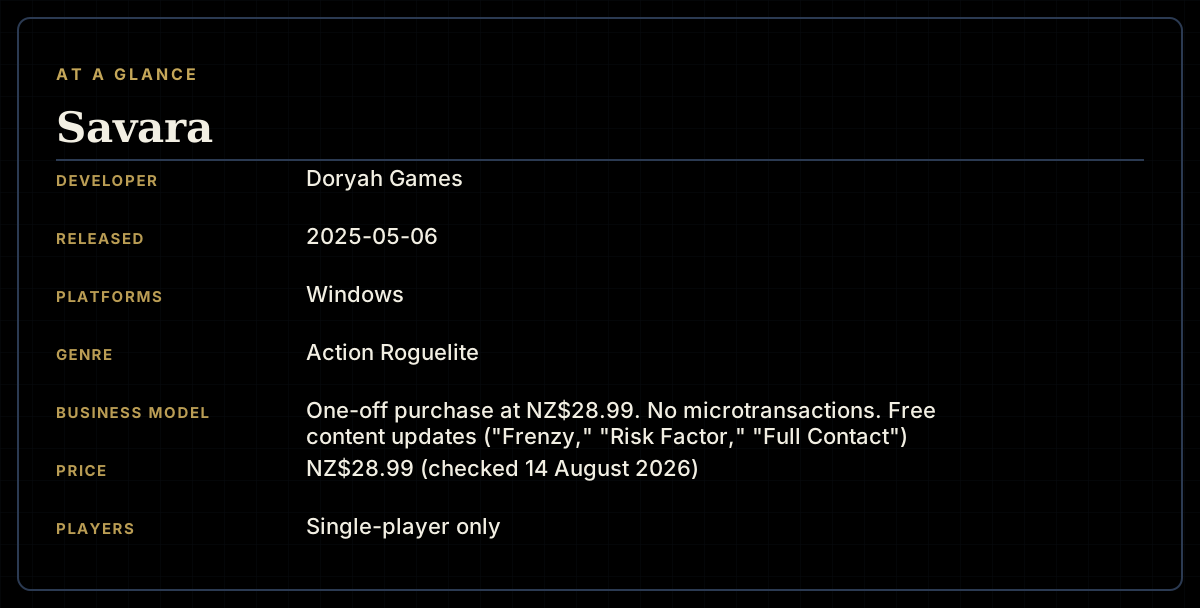
- Developer
- Doryah Games
- Publisher
- Ankama Games
- Released
- 6 May 2025
- Platforms
- Windows
- Genre
- Action Roguelite
- Monetisation
- One-off purchase at NZ$28.99. No microtransactions. Free content updates ("Frenzy," "Risk Factor," "Full Contact") shipped through the following year at no extra cost.
- Players
- Single-player only
The short version
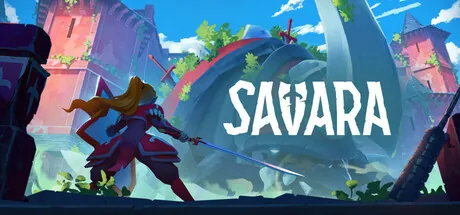
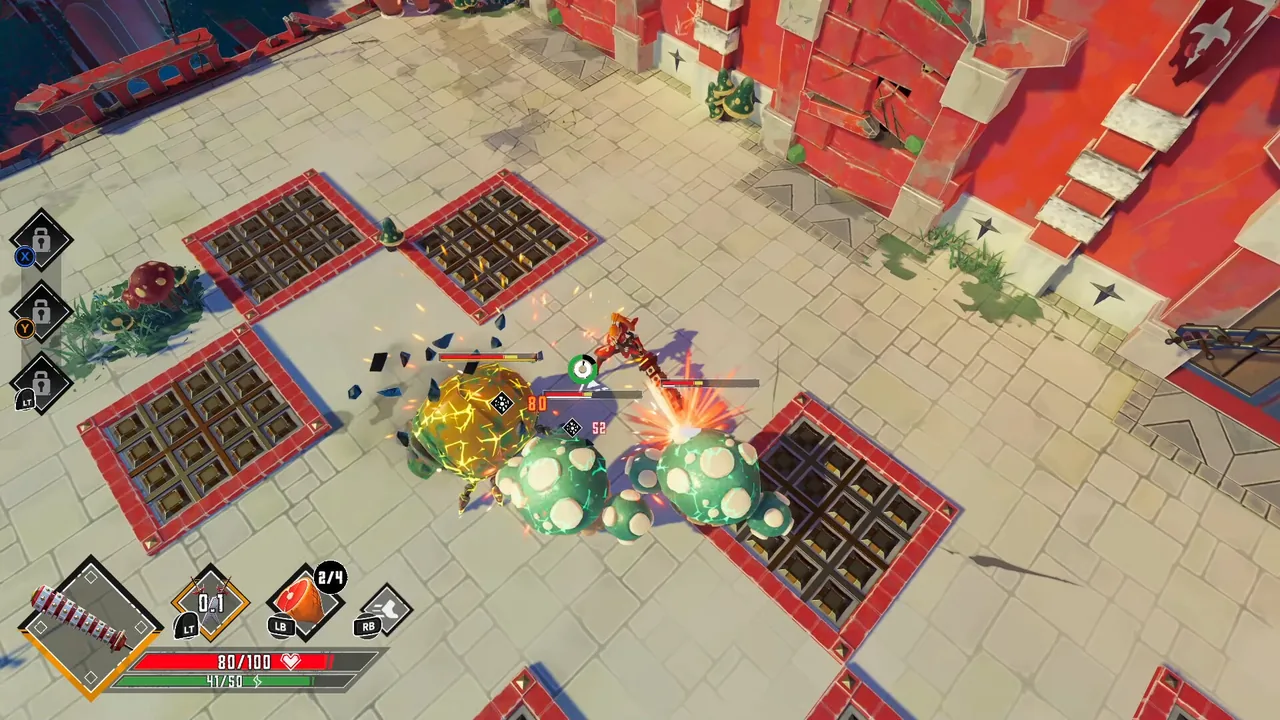
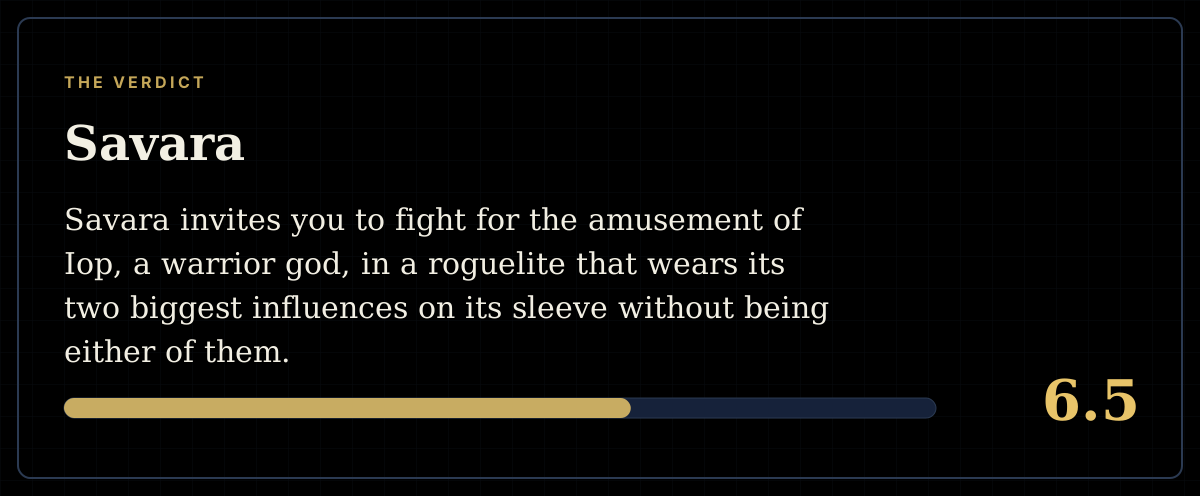
Savara invites you to fight for the amusement of Iop, a warrior god, in a roguelite that wears its two biggest influences on its sleeve without being either of them. You break down monster parts to craft weapons and armour, Monster Hunter-style, while a run-based structure and permanent meta-progression borrow Hades' bones -- but the combat itself is deliberately slower and more methodical than Supergiant's game, built around stamina management and a two-weapon swap system rather than fast dodges and combos. "Do not expect it to be as fast as Hades," reads one of the most-voted positive reviews, and reviewers who go in expecting Hades speed consistently come away disappointed, while those who recalibrate for something closer to a lighter Monster Hunter tend to come away won over.
The complaint that survives that recalibration, across the entire eighteen-month review history, is technical rather than conceptual: hit detection, dodge-frame consistency, and staggering that reviewers describe as inconsistent to this day. A cluster of reviews from launch describe a game that "feels like a very early access one" despite its full-release pricing -- three levels, a handful of enemy types -- and while Ankama has shipped a genuine year of free content updates since, reviews from as recently as June 2026 still describe the same core hit-detection complaints the game launched with.
Biggest strengths
- A genuinely distinctive combat identity once judged on its own terms -- part-breaking, weapon crafting and a deliberate stamina-based pace that reviewers who adjust their expectations consistently praise
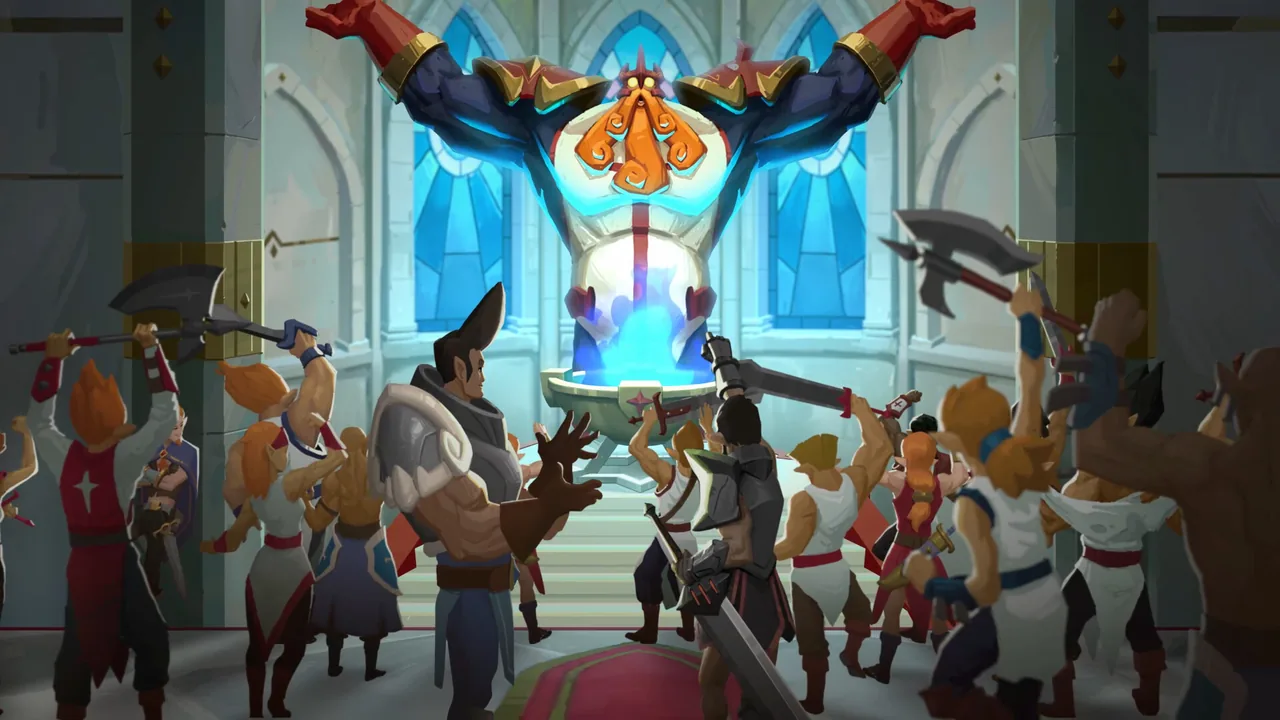
- Distinctive art direction reviewers describe as a blend of Hades and Ankama's own Wakfu house style, giving the game visual identity beyond its influences
- A real year of free post-launch content updates (Frenzy, Risk Factor, Full Contact) plus console ports to Xbox Series X|S and PlayStation 5 in May 2026, showing genuine, sustained commercial follow-through from Ankama
Biggest weaknesses
- Hit detection, dodge-frame timing and enemy staggering draw consistent complaints spanning launch through mid-2026, describing hits registering inconsistently and dodges that work one moment and fail the next against identical attacks
- Launched with only three levels and a small handful of enemy variants, which multiple reviewers explicitly compared to an early access build rather than a finished full-price release
- Reviewers who approach the game expecting Hades-style speed and precision report frustration with what plays as a much slower, more deliberate combat rhythm
Who it's for: Fans of Hades-adjacent roguelites willing to slow down for a Monster Hunter-flavoured part- breaking combat loop, and anyone drawn to Ankama's distinctive art lineage from Dofus and Wakfu. Not for players who specifically want Hades' speed and precision, or anyone who needs launch-day combat feel to already be fully polished.
Our recommendation: Worth playing for the concept and the art, best picked up on a sale given the price relative to the amount of content most reviewers report finishing in ten to twenty hours. Go in with Monster Hunter's pacing in mind rather than Hades', and expect the hit-detection complaints that have followed the game since launch to still be present.
6.5 / 10
Every discussion of Savara ends up having the same argument with itself, in review after review: is this a Hades-like, or isn't it? The store page invites the comparison outright -- colourful, run-based, a warrior god watching over gladiatorial trials -- and the art, a recognisable blend of Supergiant's house style and Ankama's own Wakfu lineage, does nothing to discourage it. But the combat underneath plays closer to a lightweight Monster Hunter: break down monster body parts, craft and upgrade weapons and armour from what you collect, and manage a stamina bar that punishes the button-mashing Hades trains you to expect. "Not sure why this is being compared to Hades," reads one of the more pointed negative reviews, "the combat flow is nothing like those games at all." A striking number of Savara's most useful reviews, on both sides of the recommend line, spend their opening lines correcting that exact misconception before getting to anything else.
Two influences, one identity, if you let it have one
The reviewers who end up liking Savara most are consistently the ones who stop measuring it against Hades and start judging the Monster Hunter half of its DNA on its own terms. "Savara is not a Hades clone," reads one detailed review, warning that anyone who "approach[es] gameplay like it is a Hades clone" will "feel frustrated beyond belief as you take unavoidable damage and hit enemies with wet noodles." Recalibrated that way, the same reviewer describes gameplay "closer to monster hunter" that rewards patience and part-targeting over speed. Another puts it more bluntly in the game's favour: "This is not a hades-like, if you go in based on that, you will hate it. Combat is very deliberately balanced around a tight stamina bar, a weapon swap mechanic and a part break system."
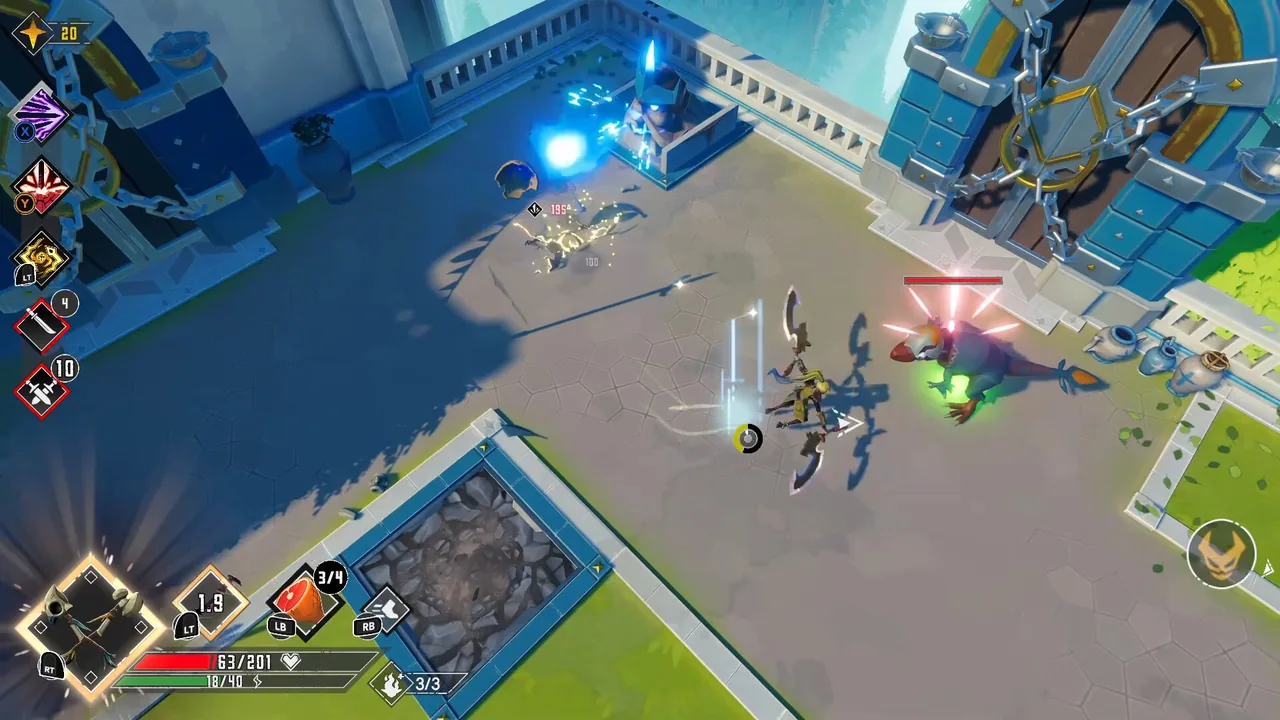
The weapon-swap mechanic specifically earns some of the review history's most detailed praise -- reviewers describe genuinely different playstyles opening up depending on which two weapons you carry into a run, with the part-breaking system feeding directly back into what you can craft afterward. One reviewer, self-described as having "hundreds of hours in Hades 1 and 2," still credits Savara with "a good challenge" on its own terms once the pacing difference is accepted. And the game's connection to Ankama's broader catalogue draws a specific, informed compliment from at least one longtime fan of the studio's tactical MMO work: Savara, the review argues, is Ankama "parting with the old samey tactical mmorpg they serve us since 2004" in favour of something more focused, made by what more than one reviewer describes as a small team working within financial limits and pouring real care into what they could afford to build.
The complaint that a year of updates hasn't fully answered
What every version of the "give it a chance" argument runs into, eventually, is hit detection. Complaints about combat feel -- attacks that don't register consistently, dodge windows that work against one instance of an attack and fail against an identical one moments later, staggering that reviewers describe as effectively random -- appear at launch and keep appearing through Savara's entire review history since. "The hit detection and dodge frames in this game are absolute garbage and don't make sense at all," reads a review from June 2026, more than a year after release. "The same attack can be dodged one time, but not the next." That's not an isolated complaint from a rough launch week; it's a persistent thread that spans the whole timeline this review has access to, despite the substantial free content Ankama has shipped in the interim.
Content thinness was the other major complaint at launch, and it was a specific, quantifiable one: three levels, a small handful of enemy variants, and a boss roster reviewers described as recognisable elite reskins of regular enemies rather than genuinely new encounters. "It feels like a very early access game that got pushed out before enough depth was added," reads one review from launch month, a sentiment echoed almost verbatim by several others. Ankama's response since has been real and sustained -- the "Frenzy" update landed within weeks of launch, followed by the free "Risk Factor" and "Full Contact" content updates through late 2025 and early 2026, plus console ports to Xbox Series X|S and PlayStation 5 in May 2026 -- which is a genuinely more committed post-launch trajectory than a lot of similarly scoped roguelites manage. What that additional content hasn't done, based on reviews posted well after each update, is resolve the underlying combat-feel complaints that were there from day one.
A passion project that needed more runway
The achievement data supports a game that holds attention reasonably well rather than losing players immediately: of its 47 achievements, even the harder mid-tier unlocks -- specific boss kills, rare blessing combinations -- sit in the 30-45% range rather than falling off a cliff after the opening hours. That fits the shape of the reviews themselves: most reviewers who stick around report ten to twenty hours before repetition sets in, not a session or two.
6.5 out of 10. Savara is a genuine, distinctive idea -- Hades' run structure wearing Monster Hunter's combat rhythm, filtered through Ankama's house art style -- executed with real care by a small team working within real limits. It earns its Very Positive score on the strength of that identity, once you stop expecting it to be the faster game its art style invites comparison to. What keeps it from a stronger recommendation is a year-plus of persistent hit-detection and combat-feel complaints that free content updates have worked around rather than fixed, on a game priced high enough that those rough edges are harder to shrug off. Go in for the part-breaking and the weapon crafting, not for Hades' precision, and consider waiting for a sale.
Pros and cons
Pros
- A genuinely distinctive combat identity once judged on its own terms -- part-breaking, weapon crafting and a deliberate stamina-based pace that reviewers who adjust their expectations consistently praise
- Distinctive art direction reviewers describe as a blend of Hades and Ankama's own Wakfu house style, giving the game visual identity beyond its influences
- A real year of free post-launch content updates (Frenzy, Risk Factor, Full Contact) plus console ports to Xbox Series X|S and PlayStation 5 in May 2026, showing genuine, sustained commercial follow-through from Ankama
- The weapon-swap mechanic specifically draws repeated, detailed praise as the system that makes combat variations feel meaningfully different from each other
- A wide accessibility feature set on the store page, including adjustable difficulty, camera comfort options, colour alternatives and a keyboard-only option
Cons
- Hit detection, dodge-frame timing and enemy staggering draw consistent complaints spanning launch through mid-2026, describing hits registering inconsistently and dodges that work one moment and fail the next against identical attacks
- Launched with only three levels and a small handful of enemy variants, which multiple reviewers explicitly compared to an early access build rather than a finished full-price release
- Reviewers who approach the game expecting Hades-style speed and precision report frustration with what plays as a much slower, more deliberate combat rhythm
- Several reviews report crashes when starting new runs, particularly after returning to the hub following a completed run
- At NZ$28.99, a number of reviewers argue the amount of content most players report finishing -- roughly ten to twenty hours before repetition sets in -- doesn't match games priced similarly in the genre
Screenshots
-
SavaraImage: Ankama Games via Steam -
SavaraImage: Ankama Games via Steam -
SavaraImage: Ankama Games via Steam -
How the review scores each part of the gameWanderer Editorial -
The essentialsWanderer Editorial -
The short versionWanderer Editorial