The factory-building sequel to NGU Idle swaps rebirth layering for conveyor belts and work orders, builds a genuinely interesting system out of it in its first six weeks, and then stops. It has been Early Access, unfinished, since April 2021.
An idle horde-survival RPG with a genuinely distinctive structure — a defined ending rather than an endless grind — undercut for a meaningful share of players by scripted, low-choice progression, a "no offline progress" design that sits oddly for an idle game, and a pattern of developer replies to negative reviews that multiple players independently describe as combative.
A social sandbox MMO with no vendors, no quest-givers and no safety net — genuinely distinctive when it comes to player-built villages and a player-run economy, but its land ownership system asks for real, recurring money in a way a lot of its own players resent.
A budget one-on-one arena brawler that leans hard into a "classic 90s fighting" pitch, published by a company built on reviving old and obscure game libraries, on a Steam page with no user reviews, no press coverage and no achievement data yet to check it against.
A free top-down horror game about escaping a bar full of monsters across five linear, differently-themed levels, from a two-person team on their apparent first published release — with a storefront listing that discloses nothing to buy.
A 4-player co-op tactical roguelite shooter from the studio behind Black Mesa, whose jump from Early Access to "1.0" this week delivered almost exactly what one detailed reviewer predicted it would — one new map and a few new guns, not the broader AI, economy and content overhaul the developer's own Early Access roadmap had promised.
A five-dollar arcade game that turns Hiragana, Katakana and the 104 kanji of JLPT N5 into a catch-and-dodge score-attack loop, organised into real thematic vocabulary groups rather than one shuffled deck — released two days ago with zero user reviews, zero achievement completions in its harder categories, and a developer patch note already admitting some achievements weren't firing.
A local-multiplayer physics brawler set in a Japanese public bathhouse, where the "Survivor" in the name means outlasting three rivals on a frictionless floor with a water gun, not building a horde-clearing arsenal — a genre-savvy buyer needs to know that before anything else, along with the fact that every mode here is played on one couch, not online.
An ambitious, Banished-inspired survival city-builder with genuinely deep production chains, weighed down by persistent balance problems, a currently game-breaking macOS bug, and rumours of developer abandonment the studio has publicly and directly denied.
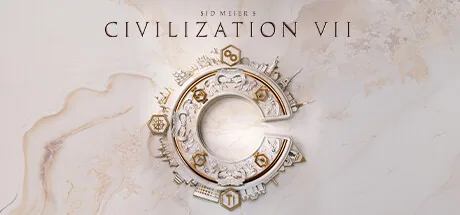
Firaxis's boldest structural gamble in the series' history — mandatory "Age" transitions that force players to swap civilizations twice per campaign — split the Civilization fanbase down the middle at launch and still sits Mixed across nearly 58,000 Steam reviews eighteen months later, even as a genuinely major, free "Test of Time" update rebuilt huge parts of the game in direct response to that backlash.
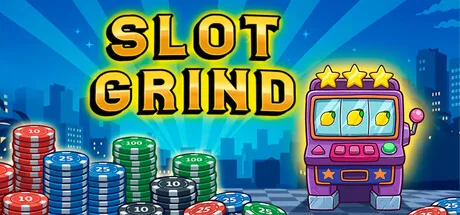
An incremental dressed up as a slot machine parlour — pull the lever, earn virtual cash, automate your way out of debt — that most early reviewers finish in a single sitting, with the flattening mid-game progression curve as the main point of disagreement.
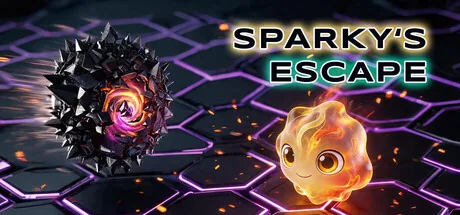
A solo German developer's top-down dodge-'em-up asks players to steer a glowing green orb through 500 hand-built rooms of hazards toward a time portal, backed by clean one-time pricing and a month-old public demo, but with zero user reviews yet to say whether the levels hold up past the opening stretch.
An unabashed Ragnarok Online homage with seven classes, thirty maps and a community that loves it. Its Early Access launch also spent a fortnight with the servers falling over and player trading switched off entirely after dupers took the marketplace.
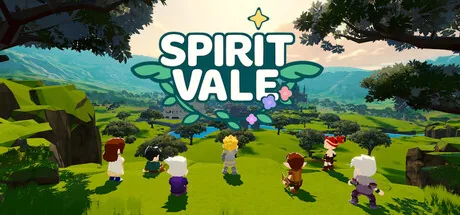
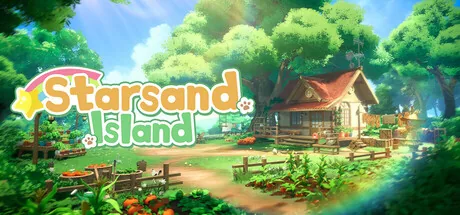
A genuinely pretty, systems-rich cozy farming life-sim whose Early Access launch was overshadowed by a real corporate-backing revelation, a suspected fake-review campaign, and a broken promise about paid content — a case where the discourse around the game may matter as much to a buyer as the game itself.
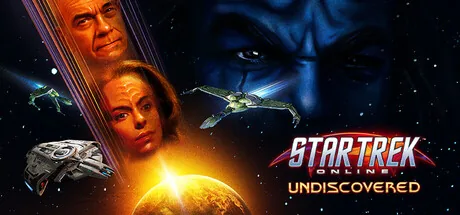
A sixteen-year-old free-to-play space MMO whose combat has genuinely few peers, and whose own negative Steam reviews come overwhelmingly from thousand-hour veterans turning against its lockbox monetisation rather than from players bouncing off it early.
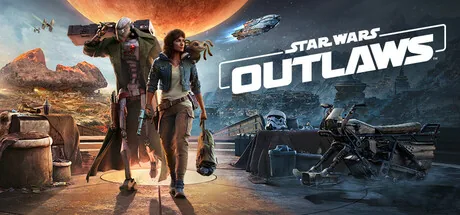
Ubisoft's first open-world Star Wars game delivers genuinely praised atmosphere and world-building as scoundrel Kay Vess, undercut by a real, consistently repeated "Ubisoft formula fatigue" complaint about an empty, on-rails open world, a specific, reproducible manual cloud-save failure that has cost multiple reviewers dozens of hours of progress, and a patch cadence that this review can confirm effectively stopped in mid-2025 even as bug reports continued well into 2026.
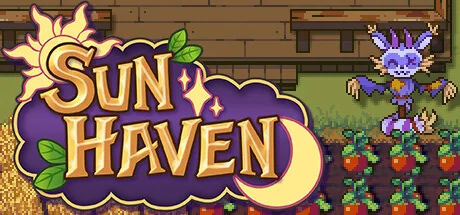
A farming sim with classes, magic and dragons, sold for twelve dollars with a hundred and seventy-four dollars of DLC behind it. Its recent reviews have collapsed to 74% — and most of them aren't about the farming.
A free auto-battler RPG that runs as a tiny window pinned to your taskbar, built on a six-class roster and a stack-nine-to-rank-up loot system — undercut by a storefront that sells two more classes and the extra bag space its own item design is engineered to demand.
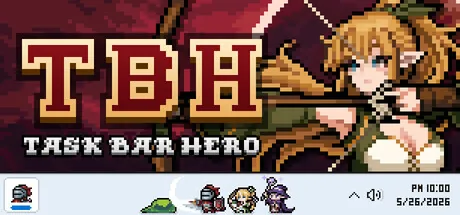
A free idle RPG that lives in your taskbar became a genuine phenomenon — peaking at over 360,000 concurrent players, briefly outranking everything on Steam except Counter-Strike 2 and Dota 2 — before its own server infrastructure buckled under that success and started eating players' item collections.
Proton Studio put a first-person gun in the clicker genre's most abstract hand, turning "tap the cookie" into "shoot the cube wall." The framing genuinely changes the opening hours, but the studio moved on to two spiritual successors years ago and hasn't touched this one since a December 2021 holiday event.
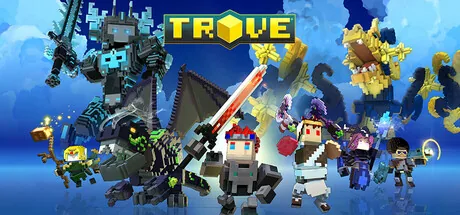
A voxel-building MMO welded to an ARPG loot treadmill, still running eleven years after Trion Worlds made it and three community letters a month after gamigo took over. The question in 2026 isn't whether Trove survives — it clearly does — it's how much of it is still a game and how much is a storefront.
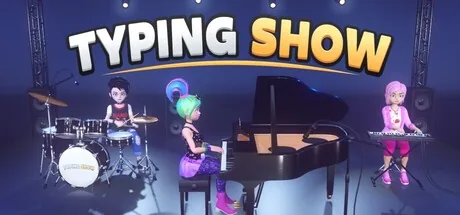
A one-developer rhythm game that throws out real words entirely and maps every letter to a piano note instead, running 42 lessons from 2 keys up to 30 across procedurally generated melodies. Released 5 August 2026 with a free demo, zero user reviews, and no achievement list to check any of its claims against.
A two-person team's espionage FPS split almost evenly between fans who compare it to Project IGI and critics who say its weapons don't hit as hard as its marketing promises — a complaint this review found the developer had already dated patches addressing within days.
Sixteen years on, Vindictus still has the best melee combat any free-to-play MMO has ever shipped — and a progression system that now fast-forwards you past almost every reason to use it. Nexon is still updating it monthly in 2026, which makes the state of the middle game harder to explain, not easier.