Game review
Pax Dei
6 / 10
- Developer
- Mainframe Industries
- Released
- 16 October 2025
- Platforms
- Windows
- Genre
- Social Sandbox MMO
- Monetisation
- Buy-to-play base game with an optional monthly Membership subscription for land plots, Premium status and cosmetics
- Players
- Massively multiplayer — persistent PvE Home Valleys for building and crafting, plus a dedicated PvP province (Lyonesse), organised around clans and shared villages
The short version
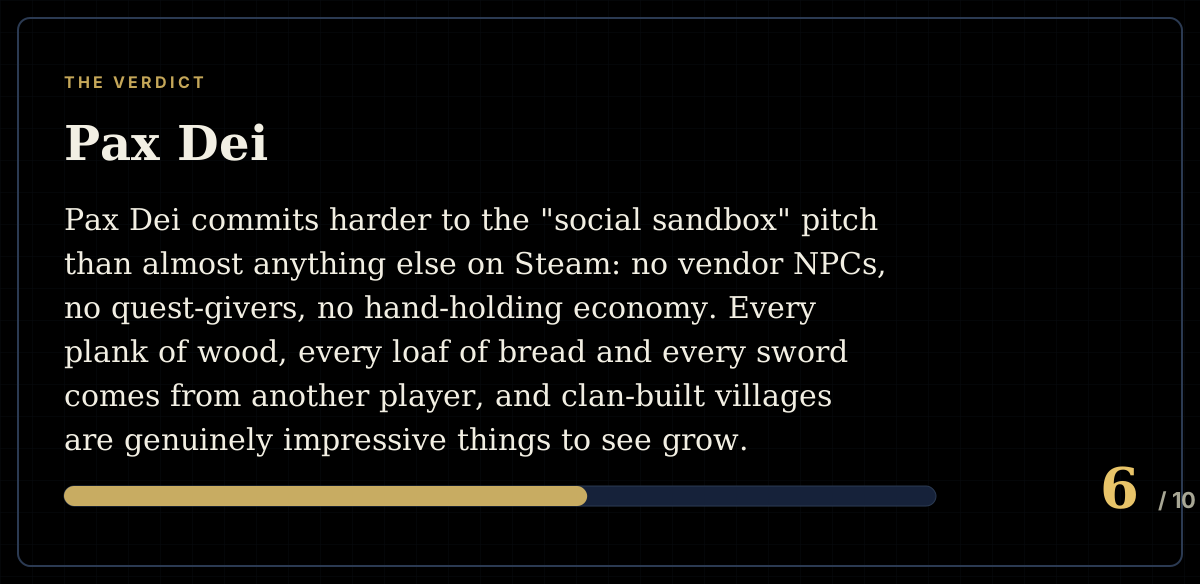
Pax Dei commits harder to the "social sandbox" pitch than almost anything else on Steam: no vendor NPCs, no quest-givers, no hand-holding economy. Every plank of wood, every loaf of bread and every sword comes from another player, and clan-built villages are genuinely impressive things to see grow. That commitment is also the game's biggest liability, because the land your village sits on runs on a monthly Membership system that a large share of its own community reads as a subscription in a coat that doesn't quite fit.
A year on from its full release, Mainframe Industries is still patching steadily and still listening to feedback it doesn't like — but it's also had to publicly reassure players it isn't shutting down, which tells you plenty about where the game actually sits.
Biggest strengths
- No NPC vendors or quest-givers anywhere in the game — every material, meal and weapon passes through another player's hands first, and it actually holds together at scale
- Clan-based villages give multiplayer real, sustained stakes instead of just a shared server
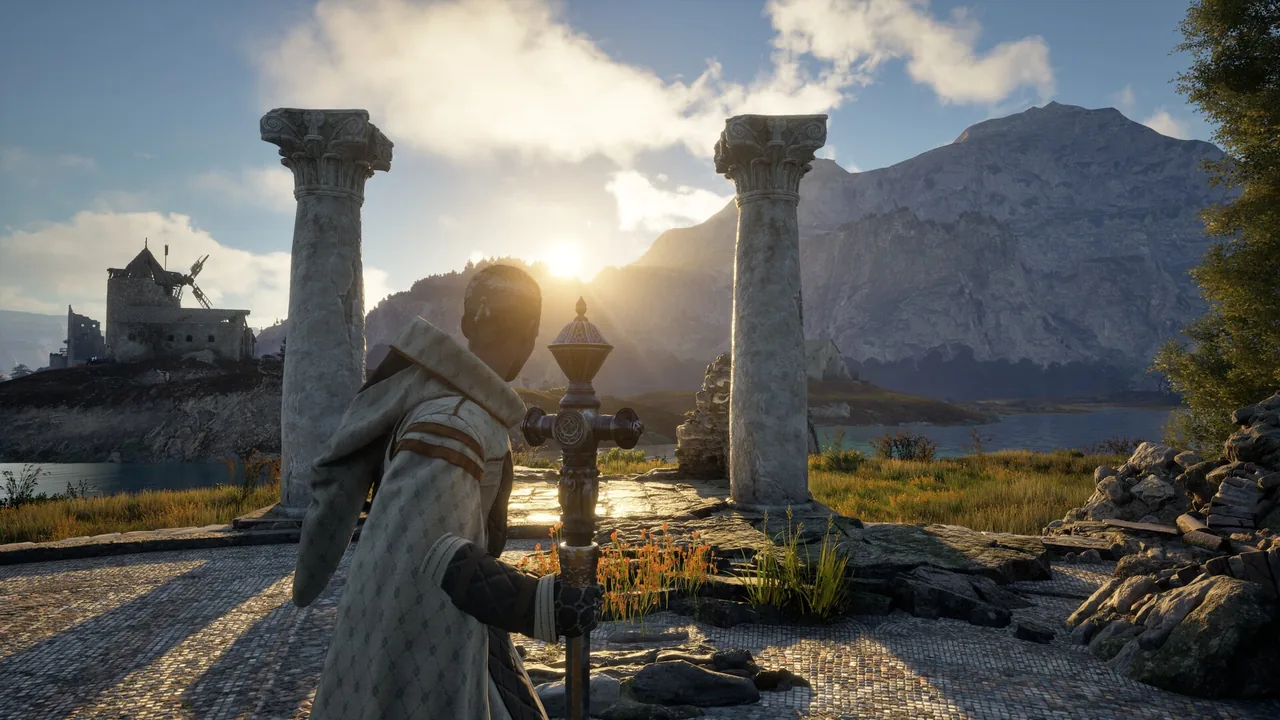
- Unreal Engine 5 presentation and a folklore-inflected medieval setting look genuinely good for the genre, not just competent
Biggest weaknesses
- Keeping your own home plot depends on steady logins or a recurring monthly payment, and a large share of negative Steam reviews frame that as a subscription wearing a "not a subscription" label
- Early Access founders who paid extra for multiple plots describe that permanence quietly turning into an ongoing cost once 1.0 launched
- Mounts, farming and fishing were all promised before Early Access began and remain absent as of the most recent official update
Who it's for: Players who want a genuinely player-driven crafting and building MMO and are willing to either log in regularly or pay to keep their plot, and who can tolerate a still-unfinished feature list and combat that hasn't caught up to the rest of the systems.
Our recommendation: Worth trying the 7-Day Trial before buying. The base game gives full, permanent access to everything except your own land, so it's a fair way to judge whether the crafting-and-clan loop is for you before deciding whether the land system is worth paying into.
6 / 10
Most MMOs that call themselves "sandbox" still hand you a quest log, a row of vendor stalls and an auction house run by the game itself. Pax Dei doesn't. There are no shopkeepers anywhere in the world. Every plank of timber, every loaf of bread, every sword on your hip was made, grown or looted by another player, and if you want gold you earn it by selling to one directly. That is a genuinely rare thing to build an entire MMO around, and for the first several dozen hours it works. The problem is what happens once you want a house.
A sandbox that means it
Mainframe Industries was founded in Helsinki in 2019 by former EVE Online developers, and it shows in the parts of Pax Dei that actually work. The base game — permanent, no expiry, one purchase — gives full access to every gameplay system: PvE and PvP, crafting, building, all of the Home Valleys and the PvP province of Lyonesse, and the ability to trade with other players using gold earned in the world. There's no separate "premium content" walled off behind a second purchase. If you never spend another cent, you can still fight, gather, craft and join a clan's shared village indefinitely.
What you can't necessarily keep, without either regular logins or money, is land of your own — and land is where the rest of the game actually lives.
Land, Grace and the plot problem
Claiming a plot to build your own home costs a Plot Token. You get one automatically with the base game, along with a free month of Premium status. After that, keeping the plot depends on one of two things: earning enough in-world "Grace" and gold through regular play to renew it yourself, or subscribing to a monthly Membership that supplies Plot Tokens automatically — US$6.99 a month for one plot, US$10.99 for two, US$18.99 for a four-plot holding, on top of a US$3.99 Premium-only tier with no plot attached at all (official pricing, checked 3 August 2026). Miss the renewal, by either route, and the plot — along with whatever you've built on it — can be reclaimed.
Mainframe's own position, stated plainly in an official letter to players, is that a subscription was never required: log in with reasonable regularity, do a normal amount of PvE, and daily Grace and gold income comfortably cover a single plot without spending real money again. A number of very long-tenured reviewers back that up — one with close to 3,000 hours logged specifically pushes back on what it calls false claims that subscribing is mandatory.
That defence is honest, but it undersells why the backlash happened. During Early Access, Mainframe sold Founder's Packs bundling multiple plots, and players who paid extra for them describe the arrangement as feeling permanent at the time. When land ownership at 1.0 turned into something you actively maintain — through play or payment — those players experienced it as the terms of their original purchase changing under them, not as a new system arriving on a level field. That's the actual shape of the controversy, and it's a fairer read of it than either "it's a scam" or "it's not really a subscription at all." Both of those are true from a certain angle and false from another, and a review that picks one side is missing the point: the base game genuinely doesn't require ongoing payment to be playable, but the specific players who feel burned have a specific, legitimate reason for feeling that way.
Where the Mixed badge actually sits
Pax Dei currently sits at Mixed on Steam — 54.6% positive across 4,331 English-language reviews, checked 3 August 2026. It would be easy to write that off as an Early Access hangover that doesn't reflect the finished game, and that pattern does show up elsewhere in this genre. It doesn't hold here. A sample of the game's most recent English-language reviews, spanning early June through late July 2026, lands at almost exactly the same split — 55% positive. Whatever is driving the Mixed score, it is current sentiment, not a fossil from a rougher build two years ago. The plot-token complaints aren't limited to the launch window either; they show up steadily in reviews written across the whole of 2026, frequently from accounts with several hundred to well over a thousand hours logged, which rules out the usual "quit in the first hour" explanation for a low score.
A studio that's still here, loudly
To Mainframe's credit, the post-launch support has been real. Since October 2025 the game has moved through Verse 4 and Verse 5 content patches — new PvP territory systems, crafting XP rework, a Yule seasonal event — and into a newer "R" release cadence, with R46 landing 11 June 2026 and R47 on 6 July 2026, roughly a month apart with hotfixes in between. A Public Test Shard lets players try changes before they ship, and it's produced at least one visible reversal: a proposal to make item markets valley-wide, rather than tied to individual stalls, was shelved in January 2026 after the community pushed back, with the studio publishing its reasoning rather than quietly dropping the idea.
What's more revealing is a letter Mainframe posted in February 2026, addressing what it called "recent news about the MMO industry" — a reference to the wave of live-service shutdowns across 2025 and 2026 — and directly answering the question of whether Pax Dei was next. The studio said no, but the letter's own language, about relying on "a mix of external investment and, increasingly, revenue from the game itself" and having had to "adjust our team size and limit our scope accordingly," is not the language of a project on stable ground. A small independent studio being transparent about financial pressure is admirable. Needing to write that letter at all, eight months after a full release, is not a great sign for anyone weighing a monthly subscription into the game's future.
Combat, crafting and the parts still missing
The crafting and building loop is the game's clear strength — deep enough that Steam reviews regularly describe hundreds of hours going into a single specialisation, whether that's smithing, tailoring or construction, and satisfying in the way that watching a clan's shared village grow plank by plank genuinely is. Combat hasn't kept pace. It's functional rather than interesting, and it's the system reviewers most consistently ask Mainframe to revisit, on both sides of the recommendation split.
More telling is what's still not in the game at all. Mounts, farming and fishing were all shown or promised before Early Access even began, back at the March 2023 reveal. As of Mainframe's most recent public update on mounts, the overall design is finished but the actual implementation — animations, zone transitions, integrating a rideable animal into the existing world — remains a long way from ready. Farming and fishing are on hold for a different reason: the studio has said the current cooking system isn't solid enough to support the new resource loops those features would add. Both explanations are reasonable engineering calls. Neither changes the fact that core content promised before a game entered Early Access is still absent close to a year after that game left it.
Final verdict
Pax Dei is one of the few current MMOs willing to bet everything on a fully player-run world, and when that bet pays off — a bustling clan village, trade that actually depends on other people rather than a menu — it delivers something few other games in the genre even attempt. The cost of that ambition is a land system that ties a core part of the experience to recurring payment or recurring attention, in a way its own long-term players are still visibly split on, and a feature list that hasn't caught up to what was promised before the game even entered Early Access.
Buy it if the pitch of a genuinely player-built medieval world appeals to you, and go in understanding that owning your own corner of it is not a one-time purchase in practice, even though the base game technically is. Try the free 7-Day Trial first if you're unsure, and read the current patch notes before committing to a Membership rather than trusting the marketing copy from either side of the argument.
Players who'd rather their progression simply kept going, with nothing to lose if a subscription lapses, may find that a persistent world without a land-maintenance clock — Wanderer among them — sits easier.
Price and monetisation details checked 3 August 2026.
Pros and cons
Pros
- No NPC vendors or quest-givers anywhere in the game — every material, meal and weapon passes through another player's hands first, and it actually holds together at scale
- Clan-based villages give multiplayer real, sustained stakes instead of just a shared server
- Unreal Engine 5 presentation and a folklore-inflected medieval setting look genuinely good for the genre, not just competent
- Mainframe Industries has kept a steady patch cadence since 1.0, including a Public Test Shard where community feedback visibly changes what ships
- The studio has already reversed one unpopular proposal (valley-wide markets) after player pushback rather than forcing it through
Cons
- Keeping your own home plot depends on steady logins or a recurring monthly payment, and a large share of negative Steam reviews frame that as a subscription wearing a "not a subscription" label
- Early Access founders who paid extra for multiple plots describe that permanence quietly turning into an ongoing cost once 1.0 launched
- Mounts, farming and fishing were all promised before Early Access began and remain absent as of the most recent official update
- Combat is widely regarded as the weakest system in an otherwise ambitious sandbox
- The developer's own public letter addressing "recent news about the MMO industry" and shutdown rumours is not the kind of reassurance a game should still need eight months after its full release
Screenshots
-
Pax DeiImage: Mainframe Industries via Steam -
Pax DeiImage: Mainframe Industries via Steam -
Pax DeiImage: Mainframe Industries via Steam -
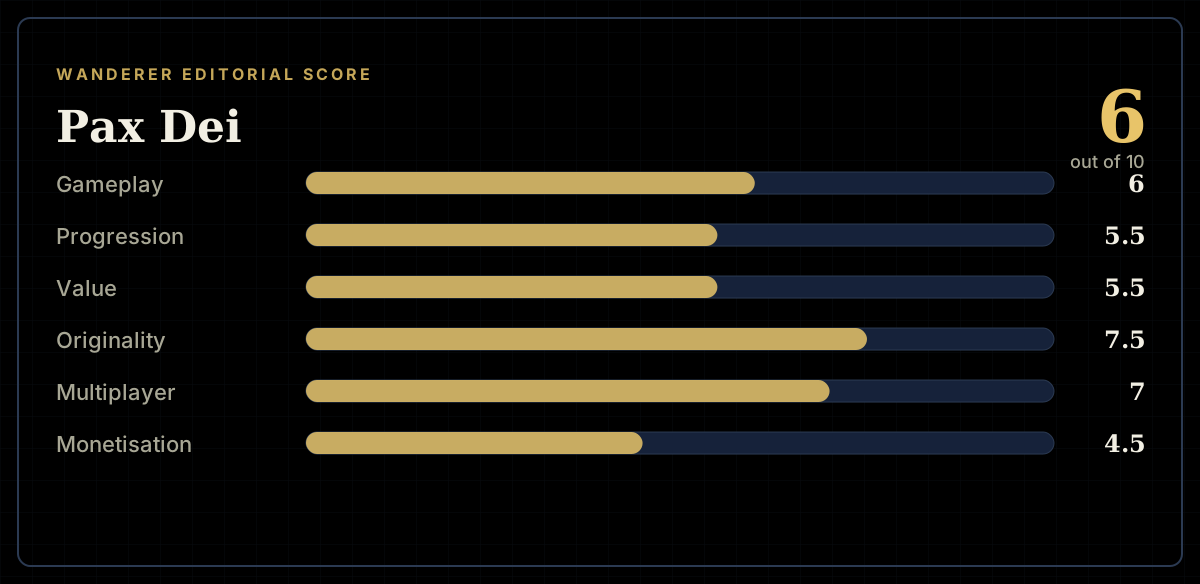
How the review scores each part of the gameWanderer Editorial -
The short versionWanderer Editorial