Game review
Star Trek Online
6 / 10
- Developer
- Cryptic Studios
- Publisher
- Arc Games
- Released
- 2 February 2010
- Platforms
- Windows, PlayStation 4, PlayStation 5, Xbox One, Xbox Series X|S
- Genre
- MMORPG
- Monetisation
- Free-to-play with a premium currency (Zen) and an in-game currency (dilithium) split into unrefined and refined forms, the latter capped by a daily refining limit. A meaningful share of this game's own negative Steam reviews — many from players with thousands of hours logged — specifically single out randomised lockboxes as the primary way new ships are sold, and describe real-money spending in the hundreds to low thousands of dollars chasing them.
- Players
- Full MMORPG — persistent shared world, group content, PvE and PvP, guild ("Fleet") systems
The short version
Star Trek Online's space combat is still something few other MMOs have properly matched, and after sixteen years and a July 2026 anniversary update it remains an actively developed game rather than a maintenance-mode relic. It's also a game whose own Steam reviews are dominated, on the negative side, by veteran players with a median of roughly 550 logged hours turning against its lockbox-driven monetisation specifically — not players who tried it briefly and moved on.
Biggest strengths
- Space combat remains distinctive and well-regarded even by players who otherwise can't recommend the game, with ship-to-ship tactics that few competitors have properly replicated
- A licensed setting spanning every major Star Trek era gives missions a genuine "playable episode" feel that fans specifically credit for the game's appeal
- It's a free entry point with a large amount of story content playable without spending anything, by multiple reviewers' own account
Biggest weaknesses
- A large share of negative Steam reviews, disproportionately from players with a median of roughly 550 hours logged, single out randomised lockboxes as the primary way new ships are sold, with some describing real-money spending well into four figures chasing them
- Progression leans on a dilithium currency split into unrefined and refined forms with a daily refining cap, which a meaningful share of reviews describe as a deliberate grind bottleneck
- The 2010-era engine shows its age in animation and ground combat, acknowledged even by reviewers who otherwise recommend the game
Who it's for: Star Trek fans and space-combat MMO players willing to accept a genuinely aggressive monetisation model in exchange for one of the more distinctive combat systems in the genre. Less suited to players sensitive to lockbox gambling mechanics, or anyone expecting an engine that doesn't show its 2010 origins.
Our recommendation: Worth trying for free specifically for the space combat and the licensed Star Trek setting, but go in with clear eyes about the endgame monetisation — this is one of the more heavily documented lockbox economies in the MMO space, by the account of the players who've spent the most time in it.
6 / 10
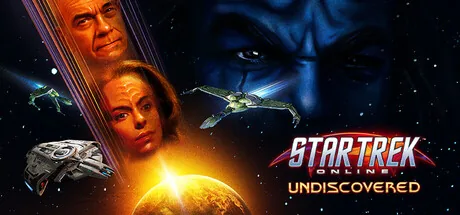
Star Trek Online launched in February 2010 as a subscription MMO, went free-to-play in January 2012 after a change of ownership, and is still receiving new content sixteen years later — a July 2026 update called Undiscovered, timed to the wider franchise's 60th anniversary, rebuilt one of the game's oldest story arcs and brought back two Star Trek: Voyager cast members to reprise their roles. That's a genuinely active development history for a game this old. It's also a game whose own Steam reviews tell a specific, unusual story on the negative side: the players warning others away from it aren't the ones who bounced off it early. They're the ones who stayed for years and watched something change.
Space combat that still hasn't really been matched
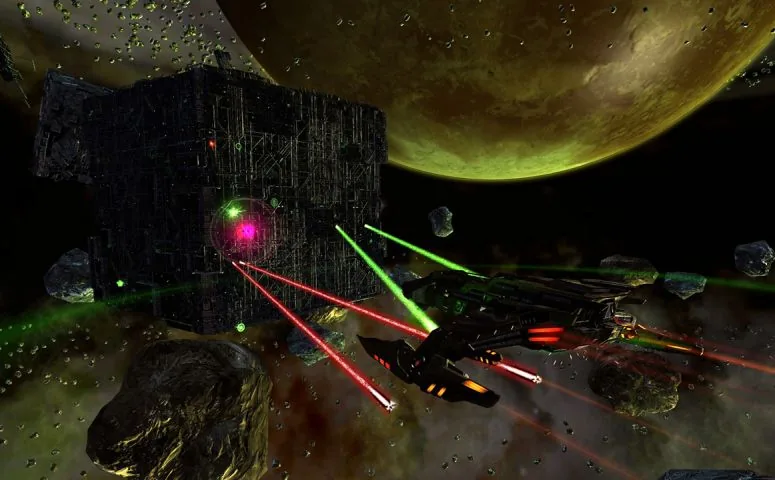
The reason Star Trek Online has lasted this long is the thing almost every review, positive or negative, agrees on: its ship-to-ship space combat is genuinely distinctive, and years of competitors haven't produced a clean equivalent. Managing shield facings, subsystem power allocation and ship-specific abilities in real time gives space encounters a tactical layer most MMOs don't attempt, and it's the one element that shows up as a strength even inside reviews titled "not recommended." Ground combat, by contrast, is consistently described as merely passable — the space half of this game is doing almost all of the heavy lifting for its reputation.
Where the free-to-play grind actually lives
Progression runs through dilithium, a currency that comes in unrefined and refined forms — you can earn unrefined dilithium relatively freely, but only a capped amount can be converted to the refined dilithium actually usable for purchases and upgrades each day. Multiple reviews describe this specific split as a deliberate bottleneck rather than an incidental limitation, one long-time player putting the daily refining cap at 8,000 ore and describing the whole system as the game's central point of friction. It's a common enough structure across free-to-play MMOs, but Star Trek Online's version comes up often enough in its own review sample to be treated as a defining feature of playing it long-term rather than a minor annoyance.
The reviews that matter most here come from the veterans
What makes this game's Steam review sample unusual is who's writing the negative ones. The median playtime among a sample of a hundred negative reviews sits at roughly 550 hours — this isn't a population of players trying the game for an evening and refunding it, it's players who invested years before writing a review warning others off. Repeatedly, and independently, those reviews single out the same thing: randomised lockboxes as the primary way new ships are sold, with individual reviewers describing real-money spending that runs from hundreds of dollars into what one specifically estimated at over £2,000 chasing specific ships. Several date the shift specifically to 2011, when Perfect World Entertainment acquired developer Cryptic Studios from Atari — a change of ownership Star Trek Online has been through several more times since, most recently spinning out of Embracer Group in late 2025 into a newly independent Cryptic Studios under the Project Golden Arc banner. That's an unusually well-documented, internally consistent account from a game's most invested players, and it's worth weighing more heavily than a typical launch-week monetisation complaint precisely because of who's making it.
An engine that hasn't hidden its age
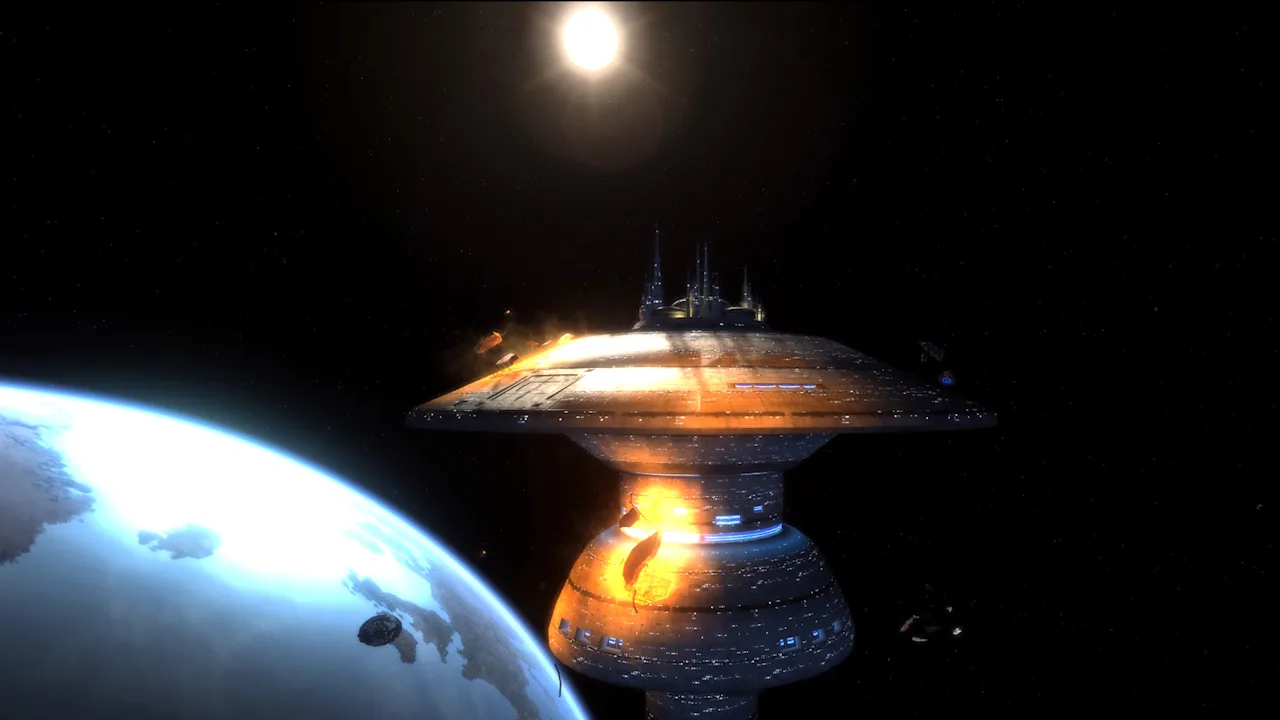
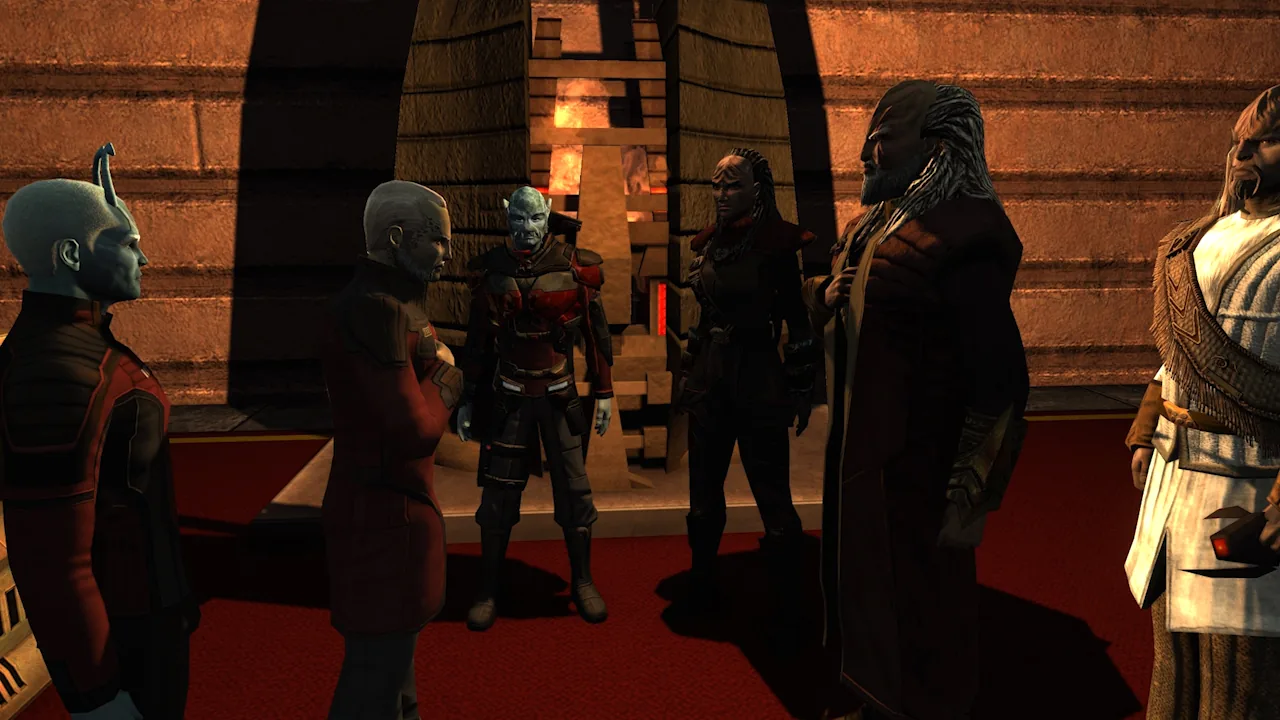
Even reviewers who recommend the game without reservation tend to note the same thing: this is a 2010-era MMO engine, and it shows in animation quality and ground-combat presentation particularly. One long-time player compared the experience directly to Lord of the Rings Online — "very dated gameplay & animations, but a lovingly crafted universe" — and that framing captures the trade-off fairly. Space vistas and ship models hold up reasonably well; character animation and ground environments read their age more plainly.
Still boldly going, sixteen years in
What keeps Star Trek Online from reading as a legacy MMO on autopilot is that it's still visibly being worked on. The Undiscovered update didn't just add another story arc onto the pile — it rebuilt one of the game's original arcs and brought back specific voice cast from Star Trek: Voyager to do it, a genuine investment for a franchise anniversary rather than a low-effort seasonal refresh. For players who care about the license specifically, that ongoing commitment is part of the appeal in a way a purely mechanical review can undersell.
Verdict
Six out of ten. Star Trek Online earns real credit for space combat that still doesn't have a clean equivalent elsewhere in the genre, a licensed setting its fans specifically value, and sixteen years of continued, visible development that culminated in a genuine anniversary content push in 2026. What holds the score down is equally real and comes from the people who know this game best: a dilithium economy built around a deliberate daily bottleneck, and a lockbox-driven monetisation model that its own thousand-hour veterans — not newcomers — describe as the reason they can no longer recommend a game they clearly still love. Try it for free for the combat and the setting. Go in knowing exactly what the endgame storefront looks like before you get attached.
Review data and ownership history checked 3 August 2026.
Pros and cons
Pros
- Space combat remains distinctive and well-regarded even by players who otherwise can't recommend the game, with ship-to-ship tactics that few competitors have properly replicated
- A licensed setting spanning every major Star Trek era gives missions a genuine "playable episode" feel that fans specifically credit for the game's appeal
- It's a free entry point with a large amount of story content playable without spending anything, by multiple reviewers' own account
- Sixteen years in, the game is still actively developed — a July 2026 anniversary update reworked one of its oldest story arcs rather than coasting on legacy content
Cons
- A large share of negative Steam reviews, disproportionately from players with a median of roughly 550 hours logged, single out randomised lockboxes as the primary way new ships are sold, with some describing real-money spending well into four figures chasing them
- Progression leans on a dilithium currency split into unrefined and refined forms with a daily refining cap, which a meaningful share of reviews describe as a deliberate grind bottleneck
- The 2010-era engine shows its age in animation and ground combat, acknowledged even by reviewers who otherwise recommend the game
- Several long-time players specifically date the shift toward heavier monetisation to Perfect World's 2011 acquisition of developer Cryptic Studios, a change of hands the game has been through several more times since
Screenshots
-
Star Trek OnlineImage: Arc Games via Steam -
Star Trek OnlineImage: Arc Games via Steam -
Star Trek OnlineImage: Arc Games via Steam -
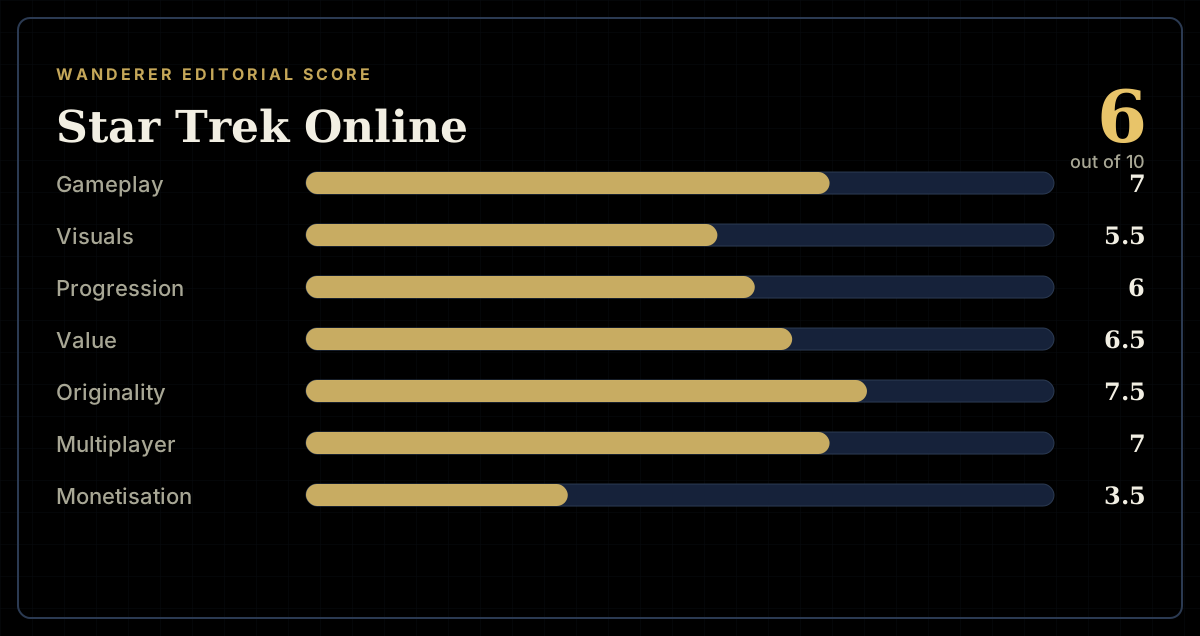
How the review scores each part of the gameWanderer Editorial -
The short versionWanderer Editorial