Game review
Ragnarok Online
6.5 / 10
- Developer
- Gravity Interactive
- Publisher
- Gravity Interactive
- Released
- 31 August 2002
- Platforms
- Windows
- Genre
- MMORPG
- Monetisation
- Free-to-play on Steam. The wider Ragnarok franchise has expanded heavily into separate mobile and PC spin-off titles in recent years — Ragnarok: The New World and Ragnarok X: Next Generation among them — which are different products with their own monetisation, not covered by this review.
- Players
- Full MMORPG — persistent shared world, guild ("Guild") systems, large-scale Guild-versus-Guild siege content (War of Emperium)
The short version
Ragnarok Online helped define the job-class MMORPG template the genre still leans on, and its sprite-over-3D-background art style remains instantly recognisable a generation later. That historical importance is real. What's much less clear, twenty-four years on, is how much of that original game is still alive on Steam specifically — its own review sample there is tiny and entirely dated to 2016-2017, a strong sign that most of this game's current life happens elsewhere, including on a large ecosystem of unofficial private servers.
Biggest strengths
- The job-class system — branching from four base classes into specialised advanced jobs — was genuinely influential and still holds up as a clear, legible progression structure
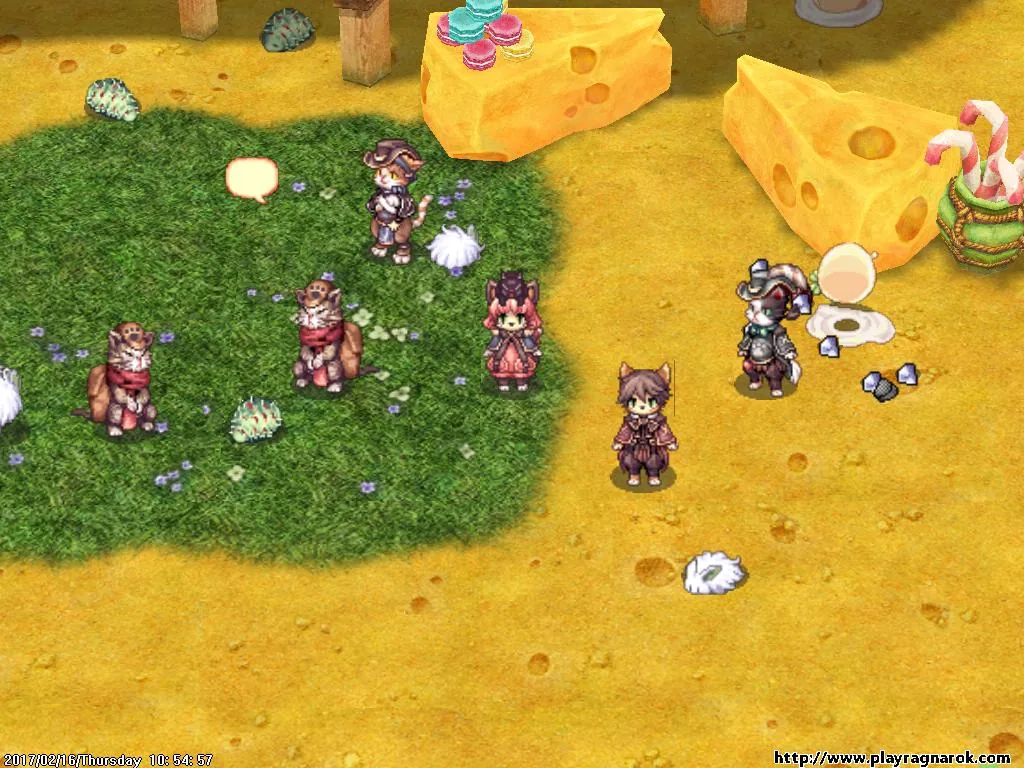
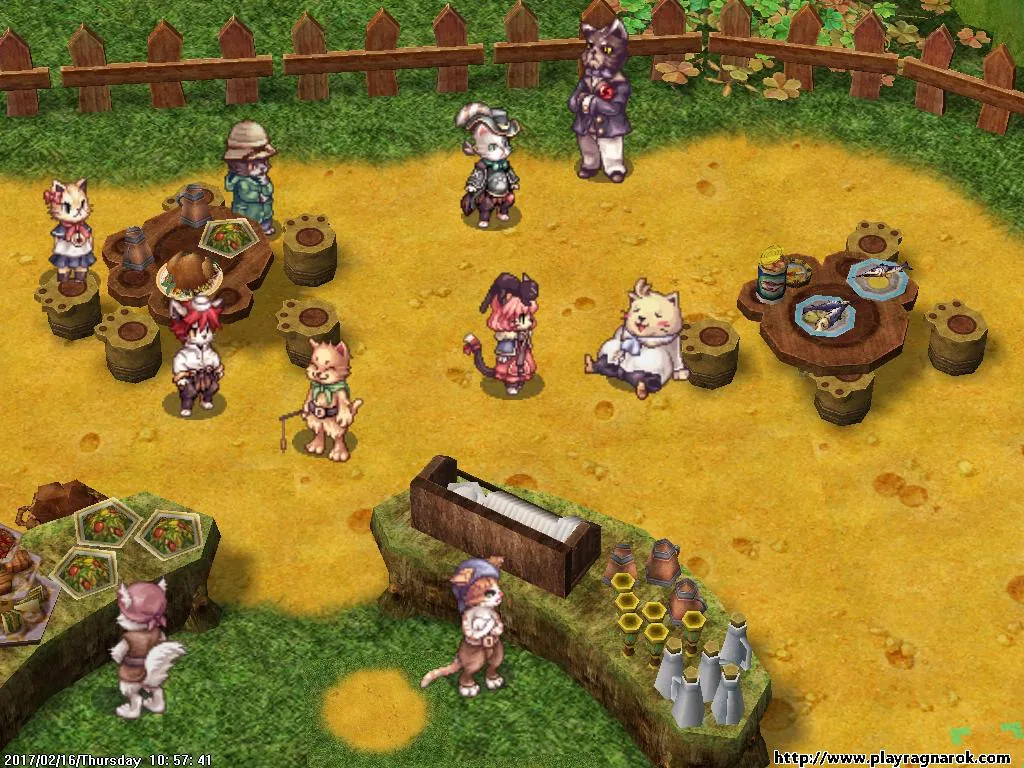
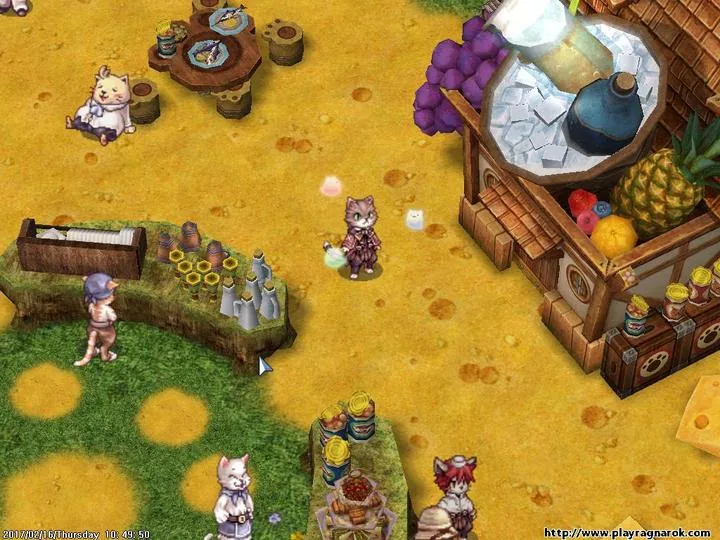
- The 2D sprite-over-3D-isometric-background art style is distinctive and immediately recognisable, a big part of why the game has the cultural footprint it does
- Large-scale Guild-versus-Guild siege content (War of Emperium) gave the genre one of its earlier large-scale PvP formats
Biggest weaknesses
- Ragnarok Online's Steam review sample is small and dated — every review in a full read-through of the available English sample was posted in 2016 or 2017, a strong indicator that the official Steam client isn't where this game's current activity, if any, is concentrated
- Several available reviews describe unresolved class-balance issues and friction with the account-launcher software required to play
- A large, well-documented ecosystem of unofficial private servers exists specifically because official-server population and content pacing haven't kept every part of the playerbase satisfied — a real signal about the official service's health
Who it's for: Players with genuine nostalgia for early-2000s Korean MMORPGs, and anyone curious about a genre-founding title's original systems. Less suited to players wanting an actively thriving modern MMO community through the official Steam client specifically, or anyone who wants Gravity's most current work — that's now largely happening in separate mobile spin-offs.
Our recommendation: Worth trying for the historical curiosity and the job-class system's genuine influence on the genre, but go in aware that the official Steam version's own review base hasn't meaningfully turned over in about a decade — a strong sign of where this specific release actually sits today.
6.5 / 10
Ragnarok Online launched in South Korea on 31 August 2002, following an open beta that had already pulled in over a million members by January that year, and spread quickly through licensed releases across Japan, Taiwan and dozens of other regions inside its first year alone. Based on Lee Myung-jin's manhwa of the same name, it became one of the small handful of games that actually defined what an early-2000s Korean MMORPG looked and played like — alongside titles like Lineage and MapleStory — and its job-class system and 2D-sprites-over-3D-backgrounds art style are still recognisable influences on the genre a generation later. That history is genuinely significant. What's much less certain, reviewing the specific Steam release available today, is how much of the original game's active life is actually still happening there.
A job-class system that outlived its own game
Every character starts as a Novice and branches into one of several first-job classes — Swordman, Mage, Archer, Acolyte, Merchant, Thief — before advancing further into a second tier of more specialised roles. That branching structure, simple to explain and legible at a glance, became a template plenty of later MMORPGs borrowed wholesale, and it still holds up as clean, readable design decades on. Large-scale Guild-versus-Guild siege content, War of Emperium, gave the genre one of its earlier proper large-scale PvP formats too, at a time when most competitors were still figuring out what MMO PvP should even look like.
A review sample that reads like a time capsule
Here's the part worth being direct about: reading through the game's available English-language Steam reviews in full turns up only a handful, and every single one carries a timestamp from 2016 or 2017. That's not a filtering artifact — it's the entire available sample. A game with this much genuine cultural history showing essentially no fresh Steam review activity in roughly a decade is a strong, specific signal about where this particular release sits today, separate from whatever is happening with the wider Ragnarok brand elsewhere. Within that dated sample, the complaints are consistent with a live service that had stopped actively servicing some of its players even back then: unresolved class-balance issues players describe as "a long time ago" and never fixed, and friction with the WarpPortal account-launcher software some reviews describe as broken outright.
Nostalgia, grinding, and the honesty of "boring alone"
The positive side of that same small sample is almost entirely built on nostalgia — reviewers in their thirties recalling skipping school to play, or simply writing "bring back memories" without elaborating further. One line captures the game's actual current appeal more precisely than any mechanical breakdown could: a reviewer who called it "the best MMORPG I've ever played" also noted it "can be boring alone." Ragnarok Online was built around grinding specific spawns with specific class synergies in a group, and on the official Steam client specifically, finding that group in 2026 is a much bigger open question than it would have been in 2003.
The private servers that arguably kept this alive longer than the official service
It's worth naming directly what a large share of this game's actual ongoing player activity looks like: a substantial, well-documented ecosystem of unofficial private servers, independent of publisher Gravity, some reportedly running active populations in the thousands with their own regular War of Emperium events and community Discords. That ecosystem exists specifically because official-server population, balance patches and content pacing haven't kept every corner of this game's audience satisfied over two decades — private servers are, in effect, a real signal about where the demand for "Ragnarok Online specifically, the 2002 game" actually still lives, separate from the official Steam release this review covers.
Where Gravity's actual energy is going instead
None of this means the Ragnarok brand is dormant — it plainly isn't. Gravity has been actively expanding the wider franchise into new mobile and PC spin-offs, including a January 2026 Western European and Middle Eastern launch for Ragnarok X: Next Generation and Ragnarok: The New World's own regional rollout, both separate products with their own systems and monetisation. That's real, current investment from the publisher — it's simply not landing on the original 2002 game's Steam client, which is worth knowing before expecting an actively evolving experience there specifically.
Verdict
Six and a half out of ten. Ragnarok Online earns real credit for what it actually did to the MMORPG genre — a job-class system and an art style that are still recognisable influences two decades later, and a piece of gaming history genuinely worth experiencing for that reason alone. What keeps the score from climbing is specific to the release being reviewed here: a Steam review base that hasn't meaningfully turned over since around 2017, unresolved complaints from that same dated sample, and a wider ecosystem — from private servers to the publisher's own newer spin-offs — that suggests most of what's actually alive about Ragnarok in 2026 isn't happening on this specific storefront listing. Play it for the history. Don't expect the thriving 2002-era community that made it worth playing in the first place.
Review data and franchise history checked 3 August 2026.
Pros and cons
Pros
- The job-class system — branching from four base classes into specialised advanced jobs — was genuinely influential and still holds up as a clear, legible progression structure
- The 2D sprite-over-3D-isometric-background art style is distinctive and immediately recognisable, a big part of why the game has the cultural footprint it does
- Large-scale Guild-versus-Guild siege content (War of Emperium) gave the genre one of its earlier large-scale PvP formats
- It's free to try, with two decades of accumulated systems and content available immediately
Cons
- Ragnarok Online's Steam review sample is small and dated — every review in a full read-through of the available English sample was posted in 2016 or 2017, a strong indicator that the official Steam client isn't where this game's current activity, if any, is concentrated
- Several available reviews describe unresolved class-balance issues and friction with the account-launcher software required to play
- A large, well-documented ecosystem of unofficial private servers exists specifically because official-server population and content pacing haven't kept every part of the playerbase satisfied — a real signal about the official service's health
- Progression is built around the genre's original, deliberately slow grind conventions, which reads very differently to players used to two decades of MMORPG design since
Screenshots
-
Ragnarok OnlineImage: Gravity Interactive via Steam -
Ragnarok OnlineImage: Gravity Interactive via Steam -
Ragnarok OnlineImage: Gravity Interactive via Steam -
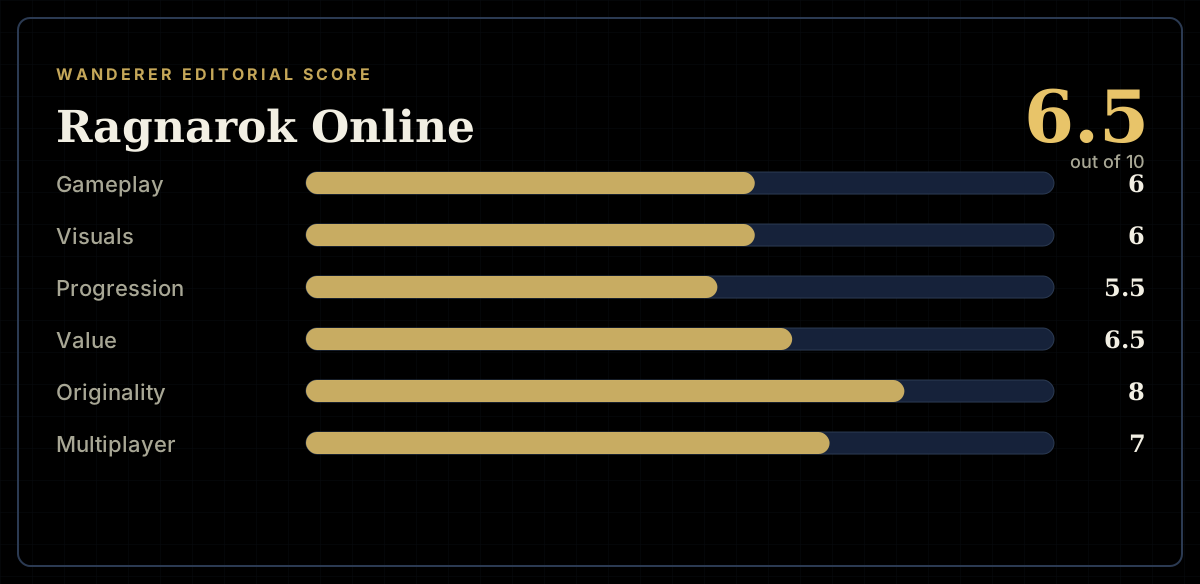
How the review scores each part of the gameWanderer Editorial -
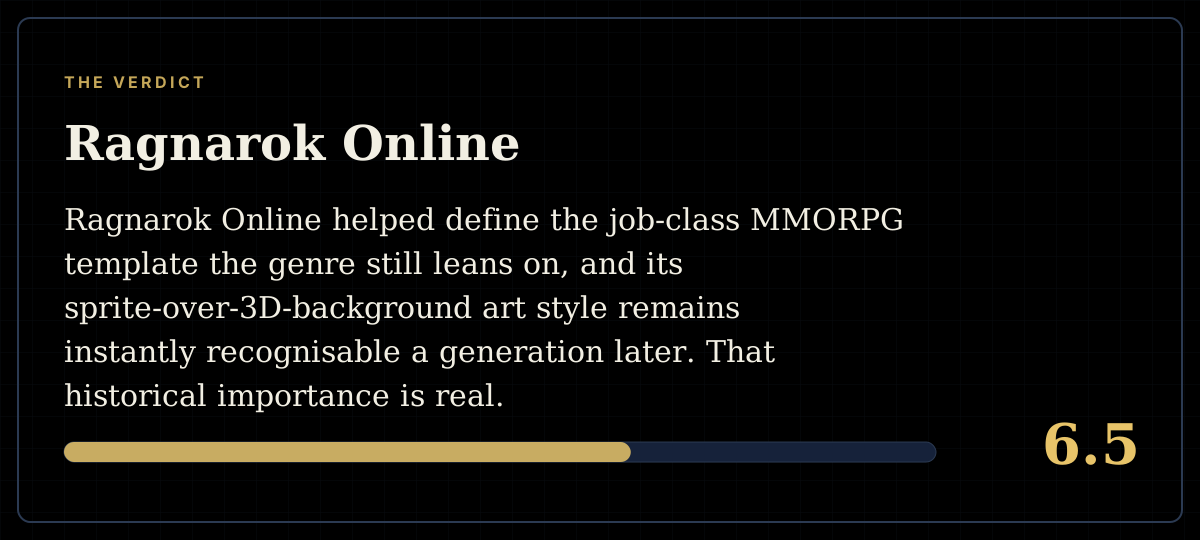
The short versionWanderer Editorial