Game review
RyuuKotoba/Flowing Words
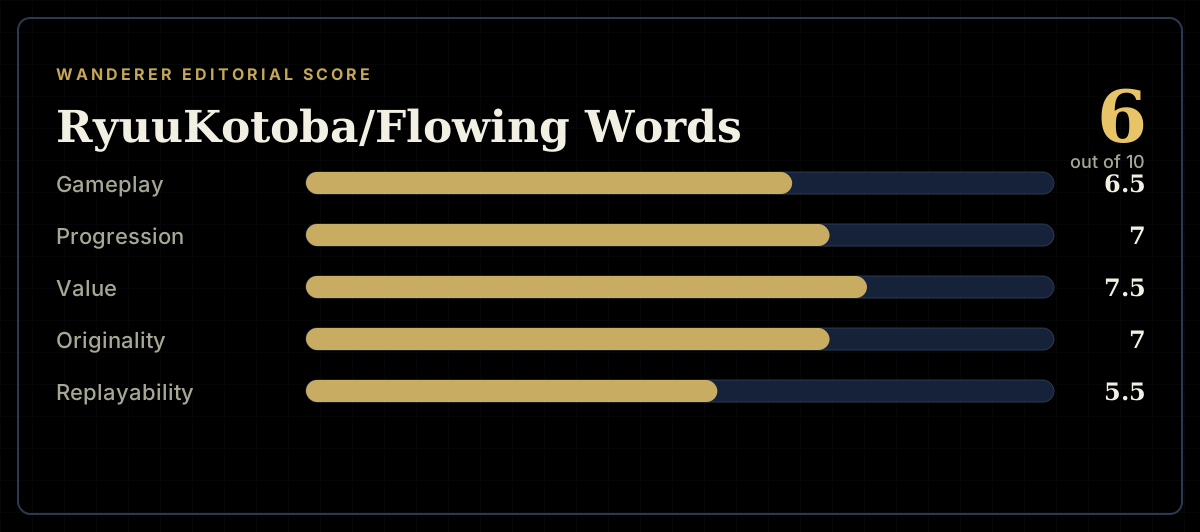
6 / 10
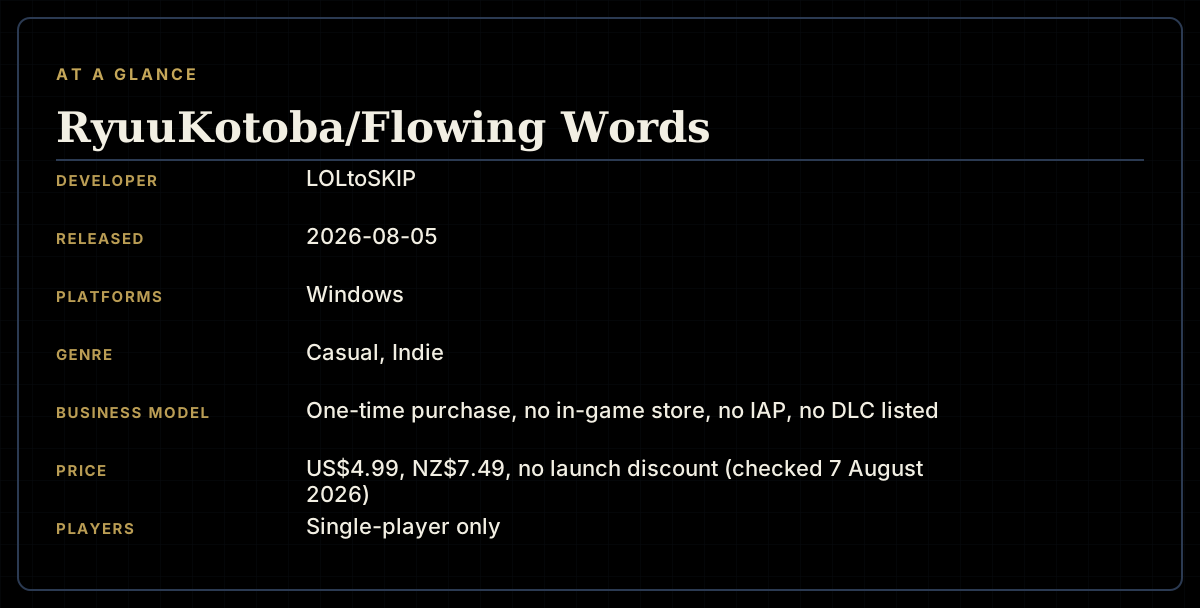
- Developer
- LOLtoSKIP
- Publisher
- LOLtoSKIP
- Released
- 5 August 2026
- Platforms
- Windows
- Genre
- Casual, Indie
- Monetisation
- One-time purchase, no in-game store, no IAP, no DLC listed
- Players
- Single-player only
The short version
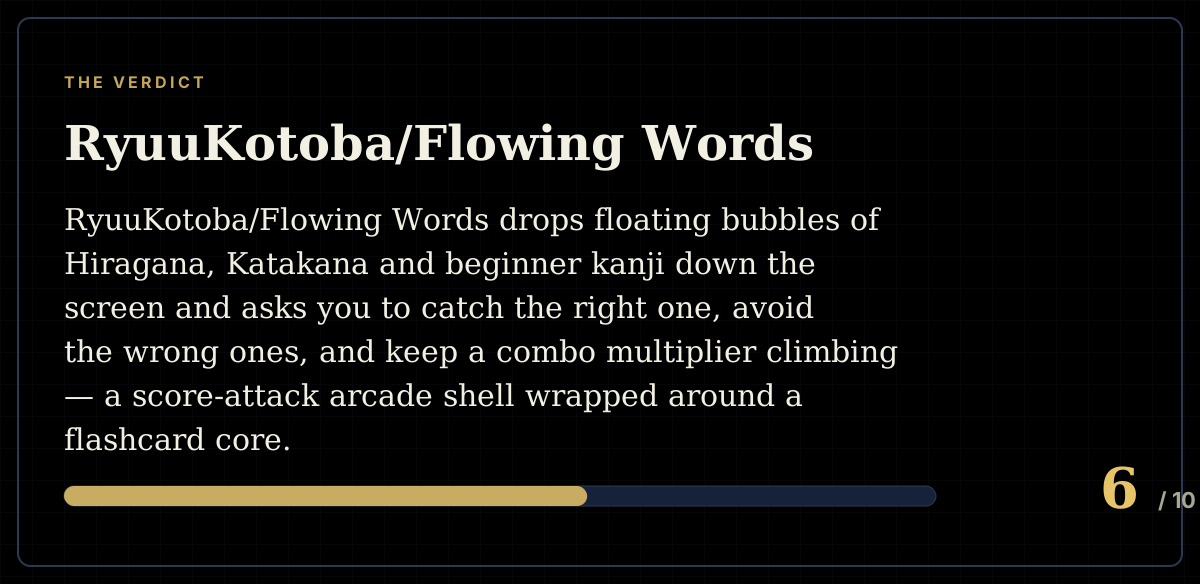
RyuuKotoba/Flowing Words drops floating bubbles of Hiragana, Katakana and beginner kanji down the screen and asks you to catch the right one, avoid the wrong ones, and keep a combo multiplier climbing — a score-attack arcade shell wrapped around a flashcard core. What sets it apart from the usual kanji-quiz app is the curriculum underneath: its own achievement list shows the 104 N5-level kanji split into a dozen real vocabulary categories — numbers, town, nature, school, body, directions, money and more — the same way a beginner Japanese textbook groups vocabulary, rather than treating kanji as one undifferentiated pile. It is honest about its limits too, stating plainly that it teaches character recognition and nothing about grammar or conversation. Two days after launch there is no user-review corpus, no meaningful concurrent population, and the developer's own first patch note already flags an achievement bug — so the pitch is more verifiable than the execution right now.
Biggest strengths
- The catch-and-avoid loop with an escalating combo multiplier turns rote character recognition into something closer to a real arcade dodging game, not a static flashcard screen, per the store's own screenshots and description
- All 104 N5 kanji are grouped into explicit real-world categories — numbers, body, town, nature, school, people, directions, money and more — mirroring how beginner textbooks teach vocabulary rather than presenting kanji as one shuffled deck
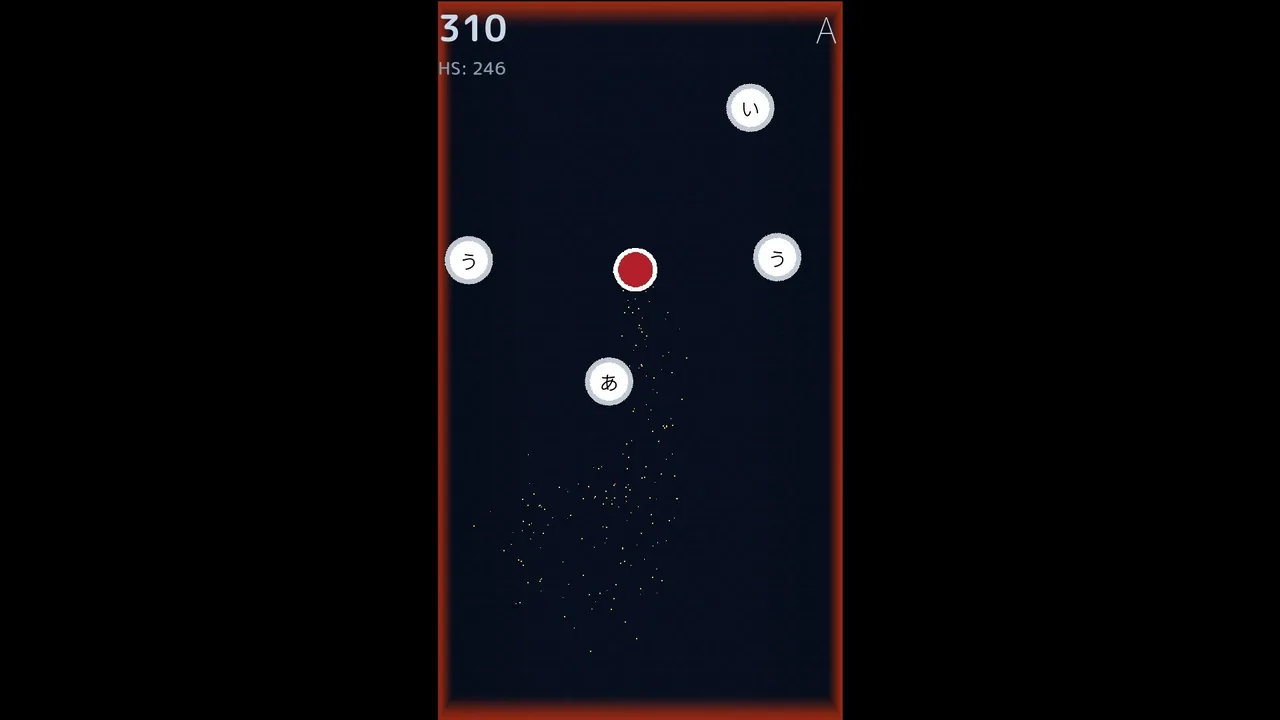
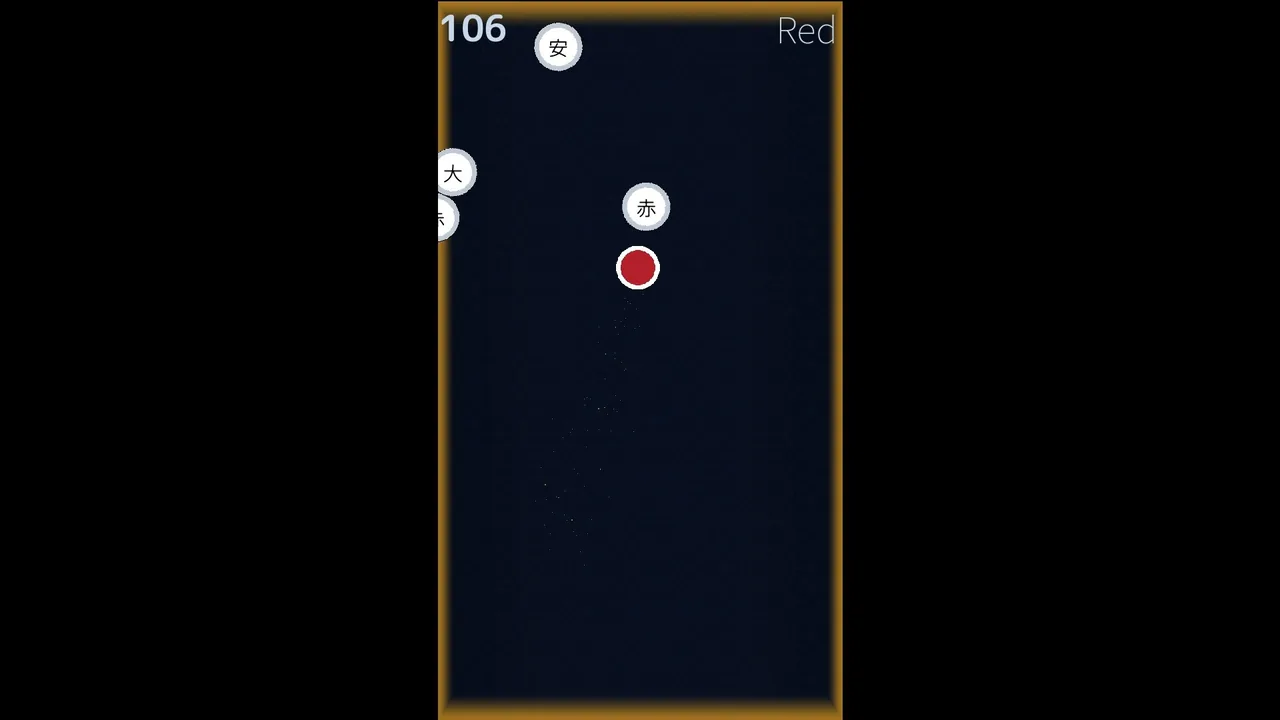
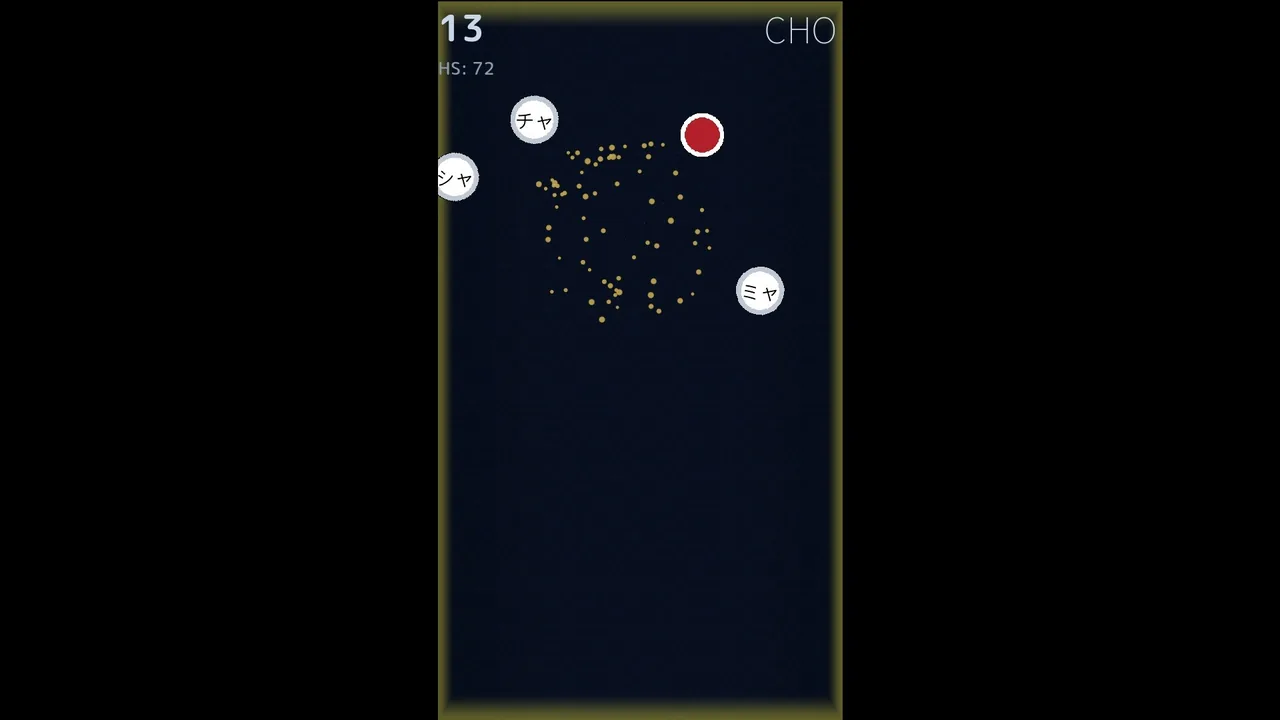
- Store screenshots show at least three distinct question types within the same loop — matching a character to its reading, to an English meaning, and to a multi-character katakana combination — which is consistent with the store page's claim of 36 gameplay modes rather than one drill wearing different labels
Biggest weaknesses
- Zero user reviews exist in any language at the time of writing, so pacing, difficulty balance and bug count currently rest entirely on the store page's own claims
- Steam's global achievement data shows every one of the twelve individual N5 category achievements sitting at 0% even though the umbrella "master all N5 kanji" achievement has fired for at least one player — a mismatch that lines up with the developer's own day-after-launch patch note about achievements not unlocking correctly
- It teaches recognition only; the store page says outright that grammar, speaking and conversation are out of scope, so this is a drilling companion rather than a way to learn Japanese by itself
Who it's for: Learners already working through a real Japanese course who want a quick, gamified drill for kana and early kanji recognition, plus anyone curious about the script who wants a cheap, low-stakes way to poke at it — not a substitute for a textbook or app built around grammar and speaking.
Our recommendation: Worth the five-dollar gamble for its structure and its honesty about scope, but buy it knowing almost nothing about it has been independently confirmed yet — no reviews, a near-empty achievement population, and a known achievement bug the developer is still chasing.
6 / 10
Most kanji-recognition games on Steam are flashcards with a coat of paint: a character appears, you pick an answer from a list, a counter goes up. RyuuKotoba/Flowing Words puts the character inside a small physics toy instead — bubbles carrying Hiragana, Katakana and beginner kanji drift and fall across the screen, a handful of them wrong, one of them the target, and you're chasing a combo multiplier while you sort them. That reframing, from "answer the question" to "catch the right thing before it gets away," is a small design choice that does a lot of work, and it's the reason this earns more attention than its five-dollar price tag might suggest.
Learn, then play, then learn again
The structure the store page describes is a simple two-phase loop: reference pages that introduce Hiragana, Katakana and kanji "broken into bite-sized pieces so nothing feels overwhelming," followed by the arcade mode where those same characters show up as moving targets. The developer's own screenshots show what that looks like in practice — a minimalist dark screen with a faint geometric pattern, a red cursor orb the player steers, white bubbles each carrying one character, a running score and high-score counter in the top-left corner, and a prompt in the top-right telling you what to hunt for. Crucially, that prompt changes what kind of match you're making: one screenshot asks for the romaji reading of a lone hiragana character ("A"), another asks for the English meaning of a kanji ("Red," pointing at 赤), and a third asks for a specific katakana digraph among several similar-looking bubbles ("CHO," picking out a chi-plus-small-yo combination). That's at least three distinct question types running through the same catch-and-dodge shell, which lines up with the store page's claim of 36 separate gameplay modes rather than one drill dressed up 36 different ways.
A curriculum shape, not a shuffled deck
The most interesting evidence about how seriously this was built doesn't come from the marketing copy — it comes from Steam's own achievement list. Of the 39 achievements configured for the game, 24 belong to twelve paired "mastery" and "complete" achievements, one pair per kanji category: numbers, daily life, movement, body, town, nature, school, people, size, directions, parts of the day, and money. That's not a random split. It's the same organisational logic beginner Japanese textbooks use when they introduce vocabulary in themed chapters rather than an alphabetised or frequency-sorted list, and building it directly into the achievement structure suggests the 104-kanji N5 set was deliberately curated into study units rather than dumped into the arcade mode as one shuffled pile. Separate achievement pairs exist for Hiragana and Katakana mastery too, plus an umbrella pair for having mastered or fully completed all N5 kanji at once, alongside score milestones (SCORE_50 through SCORE_600) and combo milestones (COMBO_5 through COMBO_20) that track the arcade side specifically.
The ten achievements Steam highlights by default show more personality than their plain internal names suggest. The combo tiers are named Embers, Heating Up, I'm On Fire and Blazing Hot — an escalating heat metaphor for chaining catches — while milestone achievements carry names like First Breath, Finding The Rhythm, Words In Motion, Torrent and Flood, and full completion is marked with a small pun, "こmplete," swapping a hiragana こ into the English word. It's a minor detail, but it's the kind of care that's easy to skip on a solo project and wasn't.
Just as important is what the game says it won't do. Its own description states the aim plainly: "It'll help you recognise characters, readings and meanings. It won't teach you grammar, speaking or how to hold a conversation — but that's what textbooks are for." That's an unusually honest scoping statement for a five-dollar arcade game to volunteer, and it matters for judging whether the progression system here builds real competence or just produces a quiz score. Recognition drilling is a genuine, well-supported part of early language study — it's what flashcard tools like Anki are built around — and organising that drilling into real semantic categories rather than random order is a legitimate pedagogical choice, not just game-design dressing. What it can't do, and doesn't claim to, is replace a course that teaches sentence structure or how to actually use any of these words. Read as a companion drill for hiragana, katakana and the N5 kanji list specifically, the structure holds up to scrutiny; read as "learn Japanese," it would be overselling itself, and to its credit it doesn't.
What two days of data actually shows
Where the picture gets less certain is everything downstream of the design. As of this writing there are no user reviews in any language, and a snapshot check of concurrent players returned zero online at that moment — a single dated reading, not a claim about the game's typical population, but not a reassuring one for a title released 5 August 2026.
The achievement data adds a second, more specific wrinkle. Every one of the twelve individual N5 category achievements — Numbers, Daily, Movement, Body, Town, Nature, School, People, Size, Directions, Parts of the Day, Money, both mastery and complete tiers — sits at exactly 0% globally. That's true even though the umbrella "master all N5 kanji" achievement has fired for at least one player, which is a strange combination: it implies someone reached the top-level milestone without any of the category-level ones registering underneath it. The developer's own first patch note, posted the day after launch, is titled "Small Achievement Fix" and describes fixing a bug where "certain achievements not unlocking." That doesn't prove the category achievements specifically were part of that fix, but the timing and the symptom line up closely enough that it's worth flagging rather than reading the 0% column as "nobody has gotten this far yet." Either way, it means the categorised curriculum this review is crediting as a design strength is currently unverifiable end-to-end through the game's own tracking.
Price, platform and the fine print
The commercial shape is about as clean as reviews in this library ever get to report: US$4.99 (NZ$7.49), one-time purchase, no discount at launch, no in-game store, no DLC listed, and no AI-content disclosure section on the store page at all — there's simply nothing in that category to disclose. Content descriptors are empty, matching a release built for a general audience rather than one carrying any warnings. The catch is narrower availability than a lot of small Steam games manage: Windows only, English as the sole interface language, and only "partial" controller support alongside dedicated keyboard-only and mouse-only options, which suggests the core interaction was built around precise cursor movement rather than a controller stick. For a five-dollar drilling tool that's a minor complaint, but it does mean the audience is narrower than the pitch alone implies.
A search of Steam's storefront for both the game's name and the developer, LOLtoSKIP, turns up nothing else under either — this appears to be the studio or individual's only current release, with no back catalogue to judge a track record against one way or the other.
Final verdict
RyuuKotoba/Flowing Words earns a 6.0 for a genuinely thoughtful piece of design: an arcade catch-and-dodge loop that makes character recognition feel like a game rather than a quiz, built on top of a kanji curriculum that's organised the way a real textbook would organise it, and honest about the fact that it drills recognition and nothing more. It doesn't score higher because almost nothing about whether that design actually holds up in practice has been confirmed by anyone outside the developer yet — there are no user reviews, no meaningful concurrent population, and the game's own achievement data currently contradicts itself in a way the developer has already had to patch once. At under five dollars, the risk of finding out for yourself is small; buy it now if a gamified kana and early-kanji drill sounds useful alongside a real course, and wait for the review count to grow past zero if you want outside confirmation the loop stays fun once the novelty of catching bubbles wears off.
Pros and cons
Pros
- The catch-and-avoid loop with an escalating combo multiplier turns rote character recognition into something closer to a real arcade dodging game, not a static flashcard screen, per the store's own screenshots and description
- All 104 N5 kanji are grouped into explicit real-world categories — numbers, body, town, nature, school, people, directions, money and more — mirroring how beginner textbooks teach vocabulary rather than presenting kanji as one shuffled deck
- Store screenshots show at least three distinct question types within the same loop — matching a character to its reading, to an English meaning, and to a multi-character katakana combination — which is consistent with the store page's claim of 36 gameplay modes rather than one drill wearing different labels
- At US$4.99/NZ$7.49 with no IAP, no DLC and no in-game store, the price is low enough that a wrong bet costs very little
- Content descriptors are entirely clean and no AI-content disclosure section appears on the store page at all, a straightforwardly low-controversy release
Cons
- Zero user reviews exist in any language at the time of writing, so pacing, difficulty balance and bug count currently rest entirely on the store page's own claims
- Steam's global achievement data shows every one of the twelve individual N5 category achievements sitting at 0% even though the umbrella "master all N5 kanji" achievement has fired for at least one player — a mismatch that lines up with the developer's own day-after-launch patch note about achievements not unlocking correctly
- It teaches recognition only; the store page says outright that grammar, speaking and conversation are out of scope, so this is a drilling companion rather than a way to learn Japanese by itself
- English is the only interface language listed, and the game is Windows-only with no full controller support confirmed, only a "partial" tag
- A concurrent-player check at the time of writing returned zero players online, a single dated snapshot rather than a claim about typical population, but not a reassuring one two days after launch
Screenshots
-
RyuuKotoba/Flowing WordsImage: LOLtoSKIP via Steam -
RyuuKotoba/Flowing WordsImage: LOLtoSKIP via Steam -
RyuuKotoba/Flowing WordsImage: LOLtoSKIP via Steam -
How the review scores each part of the gameWanderer Editorial -
The game at a glanceWanderer Editorial -
The short versionWanderer Editorial