Game review
Vindictus
6 / 10
- Developer
- devCAT (Nexon)
- Publisher
- Nexon America
- Released
- 13 October 2010
- Platforms
- Windows
- Genre
- Action MMORPG
- Monetisation
- Free to play with an NX/Airgead cash shop, bought in fixed dollar increments. The July 2026 rotation is representative: Fiesta Crystal randomised boxes at 1,900 NX each, scaling to a 95-box bundle at 180,500 NX; Guardian advancement packages at 24,900 NX apiece, sold in per-account limits and containing the fragments and boss essences endgame gear upgrades consume; a recurring Hero Pass; and outfits, which are the game's real long-term money. Gear enhancement is randomised and can fail. Checked 3 August 2026.
- Players
- Party-based instanced action MMO. Battles are 1–4 player dungeon and boss runs rather than an open world, with a town hub, guilds and a player market. Recent-era endgame is built around raid bosses and the Redeemers tier, where solo modes exist for regular raids but the hardest content assumes a coordinated group — the practical barrier for returning players.
The short version
Nothing else in the free-to-play space swings a weapon like Vindictus does. Sixteen years after launch its combat still reads better than most premium action games — weight, commitment, recovery frames, physics objects you can pick up and throw at a boss. The tragedy is what has happened around it. The dungeon-crawling middle of the game has been compressed into a story fast-forward that hands you gear and drops you at the current endgame, where the difficulty multiplies and the shop is waiting. Play it for the combat. Expect the progression to run out from under you.
Biggest strengths
- The combat is still the best argument for the game — heavy, committed, physics-driven melee on the Source engine that almost no free-to-play title has matched since
- Characters are hand-designed heroes with genuinely distinct movesets rather than a class picker with shared animations
- Boss encounters are readable, pattern-based fights in the Monster Hunter tradition, and they still hold up as encounters
Biggest weaknesses
- That same story skip has hollowed out the middle game; the dungeon crawling, gear crafting and party questing that people played this game for in 2010 are now something you're accelerated past rather than through
- Endgame progression runs on randomised enhancement and consumable fragments that the cash shop sells directly, in packages priced up to 24,900 NX each
- Current raid tiers assume a coordinated group, and the returning-player accounts describe needing to be carried for months to reach content released in the last two years
Who it's for: Action-game players who want Monster Hunter-style weight in a free MMO and are happy to treat it as a weekend rather than a career, and lapsed players curious what a decade of restructuring did. Poorly suited to anyone who wants a long, earned progression curve, and to solo players hoping to reach current raid content without a guild.
Our recommendation: Download it, run the free first ten to twenty hours, and enjoy one of the genre's great combat systems while the game is still handing you everything. Stop when the story fast-forward ends — that's the point where the game stops being generous and starts being a gear-enhancement economy with randomised failure. Anyone intending to stay past that needs a guild first and a budget second.
6 / 10
Pick up a boulder in a Vindictus dungeon, wait for the boss to charge, and throw it. The boss staggers. Not because a script says "stagger here" — because a physics object hit it while it was committed to an animation. That was extraordinary in 2010, when this was a Source engine curiosity called Mabinogi Heroes, and the strange thing is that it is still extraordinary in 2026. Sixteen years of action games have come and gone and the free-to-play space still hasn't produced melee combat with this much weight in it.
Everything else about the game has been renovated, compressed, monetised and renovated again.
The combat is not nostalgia
It's worth being precise about why this system still works, because "Vindictus had great combat" has been said so often it's become a slogan people repeat without checking.
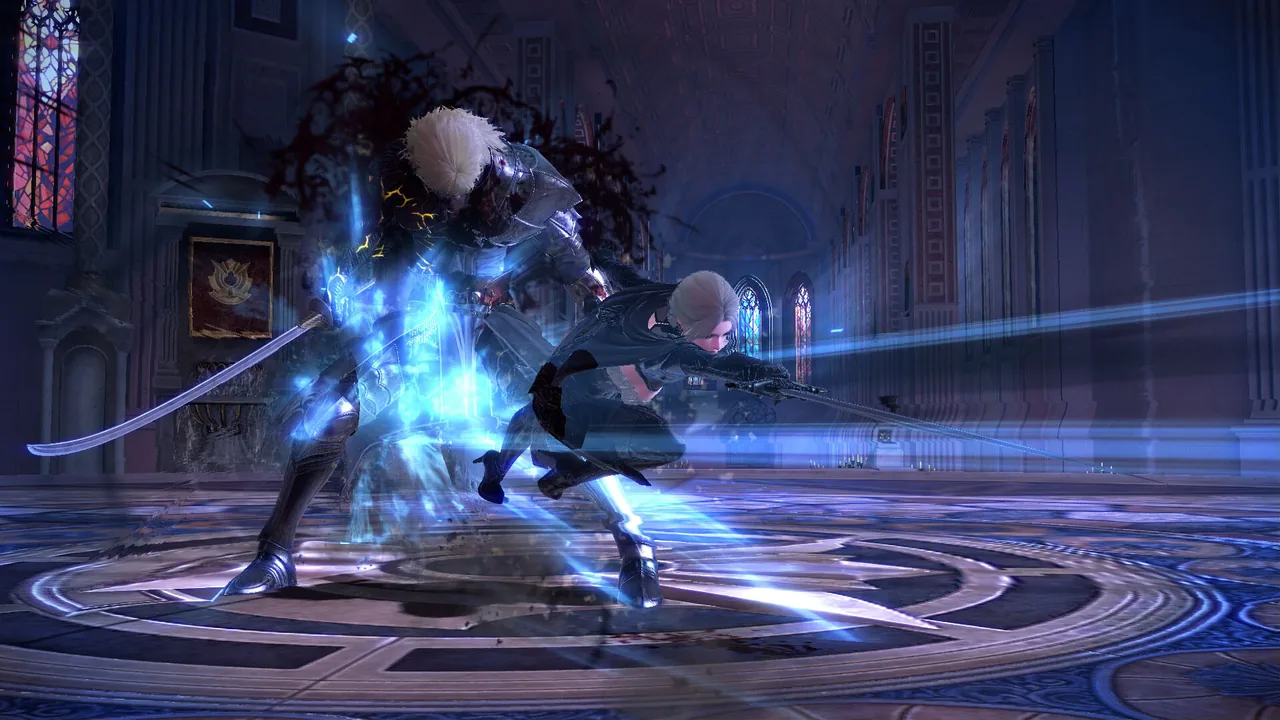
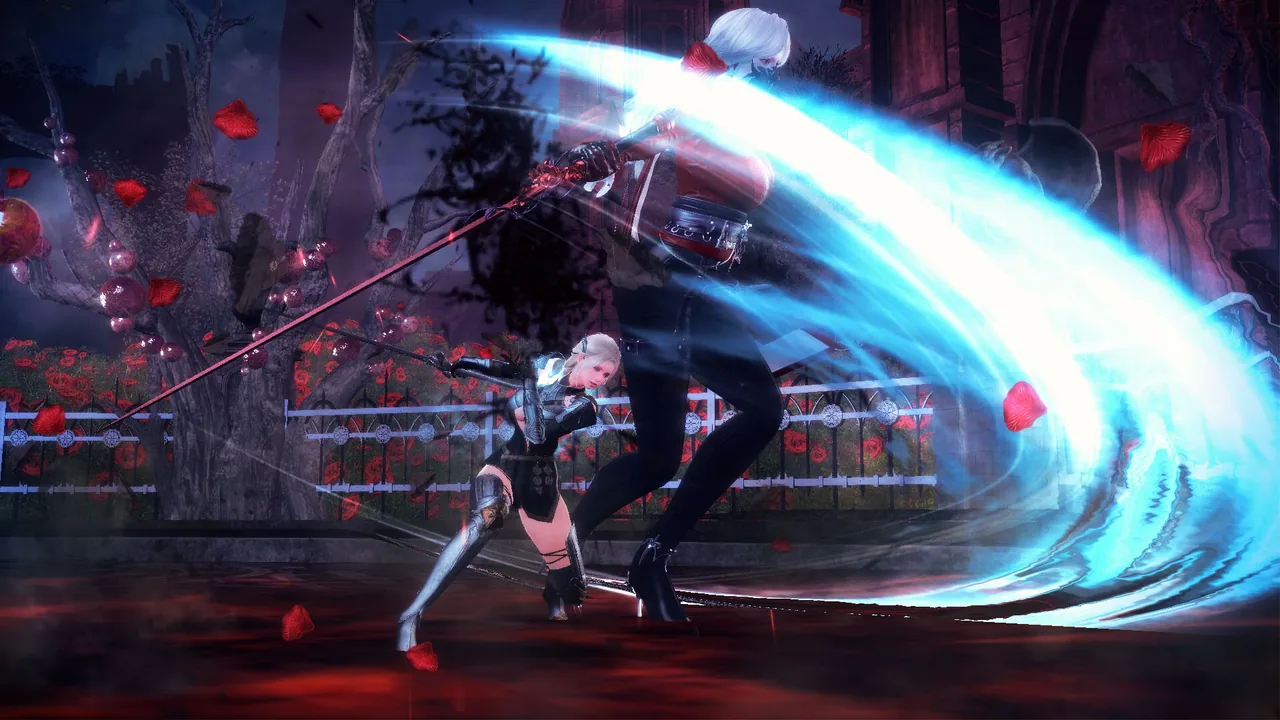
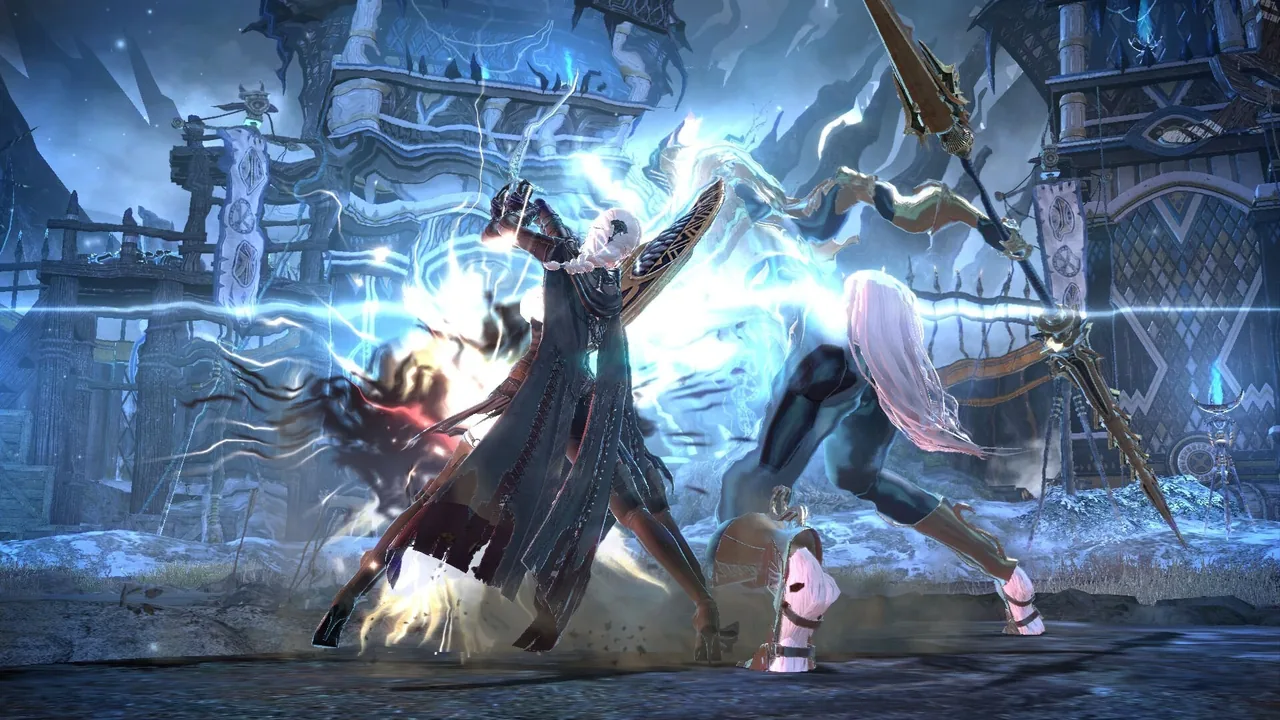
Attacks commit. You cannot cancel out of a heavy swing because you changed your mind, so the game becomes a reading exercise: watch the boss's wind-up, decide whether you have time for the full combo or only the short one, accept the punish if you got it wrong. Dodges have real invulnerability windows and real recovery. Bosses telegraph in body language rather than floor markers. The environment is interactive in a way most games only fake — objects to grab, throw, or trip over.
Characters aren't classes. Each is a designed hero with their own weapon, animations and rhythm, and learning a new one means learning a different game rather than a different hotbar. That's expensive to build, which is why so few MMOs do it, and it's why players with two and three thousand hours in this game still describe the fighting as best-in-genre in the same reviews where they tell you not to install it.
The middle of the game is missing
Here's what changed, and it is the single most important thing a 2026 player needs to understand.
Vindictus in its prime was a dungeon crawler. You ran instanced battles with a party, farmed materials, crafted gear, worked through a long story at the pace the content set. Somewhere across the last decade Nexon solved the free-to-play catch-up problem the way most operators do — by deleting the journey. New and returning accounts are now handed substantial gear and accelerated through the story to current content. Reviewers who came back describe finishing what used to be years of progression in a rush, inventory filling with loot they never needed to earn.
The intention is defensible. A sixteen-year-old game with a small population cannot ask a newcomer to grind through 2011 content alone; there is nobody down there to play with. But the effect is that the part of Vindictus people actually loved — the crawl, the crafting, the incremental gear you built yourself — is now the part you're fast-forwarded past. What remains at the end of the fast-forward is a boss rush, and the reviews describing it as "no more dungeons, no more messing around with friends" are not being sentimental. They're describing a structural change.
Where a new player actually stops
The wall arrives fast and it is very hard. Early bosses that once required teamwork can now be button-mashed. Then the current raid tiers land, difficulty multiplies, and a player who has been carried through everything up to that point suddenly needs mechanical knowledge, gear thresholds and a group.
Solo modes exist for regular raid bosses, with reduced boss health. The Redeemers-tier fights are where accounts consistently report the game stopping: returning players describe needing veterans to carry them daily for months to reach content from the last two years. The knowledge you'd normally have acquired on the way up was never required on the way up, and the population that could teach you is concentrated in guilds that already cleared it.
That's a progression design failure rather than a difficulty complaint. Difficulty is fine. A curve that is trivial for forty hours and then vertical is not a curve.
The shop, as of July 2026
The July 2026 store rotation makes the model concrete. Fiesta Crystal, a randomised box, sells at 1,900 NX for one and scales up to 180,500 NX for ninety-five, with discounted tiers limited to one purchase per account. Guardian advancement packages go for 24,900 NX each, capped at ten per account, and their contents are the fragments, crystals and boss essences that endgame gear progression consumes. A Hero Pass runs on rotation. Gear enhancement itself is randomised and can fail.
Read those two facts together — the endgame runs on upgrade materials, the shop sells upgrade materials in capped bulk packages — and the structure is clear enough without needing to argue about labels. Nexon is not selling a shortcut around the endgame; it is selling the endgame's currency, at a price ceiling high enough that the packages come with per-account limits.
There's an honest counterweight. Outfits are cosmetic, they're where a large share of the game's revenue has always come from, and buying none of them costs you nothing mechanically. And the free account is showered with gear on the way up — genuinely, unusually generous compared to MapleStory or the metered auto-battle economy of MapleStory M. The pressure isn't at the start. It's at the exact point the game stops giving things away.
Still updated, which cuts both ways
Vindictus is not abandonware. Version 3.38 shipped in July 2026, the developer notes carry dated roadmaps translated from the Korean service's schedule, and September's update adds an Outfit Dismantling system aimed at inventory bloat — a small, sensible quality-of-life fix of the kind you only write when you're still reading feedback. Events run monthly. There's a community manager posting on Discord.
That cadence is why the criticism lands harder rather than softer. This is not a skeleton crew keeping the lights on; it's a maintained live game whose maintainers have chosen this structure. The September update is dismantling outfits, not rebuilding the missing middle.
What the review page is actually telling you
Steam shows Mixed, 67% of nearly 8,000 reviews, and the loudest entries on that page are from 2014 and 2017 — a decade-old argument about a game that has been restructured twice since. It would be easy to write the whole thing off as fossilised anger, and one of the most useful recent reviews does exactly that, arguing the negatives are mostly nostalgia and telling you to try it yourself.
The current numbers don't support dismissing it, though. The hundred most recent English reviews are all from 2026, and they run 42% positive — meaningfully below the lifetime average. The complaints in them are specific and modern: the trivialised early game, the raid wall, the enhancement economy, region lock, and a client that still drops audio or refuses fullscreen. The praise in them is specific too, and it's always the same thing. The combat.
If you're evaluating Vindictus from its store page, that's the split to hold in your head: the positives are about the fighting, the negatives are about everything wrapped around the fighting, and both sets of reviewers are right.
Verdict
Vindictus earns a recommendation with a hard boundary drawn through it. The first stretch is free, generous, and built on combat that sixteen years of competitors have failed to match — that is worth your time, and it costs nothing but a download. Somewhere past the story fast-forward the game converts into a randomised gear economy with a raid wall you need a guild to climb, and at that point the honest advice is to stop, because the thing you came for isn't what's on offer any more.
Six out of ten is a strange score for a game with a genuine eight-out-of-ten combat system in it, and that gap is the review. Nexon has spent a decade solving the wrong problem — making the old content skippable instead of making the new content reachable — while leaving in place the one part of Vindictus nobody else can copy.
Players who want a fantasy world where progress keeps accruing at a steady pace, rather than arriving all at once and then stopping dead, may also enjoy Wanderer.
Pros and cons
Pros
- The combat is still the best argument for the game — heavy, committed, physics-driven melee on the Source engine that almost no free-to-play title has matched since
- Characters are hand-designed heroes with genuinely distinct movesets rather than a class picker with shared animations
- Boss encounters are readable, pattern-based fights in the Monster Hunter tradition, and they still hold up as encounters
- Nexon has not abandoned it — monthly version updates, developer notes with dated roadmaps, and an Outfit Dismantling system announced for September 2026
- New and returning accounts are given a large amount of gear and a story skip, so nobody has to grind fifteen years of back content to see current material
Cons
- That same story skip has hollowed out the middle game; the dungeon crawling, gear crafting and party questing that people played this game for in 2010 are now something you're accelerated past rather than through
- Endgame progression runs on randomised enhancement and consumable fragments that the cash shop sells directly, in packages priced up to 24,900 NX each
- Current raid tiers assume a coordinated group, and the returning-player accounts describe needing to be carried for months to reach content released in the last two years
- The Source engine build shows its age — recurring reports of fullscreen and audio failures, launcher errors and poor optimisation on modern hardware
- Region-locked service: accounts are tied to NA/EU regions and players who physically move countries have reported waiting months for a transfer that never came
Screenshots
-
VindictusImage: NEXON America Inc. via Steam -
VindictusImage: NEXON America Inc. via Steam -
VindictusImage: NEXON America Inc. via Steam -
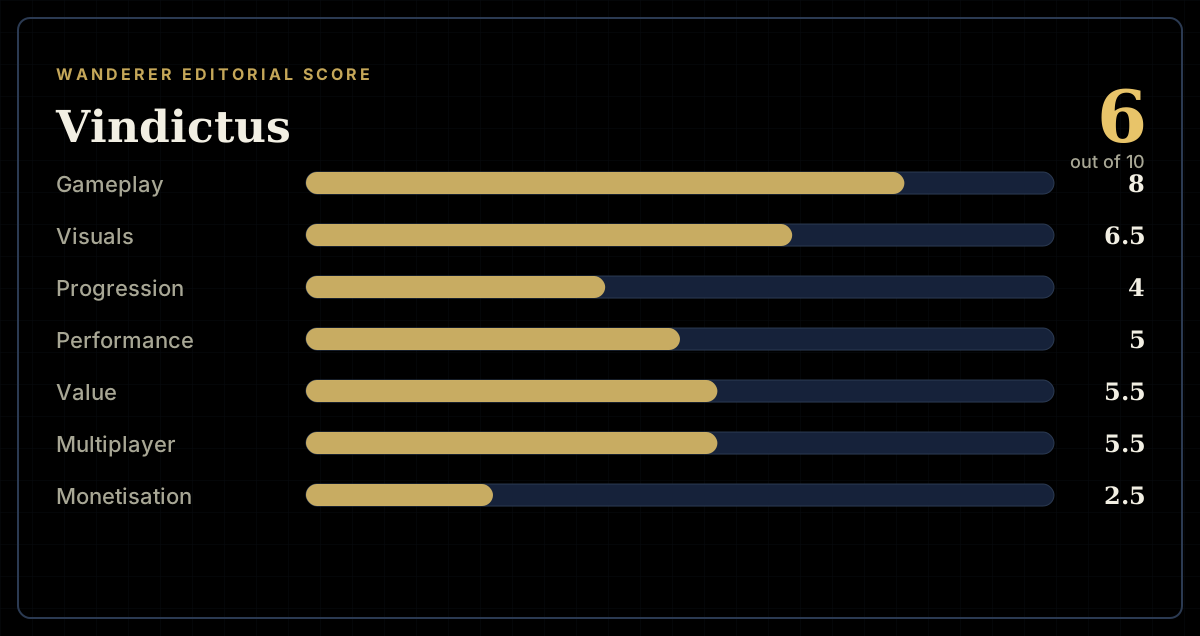
How the review scores each part of the gameWanderer Editorial -
The short versionWanderer Editorial