Iratus: Lord of the Dead
Unfrozen's tactical roguelike hands you the dungeon instead of the raiding party — you're the necromancer stitching an undead army out of whatever your enemies leave behind.
7.8 / 10
Browse by genre
1057 Roguelike games reviewed and scored, best first.
1057 reviews
Unfrozen's tactical roguelike hands you the dungeon instead of the raiding party — you're the necromancer stitching an undead army out of whatever your enemies leave behind.
7.8 / 10
A solo-developed guild-management tactics RPG that Steam's own reviewers keep comparing to Final Fantasy Tactics, Darkest Dungeon and Fire Emblem — deep, generous with content, and wrapped in an art style its own fans describe as looking like a 2000s Flash game.
7.8 / 10
Orangepixel's turn-based space roguelike gets a time-loop makeover, and the smartest decision it makes is turning "you died" into "you left something behind" instead of "start over."
7.8 / 10
A stylish, fast-paced Mega Man X-inspired action roguelite sequel that layers chip-based build customization and co-op onto tight side-scrolling combat, landing a strongly positive Early Access debut despite some late-game balance and pacing complaints.
7.8 / 10
Sixteen Reviews, All Positive, Several Calling It Underrated Blood in the Panopticon launched on Steam on 19 August 2026 from solo developer SIS STYLE INTERACTIVE, and at the time
7.7 / 10
The Spotter: Dig or Die blends meditative daytime digging with adrenaline-fueled nighttime tower defense, and largely pulls it off, even if a jarring late-game detour and a few grindy edges keep it from greatness.
7.7 / 10
Read review of The Spotter: Dig or Die Review: A Genuinely Fresh Twist on Digging Games
Cursed Words: The Word Game That Isn't is a $14.99 word-search roguelike that starts as Boggle and quickly spirals into chess pieces, numbers, and Unicode chaos, and while most players call it the best Balatro-inspired game since Balatro itself, a real portion of reviewers say the word-forming hook erodes once builds take over.
7.6 / 10
Read review of Cursed Words: The Word Game That Isn't Review: Balatro for People Who Love Boggle
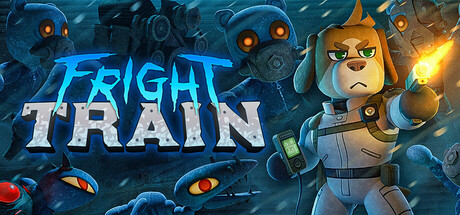
Resident Evil on Rails, With a Furry Cast Fright Train's pitch sounds like a mashup that shouldn't work: take the resource-scarce, over-the-shoulder survival horror of the
7.6 / 10
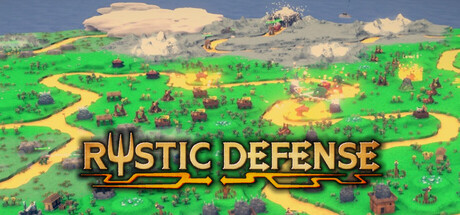
A fantasy tower defense game with procedurally generated maps, fog of war, and a deep meta-progression tree, praised almost unanimously by reviewers for its addictive core loop and generous content despite a modest visual presentation.
7.6 / 10
Read review of Rustic Defense Review: A Hexagonal Roguelike Tower Defense That Rewards Patience
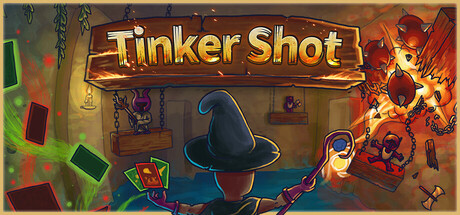
Slay the Spire Meets Angry Birds, More or Less Tinker Shot's own elevator pitch, "a turn-based skill-crafting roguelike where every fight becomes a little experiment in ch
7.6 / 10
Zombiehood is a run-and-gun roguelite that borrows Risk of Rain's escalating power fantasy and reskins it with zombies, and its Very Positive review sample praises its addictive meta-progression loop and weapon variety while flagging real launch-window complaints about content depth and one specific enemy design players keep calling out.
7.6 / 10
Read review of Zombiehood Review: Risk of Rain With Zombies, and It Works
A horror-themed survivor-like that adds active, twin-stick-style aiming to the Vampire Survivors formula, widely credited as the genre's first genuine evolution — held back by a persistent, heavily-reported visibility complaint over its monochrome palette and flashing effects, and a build-variety complaint the developer began addressing but appears to have folded into a separate, newer game instead.
7.5 / 10
AI.VI is an FPS/tower-defense hybrid from debut studio Out of Time about a retired mining robot forced back into "incredible violence" against a planet-conquering corporation, and this review's sample finds a genuinely novel, deep hybrid combat loop backed by an unusually responsive developer working through real launch-week bugs and a steep difficulty curve.
7.5 / 10
A hand-illustrated roguelike deckbuilder that swaps cards for dice — you don't collect relics so much as permanently rebuild the six faces of your own dice — landing close enough to Slay the Spire and Dicey Dungeons that its own reviewers keep naming both games unprompted.
7.5 / 10
A Hades-and-Dead-Cells-flavoured roguelite metroidvania whose art, combat feel and hub writing draw strong praise for its opening hours, with a consistent, specific counter-argument that its meta-progression grows passive rather than build-defining once the difficulty ramps up.
7.5 / 10
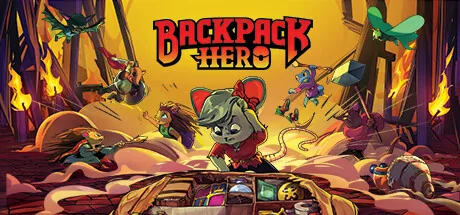
Backpack Hero turns the inventory screen itself into the entire combat system — item shape, orientation and neighbouring slots decide what a fight looks like, not a separate stats page. A look at whether that idea, and the game built around it, survived the jump from a free browser prototype to a finished commercial release the developer has since gone quiet on.
7.5 / 10
A submarine survival-horror sim where the alien monsters outside are rarely the reason a run ends badly — its own review corpus is unusually consistent that the biggest threat is the crew, whether through griefing, incompetence, or seven years of accumulated engine jank.
7.5 / 10
A neon-drenched, psychedelic retro arcade shoot-'em-up roguelite that pairs a genuinely novel "start your next run fully stacked" power-up system with old-school Robotron-style difficulty, backed by an early review pool that is unanimous but still small enough to treat with some caution.
7.5 / 10
A horde-survival roguelite that makes you actually fight, forcing constant swaps between melee and ranged weapons against enemies built to resist whichever one you're not holding — a deliberate answer to the genre's reputation for playing itself.
7.5 / 10
A tightly designed, gorgeously scored solo or co-op roguelike shooter about fighting your way up an ever-taller tower of bugs, held back from greatness only by how quickly its 80 waves run out once you've seen them.
7.5 / 10
A quick, food-themed turn-based roguelite about assembling a party of "Chefs" and combinable "Foods" to descend through seven layers of bean dip hell, launching to a tiny but uniformly glowing early review base that singles out its art direction, soundtrack and Steam Deck-friendly run length as standout strengths.
7.5 / 10
Nine Heroes, Five Acts, One Shadow Lord Chronicles of the Fallen Realm sums itself up in one line on its own store page: "Nine Hero classes. Five Acts of darkness. One Shadow
7.5 / 10
A dice-based roguelike that swaps a deckbuilder's cards for customizable dice faces, praised by Slay the Spire and Monster Train veterans as genuinely rivaling those genre standards — undercut by one specific, structural progression choice a substantial share of its own fans call the single worst decision in an otherwise excellent design.
7.5 / 10
Developer Kittens in Timespace, published by Megabit Publishing, delivers a chaotic, melee-focused 2D action game starring nine playable stray cats reclaiming a city from a villainous corporation, earning near-unanimous praise for its character variety, art and soundtrack from a small but strongly Positive review base, tempered by a single, specific complaint about visibility on smaller or zoomed-out screens.
7.5 / 10