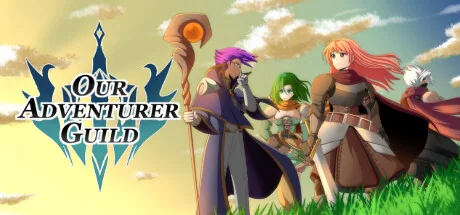
Game review
Our Adventurer Guild
7.8 / 10
- Developer
- GreenGuy
- Publisher
- GreenGuy
- Released
- 12 April 2024
- Platforms
- Windows
- Genre
- Tactics RPG
- Monetisation
- One-time purchase. A paid expansion, "Tower of the Wizard King" (NZ$7.39, October 2025), adds extra content on top of the base campaign.
- Players
- Single-player only
The short version
Our Adventurer Guild puts you in charge of a struggling adventurer guild after its former master dies and names you successor: recruit and train adventurers, send them on quests, and lead them through grid-based turn-based battles against dozens of enemy types. It's a solo project from a developer credited only as GreenGuy, and Steam's aggregate — 1,776 English-language reviews, 96% positive, "Overwhelmingly Positive" — puts it among the best-reviewed tactics RPGs this library has covered.
The reviews themselves tell a consistent story: this is a genuinely deep turn-based tactics game, repeatedly compared to Final Fantasy Tactics, Darkest Dungeon and Fire Emblem, wrapped in presentation its own fans call ugly. "Don't let the graphics fool you," is close to a recurring refrain across the 1,697 positive reviews — character portraits and battle sprites that read as early-2000s Flash-game quality, sitting on top of a combat and guild-management system reviewers with hundreds of hours logged call some of the best they've played. The 79 negative reviews (4% of the total) split between players who bounced off that presentation before giving the systems a chance, and players who liked the concept but ran into real friction: RNG that feels unfair at high percentages, boss encounters some call unfairly swarm-heavy at higher difficulty, and a UI that buries information reviewers say should be one click away.
Biggest strengths
- Combat and party-building are the near-universal draw: reviewers compare it favourably to Final Fantasy Tactics, Fire Emblem and Darkest Dungeon, citing deep class/skill trees, a Bravery system that lets adventurers push past their limits at risk, and genuine build variety
- The guild-management layer — recruiting, training, tracking adventurer mood and relationships, crafting gear from quest materials — is repeatedly called the thing that separates it from a straight tactics game, with several long-session reviewers (400+ hours) saying it's what kept them coming back
- Solo developer responsiveness is called out directly and often: one reviewer describes asking for a no-permadeath option on a weekend and having it added two days later; another highlights "constant hotfixes" during and after Early Access
Biggest weaknesses
- The art style is the single most-repeated criticism across positive AND negative reviews alike — described as looking like "a Flash game from the early 2000s," with several reviewers saying it nearly stopped them from trying the game at all despite the strong reception underneath it
- A real cluster of negative reviews cites RNG frustration at the mechanical level: multiple reviewers describe missing several consecutive attacks at 85-95% hit chance, which reads as unfair rather than as expected variance
- Boss encounters at higher difficulty draw specific complaints for swarming the player with disproportionate enemy numbers rather than testing tactics, with several reviewers calling individual late-game fights "gotcha" design
Who it's for: Fans of grid-based tactics RPGs (Final Fantasy Tactics, Fire Emblem, Darkest Dungeon) who can look past dated, amateur-grade visuals for genuinely deep party-building, permadeath stakes and a guild-management layer wrapped around the combat.
Our recommendation: Worth buying, including at full price — this is one of the stronger-reviewed tactics RPGs in the library, and NZ$21.99 for a game reviewers routinely log 100-plus hours in is good value on its own terms. Just know before you buy that the art style is the one thing almost every reviewer, positive or negative, agrees is bad.
7.8 / 10
Introduction
Our Adventurer Guild opens with your friend, the former Guild Master of a declining adventurer guild, dying and naming you successor. From there it's a straightforward pitch, executed with a depth Steam's review corpus keeps insisting is far beyond what the game's presentation suggests: manage a guild, recruit and train adventurers across a range of classes, send them on quests, and lead them through grid-based turn-based tactical combat against dozens of enemy types, all while keeping an eye on their mood and relationships with each other. It shipped as a full 1.0 release on 12 April 2024, built and published solo by a developer credited only as GreenGuy, and has since accumulated 1,776 English-language Steam reviews at a 96% positive rate — Overwhelmingly Positive, one of the strongest aggregate scores this library has covered.
The part everyone loves
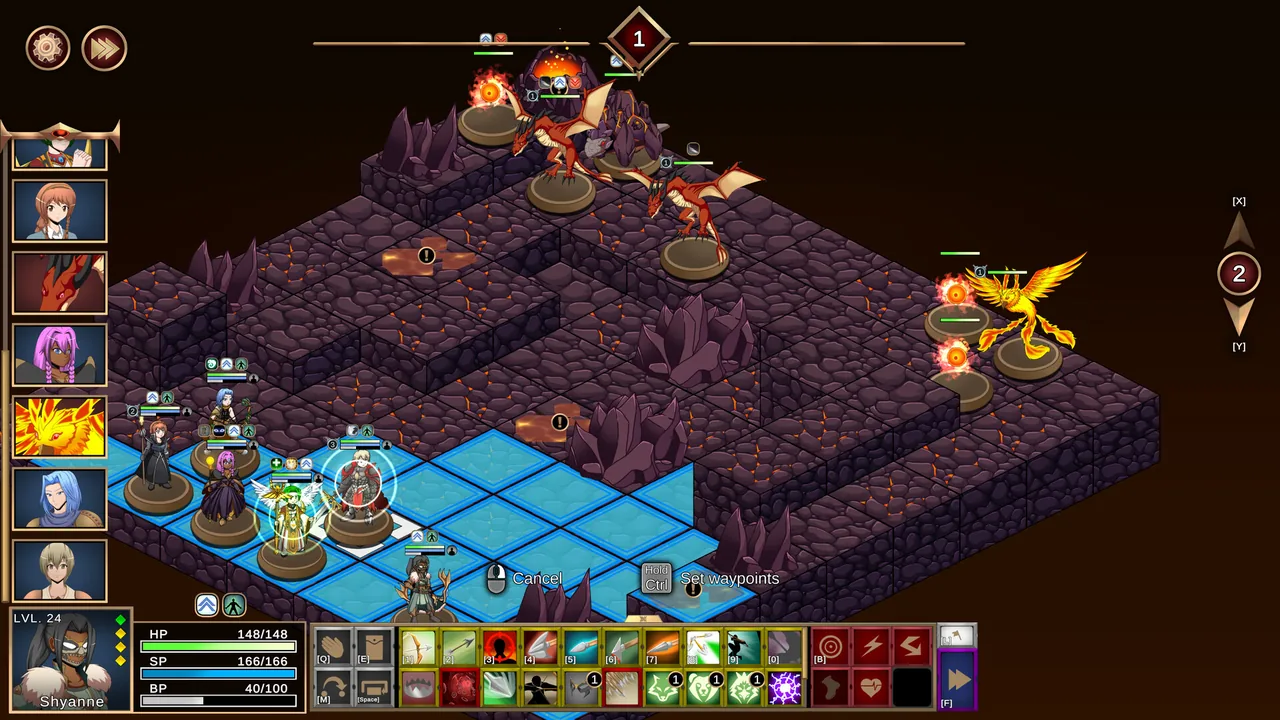
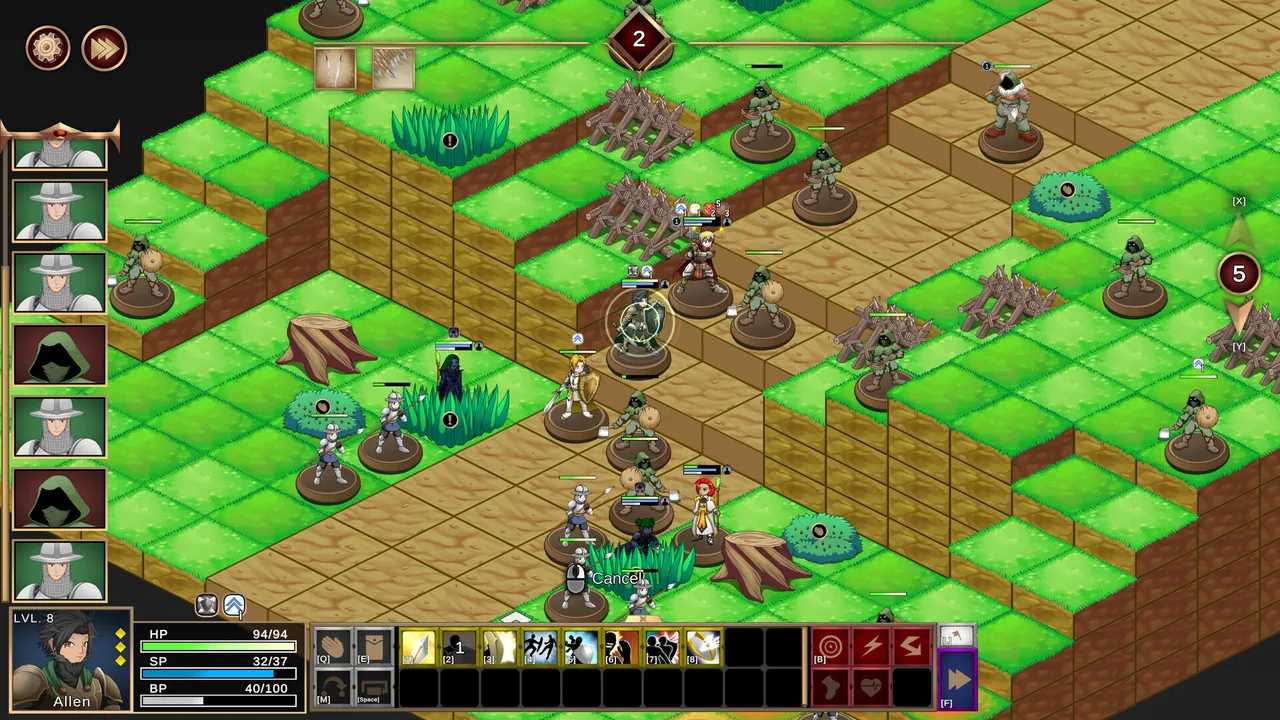
Read enough of the positive reviews and the same reference points recur constantly: Final Fantasy Tactics, Fire Emblem, Darkest Dungeon, XCOM. "This gave me that feeling again," one reviewer with 118 hours logged wrote, describing the game as recapturing what Final Fantasy Tactics felt like the first time. Another, with 595 hours invested, called it "probably the best turn based game I have played ever," putting it above XCOM 2 and Fire Emblem: Path of Radiance on their own list. The combat is grid-based and tactical, with a Bravery system letting adventurers push past normal limits under pressure, and a permadeath option (Ironman mode) that several long-session reviewers specifically praise for making fights feel like they matter.
The guild-management layer is what reviewers consistently say elevates it past a straight tactics game. You're not just fielding a party — you're running an operation: recruiting adventurers with their own traits and personalities, training them into a wide range of classes with their own skill trees, tracking mood and inter-character relationships, and crafting equipment from materials adventurers bring back from quests. One reviewer with 767 hours logged called it "a nice change of pace from the Darkest Dungeon/Battle Brothers style games when you want to relax a little," while still crediting real depth underneath the more laid-back framing.
Solo-developer responsiveness comes up unprompted, repeatedly, as a selling point in its own right. One reviewer describes asking the developer directly whether a no-permadeath option could be added — and having it implemented within two days. Another, reviewing during the Early Access period, credits "constant hotfixes" for keeping the experience smooth as new systems were added. For a one-person project, that level of visible, fast iteration is unusual enough that multiple reviewers mention it as a reason to trust the purchase.
The part everyone agrees is bad
Here's the unusual thing about this review corpus: the single most common sentence pattern across the overwhelmingly positive reviews is some version of "don't let the graphics fool you." The character portraits, battle sprites and UI art are widely and specifically compared to browser Flash games from the early-to-mid 2000s — Newgrounds is invoked by name more than once, unprompted, by reviewers who otherwise rate the game a 9 or 10. "Despite looking like a game from Newgrounds, this is probably one of the closest games in feel to Final Fantasy Tactics," one wrote. Another, more bluntly: "The visuals... anywhere between 1/10 - 4/10." This isn't a minority complaint buried in the negative sample — it's the near-universal caveat attached to praise, which is why it earns its own low category score here despite the game's overall reception.
Among the 79 negative reviews (4% of the total, all read for this piece), the art style is often what stops players before the systems get a chance to win them over. "The graphics are flat, the UI is ugly and missing basic QoL features," one wrote, adding that it's "clearly made by someone who enjoys Tabletop RPGs and SRPGs" even while declining to recommend it on that basis alone.
The gameplay-level complaints
Past the visuals, the negative-review cluster raises three recurring, more substantive issues. First, several reviewers report attacks missing at unexpectedly high listed hit chances — one describes three consecutive 88-95% attacks all missing while an enemy under 30% lands every hit, calling it enough to "make you rage quit." Whether that's genuine bad luck compounding across a small sample or a real skew in the underlying math isn't something a review corpus can settle, but enough reviewers report the same pattern that it's worth flagging as a live complaint rather than dismissing it as isolated frustration.
Second, boss encounters at higher difficulty draw specific criticism for enemy-count design rather than mechanical depth — "every boss fight is 14 units verse my 5," one reviewer wrote, describing the solution as attrition rather than tactics. A few reviewers who otherwise enjoyed the game single out particular named bosses as unfairly tuned.
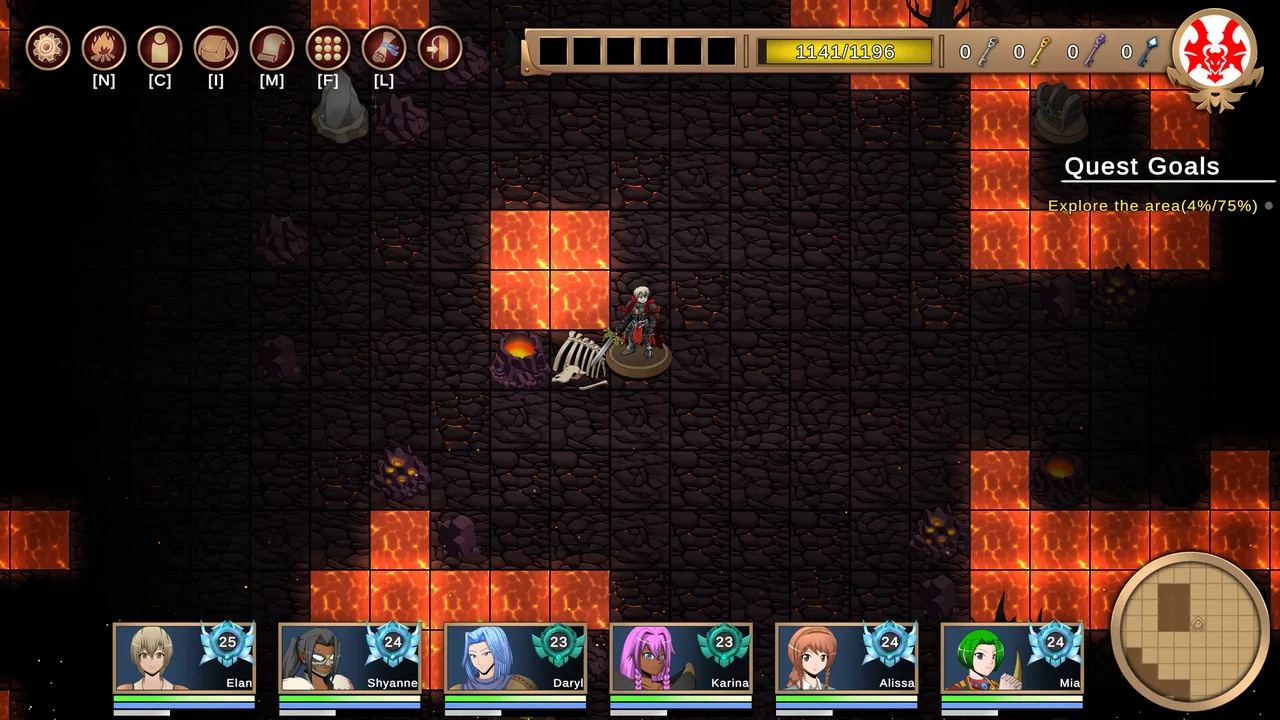
Third, the interface itself is a recurring friction point independent of its dated art style: critical information buried in tooltips rather than a proper stat screen, more clicking required per action than reviewers feel is necessary, and a mood/relationship system more than one reviewer calls confusing enough to accidentally tank a good run. "Feels like I have to do a lot of clicking when faster way to do things could be achieved with a better UI," one wrote.
How far players actually get
Steam's own achievement data gives an honest read on how the campaign holds attention over its full length. The tutorial-completion achievement sits at 80.9%, and the game's midgame recruitment and early-boss achievements cluster in the 30-50% range — both healthy figures for a genre with real time investment per run. The rate falls further toward the endgame: the final-boss-defeat achievement sits at 15.5%, and the rarest hidden achievements sit in the single digits. That's not an unusual curve for a long tactics RPG with permadeath and optional Ironman stakes, and it lines up with what the reviews themselves say — a large, engaged core that plays for the entire campaign sitting alongside players who bounce off in the first few hours, mostly over presentation rather than the systems underneath it.
Verdict
Our Adventurer Guild is a genuinely deep, well-regarded tactics RPG built and actively supported by one developer, wearing presentation that its own fanbase openly calls a liability. The reviews converge cleanly: if grid-based tactical combat and guild management in the vein of Final Fantasy Tactics or Darkest Dungeon appeals to you, the near-unanimous advice is to push through the first impression the art style gives and let the systems do the convincing. At NZ$21.99 for a campaign reviewers routinely spend hundreds of hours in, that's an easy recommendation with one honest caveat attached.
Pros and cons
Pros
- Combat and party-building are the near-universal draw: reviewers compare it favourably to Final Fantasy Tactics, Fire Emblem and Darkest Dungeon, citing deep class/skill trees, a Bravery system that lets adventurers push past their limits at risk, and genuine build variety
- The guild-management layer — recruiting, training, tracking adventurer mood and relationships, crafting gear from quest materials — is repeatedly called the thing that separates it from a straight tactics game, with several long-session reviewers (400+ hours) saying it's what kept them coming back
- Solo developer responsiveness is called out directly and often: one reviewer describes asking for a no-permadeath option on a weekend and having it added two days later; another highlights "constant hotfixes" during and after Early Access
- Genuinely long — reviewers with 200, 300, even 767 hours logged describe the campaign and its systems as still holding their interest, and Steam's own achievement data shows a real (if tapering) population still reaching the final boss encounter
- Widely called excellent value at NZ$21.99 given the hours reviewers report getting from it, with a free demo whose progress carries over into the full purchase
Cons
- The art style is the single most-repeated criticism across positive AND negative reviews alike — described as looking like "a Flash game from the early 2000s," with several reviewers saying it nearly stopped them from trying the game at all despite the strong reception underneath it
- A real cluster of negative reviews cites RNG frustration at the mechanical level: multiple reviewers describe missing several consecutive attacks at 85-95% hit chance, which reads as unfair rather than as expected variance
- Boss encounters at higher difficulty draw specific complaints for swarming the player with disproportionate enemy numbers rather than testing tactics, with several reviewers calling individual late-game fights "gotcha" design
- The interface draws consistent friction complaints — clunky menus, information buried behind tooltips instead of a proper stat screen, and combat that requires more clicking than reviewers feel it should
- Pacing and grind complaints recur in the negative sample: several reviewers who otherwise liked the concept describe the campaign as needlessly long, with repetitive mid-game encounters between the more memorable story and boss beats
Screenshots
-
Our Adventurer GuildImage: GreenGuy via Steam -
Our Adventurer GuildImage: GreenGuy via Steam -
Our Adventurer GuildImage: GreenGuy via Steam -
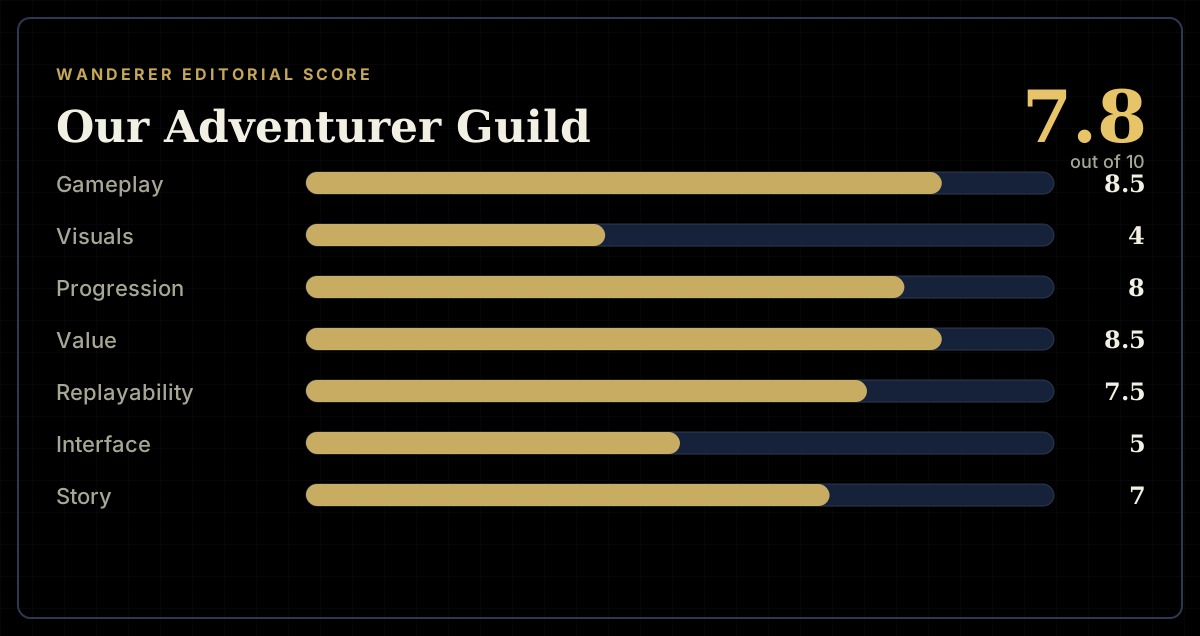
How the review scores each part of the gameWanderer Editorial -
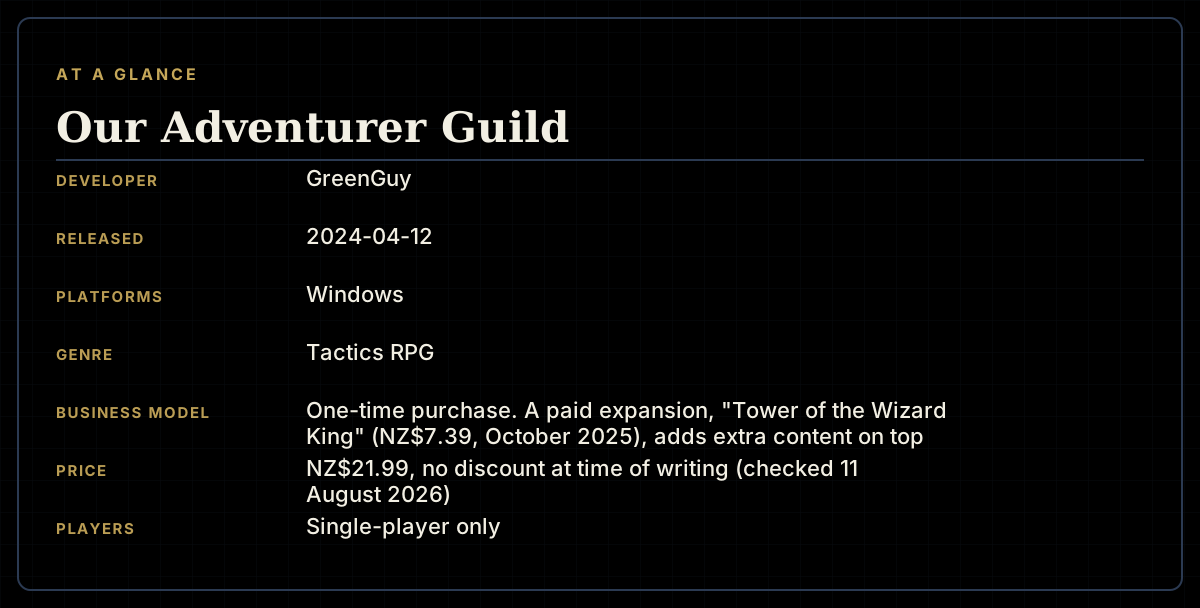
The essentials at a glanceWanderer Editorial -
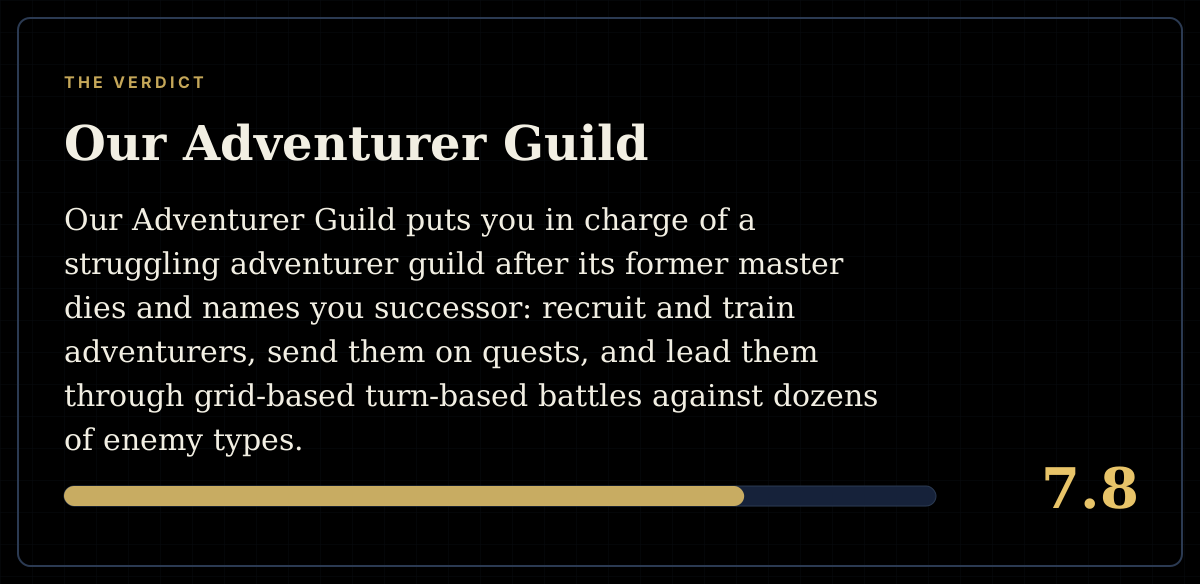
The short versionWanderer Editorial