Game review
Blood in the Panopticon
7.7 / 10
- Developer
- SIS STYLE INTERACTIVE
- Publisher
- SIS STYLE INTERACTIVE
- Released
- 19 August 2026
- Platforms
- Windows, Linux
- Genre
- RPG
Sixteen Reviews, All Positive, Several Calling It Underrated
Blood in the Panopticon launched on Steam on 19 August 2026 from solo developer SIS STYLE INTERACTIVE, and at the time of writing it has 16 user reviews, every single one positive. More than one reviewer explicitly frames this as an injustice: one writes that "the fact that this game's release went under the radar for a lot of the people that would enjoy it feels like a real tragedy," while another simply pleads for "MORE C424 OUTFITS!!" — the kind of enthusiastic, invested feedback that tends to show up around games with real staying power rather than a novelty that wears off fast. Several reviewers logged substantial time before writing (645, 498, 467, and 390 minutes among them), and multiple reviews run to several detailed paragraphs rather than a quick thumbs-up, which lends real weight to the positive consensus for a fairly under-the-radar launch.
An ASCII-Art Bullet Hell With a Damaged, Devoted Companion
The pitch is a genuinely unusual one: an ASCII-art bullet-hell action game built around piloting C424 "Cara," a Gen 4 combat android, through a corrupted post-human world called the Concrete Plains, guided by dialogue with a handler named Admin. The store page frames Cara as simultaneously "your weapon," "your trusted partner," and possibly "your friend," explicitly leaving her relationship framing up to the player, and one reviewer picks up on the tonal effect of the ASCII presentation directly: "the ASCII art feels like it's deliberately designed to make you feel detached from the implied violence that's happening on the field. It puts you on the mindset of C424 whose purpose is to mindlessly slaughter humans like pests to be disposed of" — a genuinely thoughtful reading of how the game's visual style reinforces its themes rather than just being a stylistic gimmick. The mechanical hook backing that theme is a persistent-damage system: Cara accumulates real injuries across a run that carry consequences, and the store page's blunt reassurance — "You will die. A lot. But metal is cheap, and parts can be swapped… It is not you catching the bullets anyway" — sets up a genuinely different emotional register from most bullet-hell roguelites, where death usually just resets a disposable player avatar rather than visibly damaging a character the story asks you to care for. A dialogue portrait screenshot confirms that persistence isn't just a combat-only stat: it shows Cara with visible facial scarring and dried blood carried directly into a story conversation, meaning her accumulated damage is something the narrative scenes acknowledge rather than a number that resets to a clean default the moment combat ends. A separate screenshot showing the game's ASCII-art style in isolation — a detailed skull-like image built entirely from colored numbers, letters, and symbols rather than drawn pixel art — confirms the aesthetic is a genuine technical approach rather than a marketing description, and one distinctive enough to stand as its own piece of art outside of combat.
Fast, Build-Defining Combat That Rewards Active Play Over Auto-Pilot
Multiple reviewers push back specifically on the assumption that this plays like a typical "pick three, watch numbers go up" survivors-style game. One writes, "I went into this one expecting a more generic Vampire Survivors-like experience due to the pick-from-three format and actually came out pretty impressed," noting that a fully passive, move-only build is technically possible but gated behind a specific unlockable upgrade rather than being the default experience, with the game "much more about making fast-paced active builds as a general rule." That same reviewer highlights a genuine melee-versus-ranged build tension: ranged builds felt more consistently achievable across a playthrough, but landing a proper melee build — particularly after unlocking a sword-range upgrade — produced the run's standout moments. A second reviewer reinforces the melee side of that split with a specific tip: "the gun is really secondary to the sword and only serves for utility and softening up dudes to slice afterwards," while separately warning that underestimating the sword dash's aggression can lead to stacking injuries faster than expected. Almost 200 unique upgrade pickups back up this build-variety picture with real numbers, and the store page's own list of example build directions — trading speed for defense, making bullets bounce between targets, or bypassing safety restrictions to triple fire rate — reads as consistent with what reviewers actually describe experimenting with.
A Visibility Problem the Developer Is Already Working On, and a Learning Curve That May Flatten Too Fast
The most consistent critique across the positive reviews is a specific, checkable readability complaint rather than vague criticism: the ASCII art style, while widely praised for its atmosphere, "leads to some visibility issues when it gets busy," and a more detailed reviewer elaborates that enemy bullets and missiles can become genuinely difficult to parse against the character's own effects during the busiest fights, with hacking attacks being comparatively easier to spot thanks to a distinct sound cue. Multiple reviewers note the developer is aware of and actively addressing this, which — combined with 16 reviews' worth of specific, constructive feedback rather than one-off complaints — suggests a developer in active, responsive post-launch support. A second, more surprising critique from the same detailed reviewer is that the difficulty curve may bend the wrong way over a full playthrough: a late-game melee-heal-on-kill upgrade and an exploitable reroll-for-modifiers economy reportedly let a skilled player stack damage multipliers with little real downside by the final boss, undercutting the "you will die, a lot" pitch for players who optimize efficiently. That's a genuinely useful data point for prospective buyers who want their roguelite's difficulty to escalate consistently rather than flatten out once its systems are understood.
Price, Scope, and Ongoing Development
At NZ$20.25, Blood in the Panopticon sits at the higher end for a solo-developed indie, but the scope on offer backs that up: over 3,000 lines of dialogue, six distinct endings, seven unique bosses, nearly 200 upgrade pickups, and a New Game+ structure that stacks additional difficulty tiers, new enemy types, a new boss, a new tech tree, and a secret ending on top of the base campaign, with further NG+2 and beyond tiers escalating difficulty further still. A screenshot of that development system in practice — a tabbed "Hope" tree alongside separate Maintain, Develop, and Analyze menus — shows the promised meta-progression isn't just an abstract stat multiplier: named nodes like "And Forgotten" (damage taken sticks to the enemy that dealt it, refunded as healing if that enemy dies within four seconds), "Of Us" (forces a damaged enemy into an unstable state that resolves into either its death or the player's), and "Who Cry" (weakened ordinary enemies flee rather than fight to the death) are all specific, thematically-loaded mechanics rather than generic damage-percentage upgrades, priced across three distinct currencies — Hope, a MEM point pool, and a rarer Miracle currency — that layer real economic choice on top of the run-to-run unlock structure. It supports both Windows and Linux, ships with full controller support including Camera Comfort options and play without timed input, and one reviewer specifically praises the story and character writing while flagging that "the dialogue could use some work in a few places" — a minor, specific critique rather than a broad dismissal. Several reviewers explicitly describe the game as still in active development with ongoing polish and bug fixes, which for a narrative-and-mechanics-dense solo project at this price is a reasonable state to be in, though it's worth factoring into a purchase decision if a fully finished, static experience matters more than watching a promising game improve over time.
Verdict
Blood in the Panopticon is a genuinely distinctive bullet-hell roguelite: an ASCII-art aesthetic used deliberately to reinforce its themes about violence and humanity, a persistent-injury system tied to a companion character players are clearly growing attached to, and a build-crafting layer with real active-play depth that multiple reviewers say rewards mastering rather than passively watching numbers climb. Sixteen reviews, all positive, several running to genuinely substantial detail, make a strong case that this under-the-radar solo release deserves more attention than it's gotten — tempered by a specific, developer-acknowledged visibility problem in busy fights and a difficulty curve that at least one experienced player found flattens out faster than its opening hours suggest. At NZ$20.25, it's a confident recommendation for bullet-hell and roguelite fans drawn to strong art direction and story, with the caveat that it's still an actively evolving work rather than a fully settled final product.
Screenshots
-
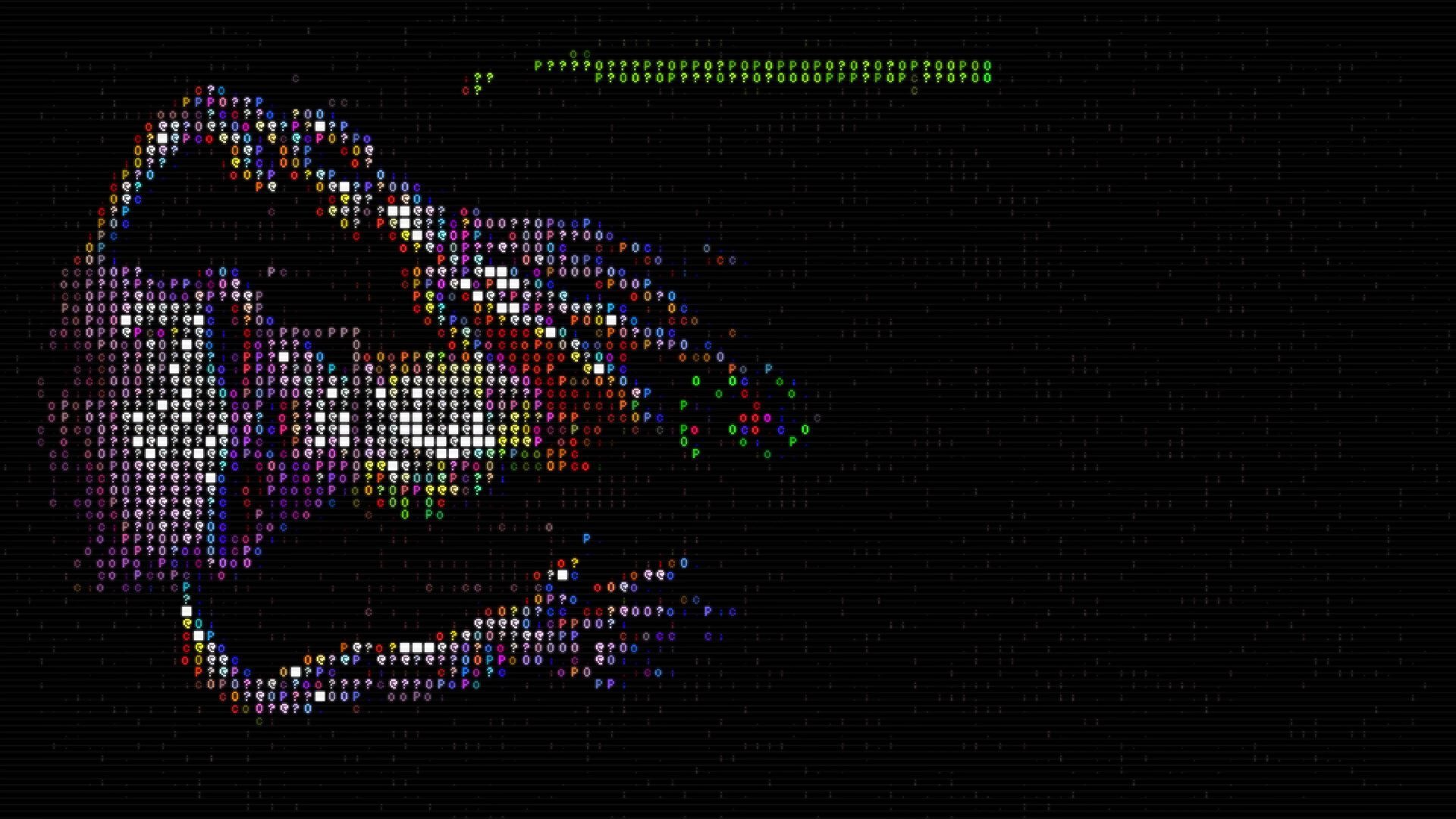
The game's ASCII-art style shown in full: an image built out of colored characters rather than conventional pixel art.Steam store page -
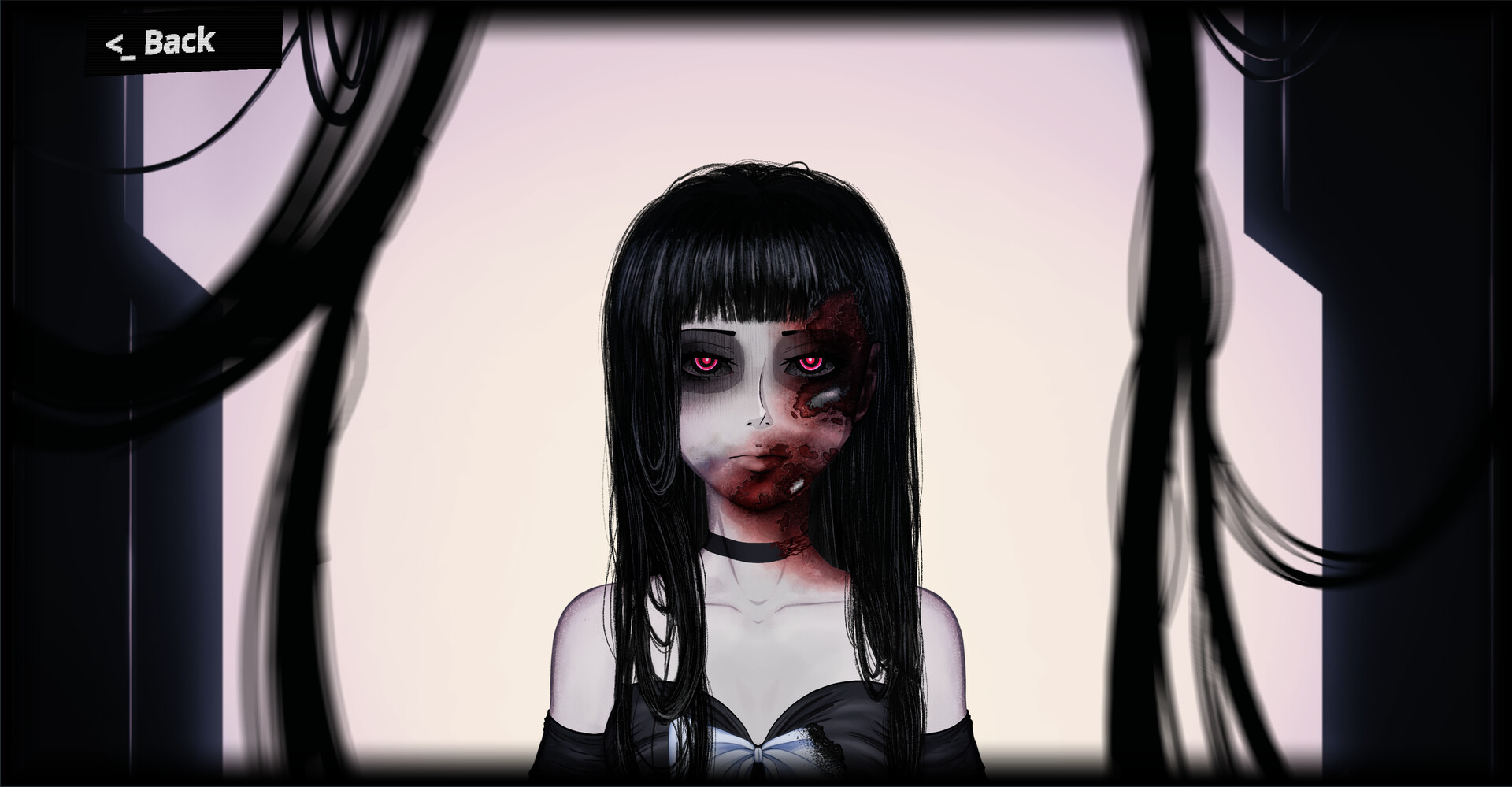
A story portrait of C424 showing visible facial damage, consistent with the game's persistent-injury system carrying over into its dialogue scenes.Steam store page -
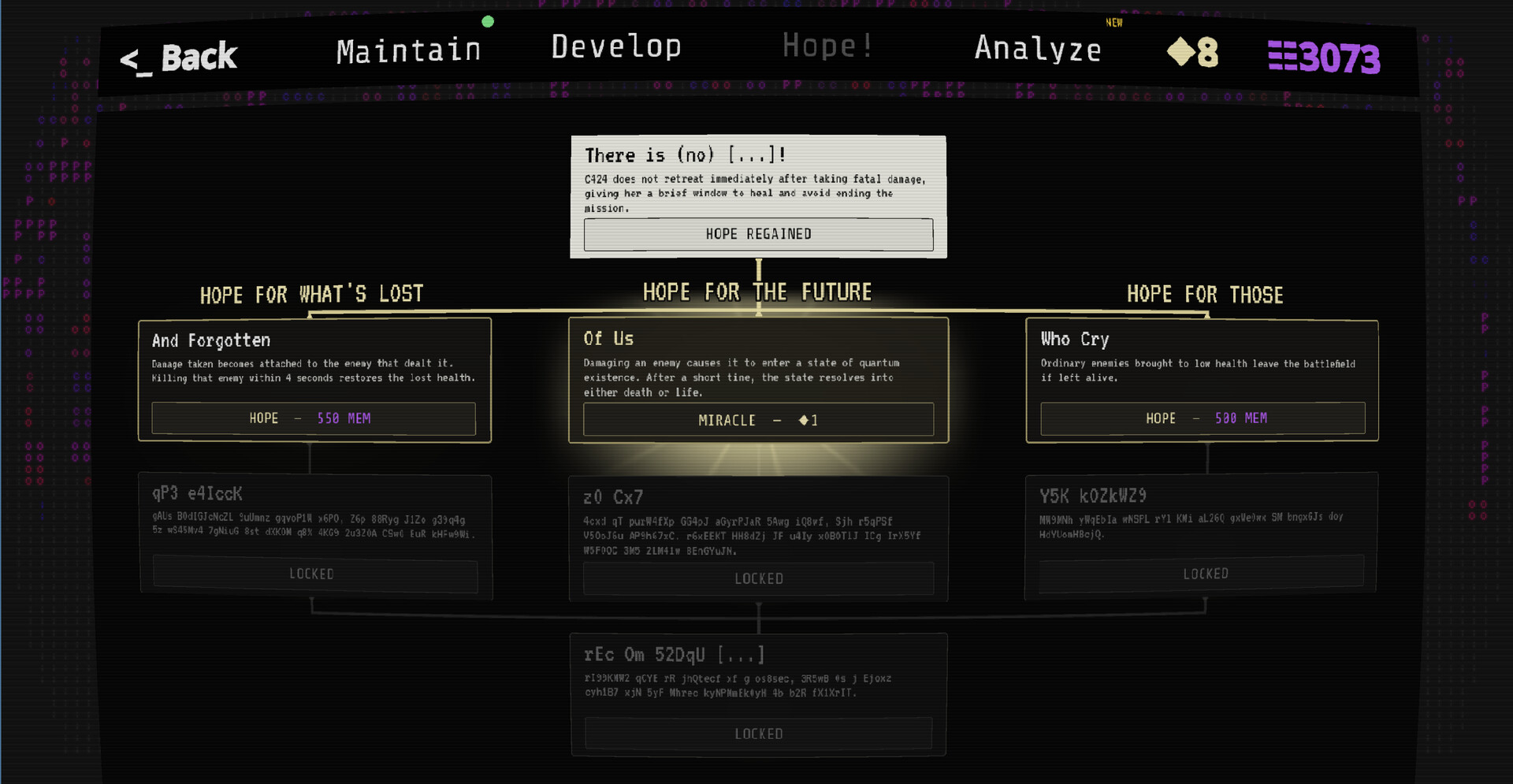
The Hope development tree, naming specific upgrades like 'Of Us,' which forces a damaged enemy into a quantum life-or-death state, priced across three distinct currencies.Steam store page