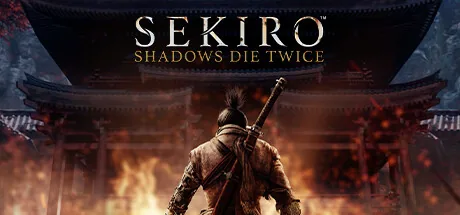
FromSoftware throws out the build variety and co-op that define its other games and replaces them with a single unbreakable rule — get better at deflecting, or don't get past this boss — and turns that gamble into one of the sharpest action games ever made.
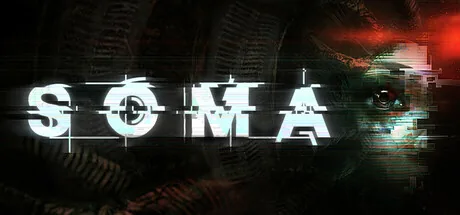
A philosophical sci-fi horror game about consciousness, identity and what survives an underwater apocalypse — nine years on, still Overwhelmingly Positive, and still honestly criticized by a consistent minority for gameplay that some feel gets in the story's way.
A conventional open-world checklist game wearing the most beautiful presentation layer in the genre — and, after Sony's reported retreat from PC in March 2026, quite possibly the last Sucker Punch game PC players get to buy.
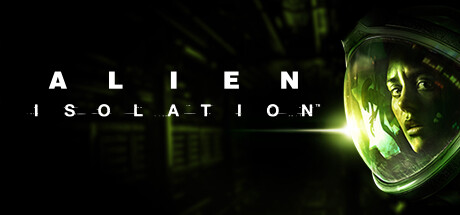
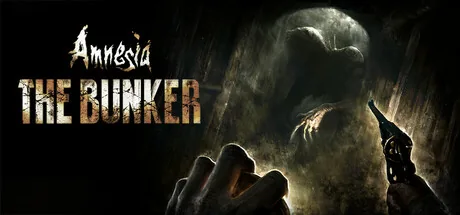
Frictional Games' boldest genre pivot yet — a tense, resource-scarce, Alien: Isolation-style stalker horror game that thrilled a large majority of reviewers, while a real and consistent minority of longtime series fans miss the puzzle-driven, story-rich horror the studio built its reputation on.
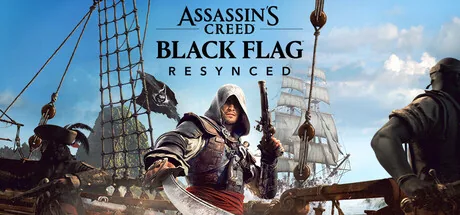
Ubisoft rebuilt Assassin's Creed IV: Black Flag from the ground up on the current Anvil engine rather than simply upscaling it, and the parts that made the 2013 original a fan favourite — Edward Kenway, the Jackdaw, the whole rotten, beautiful Caribbean — survive the trip largely intact. What doesn't survive as cleanly is some of the combat identity Ubisoft chose to strip out along the way.
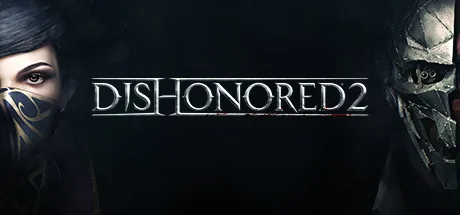
Arkane's supernatural stealth-action sequel remains Very Positive across more than 66,000 Steam reviews, widely regarded as one of the finest immersive sims ever made — a reputation that survived a severe, well-documented 2016 launch-performance crisis this review can confirm was genuinely fixed, though a separate, newer, still-unresolved AMD CPU plus Nvidia GPU launch-failure bug persists in reviews dated as recently as August 2025, alongside real, current uncertainty over Arkane's own future following a July 2026 Xbox restructuring.
A gorgeous, unusually faithful Indiana Jones game with excellent puzzles — and hardware requirements strict enough that its second most-upvoted critic warns you'll discover the problem after the refund window closes.
A properly uncompromising immersive sim — hack it, sneak it, or shoot it, in a grimy 2038 California run by a secret society. The most divisive thing in it is the save system, and that's not an oversight. It's the design.
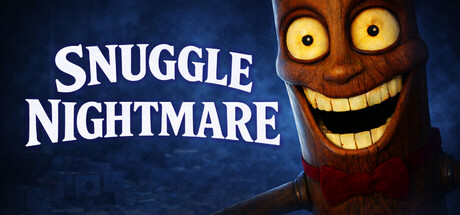
A genuinely frightening co-op horror game that's 93.9% positive — and whose most invested players, with sixty-hour averages, are now leaving negative reviews over the studio's use of AI-generated art.
A gorgeous, confident Bond origin story from the Hitman studio — that abandoned the sandbox design the Hitman studio is famous for, and asks NZ$99.99 for about fifteen hours you won't replay.
Eidos-Montreal's cyberpunk immersive sim remains Mostly Positive across more than 42,000 Steam reviews for its genuinely excellent stealth gameplay and world-building — undercut by a real, remarkably consistent complaint that its story ends abruptly mid-arc, a flaw this review can confirm the game's own writer has since publicly acknowledged, tied to a since-cancelled sequel that would have resolved it, and to real, dateable studio layoffs still affecting Eidos-Montreal as recently as March 2026.
A handsome, deliberately linear twelve-hour crime story in 1900s Sicily that three in five buyers actually finish — released at NZ$119.95, which is the number most of its arguments are really about.
A one-day-old Japanese horror walking sim whose entire hook is a gaze-driven fog of war — the neighbourhood only exists where you're actually looking, and looking is also how the thing hunting you finds you. Reviewed on launch day, against zero Steam reviews and the developer's own two-title track record.
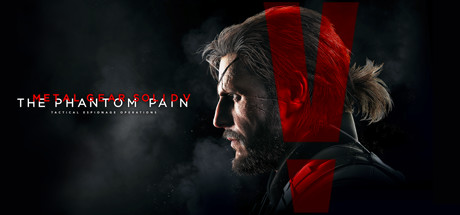
One of the greatest games ever made, rebuilt shot for shot and shipped at NZ$114.99 with performance problems Konami stopped patching in January — now 60% off, eleven months later, for reasons the review page makes obvious.
Ubisoft's feudal Japan entry delivers genuinely beautiful visuals and a widely loved shinobi protagonist, undercut by a real, consistently repeated "formula fatigue" complaint — towers, icons, repetition — a verified gap between Ubisoft's public promise of full offline play and what reviewers report experiencing in practice, and a heavily monetised in-game store layered on top of a full NZ$109.95 purchase.
A first-person co-op roguelite where up to four cats sneak past dogs to rescue kittens, spend break-in cash on crossbows and grenades between runs, and try to outlast an escalating house — priced at $2.99 and one day old, with a single user review and no achievement list yet to check its own claims against.
Supermassive set up the best premise they've ever had — a shapeshifting alien aboard a crashed colony ship, where the horror is not trusting the crew — and then spent the second half forgetting to use it.
A brutally tense, atmospheric co-op horror shooter built entirely around four-player coordination — undercut for years by the one thing it never properly solved: no server browser or real matchmaking, leaving solo players locked out unless they already have a premade squad.
A budget first-person stealth horror game that drops a lone archaeologist into a Mayan tomb full of patrolling "Guardians," built on a demo that spent over a year gathering feedback before the ten-level full release launched with no user reviews yet to check it against.
A first-person, no-combat stealth slasher where a masked killer hunts by noise, light and movement rather than a script — built for one intense sitting, released day one with a single verified user review and a demo that had already been public for five and a half months.
Ubisoft's first open-world Star Wars game delivers genuinely praised atmosphere and world-building as scoundrel Kay Vess, undercut by a real, consistently repeated "Ubisoft formula fatigue" complaint about an empty, on-rails open world, a specific, reproducible manual cloud-save failure that has cost multiple reviewers dozens of hours of progress, and a patch cadence that this review can confirm effectively stopped in mid-2025 even as bug reports continued well into 2026.
A two-person team's espionage FPS split almost evenly between fans who compare it to Project IGI and critics who say its weapons don't hit as hard as its marketing promises — a complaint this review found the developer had already dated patches addressing within days.
A first-person prison survival sim that launched into Early Access on 5 August 2026 with a broken opening objective — every one of its first user reviews describes the morning roll call softlocking progress, and a hotfix the next day only partly closed the gap between the pitch and the build.