
Game review
Metal Gear Solid V: The Phantom Pain
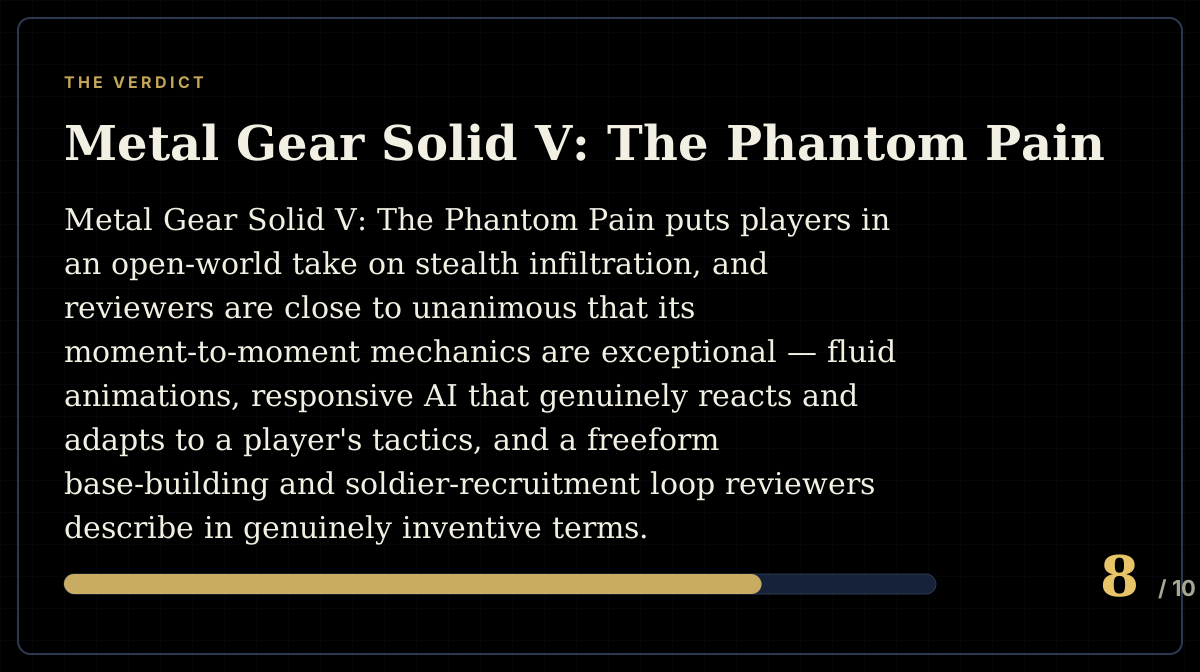
8 / 10
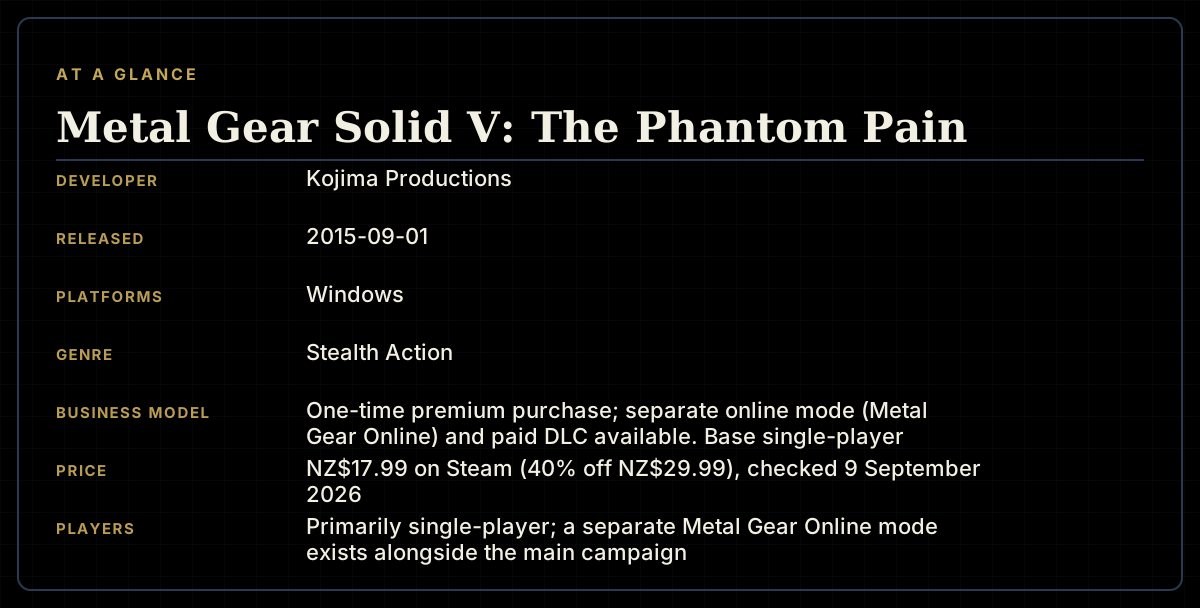
- Developer
- Kojima Productions
- Publisher
- Konami
- Released
- 1 September 2015
- Platforms
- Windows
- Genre
- Stealth Action
- Monetisation
- One-time premium purchase; separate online mode (Metal Gear Online) and paid DLC available. Base single-player game reviewed here
- Players
- Primarily single-player; a separate Metal Gear Online mode exists alongside the main campaign
The short version
Metal Gear Solid V: The Phantom Pain puts players in an open-world take on stealth infiltration, and reviewers are close to unanimous that its moment-to-moment mechanics are exceptional — fluid animations, responsive AI that genuinely reacts and adapts to a player's tactics, and a freeform base-building and soldier-recruitment loop reviewers describe in genuinely inventive terms. "This game has the best stealth mechanics I've ever seen in a game," one detailed reviewer states plainly, a sentiment echoed across a large share of this review sample.
That praise comes with an equally consistent, well-documented caveat: this is widely acknowledged, including by reviewers who love the game, as an unfinished product. Kojima's public departure from Konami during development left the game's back half built substantially from repeated earlier missions at increased difficulty, with a planned final chapter never properly delivered. A decade later, a separate and much more current problem emerged: Konami quietly added Denuvo DRM in mid-2026, which multiple reviewers report caused real performance regressions and broke a long-running, previously celebrated modding community, with at least one detailed account noting a partial official fix as of early August 2026 while the DRM itself remains in place.
Biggest strengths
- Widely and specifically praised stealth mechanics, with reviewers repeatedly calling it among the best AI-driven stealth gameplay in the genre
- A genuinely inventive open-world base-building and soldier-recruitment loop, described by one reviewer as feeling "like Pokémon" but with tranquilized, Fulton-extracted soldiers instead of creatures
- Strong technical scalability, with multiple reviewers reporting smooth performance even on comparatively old or modest hardware, historically one of the game's most consistently praised traits
Biggest weaknesses
- Widely acknowledged, even among fans, as an unfinished game: the back half of the campaign substantially reuses earlier missions at increased difficulty, and the story's intended final chapter was never properly delivered following Kojima's departure from Konami during development
- A mid-2026 update added Denuvo DRM to this then-11-year-old single-player game; multiple reviewers report real performance regressions from it, and that it broke a large share of the long-running mod scene, with only a partial official fix reported as of early August 2026 and the DRM itself still present
- Some core resources and base facilities are tied to online connectivity through Metal Gear Online integration, which at least one reviewer specifically criticizes as locking a significant share of progression behind online systems in what's otherwise a single-player experience
Who it's for: Stealth-action fans who want some of the genre's best moment-to-moment mechanics and can accept a genuinely unfinished back half. Less suited to players who specifically want a complete, polished narrative arc, or who are sensitive to DRM added well after a game's original release.
Our recommendation: Worth playing for the stealth mechanics and base-building loop alone, especially at a discount — just go in aware the story cuts off before its intended ending, and check current performance reports given the 2026 DRM addition before buying.
8 / 10
Metal Gear Solid V: The Phantom Pain was Hideo Kojima's final entry as the series' director, and it remains one of gaming's most-discussed examples of a genuinely brilliant game shipped in a visibly incomplete state. Nine years on, this review sample makes both halves of that reputation clear: the moment-to-moment stealth is still described in superlative terms, and the game's unfinished back half is acknowledged just as openly, by fans and critics of the game alike.
Stealth mechanics reviewers still call among the best ever made
The praise for how this game actually plays is remarkably consistent and specific. "This game has the best stealth mechanics I've ever seen in a game," one detailed reviewer writes, crediting fluid animations, responsive AI, and an engine that "provides you with good ballistics, very interactive companions, and a lot of cool tricks." The open-world base-building and recruitment loop draws its own distinct praise, with one reviewer capturing its odd charm precisely: "It's like Pokémon — but instead of catching cute little creatures with Pokéballs, you're collecting fully armed Soviet soldiers by launching them into the sky with balloons." Even reviewers with more mixed overall takes tend to carve out the core gameplay loop as the clear exception, with one writing simply that their strategy for most missions was to "try stealth until I inevitably get caught like a dummy and have to kill everyone" — and having a genuinely fun time regardless of which approach won out.
An unfinished game, acknowledged openly by its own fans
What makes this review sample unusual is how directly reviewers who clearly love the game are willing to name its central flaw. "Let me start off by saying this game is unfinished," one detailed, highly upvoted review opens, "a large chunk of the game is missing that contains the originally planned ending, and the entire second half of the game is filled with the same exact missions from the first half but with increased difficulty." A separate reviewer puts it more tersely: "The first half of the game is great, well thought out, and well polished. The second half of the game is half garbled together from the ashes of Kojima's departure." This isn't disputed or defensive in this sample — it's treated as settled, well-known context that reviewers factor into their recommendation rather than something to argue about.
A live, current problem: Denuvo added to an eleven-year-old game
Beyond that well-known history, a specific and much more recent controversy runs through a cluster of 2026 reviews. Konami added Denuvo DRM to the game via a mid-2026 update, and multiple detailed reviewers report real consequences: "the new DRM update not only makes most of those mods unplayable, but also the game itself runs awfully without any mods installed," one writes, describing the game as previously "a technical marvel for years" thanks to its modding community. Another reports specific performance regressions after a hardware upgrade coincided with the DRM update, going from smooth performance to "horrendous performance issues." One reviewer's review includes a later edit, dated 4 August 2026, noting Konami had since fixed some of the DRM's underlying performance problems, while still questioning why the DRM was added to a game this old in the first place. That's a live, current, and specific technical concern rather than settled history, worth checking recent reviews on directly before buying.
What the completion data adds
Steam's achievement statistics offer a useful independent check on how far players typically get. Early milestones sit close to 90% of the tracked playerbase, but that curve falls away sharply toward the game's harder, presumably late-campaign achievements, several of which sit in the low single digits — a drop-off consistent with reviewers' account of a long, eventually repetitive back half that a large share of buyers don't push through to full completion. As with a number of other older titles in this catalogue, this game's achievement schema returns only generic internal identifiers rather than readable names, so this review can describe the general shape of that decline without tying specific milestones to specific missions or story chapters.
The end of an era for the series
It's worth stating plainly what this game represents in the wider Metal Gear timeline: it was the last mainline entry directed by Hideo Kojima before his public, well-documented split from Konami, and reviewers in this sample frequently frame their appreciation for the game specifically in that context, treating it as both a technical high point for the series and a bittersweet, incomplete farewell from the director most associated with it. That framing recurs often enough, including in reviews that otherwise focus purely on mechanics, to suggest most of this game's audience arrives already aware of its production history rather than discovering the "unfinished" reputation as a surprise after purchase. That prior awareness likely softens the impact of the missing content for many buyers, but it doesn't change the underlying fact that the game itself, judged purely on what actually shipped, ends before its story was ever meant to.
Where it lands
Metal Gear Solid V: The Phantom Pain earns its reputation as a stealth-genre landmark through mechanics reviewers consistently rank among the best ever made, wrapped around a genuinely inventive base-building loop. Its unfinished back half is well-documented and openly acknowledged even by the game's biggest fans, a real limitation rather than a matter of taste, and the 2026 Denuvo addition introduces a fresh, current technical concern worth checking recent reviews on before purchase. For stealth-action fans willing to accept an incomplete ending in exchange for some of the genre's best core gameplay, this remains a strong recommendation.
Pros and cons
Pros
- Widely and specifically praised stealth mechanics, with reviewers repeatedly calling it among the best AI-driven stealth gameplay in the genre
- A genuinely inventive open-world base-building and soldier-recruitment loop, described by one reviewer as feeling "like Pokémon" but with tranquilized, Fulton-extracted soldiers instead of creatures
- Strong technical scalability, with multiple reviewers reporting smooth performance even on comparatively old or modest hardware, historically one of the game's most consistently praised traits
- A large amount of mission and side-objective content, with weather and time-of-day systems reviewers say meaningfully affect how individual missions play out
- A celebrated, long-running third-party modding community that extended the game's life well beyond its original release
Cons
- Widely acknowledged, even among fans, as an unfinished game: the back half of the campaign substantially reuses earlier missions at increased difficulty, and the story's intended final chapter was never properly delivered following Kojima's departure from Konami during development
- A mid-2026 update added Denuvo DRM to this then-11-year-old single-player game; multiple reviewers report real performance regressions from it, and that it broke a large share of the long-running mod scene, with only a partial official fix reported as of early August 2026 and the DRM itself still present
- Some core resources and base facilities are tied to online connectivity through Metal Gear Online integration, which at least one reviewer specifically criticizes as locking a significant share of progression behind online systems in what's otherwise a single-player experience
- Mission structure is described by multiple reviewers as repetitive over a long campaign, following a similar extract-and-eliminate pattern across many individual missions
- The story's pacing and clarity suffer specifically in the back half, a direct, acknowledged consequence of the game's unfinished development rather than an intentional structural choice
Screenshots
-
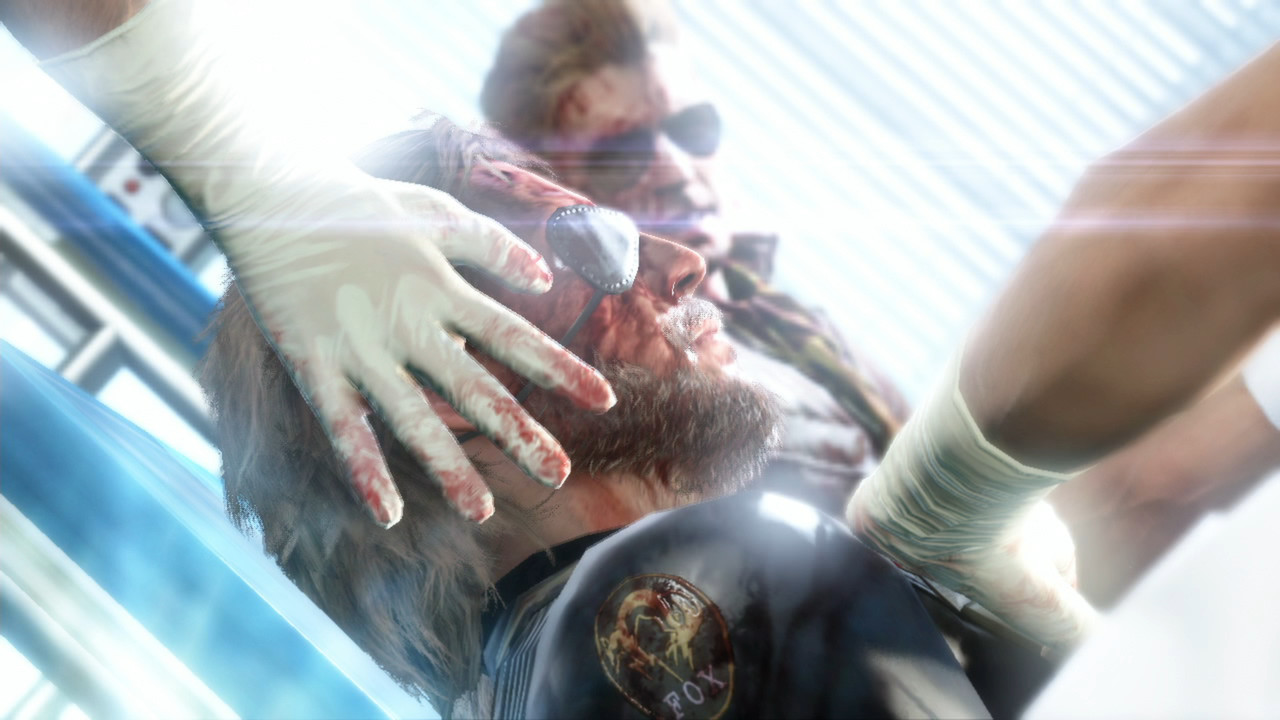
Metal Gear Solid V The Phantom PainImage: Konami via Steam -
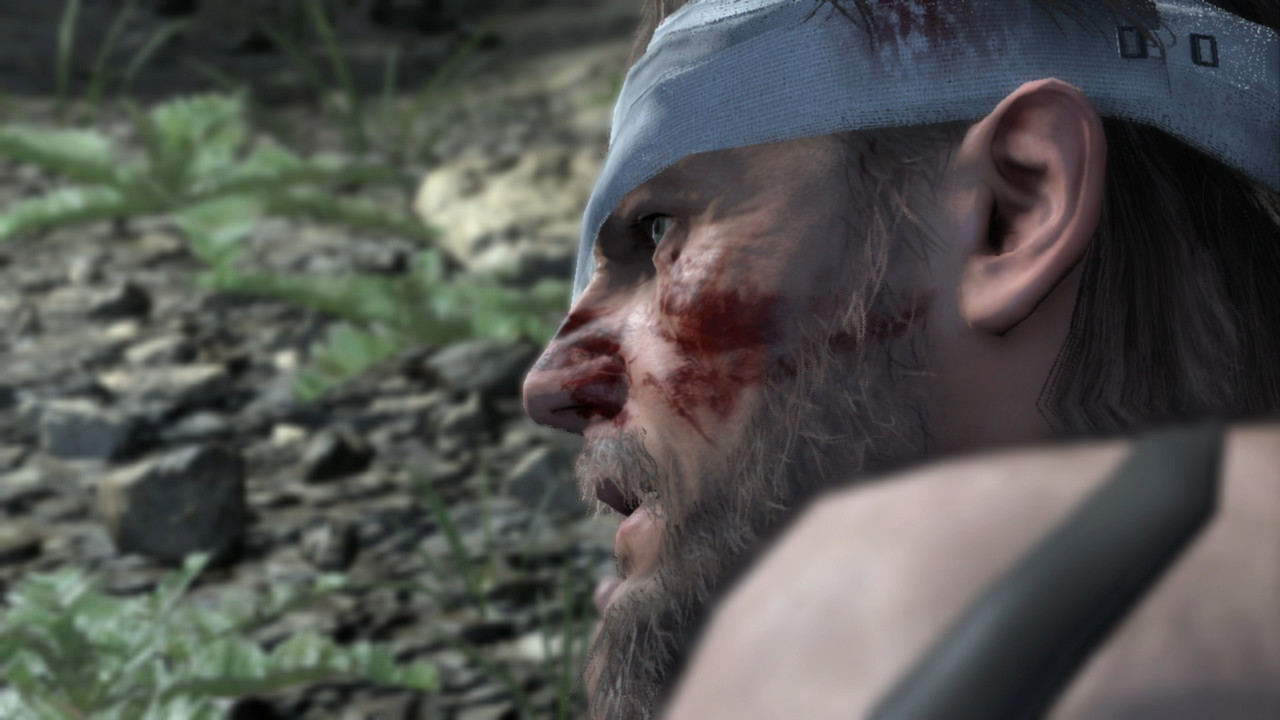
Metal Gear Solid V The Phantom PainImage: Konami via Steam -
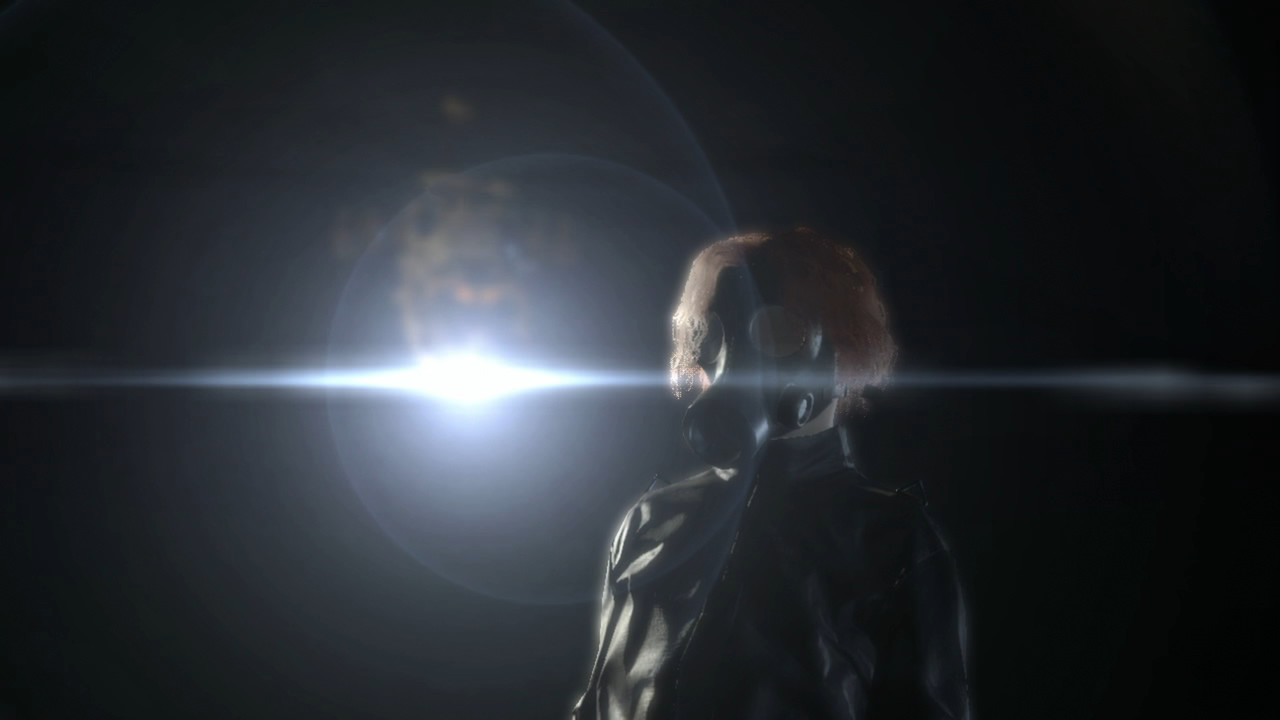
Metal Gear Solid V The Phantom PainImage: Konami via Steam -
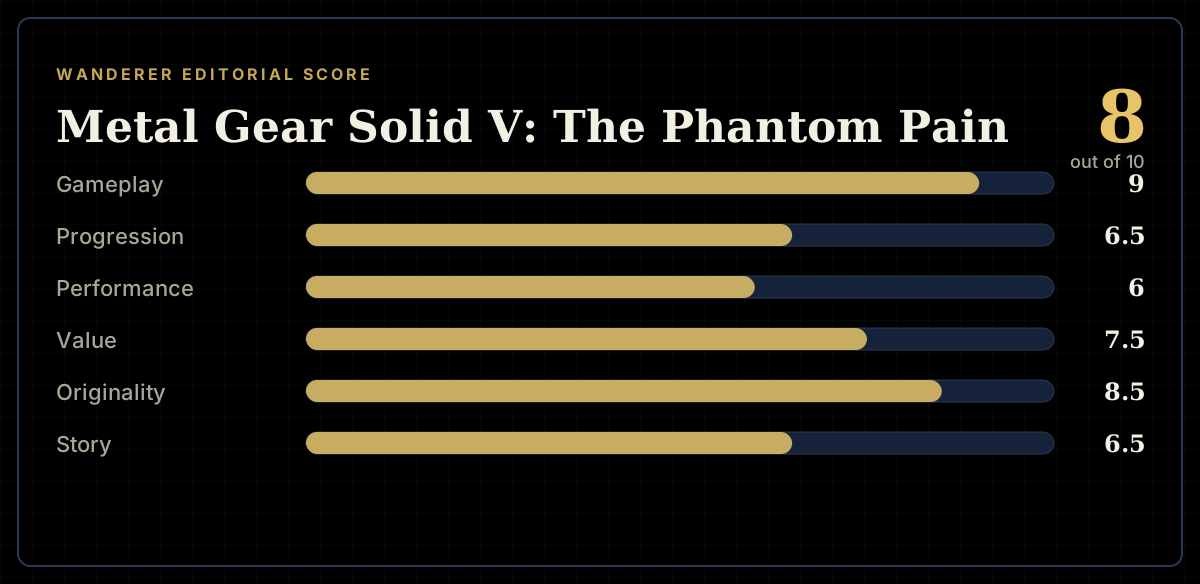
How the review scores each part of the gameWanderer Editorial -
The specsWanderer Editorial -
The short versionWanderer Editorial