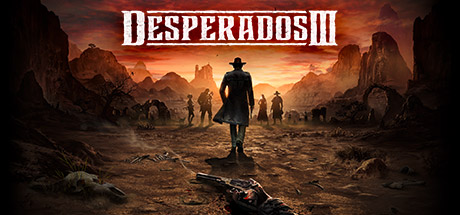
Game review
Desperados III
7.5 / 10
- Developer
- Mimimi Games
- Publisher
- THQ Nordic
- Released
- 16 June 2020
- Platforms
- Windows, macOS, Linux
- Genre
- Real-Time Tactics Stealth
- Monetisation
- Premium one-time purchase with a paid Season Pass adding extra missions; free content updates including a Bounty Mode and level editor also shipped after launch
- Players
- Single-player only
The short version
Desperados III is, by an overwhelming margin, one of the best-received real-time tactics games in years — a Wild West prequel built by the studio behind Shadow Tactics, with gorgeous environments, a well-acted revenge story, and a five-outlaw cast whose abilities interlock into genuinely satisfying multi-step plans. A smaller but detailed and consistent group of reviewers pushes back on the genre label itself, arguing what plays out is closer to a trial-and-error puzzle box with one correct solution per level than an improvisational tactics sandbox, and that the studio's own prior game shares an uncomfortable amount of DNA with this one.
Biggest strengths
- Five distinct outlaws with interlocking abilities create genuinely satisfying multi-step plans, and reviewers across the board describe the moment a complex plan executes successfully as one of the best feelings the genre offers
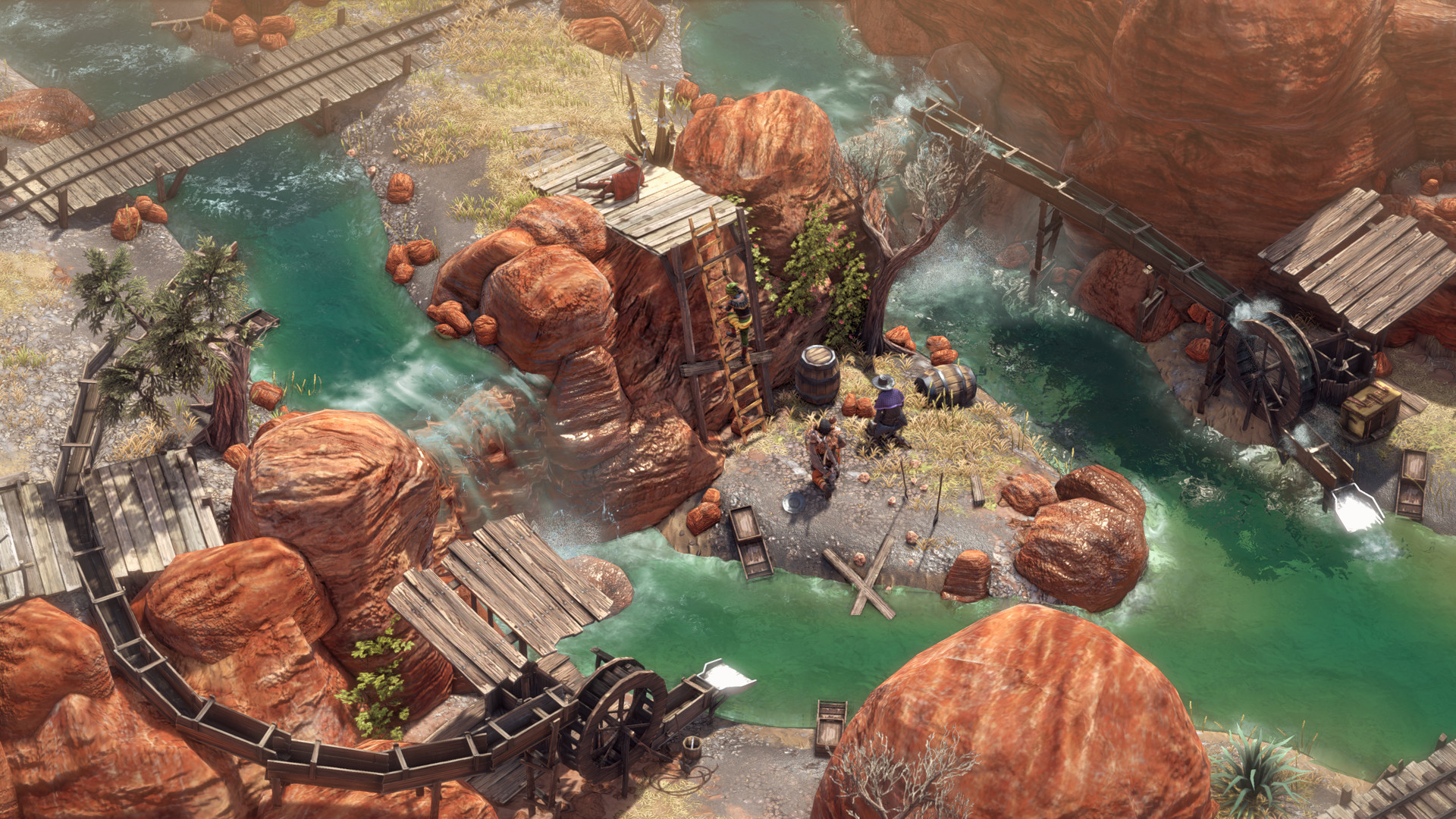
- Environments and presentation draw consistent, specific praise for atmosphere and visual storytelling, elevating the Wild West setting well beyond a generic backdrop
- The revenge-driven story and voice-acted cast are repeatedly credited with giving the campaign real emotional stakes, a rarer strength in this genre than most tactics games attempt
Biggest weaknesses
- A detailed, consistent minority of reviewers argues the genre label oversells what's actually happening: most levels have a single correct sequence of actions, and deviating from it means restarting rather than improvising a new solution, making "puzzle with one answer" a more accurate description than "tactics" for these reviewers
- Multiple reviewers who also played Mimimi's earlier Shadow Tactics: Blades of the Shogun describe Desperados III as sharing an uncomfortable amount of mechanical DNA with that game, down to near-identical ability sets reskinned for a new setting rather than meaningfully evolved
- Several reviewers report real fatigue by the back half of the 16-level campaign, describing repetitive action patterns and diminishing excitement compared to the strong opening hours
Who it's for: Fans of Commandos-style isometric tactics and stealth puzzles who enjoy methodically working out a level's one correct solution through repeated attempts, more than players wanting a tactics game that rewards genuine improvisation on the fly.
Our recommendation: A genre highlight worth its acclaim for the right kind of player; try the free demo first if "trial-and-error puzzle" sounds like a dealbreaker rather than a description of fun, since that's the most consistent and specific critique from the minority who didn't love it.
7.5 / 10
Desperados III opens with a young John Cooper watching his family's ranch burn, and closes, sixteen missions later, with the revenge story that opening promises fully paid off. In between, Mimimi Games built one of the best-received real-time tactics stealth games in years — a prequel to the classic Desperados that borrows its isometric, Commandos-lineage structure and sharpens it with the studio's own experience building Shadow Tactics: Blades of the Shogun. 96% of nearly 17,000 reviewers rate it Overwhelmingly Positive, a rare tier reserved for genre standouts. What's more interesting than the score itself is how specific and consistent the dissenting 4% actually is.
Five outlaws, one satisfying knot to untangle
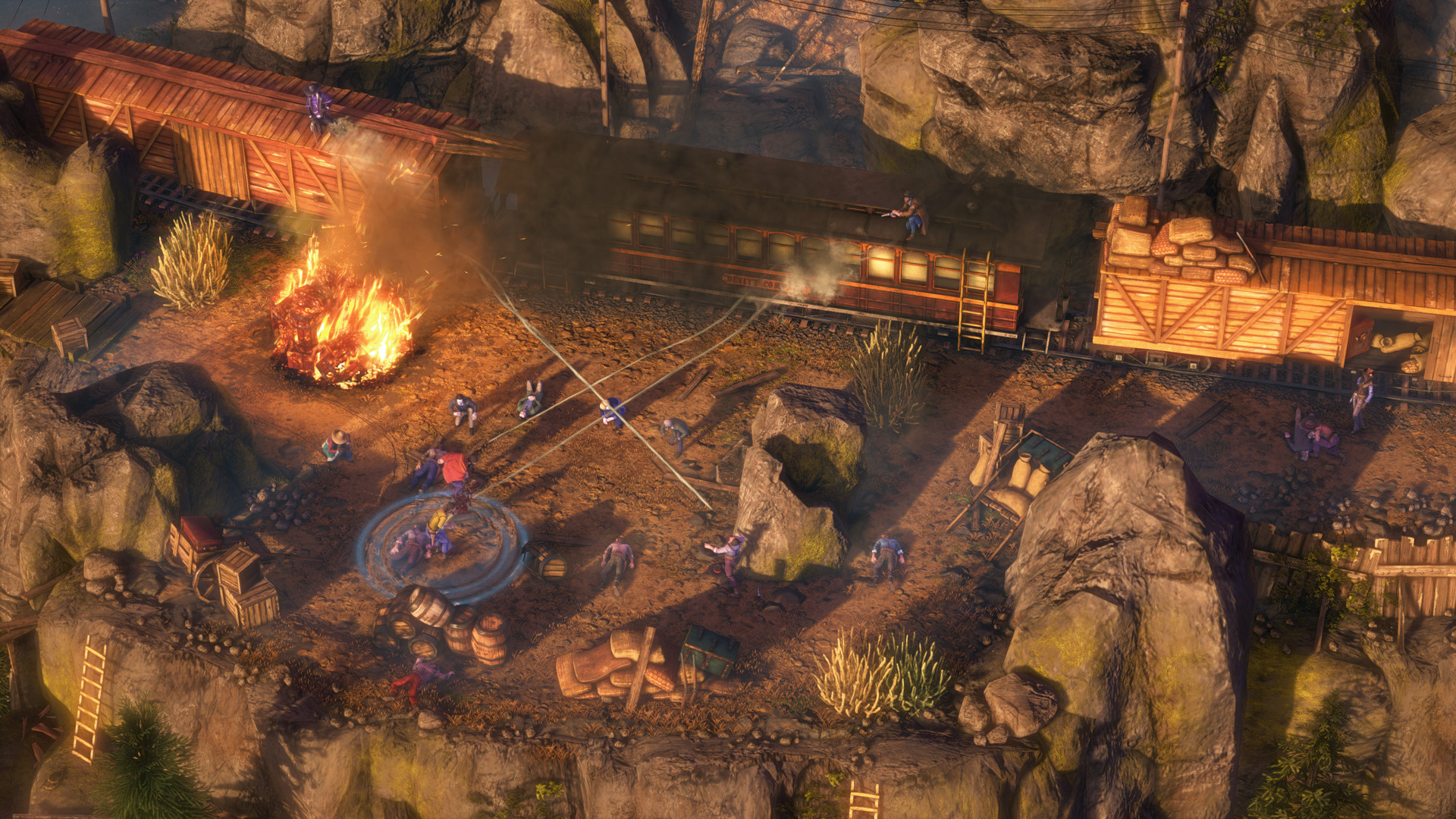
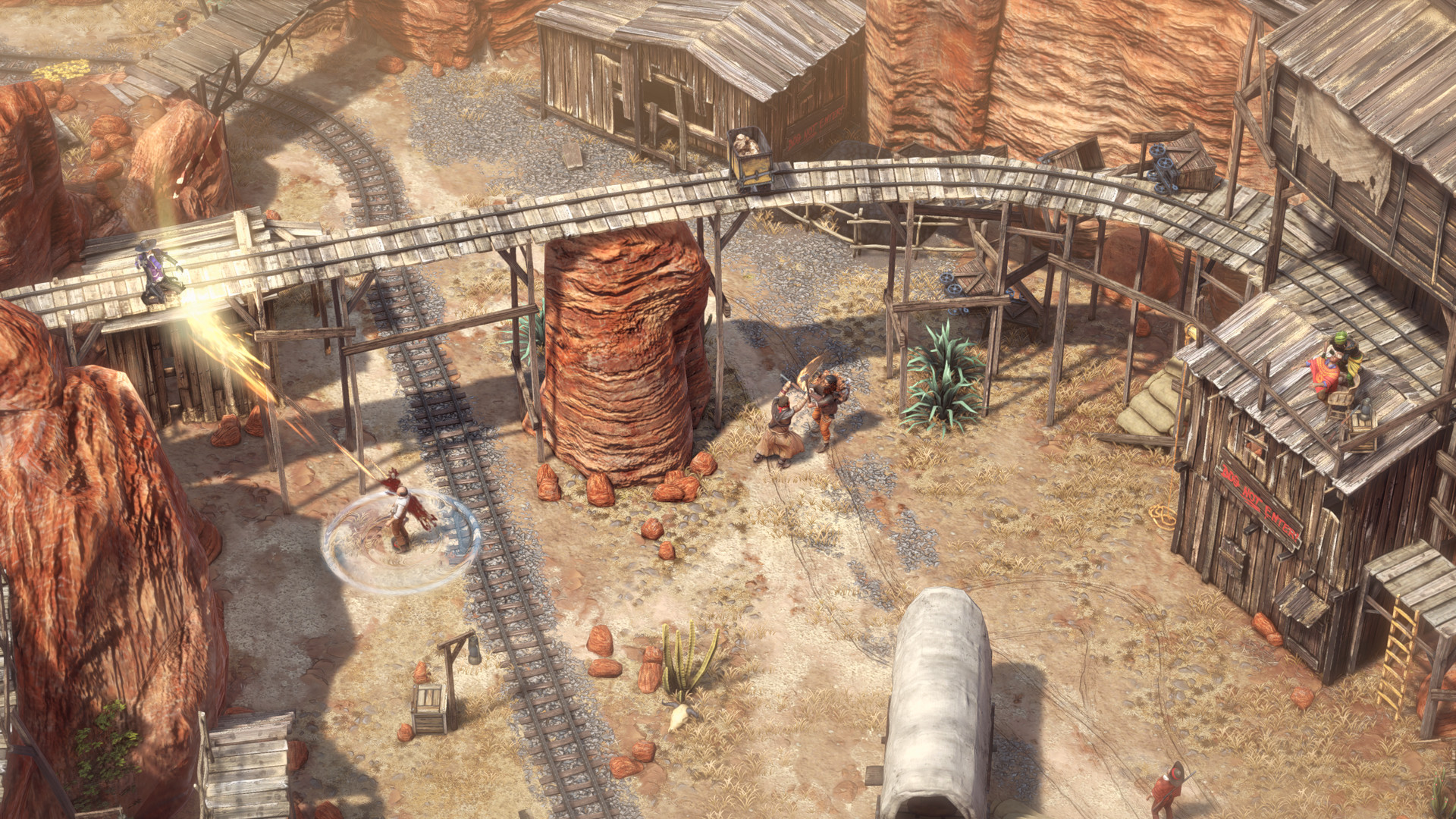
The core loop asks players to observe a level full of patrolling guards, then work out how five distinctly-abled outlaws — a gunslinger, a knife-throwing bandit, a trap-setting con artist, a sniper, and a heavyset brawler among them — can clear it without raising an alarm. When a complex, multi-character plan comes together, the review sample describes it in almost uniform terms: deeply satisfying, one reviewer comparing it to untangling a complex knot by finding the one thread that unravels the whole thing. The writing backs that mechanical satisfaction with real stakes — voice acting and a revenge-driven narrative arc draw consistent praise for giving a genre that usually treats story as an afterthought some genuine emotional weight.
Presentation matches the ambition. Environments are repeatedly singled out for atmosphere and visual storytelling that goes well beyond a functional backdrop for the puzzle-solving happening on top of it, and the overall production values draw praise even from the game's more critical reviewers.
The dissent, stated with real precision
Where the review sample turns critical, it does so with unusual specificity rather than vague complaint. A consistent minority of reviewers — detailed, experienced players rather than one-off frustrated voices — argue that "tactics" undersells what the game actually asks of players: most levels have one correct sequence of actions, and any deviation typically means restarting from a checkpoint rather than improvising a new solution on the fly. Several describe this directly as trial-and-error puzzle-solving with a tactics coat of paint, distinguishing it from games where multiple genuinely different approaches all lead to success. That's a meaningfully different critique than "this game is too hard," and it's worth taking seriously as a real design characteristic rather than dismissing it as a matter of skill.
A second, related complaint compares Desperados III directly and unfavourably to Mimimi's own prior release. Multiple reviewers who played both Shadow Tactics and Desperados III describe an uncomfortable amount of shared mechanical DNA — ability sets that feel reskinned rather than meaningfully reworked for the new Wild West setting, prompting more than one reviewer to suggest the game might have made more sense marketed as a direct Shadow Tactics sequel than as a new entry in the older, distinct Desperados franchise. Fatigue compounds both complaints by the back half of the 16-mission campaign, with several reviewers reporting the strong opening hours give way to repetitive action patterns as the game goes on — a pattern Steam's own achievement data loosely supports, with completion rates dropping from around 40% on early milestones to under 3% for the hardest late-game goals.
A studio the industry couldn't sustain
One piece of context appears again and again across the review sample, stated with real sadness rather than as a footnote: Mimimi Games closed in December 2023, not long after releasing a further acclaimed title, Shadow Gambit: The Cursed Crew. The studio's own Desperados III community channel goes quiet after that period, consistent with reviewers' accounts. Multiple reviewers explicitly connect this closure to a broader concern about whether a genre this well-reviewed can actually sustain a dedicated studio commercially, treating Desperados III's critical success and Mimimi's eventual closure as two halves of the same uncomfortable story rather than unrelated facts.
A prequel that mostly justifies the legacy name
Desperados III positions itself as a prequel to 2001's Desperados: Wanted Dead or Alive, and several longtime fans of the original franchise weigh in specifically on whether that connection feels earned. The consensus leans positive but not unconditional: reviewers familiar with the 2006 sequel, Desperados 2, frequently describe this new entry as a dramatic quality recovery for the series after what multiple reviews call a genuinely broken, buggy follow-up to the beloved original. Framed against that specific history, Desperados III reads to many longtime fans less as "another tactics game" and more as the sequel the franchise deserved nearly two decades late — context that matters for understanding why the reception runs so warm even among reviewers who separately raise the Shadow Tactics comparison above.
Post-launch content that rewarded sticking around
Beyond the base campaign, Mimimi backed the game with real post-launch investment rather than treating launch as the finish line. A free Bounty Mode added replayable score-attack objectives to existing missions, a lightweight level editor let the community build and share custom scenarios, and paid DLC missions extended the story further for players who wanted more time with the cast. None of this resolves the core "puzzle box" critique from the dissenting minority — the same one-solution structure applies to the new content too — but it does mean players who found the base game rewarding had real, developer-supported reasons to keep returning rather than being left with a one-and-done sixteen-mission campaign.
Verdict
Desperados III earns its Overwhelmingly Positive reputation honestly — five interlocking character kits, a story with real stakes, and presentation that elevates a niche genre well above its usual production values. The detailed minority pushing back deserves real weight too: their specific case that this is closer to an elaborate puzzle box than a true tactics sandbox, and that it shares more with Mimimi's previous game than a new IP should, is worth knowing before paying full price. Either way, it's a genre highlight built by a studio the market ultimately couldn't keep afloat — worth playing partly for what it is, and partly for what its existence says about this kind of game's commercial ceiling.
Pros and cons
Pros
- Five distinct outlaws with interlocking abilities create genuinely satisfying multi-step plans, and reviewers across the board describe the moment a complex plan executes successfully as one of the best feelings the genre offers
- Environments and presentation draw consistent, specific praise for atmosphere and visual storytelling, elevating the Wild West setting well beyond a generic backdrop
- The revenge-driven story and voice-acted cast are repeatedly credited with giving the campaign real emotional stakes, a rarer strength in this genre than most tactics games attempt
- Mimimi Games supported the game well past launch with paid DLC missions, free content updates including a Bounty Mode and a level editor, and continued community engagement
- The game succeeded at genuinely reviving interest in a niche, long-dormant genre, with multiple reviewers explicitly crediting it and Shadow Tactics with proving real-time tactics stealth still has a real audience
Cons
- A detailed, consistent minority of reviewers argues the genre label oversells what's actually happening: most levels have a single correct sequence of actions, and deviating from it means restarting rather than improvising a new solution, making "puzzle with one answer" a more accurate description than "tactics" for these reviewers
- Multiple reviewers who also played Mimimi's earlier Shadow Tactics: Blades of the Shogun describe Desperados III as sharing an uncomfortable amount of mechanical DNA with that game, down to near-identical ability sets reskinned for a new setting rather than meaningfully evolved
- Several reviewers report real fatigue by the back half of the 16-level campaign, describing repetitive action patterns and diminishing excitement compared to the strong opening hours
- At full price, some reviewers explicitly say the game doesn't justify its cost relative to the amount of genuine mechanical variety on offer, even while praising its craft
- Mimimi Games closed in December 2023, following its next release Shadow Gambit: The Cursed Crew, despite widespread critical acclaim across its catalogue — reviewers frequently cite this closure with real sadness as a sign the genre's commercial reality didn't match its critical reception
Screenshots
-
Desperados IIIImage: THQ Nordic via Steam -
Desperados IIIImage: THQ Nordic via Steam -
Desperados IIIImage: THQ Nordic via Steam -
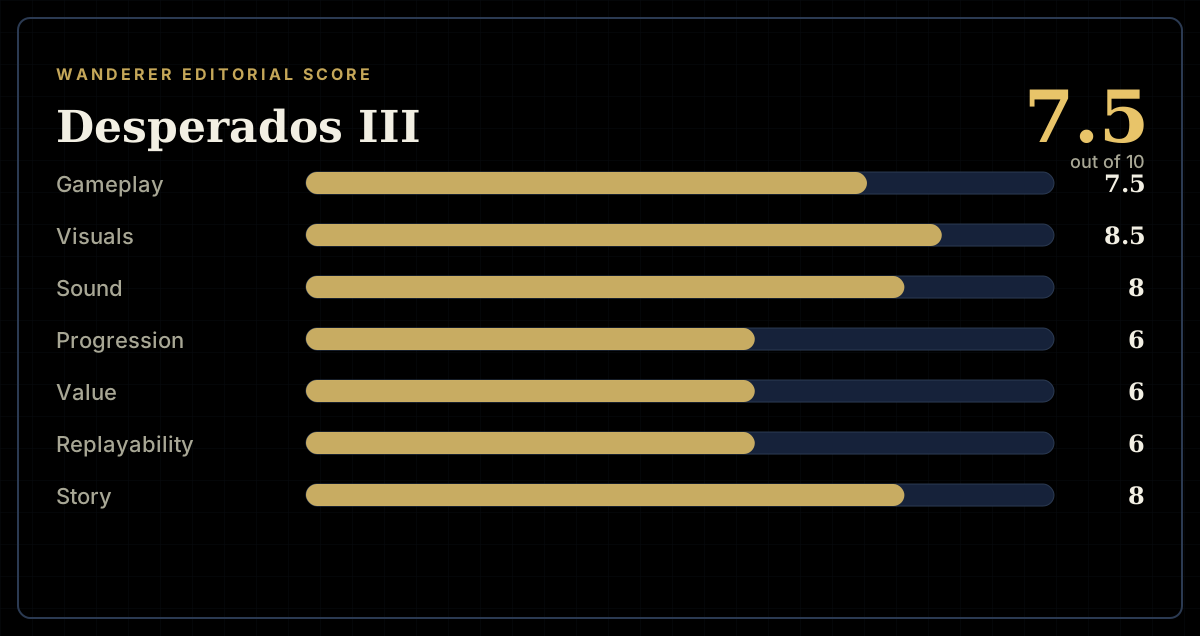
How the review scores each part of the gameWanderer Editorial -
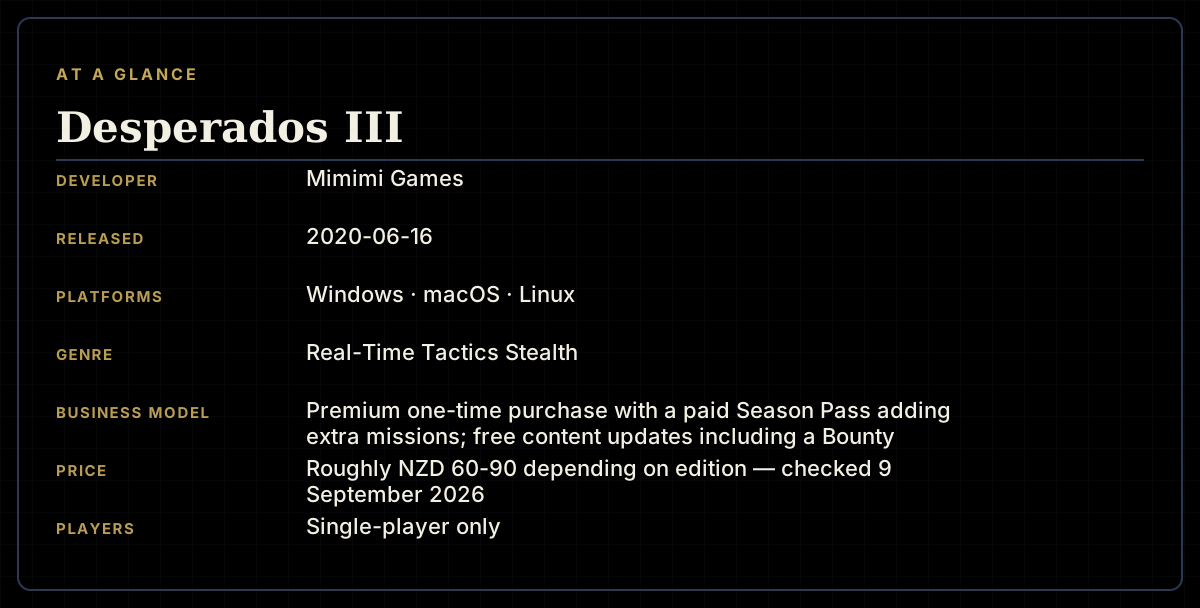
At a glanceWanderer Editorial -
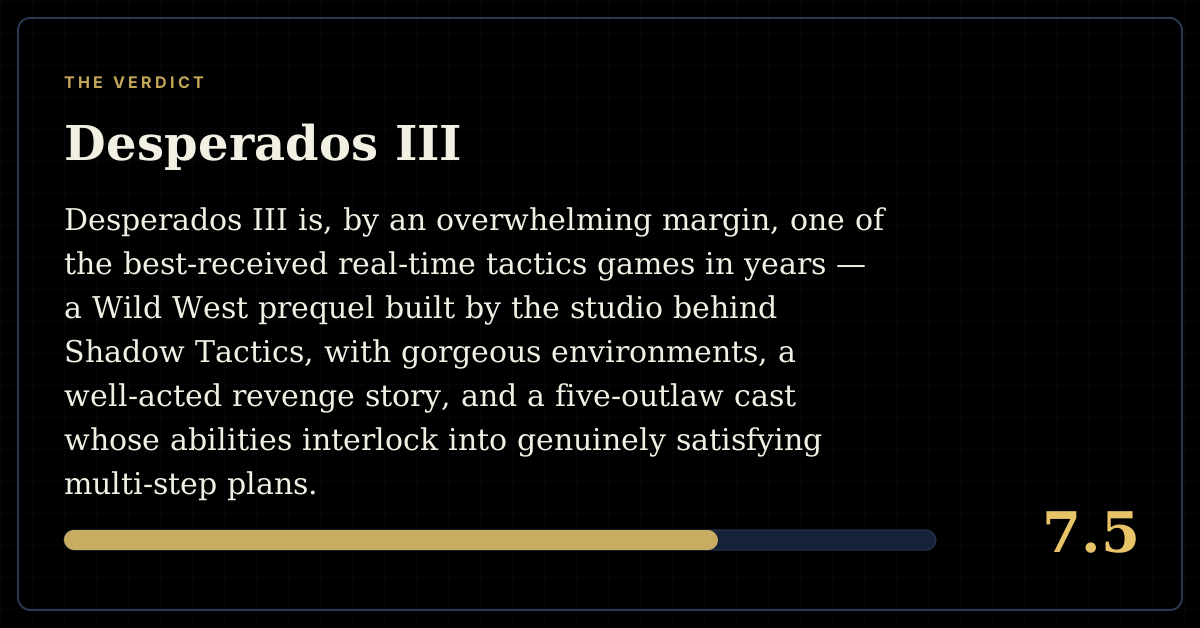
The short versionWanderer Editorial