Game review
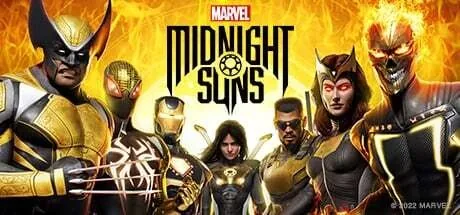
Marvel's Midnight Suns
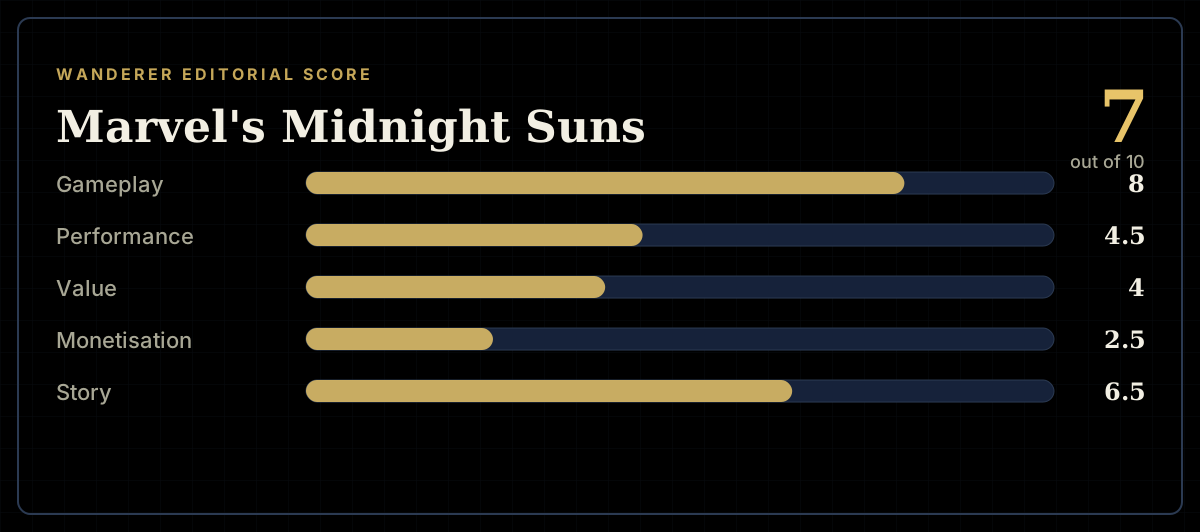
7 / 10
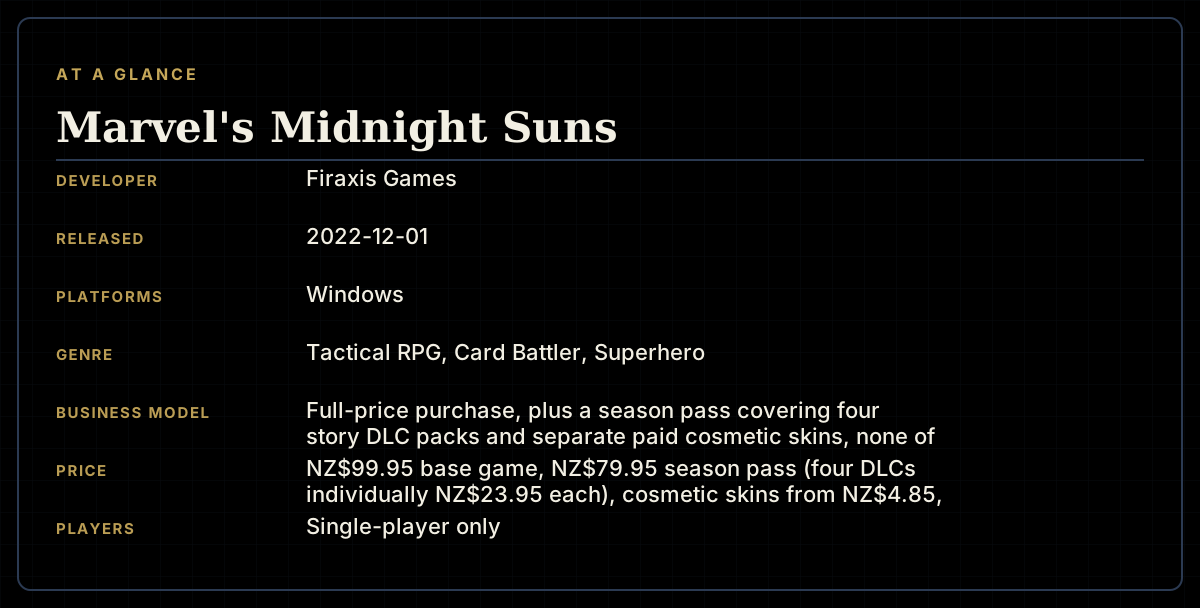
- Developer
- Firaxis Games
- Publisher
- 2K
- Released
- 1 December 2022
- Platforms
- Windows
- Genre
- Tactical RPG, Card Battler, Superhero
- Monetisation
- Full-price purchase, plus a season pass covering four story DLC packs and separate paid cosmetic skins, none of which affect core gameplay balance
- Players
- Single-player only
The short version
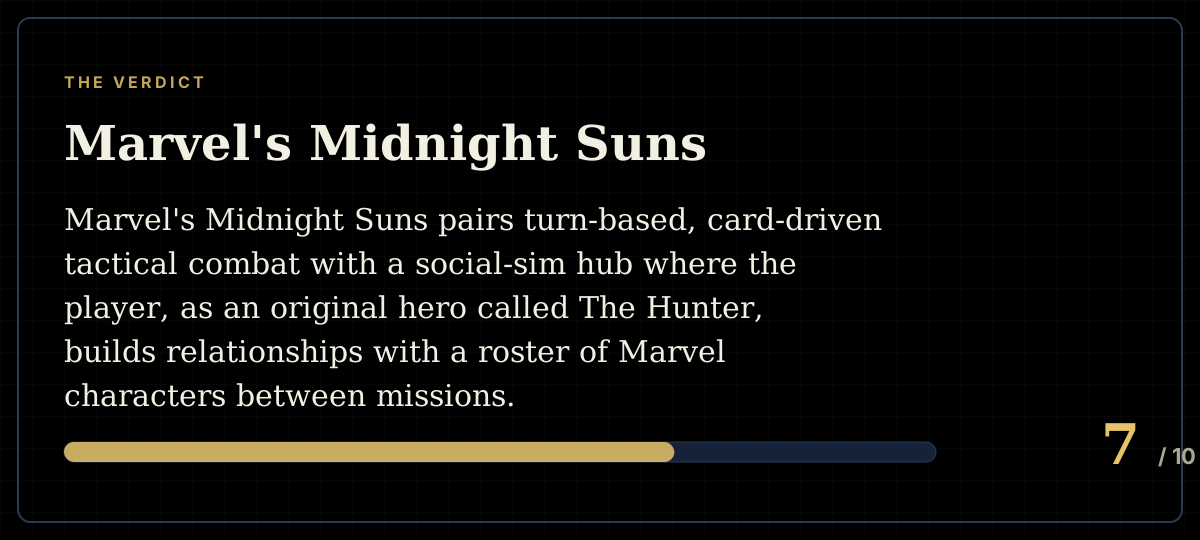
Marvel's Midnight Suns pairs turn-based, card-driven tactical combat with a social-sim hub where the player, as an original hero called The Hunter, builds relationships with a roster of Marvel characters between missions. Developed by Firaxis Games, the studio behind XCOM, and published by 2K, it released 1 December 2022 and sits at Very Positive, 82.4% across 16,073 English-language reviews. The tactical combat and social systems draw genuine, detailed praise — but the single most-upvoted review this game has ever received, at over 3,000 votes, leads with a different complaint entirely: a season pass and paid cosmetics stacked on top of a NZ$99.95 single-player purchase. That launch-week monetisation and performance controversy has since been joined by a second, more serious one — reviews from 2025 and 2026 describe a Terms of Service change imposing periodic online re-verification on what remains, on paper, a single-player game, language reviewers repeatedly call "spyware."
Biggest strengths
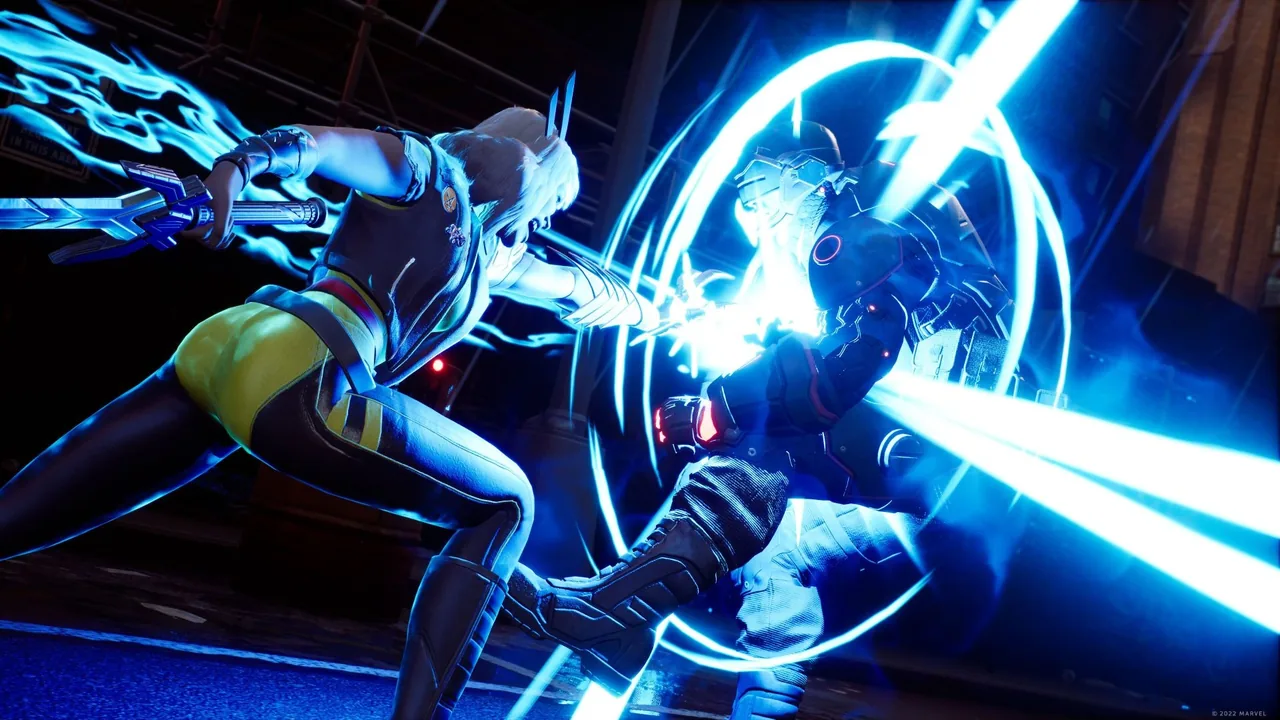
- Turn-based, card-driven combat draws consistent, detailed praise from tactics veterans as a genuine evolution of the genre, with real depth in deck construction and positioning once its slow opening hours give way to its full systems
- The social hub structure, where relationships with other heroes unlock passive bonuses and story content, is repeatedly compared favourably to Persona's social-link system, with several reviewers specifically arguing the comparison is more accurate than the game's own marketing suggested
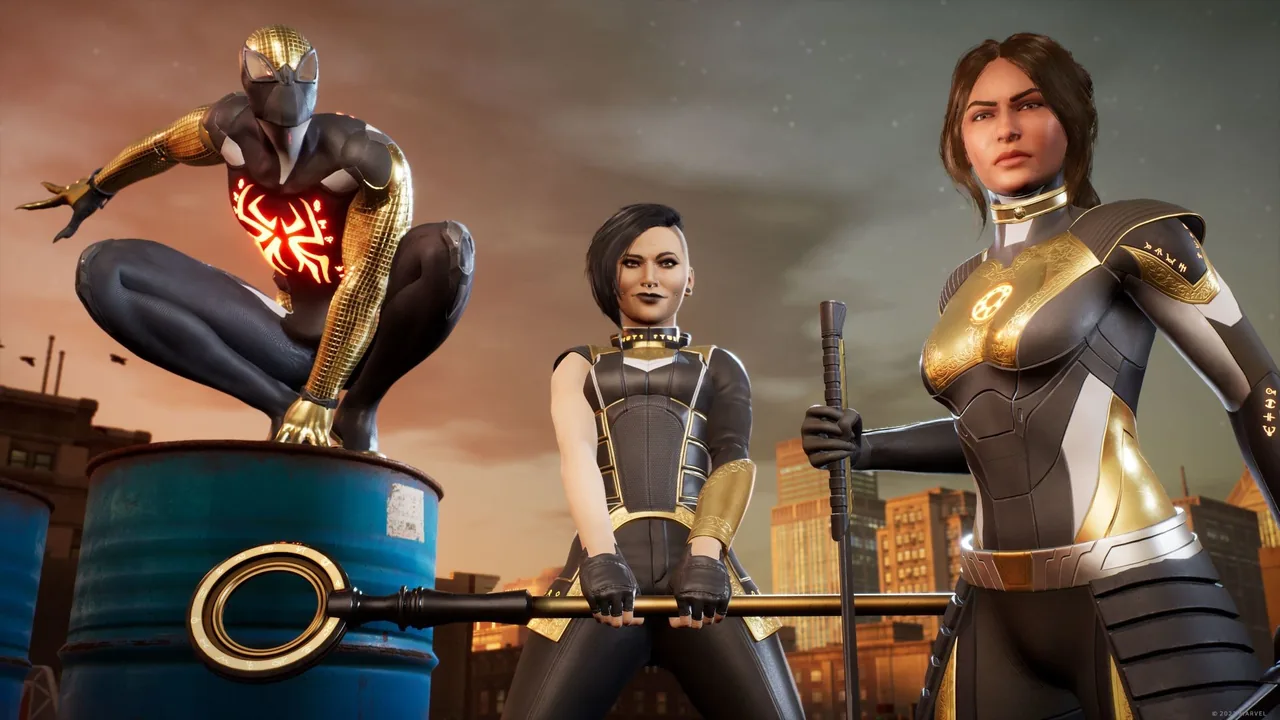
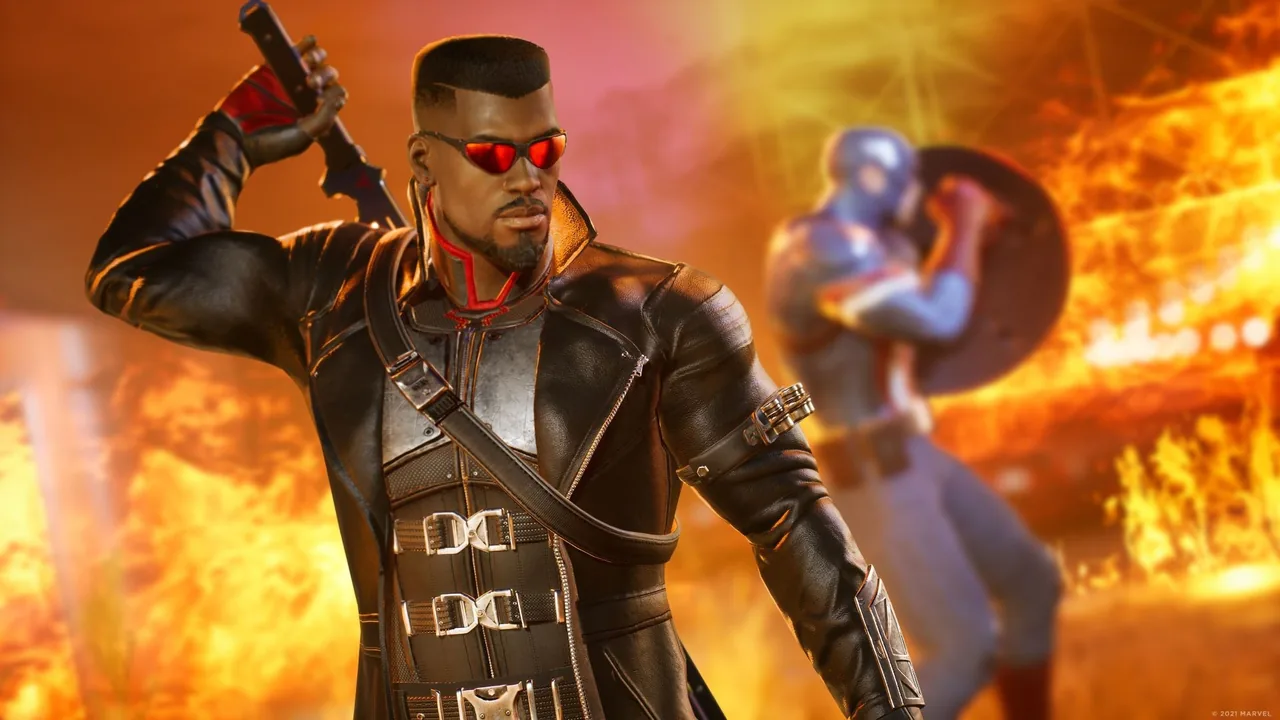
- A large, well-realised roster of Marvel characters written with evident affection for the source material, credited by multiple reviewers as capturing personalities the films and comics rarely give equal screen time
Biggest weaknesses
- A NZ$99.95 single-player game shipped alongside a NZ$79.95 season pass and separately priced cosmetic skins — buying everything currently on offer comes to roughly NZ$185, and this combination is the single most-upvoted complaint the game has ever received on Steam, by a wide margin
- Launch-week performance was severely compromised by a mandatory 2K launcher and a bug that caused the wrong executable to run, both extensively documented and worked around by the community rather than promptly fixed by the publisher
- Denuvo DRM was not disclosed on the store page at launch and was only added to the listing after reviewer backlash, alongside an anti-cheat system reviewers call absurd for a game with no multiplayer component
Who it's for: XCOM and tactics fans who can look past the business practices around the game to a genuinely strong card-based combat system, and Persona fans curious about a superhero take on the hub-and-social-link structure; a poor fit for anyone who wants a full-price purchase to be the whole product, or who's specifically wary of DRM and telemetry in single-player games.
Our recommendation: One of the better tactical RPGs of its year, sold in a way that actively worked against its own reputation at launch, followed by a post-launch consumer-trust controversy serious enough that this review can't recommend buying without knowing about it first.
7 / 10
Introduction
Marvel's Midnight Suns casts the player as The Hunter, an original demon-slaying protagonist recruited into a roster of Marvel heroes to stop a resurgent Lilith, alternating between turn-based, card-driven tactical combat and a social hub — the Abbey — where relationships with teammates unlock passive bonuses and story content. Developed by Firaxis Games, the studio behind the modern XCOM series, and published by 2K, it released 1 December 2022 and sits at Very Positive, 82.4% across the 16,073 English-language reviews this review draws from. The tactical systems here are genuinely well-regarded by a large share of that corpus. What complicates a straightforward recommendation is that this game's own review history is really two stories layered on top of each other: a launch-week controversy about monetisation and performance, and a second, more serious controversy that emerged years later over how the publisher treats the game's own customers.
Tactical combat that earns comparisons to Firaxis's best
Start with what draws the clearest, most detailed praise across the sample. The card-based combat system — building a deck of each hero's abilities, managing environmental interactions, and positioning enemies for combo kills — is repeatedly credited by tactics veterans as a genuine evolution rather than a gimmick layered onto XCOM's reputation. Reviewers with hundreds of hours describe real depth in deck construction and difficulty scaling once the game's notably slow opening hours give way to its full systems, a pacing complaint several positive reviews raise themselves while still recommending patience. The social hub structure draws its own specific, detailed praise, with multiple reviewers — including one with nearly 300 hours logged — arguing directly that "this is in fact a Persona game in disguise," spending the majority of playtime in hub activities, relationship-building and deck theorycrafting between missions. That's a genuinely useful reframing for anyone whose expectations are set by the game's marketing rather than its actual structure, and it recurs often enough in this corpus to be treated as a fair description rather than one reviewer's pet theory.
The complaint that leads the page
Here's what actually dominates this game's negative reception, by a wide margin. The single most-upvoted review Marvel's Midnight Suns has ever received — over 3,000 votes, roughly three times the next-highest negative — makes a direct, specific complaint about business model rather than gameplay: "a paid $60 video game, with a $50 season pass on top of that, and then having paid cosmetic microtransactions." Checking the storefront directly confirms the shape of that complaint even at current pricing: the base game runs NZ$99.95, the season pass covering four story expansions is NZ$79.95, and cosmetic skins are sold separately on top of both — buying the full current catalogue comes to roughly NZ$185. Multiple reviewers with high playtime and evident affection for the underlying game raise the identical point independently, several using nearly identical language about a full-price purchase being treated as a starting point rather than a complete product. This isn't a complaint about the DLC's quality or the cosmetics' price individually — it's specifically about the stacking of a season pass and cosmetic store onto a single-player, full-price release, a monetisation shape more commonly associated with live-service games than the kind of complete, authored campaign this one actually is.
Launch performance, and the software nobody asked for
A second, more technical complaint cluster concerns how the game actually ran at launch. Reviewers extensively documented severe stuttering traced to two separate causes: a mandatory 2K launcher that added overhead for no apparent functional benefit, and a specific bug that caused the wrong game executable to run by default. Both issues were significant enough that the community produced and widely shared its own workarounds — one 663-vote review links directly to a Steam community guide explaining exactly which file to launch manually to bypass the stutter, and a 236-vote review walks through disabling the 2K launcher entirely, calling it "ridiculous that 2k are forcing software on their customers that is this degrading to the game's performance" for software that " doesn't even do anything." A related complaint concerns disclosure: Denuvo DRM was not listed on the store page at launch, and reviewers report it was only added after backlash made the omission impossible to ignore — one pointed review summarised the sequence bluntly: "They now list Denuvo. Too little, too late." An anti-cheat system present despite the complete absence of any multiplayer component drew its own specific derision as unnecessary overhead with no clear purpose.
A second controversy, years later
What separates this review from a standard launch-controversy writeup is a distinct, more serious pattern that emerges in reviews from 2025 and 2026 — years after the base complaints above had largely settled. Multiple reviewers describe an updated Take-Two/2K Terms of Service applied retroactively to Midnight Suns and the publisher's other titles, imposing a periodic online re-verification requirement — one review specifies a 14-day token refresh — on a game that remains, on paper, entirely single-player. The same reviews describe the updated terms as banning the use of mods, prohibiting the display of cheats or exploits, and including a forced arbitration clause that waives certain legal rights. The language used to characterise this is unusually severe for this library's corpus: multiple independent reviewers use the word "spyware" specifically, and at least two state plainly they will not reinstall the game unless the terms change. This review cannot independently verify the precise legal text of a Terms of Service document from outside, but the specificity and consistency of these reports — the same 14-day figure, the same categories of restriction, described by reviewers with no apparent connection to each other — make this worth reporting as a real, current concern rather than a fringe complaint.
A recovery in recent sentiment worth noting fairly
It would be unfair to this review's own evidence to stop there without noting a genuine counter-signal: recent sentiment has actually improved relative to the lifetime figure, with 89 of the 100 most recent English reviews sampled here landing positive, well above the 82.4% lifetime average. That suggests the performance problems that dominated launch-week complaints have been substantially resolved, and that players approaching the game today, aware of its pricing structure going in, are finding a more stable and more clearly understood product than the one that shipped in December 2022. The ToS concern above is a separate, ongoing issue rather than one this improved sentiment addresses.
Final Verdict
Marvel's Midnight Suns is, underneath everything else, a genuinely strong tactical RPG — Firaxis brought real craft to its card-based combat and its Persona-inflected social structure, and a large majority of players who've reviewed it, especially recently, recommend it on those terms. What keeps this review from scoring it higher is that the game's own history gives readers real reason for caution independent of how good the tactics are: a launch business model its own most-upvoted review calls "atrocious," genuine technical problems that required community-sourced workarounds to fix, and a more recent Terms of Service controversy serious enough that multiple long-time reviewers describe abandoning the game entirely over it. If the gameplay is what draws you and you're comfortable with the current terms, there's an excellent tactics game here. If either the season-pass structure or the newer consumer-rights concerns matter to you, read the current store page and terms carefully before buying — this is one case where doing so genuinely changes the calculation.
Pros and cons
Pros
- Turn-based, card-driven combat draws consistent, detailed praise from tactics veterans as a genuine evolution of the genre, with real depth in deck construction and positioning once its slow opening hours give way to its full systems
- The social hub structure, where relationships with other heroes unlock passive bonuses and story content, is repeatedly compared favourably to Persona's social-link system, with several reviewers specifically arguing the comparison is more accurate than the game's own marketing suggested
- A large, well-realised roster of Marvel characters written with evident affection for the source material, credited by multiple reviewers as capturing personalities the films and comics rarely give equal screen time
- Recent sentiment has genuinely improved since launch — 89 of the 100 most recent English reviews are positive, well above the lifetime figure, suggesting the performance issues that dominated early complaints have been substantially addressed
Cons
- A NZ$99.95 single-player game shipped alongside a NZ$79.95 season pass and separately priced cosmetic skins — buying everything currently on offer comes to roughly NZ$185, and this combination is the single most-upvoted complaint the game has ever received on Steam, by a wide margin
- Launch-week performance was severely compromised by a mandatory 2K launcher and a bug that caused the wrong executable to run, both extensively documented and worked around by the community rather than promptly fixed by the publisher
- Denuvo DRM was not disclosed on the store page at launch and was only added to the listing after reviewer backlash, alongside an anti-cheat system reviewers call absurd for a game with no multiplayer component
- Reviews from 2025 onward describe a Terms of Service update requiring periodic online re-verification on a single-player game, banning mod use and cheat display, and including a forced arbitration clause — language several reviewers describe in the harshest possible terms and cite as the reason they will not reinstall the game
Screenshots
-
Marvel's Midnight SunsImage: 2K via Steam -
Marvel's Midnight SunsImage: 2K via Steam -
Marvel's Midnight SunsImage: 2K via Steam -
How the review scores each part of the gameWanderer Editorial -
The essentials at a glanceWanderer Editorial -
The short versionWanderer Editorial