Game review
Miasma Chronicles
6.5 / 10
- Developer
- The Bearded Ladies
- Publisher
- 505 Games
- Released
- 23 May 2023
- Platforms
- Windows
- Genre
- Tactical RPG
- Monetisation
- One-time purchase, no in-game store
- Players
- Single-player only
The short version
Miasma Chronicles is The Bearded Ladies' post-apocalyptic tactical RPG, published by 505 Games, sending scavenger Elvis and his mutant brother Diggs across a wasteland torn apart by a spreading, mutating fog called the Miasma. Released 23 May 2023, it holds 2,994 Steam reviews at Mostly Positive, roughly 79.8%, with its most recent 100 English reviews running noticeably higher at 84%. This review's read of a substantial share of both samples finds a game whose art direction and atmosphere draw close to unanimous praise, set against a genuinely contested combat-balance debate specific and detailed enough that this review's own top positive reviews spend much of their length arguing against the negative sample rather than simply praising the game — including one detailed tracker showing cover failing far more often than the odds it's supposed to represent.
Biggest strengths
- Art direction, environmental design and sound are close to unanimously praised, including by reviewers who otherwise recommend against the game, with even a detailed critical review conceding the art and sound teams "knocked it out of the park"
- Its stealth-and-ambush approach to encounters, sniping enemies individually before triggering full engagements, is credited by several reviewers as a genuinely different, interesting spin on the XCOM formula rather than a straight copy
- Day-one reviewers specifically praised launch stability, a rarer point of relief given how often modern tactics games ship rough
Biggest weaknesses
- Combat balance is this review's most contested and best-documented complaint: one detailed reviewer tracked 432 attacks while in cover and was hit 396 times, concluding cover provides far less protection than its design implies
- Ability cooldowns not resetting between separate combat encounters is a specific, widely repeated frustration, with reviewers noting it effectively punishes players for using their strongest tools at all
- Character build variety draws real criticism, with reviewers describing the game's three playable characters as sharing similarly limited ability sets rather than offering distinct tactical roles
Who it's for: Fans of Mutant Year Zero: Road to Eden and XCOM-style tactics who can tolerate a steeper, more punishing difficulty curve and don't mind encounters that often reward one specific approach over open-ended experimentation; less suited to players expecting the freedom and balance of a full XCOM-scale tactics game.
Our recommendation: A visually striking tactical RPG whose combat design is a genuine, ongoing point of dispute among its own fans — worth trying on a sale for the atmosphere and setting, best approached expecting a stealth-first puzzle-tactics game rather than an open XCOM successor.
6.5 / 10
Introduction
Miasma Chronicles sends scavenger Elvis and his mutant adoptive brother Diggs across a wasteland consumed by the Miasma, a spreading, mutating fog that has reshaped both the land and the creatures living in it. Developed by The Bearded Ladies — the studio behind Mutant Year Zero: Road to Eden — and published by 505 Games, it released 23 May 2023 for NZ$51.95. Over three years on, it holds 2,994 Steam reviews sitting at Mostly Positive, roughly 79.8%, with its most recent 100 English reviews running noticeably higher at 84%, suggesting the reception has settled somewhat since launch. This review reads a substantial share of both the negative and positive samples, and finds a genuinely unusual dynamic: the game's own defenders spend much of their reviews actively arguing against a specific, detailed set of balance complaints rather than simply praising what they liked.
Atmosphere and art that almost nobody disputes
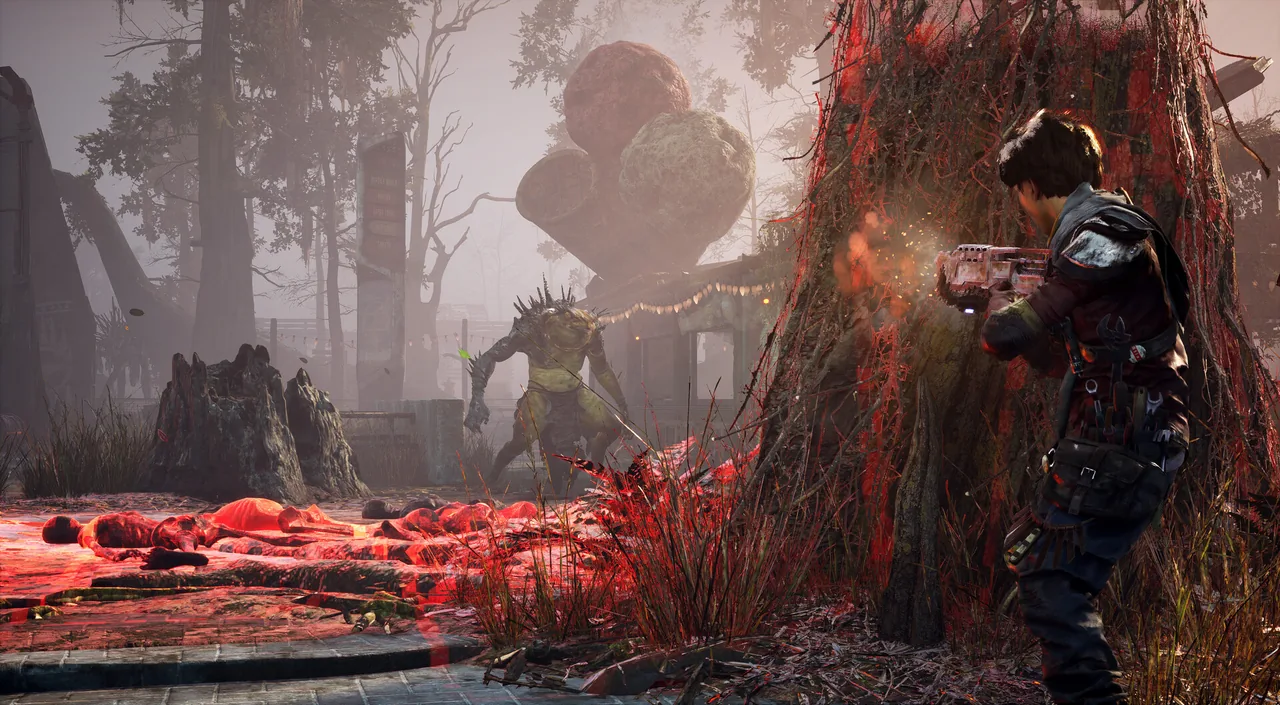
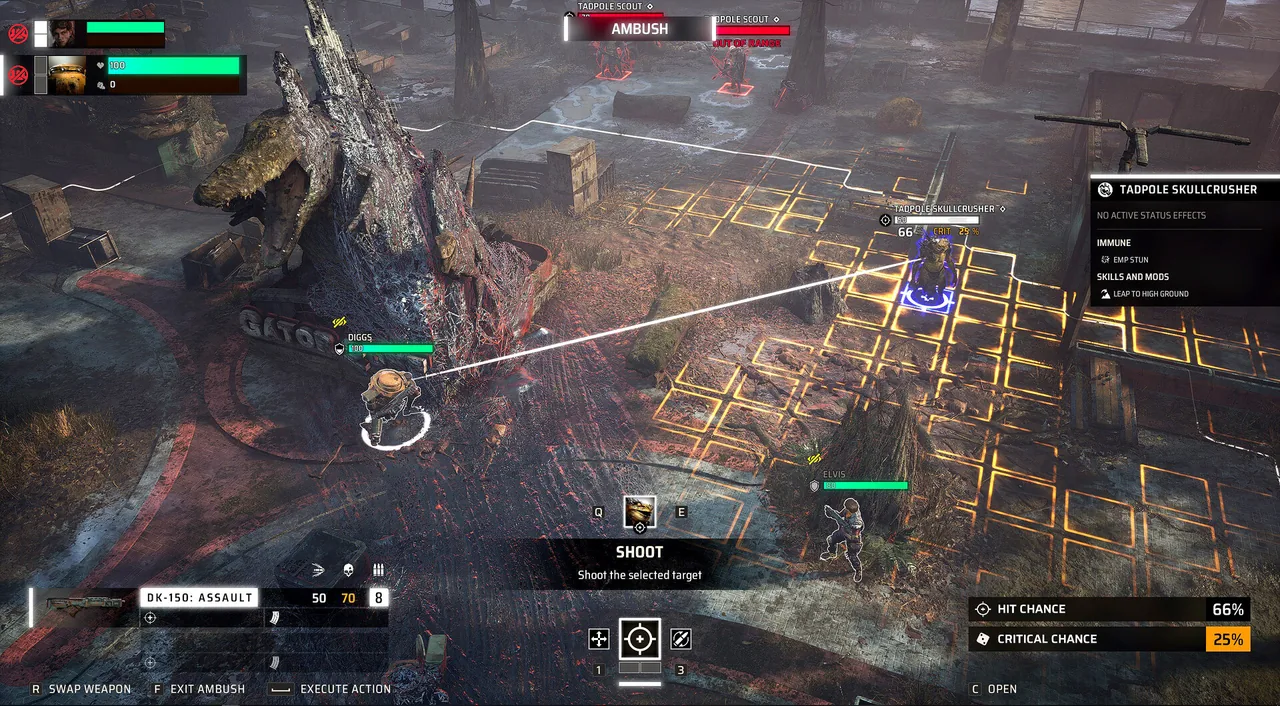
Start with the point of near-total agreement across this review's sample: Miasma Chronicles looks and sounds excellent, and reviewers on both sides of the recommend button say so specifically. Even one of the more detailed critical reviews in the negative sample opens by conceding the art, sound and VFX teams "knocked it out of the park," attributing the game's problems entirely to design and systems rather than presentation. The wasteland setting and the Miasma's mutating influence on the environment draw consistent, specific credit for atmosphere, and the stealth-and-ambush approach to early encounters — sniping enemies individually before triggering full engagements — earns real praise as a genuinely different spin on the XCOM-adjacent formula rather than a re-skin of Mutant Year Zero's mechanics.
A balance debate specific enough to have its own evidence
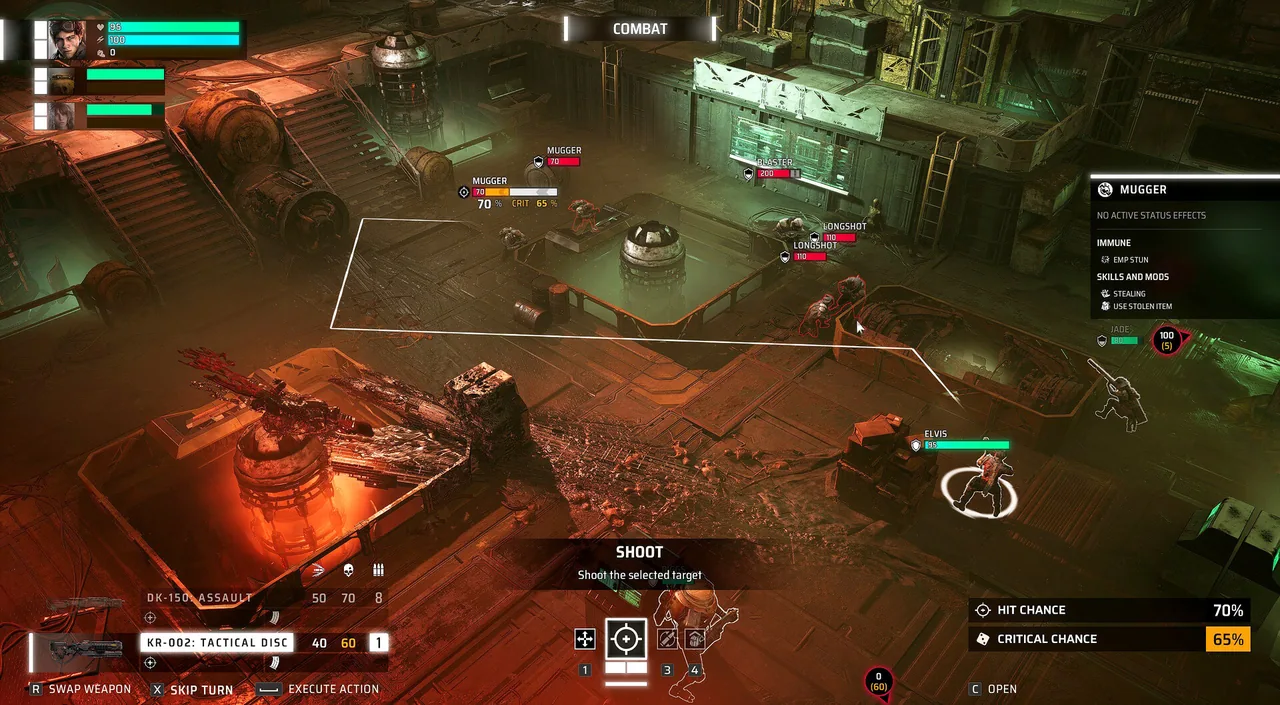
Where this review's sample splits hard is combat balance, and it's worth reporting in detail because both sides argue with real specificity rather than vague dissatisfaction. The clearest example: one negative reviewer tracked their own combat encounters directly, logging 432 attacks made while in cover and getting hit 396 times — concluding that cover provides far less mitigation than the system implies it should. That's the kind of concrete, checkable claim this review treats as credible evidence rather than an isolated complaint. A second widely repeated frustration concerns ability cooldowns: several reviewers independently note that cooldowns don't reset between separate combat encounters, meaning using a character's strongest ability in one fight can leave it unavailable for the next, which reviewers argue punishes exactly the kind of decisive, ability-driven play the genre normally rewards. A related complaint is character build variety — with only three playable characters, several reviewers describe their available ability sets as too similar to support genuinely distinct tactical roles.
What makes this worth reporting as a live debate rather than a settled verdict is how directly the positive sample argues back. This review's single highest-voted positive review is titled, in the author's own words, one of the most unfair sets of criticism they'd read, and argues at length that the game is a solid, well-designed tactics title once judged on its own terms. Another popular positive review opens by acknowledging "quite a bit of drama about the balancing of this game" before making its own case for the design, arguing the difficulty rewards a stealth-first approach rather than the head-on firefights that make cover feel unreliable. A third reframes the entire question usefully: "This is not XCOM. This is a tactical stealth game" — arguing that players who arrive expecting an open XCOM-style sandbox will bounce off exactly the encounters that reward a different kind of play. That reframing matters, because several of this review's negative sample describe most encounters as having one correct solution discoverable mainly through trial and error — which reads as a design flaw to a player expecting tactical freedom, and as an intended stealth puzzle to a player expecting something closer to a heist.
Final Verdict
Miasma Chronicles earns real, close-to-unanimous credit for its art direction and atmosphere, and a genuinely interesting structural idea in its stealth-first approach to combat encounters. What keeps this from a stronger recommendation is a specific, well-documented balance controversy that this review's own sample argues about directly rather than glossing over — cover that at least one detailed reviewer found unreliable well beyond what the system implies, cooldowns that punish using a character's best tools, and a cast whose ability sets don't always support the tactical variety the genre usually promises. This isn't a case of a vocal minority versus a happy majority; it's a game whose most engaged fans and most engaged critics are arguing about the same specific mechanics, in detail, on both sides of the recommend button. Go in expecting a stealth-tactics puzzle rather than an open XCOM successor, and Miasma Chronicles has real things to offer — just know what the argument about it actually is before buying.
Pros and cons
Pros
- Art direction, environmental design and sound are close to unanimously praised, including by reviewers who otherwise recommend against the game, with even a detailed critical review conceding the art and sound teams "knocked it out of the park"
- Its stealth-and-ambush approach to encounters, sniping enemies individually before triggering full engagements, is credited by several reviewers as a genuinely different, interesting spin on the XCOM formula rather than a straight copy
- Day-one reviewers specifically praised launch stability, a rarer point of relief given how often modern tactics games ship rough
- A vocal contingent of the positive sample pushes back directly and specifically against the balance criticism, arguing the difficulty is fair once players adjust to a stealth-first approach rather than a straight firefight
Cons
- Combat balance is this review's most contested and best-documented complaint: one detailed reviewer tracked 432 attacks while in cover and was hit 396 times, concluding cover provides far less protection than its design implies
- Ability cooldowns not resetting between separate combat encounters is a specific, widely repeated frustration, with reviewers noting it effectively punishes players for using their strongest tools at all
- Character build variety draws real criticism, with reviewers describing the game's three playable characters as sharing similarly limited ability sets rather than offering distinct tactical roles
- Many encounters are described as having a single correct solution discoverable mainly through trial and error, which a meaningful share of reviewers say makes the game feel more like a puzzle than an open tactics sandbox
Screenshots
-
Miasma ChroniclesImage: 505 Games Official via Steam -
Miasma ChroniclesImage: 505 Games Official via Steam -
Miasma ChroniclesImage: 505 Games Official via Steam -
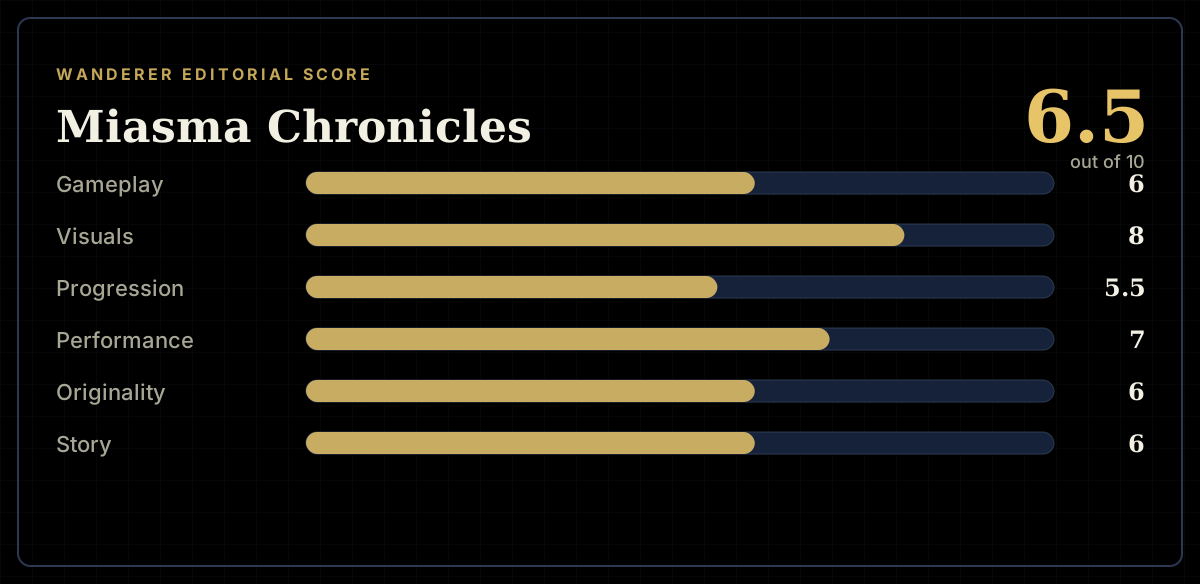
How the review scores each part of the gameWanderer Editorial -
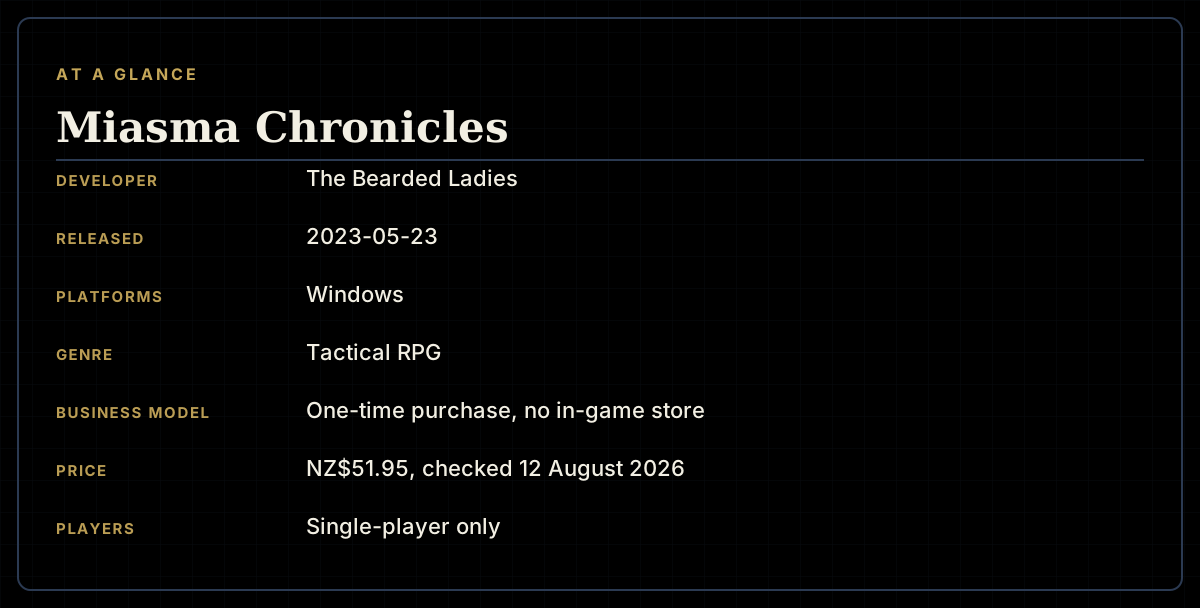
The essentials at a glanceWanderer Editorial -
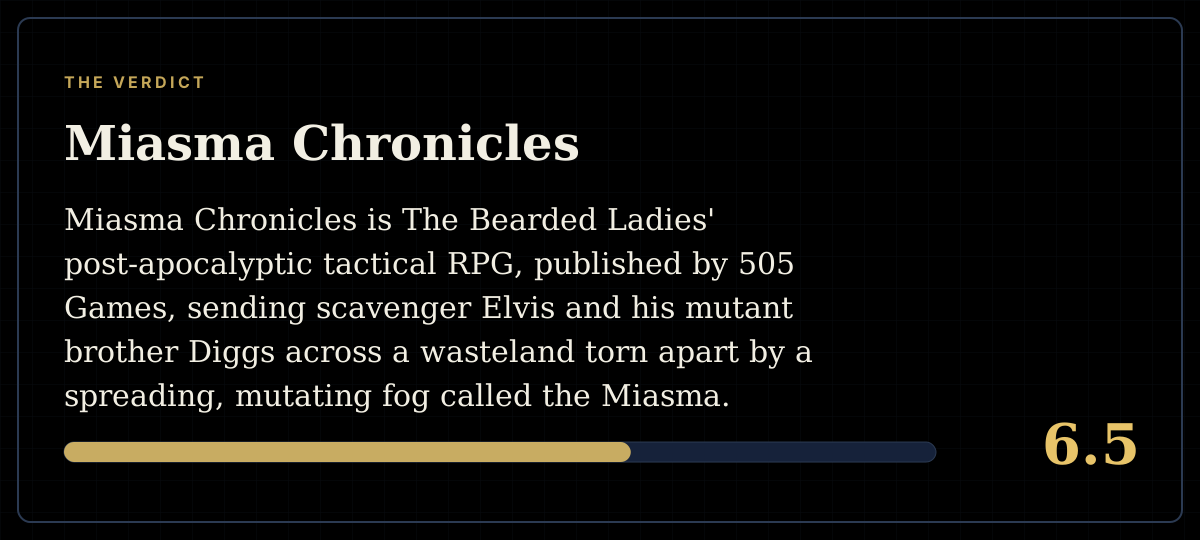
The short versionWanderer Editorial