Game review
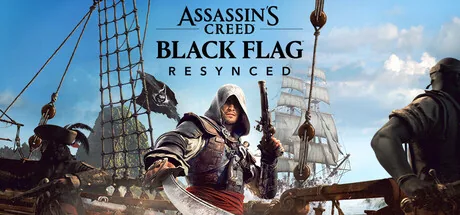
Assassin's Creed Black Flag Resynced
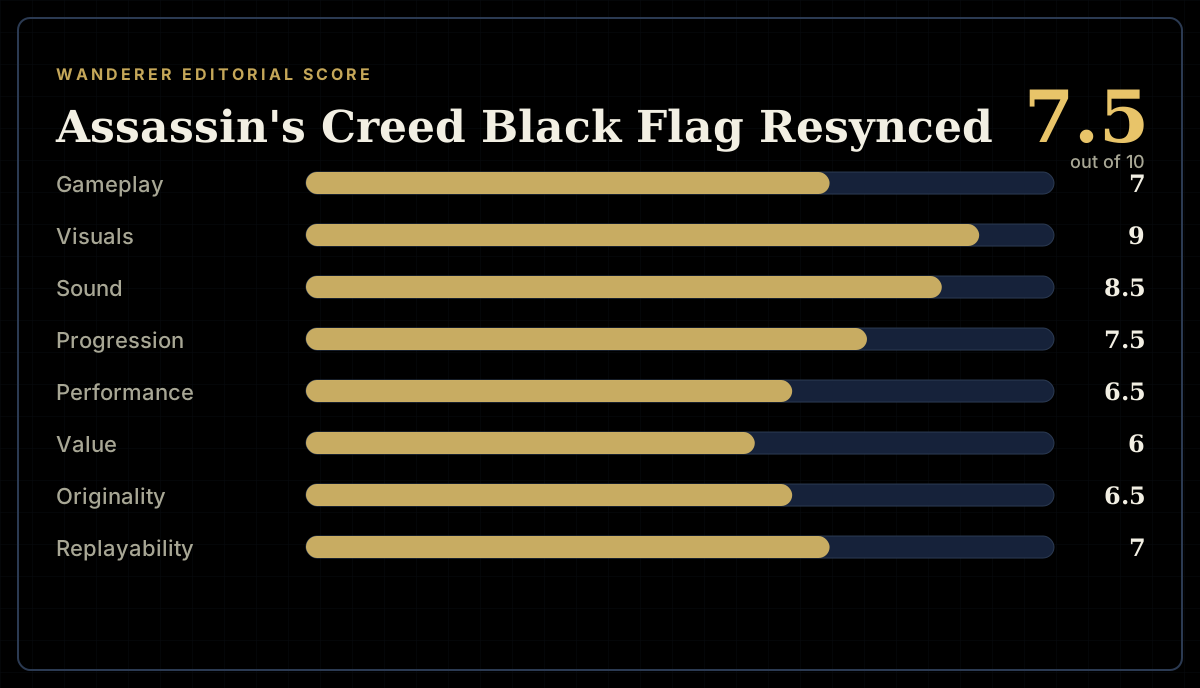
7.5 / 10
- Developer
- Ubisoft Singapore (with Ubisoft Barcelona, Bordeaux, Belgrade, Chengdu, India, Kyiv, Montpellier, Philippines, Quebec and Shanghai)
- Publisher
- Ubisoft
- Released
- 9 July 2026
- Platforms
- Windows, PlayStation 5, Xbox Series X|S
- Genre
- Action-Adventure
- Monetisation
- Premium, one-off purchase, with day-one cosmetic character and naval packs sold separately or bundled into the Deluxe and Collector's editions
- Players
- None. Resynced is single-player only; the original 2013 game's multiplayer mode was already retired years ago and is not part of this remake
The short version
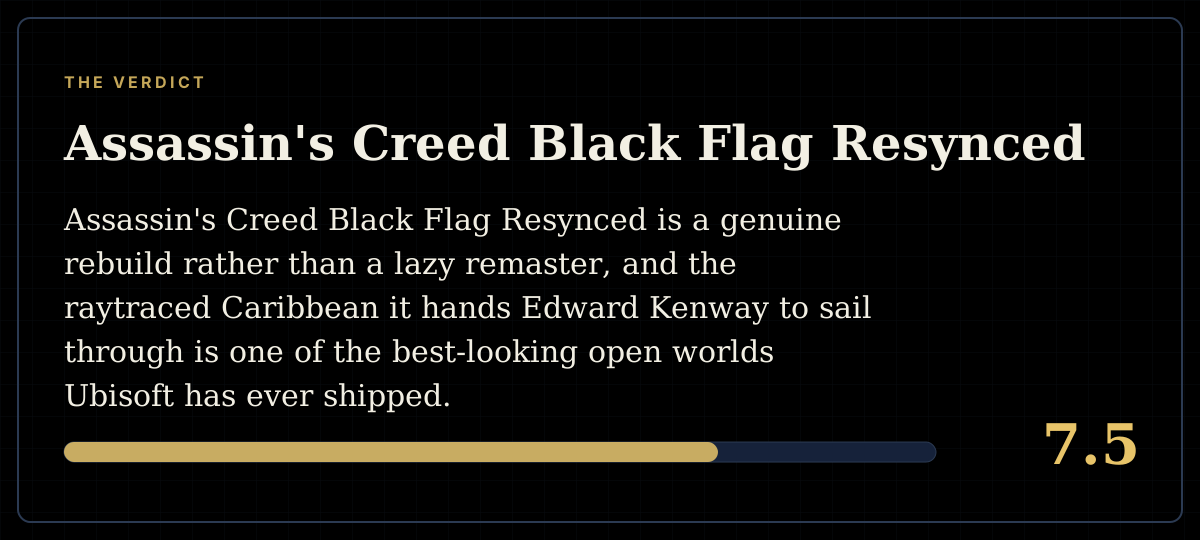
Assassin's Creed Black Flag Resynced is a genuine rebuild rather than a lazy remaster, and the raytraced Caribbean it hands Edward Kenway to sail through is one of the best-looking open worlds Ubisoft has ever shipped. The story, the crew, the Jackdaw and the naval combat all survive the jump intact, which was always the part of the original worth protecting. The land combat is where the remake takes real risks — stripping out weapon looting, unarmed takedowns and the old disarm system in favour of a tighter, more modern parry loop — and not every longtime fan is going to agree that the trade was worth it. A stacked day-one DLC lineup on top of a full-price remake doesn't help the value case either.
Biggest strengths
- Naval combat and ship customisation are expanded rather than just re-skinned, and boarding an enemy galleon still feels like the game's best idea
- Extended ray tracing and rebuilt water rendering make the open Caribbean genuinely one of the best-looking sailing environments in any current game
- Edward Kenway's story, cast and new Blackbeard and Stede Bonnet material land as well as the original's writing did in 2013
Biggest weaknesses
- Removing weapon pickup, unarmed takedowns and the old disarm mechanic strips out a chunk of what gave the original's combat its distinct personality, and the new parry-focused system reads as noticeably simpler to some longtime players
- A full-price remake shipping alongside six separate cosmetic DLC packs and a $199.99 Collector's Edition is a hard sell on value even before judging the game itself
- Ubisoft Connect's mandatory account requirement produces real friction, including reports of authentication failures blocking access to a game already paid for
Who it's for: Longtime Black Flag fans curious how a faithful rebuild holds up, and anyone who missed the original in 2013 and wants the best possible version of one of gaming's best pirate fantasies. A tougher sell for players who specifically loved Black Flag's messier, more permissive original combat system.
Our recommendation: Worth playing at a sale price if the day-one edition math puts you off buying in at launch — the sailing, the setting and Edward's story hold up as well as anyone could reasonably hope. Go in expecting a reworked combat system rather than an old favourite with a new coat of paint, and budget for the fact that a genuinely complete edition costs meaningfully more than the sticker price on the box.
7.5 / 10
Assassin's Creed Black Flag Resynced starts from an unusual position for a remake: the game it's rebuilding was never the one that needed defending. Assassin's Creed IV: Black Flag has spent more than a decade as the entry longtime fans point to when they explain why they still care about this series, the one where Ubisoft accidentally built one of the best pirate games ever made inside an Assassin's Creed shell. Resynced doesn't get to coast on that reputation, though — Ubisoft rebuilt it on the current Anvil engine rather than simply running the old assets through an upscaler, which means every system was a decision to keep, cut or rework rather than something inherited by default. Most of those decisions land. A few of them are going to keep splitting the game's own fanbase for a while.
The Caribbean looks better than it has any right to
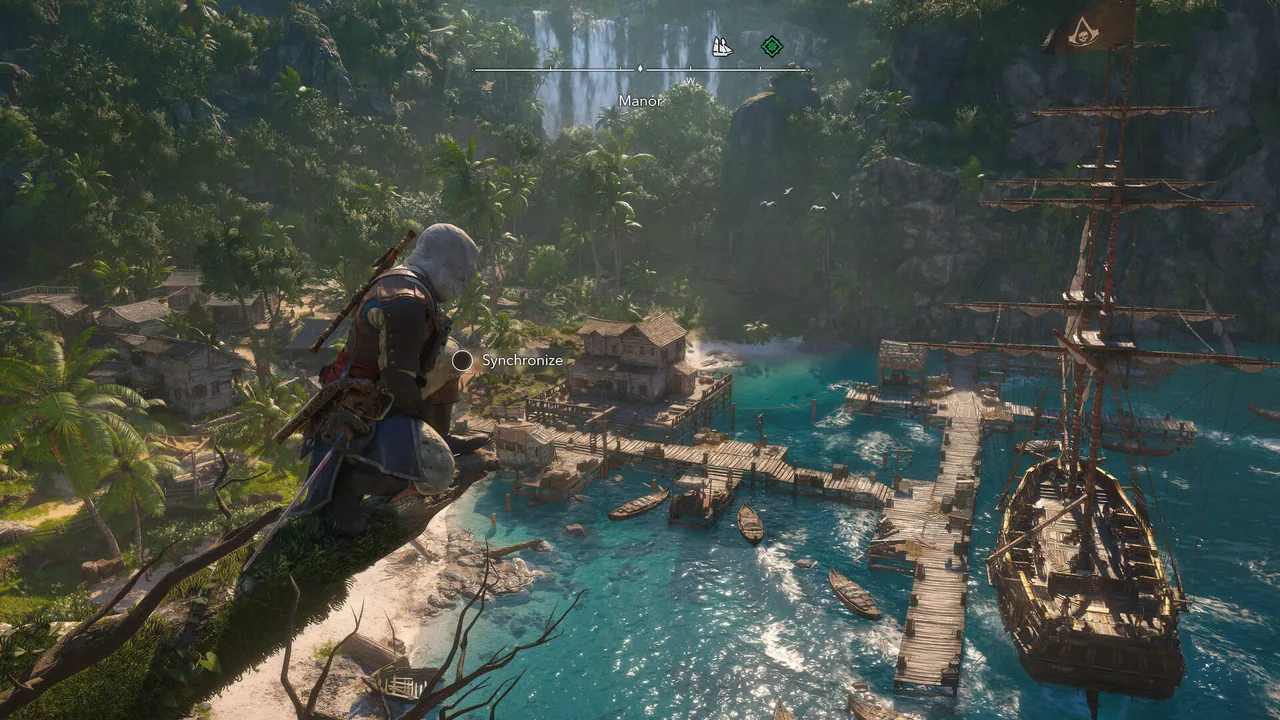
The single clearest win in Resynced is presentation, and it isn't close. Extended ray tracing across reflections and global illumination, combined with a fully rebuilt water and lighting model, turns the open Caribbean into one of the more striking sailing environments any open-world game has shipped recently — sunlight breaking through storm cloud onto whitecapped swells, a harbour town's lanterns actually reflecting off wet cobblestone after rain, the Jackdaw's sails catching individual gusts rather than fluttering on a loop. On PS5 Pro, PSSR 2 pushes that further with modes tuned for higher fidelity at 40 or 60 frames per second rather than forcing a straight choice between looks and smoothness. It's the kind of upgrade that makes the original's 2013 assets look genuinely dated by comparison rather than just lower-resolution, which is exactly what a full rebuild is supposed to deliver and not every "remake" actually manages.
The one sour note on an otherwise excellent technical picture is a strange one: cutscenes are capped at 30 frames per second whenever ray tracing or the highest visual presets are active, regardless of how much headroom the hardware actually has. It's a small thing in isolation, but it sits oddly next to a remake this focused on visual fidelity everywhere else, and it's exactly the kind of detail that becomes more noticeable, not less, the better the rest of the presentation looks.
Edward Kenway's story hasn't lost anything in the rebuild
Resynced wisely treats Edward Kenway's story as the thing not to touch. The plot beats, the Nassau politics, the slow turn from opportunist privateer to a man who realises what he's actually part of — all of it plays out with the same pacing and, from what's been recorded of the new sessions, returning voice work that made the original's character writing stand out in a series not always known for it. New material built around Blackbeard and Stede Bonnet gives two of the strongest supporting characters more room without disrupting Edward's arc, and it's a better use of "more story" than most remakes manage, since it expands characters the original already made people care about rather than bolting on unrelated content for its own sake.
The modern-day framing is where Resynced makes its most structural change. Rather than the original's Abstergo Entertainment present-day sequences, the remake replaces them with a "What If?" framing device tied into the ongoing story that runs through Assassin's Creed Shadows. It's a sensible enough way to keep a decade-old game's meta-narrative connected to where the series is now without forcing Edward's own story to carry that weight directly, and it stays out of the way of the part of the game people are actually here for.
Naval combat is still the best idea this series has ever had
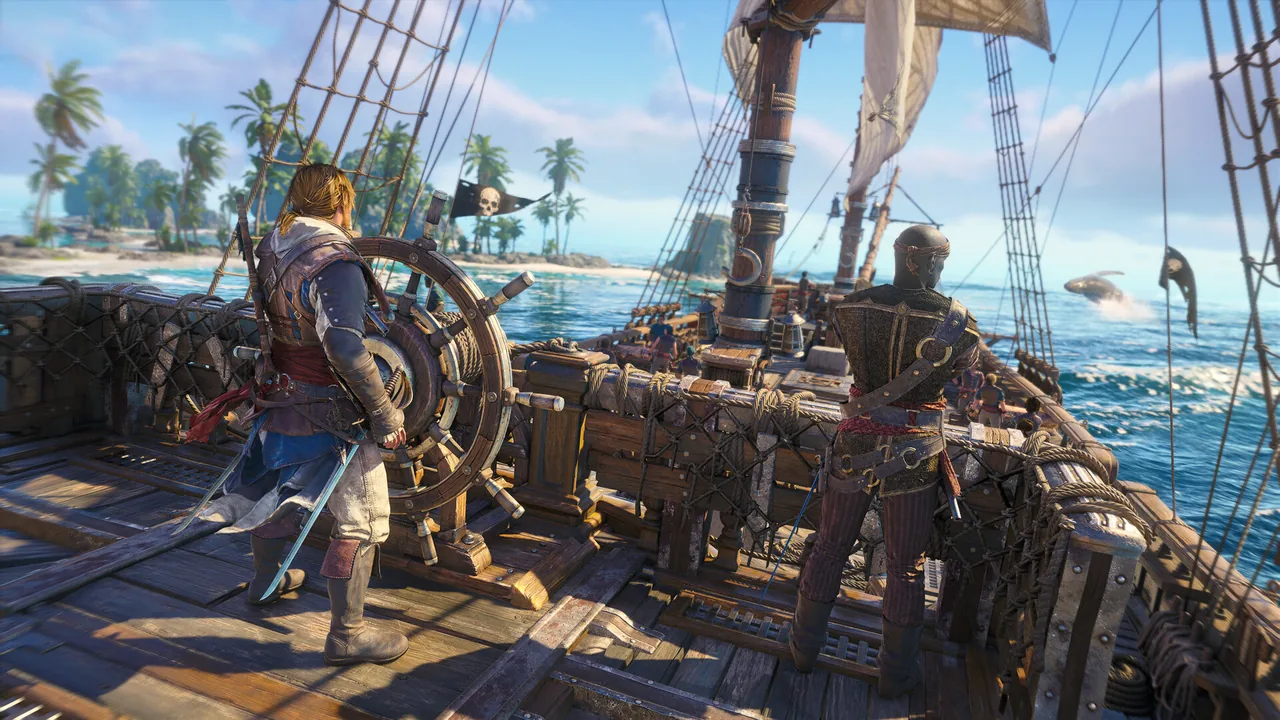
If Black Flag has one system that fully earned its reputation, it's the ship. Resynced doesn't just preserve the Jackdaw, it expands what you can do with her — new naval weapon options, additional officer assignments that change how the crew performs in a fight, deeper hull, sail and figurehead customisation, and dynamic weather that actually changes how a broadside plays out rather than just looking different. Boarding an enemy galleon under cannon fire, timing a turn to bring a full broadside to bear, or diving to explore a wreck between engagements all still feel like the game's clearest statement of what an Assassin's Creed pirate fantasy should be, and none of it has been diminished to make room for anything else. If Resynced had done nothing but re-skin the original's sailing, that alone would have been a reasonable remake. Instead it's genuinely better.
Land combat: a tighter system that cut some personality along with the flab
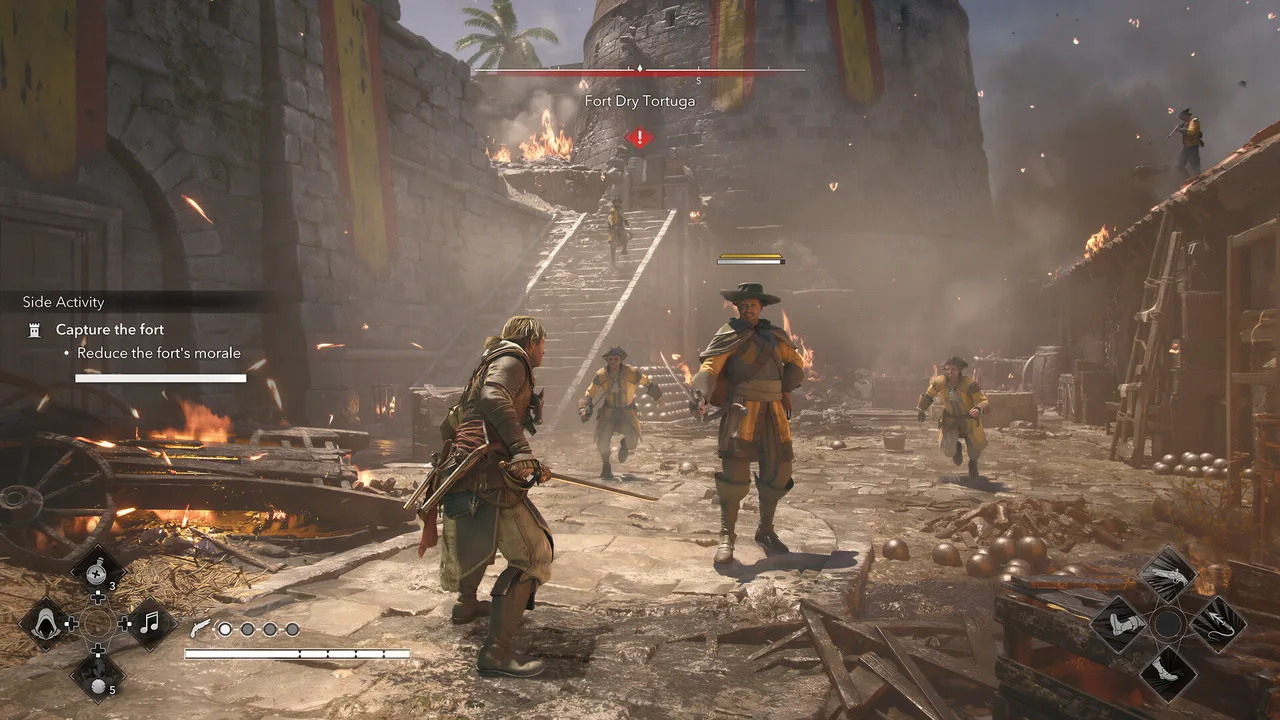
This is where Resynced takes its real swings, and where the reception has been the most divided. The remake reworks combat around more precise parries and shorter combo chains, adds a proper crouch button and dive-and-observe stealth options the 2013 original never had, and redesigns tailing and eavesdropping missions to allow optional detection rather than forcing an instant fail state — all fixes to real, long-documented complaints about the original's clunkier systems, and all worth crediting on their own.
What that rework removed is the more contentious part. Weapon pickup from downed enemies, unarmed takedowns, and the old disarm mechanic are all gone, and the Hidden Blade no longer functions as a regular combat option the way it used to. For a chunk of the game's longtime audience, those weren't peripheral systems — they were a meaningful part of what made Black Flag's combat feel scrappy and improvisational rather than scripted, and losing them in exchange for a more modern, parry-focused loop reads less like a fix and more like a trade. The new system is more consistent and probably easier to teach a first-time player. It's also measurably simpler in the ways some longtime fans valued most, and the review can't pretend both things are simultaneously true without cost.
Performance and stability haven't fully caught up to the ambition
A remake built this heavily around ray tracing and rebuilt lighting asks a lot of the hardware underneath it, and the launch period hasn't been entirely clean. PC players have reported DX12 crashes and stuttering severe enough to interrupt sessions repeatedly, on top of dialogue and loading hitches in specific scenes. None of that appears to be universal — plenty of the positive Steam feedback specifically praises how the game runs — but a title this reliant on its visual showcase moments can't really afford instability in the systems producing them, and it's a fair subject for a patch cycle to still be working through weeks after launch.
Ubisoft Connect's mandatory account layer adds a second, more avoidable source of friction. Reports of authentication failures blocking access entirely — not a cosmetic annoyance, but a wall between a paying player and a game they already own — are the kind of problem that has nothing to do with the remake's design and everything to do with a launcher requirement players have been raising with Ubisoft for years without much visible change.
Value: a remake priced and packaged like new-release Ubisoft
Resynced launches at full current-generation retail pricing, with a Deluxe Edition adding character and naval cosmetic packs, six further individual cosmetic DLC packs sold separately, and a $199.99 Collector's Edition built around a Kenway figurine and physical extras. None of what's sold is described as gameplay advantage — this is cosmetics and convenience layered onto a single-player premium release, not pay-to-win in a competitive system, since Resynced has no multiplayer to be competitive in. That distinction matters and keeps the monetisation itself fairly clean by this review's usual test. What it doesn't do is make the overall package cheap: buying a remake of a game most of its audience already owns, at full price, with a stacked day-one storefront sitting next to the buy button, is a legitimately harder value argument than the quality of the game itself would suggest on its own.
Verdict
Assassin's Creed Black Flag Resynced earns the two things a remake of a genuinely beloved game most needs to earn: it doesn't damage what made the original special, and it visibly improves enough of the rest to justify calling itself more than a re-release. Edward Kenway's story, the Jackdaw, and naval combat all come through the rebuild not just intact but better, and the raytraced Caribbean this version sails through is one of the better-looking open worlds currently available on any platform. The land combat rework is a real, debatable trade rather than a clean upgrade — stripping out weapon looting, unarmed takedowns and the old disarm system in favour of a tighter parry loop will read as an improvement to some players and a loss of identity to others, and this review leans toward the latter being the more defensible read for anyone who specifically loved the original's scrappier combat. Add in launch-period PC stability issues, a 30fps cutscene cap that has no obvious reason to exist, and a day-one storefront stacked on top of full-price admission, and 7.5 out of 10 reflects a very good remake rather than the definitive one Ubisoft was clearly aiming for.
Players drawn to open-world exploration built around a persistent, evolving character might also want to look at Elden Ring for a very different take on the same idea — or at Wanderer, which keeps its own progression running even when you're not the one holding the wheel.
Pricing, platform details and Steam review figures checked 4 August 2026.
Pros and cons
Pros
- Naval combat and ship customisation are expanded rather than just re-skinned, and boarding an enemy galleon still feels like the game's best idea
- Extended ray tracing and rebuilt water rendering make the open Caribbean genuinely one of the best-looking sailing environments in any current game
- Edward Kenway's story, cast and new Blackbeard and Stede Bonnet material land as well as the original's writing did in 2013
- A real crouch button and reworked traversal fix long-standing complaints about the 2013 original's parkour and stealth options
- Kept a Steam user-review score in the Very Positive range weeks after launch, a genuinely rare outcome for a remake this ambitious
Cons
- Removing weapon pickup, unarmed takedowns and the old disarm mechanic strips out a chunk of what gave the original's combat its distinct personality, and the new parry-focused system reads as noticeably simpler to some longtime players
- A full-price remake shipping alongside six separate cosmetic DLC packs and a $199.99 Collector's Edition is a hard sell on value even before judging the game itself
- Ubisoft Connect's mandatory account requirement produces real friction, including reports of authentication failures blocking access to a game already paid for
- Cutscenes are locked to 30 frames per second on the highest visual settings, an odd technical ceiling on hardware otherwise built to run well past it
- PC stability at launch includes reported DX12 crashes and stuttering that a raytracing-forward remake like this one can't really afford
Screenshots
-
Assassin's Creed Black Flag ResyncedImage: Ubisoft via Steam -
Assassin's Creed Black Flag ResyncedImage: Ubisoft via Steam -
Assassin's Creed Black Flag ResyncedImage: Ubisoft via Steam -
How the review scores each part of the gameWanderer Editorial -
The short versionWanderer Editorial