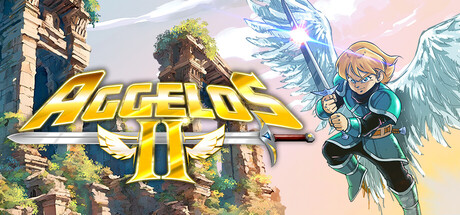
A gorgeously hand-painted metroidvania with a genuinely demanding secondary difficulty mode, undercut by combat its own players call brainless, visual clutter that hides incoming attacks, and crashes some report wiping out map progress entirely.
A hand-drawn, ambitiously huge metroidvania set in a ruined fantasy world -- reviewers are close to unanimous that the art is gorgeous, but well over half the negative reviews sampled for this piece raise the same specific complaint: a map so large and under-signposted that players spend hours lost rather than exploring.
A Nostalgic Sequel With a Sharp Second Act Aggelos 2 launched August 27, 2026 from developer WONDERBOY BOBI, published by PQube and PixelHeart, picking up centuries after the origi
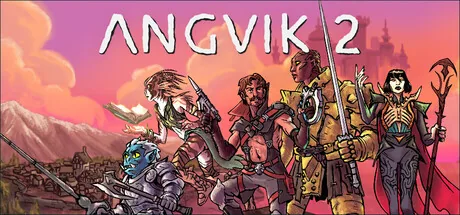
A charming, expanded sequel to the cult indie roguelike platformer Angvik that keeps its predecessor's build variety and humour while dropping much of its difficulty, leaving several reviewers wishing for a harder mode to match the challenge fans of the first game remember.
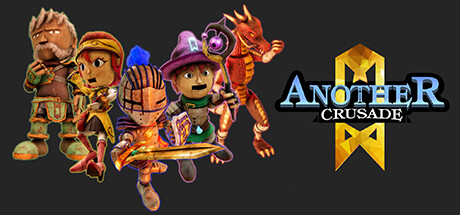
A turn-based RPG built around a distinctive wooden-puppet aesthetic and a deliberate, loving homage to Super Mario RPG's timed-hit combat, pitched by its own fans as a genuinely harder successor to that formula — and criticized by an equally vocal minority for demanding precise reflexes over strategic depth, with a lack of an in-game map drawing complaints from both camps.
A loving, self-aware tribute to the infamous Zelda CD-i games, built by the same developer behind fan-made "fixed" remakes of the originals, whose charming cutscenes and surprisingly solid metroidvania mechanics win real converts even as a large, consistent complaint argues its combat trivializes itself once a key defensive ability is unlocked, and its short runtime leans heavily on repetitive backtracking.
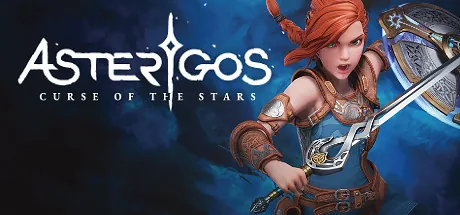
A Greek-and-Roman-mythology action RPG that plays like Immortals Fenyx Rising crossed with a lighter Dark Souls — strongest in its opening hours, and still missing basic quality-of-life features four years and nine patches later.
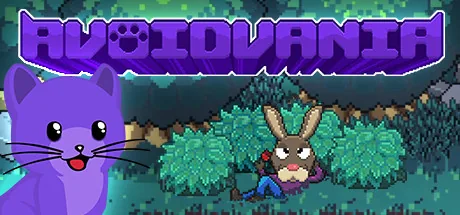
A tiny, no-combat runner/metroidvania about a cat who can't fight and can only sprint past danger — a nearly five-year-old Early Access project the developer just released for free after its funding fell through, reviewed on its complete review sample old and new.
Inti Creates bundles all three mainline Gunvolt games into one PC collection with a genuinely great loading-screen skip and a rocky launch that got patched fast, but reviewers argue the 'Enhanced' label oversells changes that barely touch two of the three games.
A physics-driven puzzle-platformer built around a genuinely inventive object-swapping mechanic, drawing constant and earned Limbo/Inside comparisons for its opening hours — before a large, independently-corroborated share of its own admirers say the same handful of skills get tested over and over for six to eight more hours than the ideas actually support.
A gorgeous, Japanese-folklore-inspired metroidvania built almost entirely around an aerial pogo-combat system, whose stunning art and genuinely inventive movement earn it comparisons to Hollow Knight and Ori, undercut for a substantial share of players by punishing checkpoint resets, bloated boss health pools, and a steep late-game difficulty spike — several of which the developers have directly patched since launch.
A charming, colorful 3D platformer set inside a working computer, built on genuine Unreal Engine 5 visual ambition and co-op-friendly level design — hit at launch by severe performance problems, broken achievements and unstable co-op that a small Polish debut studio has spent more than two years methodically working through, patch by named patch.
A penguin, a mountain, and a chicken named Wilson But Why? drops a small group of players into the role of penguins trekking across an arctic landscape toward a distant, indifferen
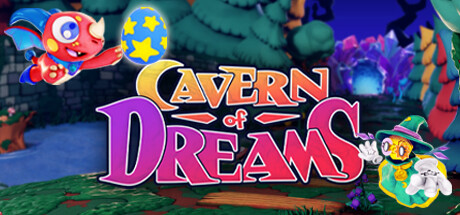
An N64-style collectathon platformer starring a young dragon rescuing his siblings' eggs, whose devoted recreation of Banjo-Kazooie and Spyro-era atmosphere is undercut by floaty, imprecise jumping that a large share of its own reviewers say fails the one thing the genre can't compromise on.
The Steam remaster of Daisuke "Pixel" Amaya's legendary freeware metroidvania, Very Positive across nearly 3,850 reviews for one of indie gaming's most beloved single-author achievements — sold for years by publisher Nicalis in a state a striking share of reviewers describe as neglected, undercut by long-running allegations about how the original creator was treated, though a major 2026 update appears to have finally addressed much of the technical criticism.
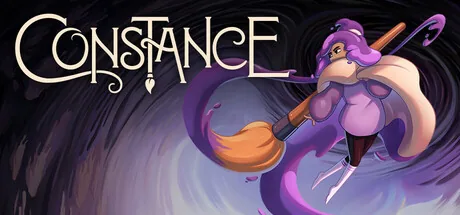
A gorgeous, hand-drawn metroidvania about a paintbrush-wielding artist escaping a decaying inner world built from her declining mental health — whose art, music and premise draw near-universal praise, sitting alongside a majority-of-negative-sample complaint about spongy, repetitive boss fights and platforming precision the movement itself doesn't reliably support.
Core Descent is a solo-developed puzzle-platformer that drops players into a colorful, loading-screen-free world of 81 hand-crafted logic puzzles across nine interconnected zones, and this review's sample finds a focused, low-pressure metroidvania-lite with real accessibility care, undercut only by how little there is to say about it beyond the puzzles themselves.
A lovingly crafted N64-style 3D collectathon platformer soaked in early-2000s emo nostalgia, praised for its distinctive art, animation and humor — and just as consistently criticized for faithfully reviving the genre's worst period-accurate flaws, from imprecise platforming and inconsistent hit registration to a punishing save system with no fixes in sight.
A two-person team's 2D Metroidvania with Souls-like combat, launched into Early Access on 5 August 2026 with a full campaign already playable, an equipment-driven build system, and a planned 6-to-12-month road to 1.0.
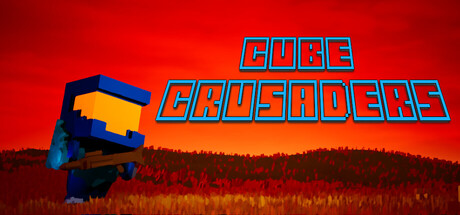
A Halo Fan's Big-Headed Answer to Metroidvania Combat Cube Crusaders is the solo project of a developer working under the studio name Frentwick Indie, who has been building the
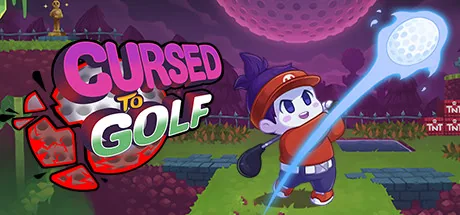
A genuinely inventive golf-precision-platformer whose own most enthusiastic players keep arriving at the same specific verdict — the game is excellent, and the roguelite structure wrapped around it is a mismatch that makes hours-long runs punishing rather than replayable.
A Chinese-developed dungeon survivors-like roguelite from Bunny Moon Shady, built around a deep weapon-fusion "build" system and an oppressive dark-fantasy dungeon, earning a Very Positive launch reception, tempered by honest reviewer complaints about AI-generated character art, a brutal early boss difficulty spike, and a detailed accusation of close similarity to another specific title.
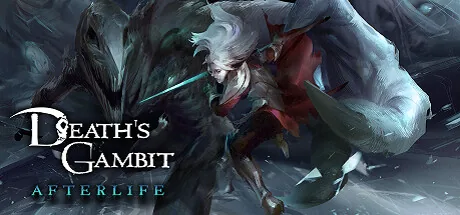
White Rabbit's 2D souls-like metroidvania launched thin and unpolished in 2018, then got a genuinely massive free overhaul three years later -- and while Afterlife fixed a lot, its own recent reviews show real, specific problems (balance spikes, no fast travel until late, a six-year-old unfixed framerate bug) that never fully went away.
A moveset-driven 3D platformer with genuinely praised, deeply customizable movement and Wind Waker-style open-ocean traversal, undercut for a vocal minority of reviewers — including fans of its predecessor Demon Turf — by camera and wall-run jank, widely criticized cringe-inducing dialogue, and a specific reported bug that wipes progress in one challenge room.