Game review
Cavern of Dreams
6.5 / 10
- Developer
- Bynine Studio
- Publisher
- Super Rare Originals
- Released
- 19 October 2023
- Platforms
- Windows
- Genre
- 3D Platformer Collectathon
- Monetisation
- One-time premium purchase; no ads, DLC or in-game store found
- Players
- Single-player only; no online, co-op or PvP modes
The short version
Cavern of Dreams recreates the look, mood and structure of a specific era of 3D platformer so precisely that one reviewer describes it as indistinguishable from an unreleased N64 game — collecting eggs and cards as a young dragon named Fynn across a handful of distinct worlds, with a story that turns genuinely dark and moving by its final stretch. That atmosphere and emotional weight land for a large majority of reviewers, and most finish the roughly five-to-six hour campaign in a single sitting.
What that atmosphere is built on top of is a jumping and movement system a substantial minority of reviewers describe in near-identical terms as floaty, imprecise and unresponsive — a serious problem in a genre whose entire foundation is how it feels to jump. The developer's own patch history shows real, sustained attention to bugs and quality-of-life issues, but no patch on record addresses core movement feel directly, which several reviewers say is the one thing standing between this and an easy recommendation.
Biggest strengths
- An unusually precise recreation of N64-era 3D platformer atmosphere, structure and mood, described by multiple reviewers as looking and feeling like an actual lost game from that era
- A story that turns genuinely dark and emotionally affecting by its final stretch, moving several reviewers to tears despite a light, cute opening tone
- A short, complete arc — roughly five to six hours to fully collect everything — that several reviewers explicitly prefer to a bloated forty-hour alternative
Biggest weaknesses
- Jump and general movement are repeatedly described by a substantial share of reviewers as floaty, imprecise and unresponsive — several specifically compare it unfavourably to Mario 64, Spyro and Crash Bandicoot's tight controls, and at least a few reviewers refunded over this alone
- Level and world design is described by multiple reviewers as becoming noticeably more linear and gated in the back half, reducing the sense of open exploration the earlier worlds establish
- A detailed critical review specifically argues several environments closely mirror iconic levels from Banjo-Kazooie and Donkey Kong 64 rather than offering fresh design ideas of their own
Who it's for: Collectathon-platformer nostalgists who prioritize atmosphere, mood and a short, complete emotional arc over precise controls. Less suited to players who specifically value tight platforming mechanics as the genre's non-negotiable foundation.
Our recommendation: Worth it for the atmosphere and heart alone if imprecise 3D platforming doesn't bother you — try the demo first if tight jump controls are a dealbreaker, since multiple reviewers refunded specifically over this.
6.5 / 10
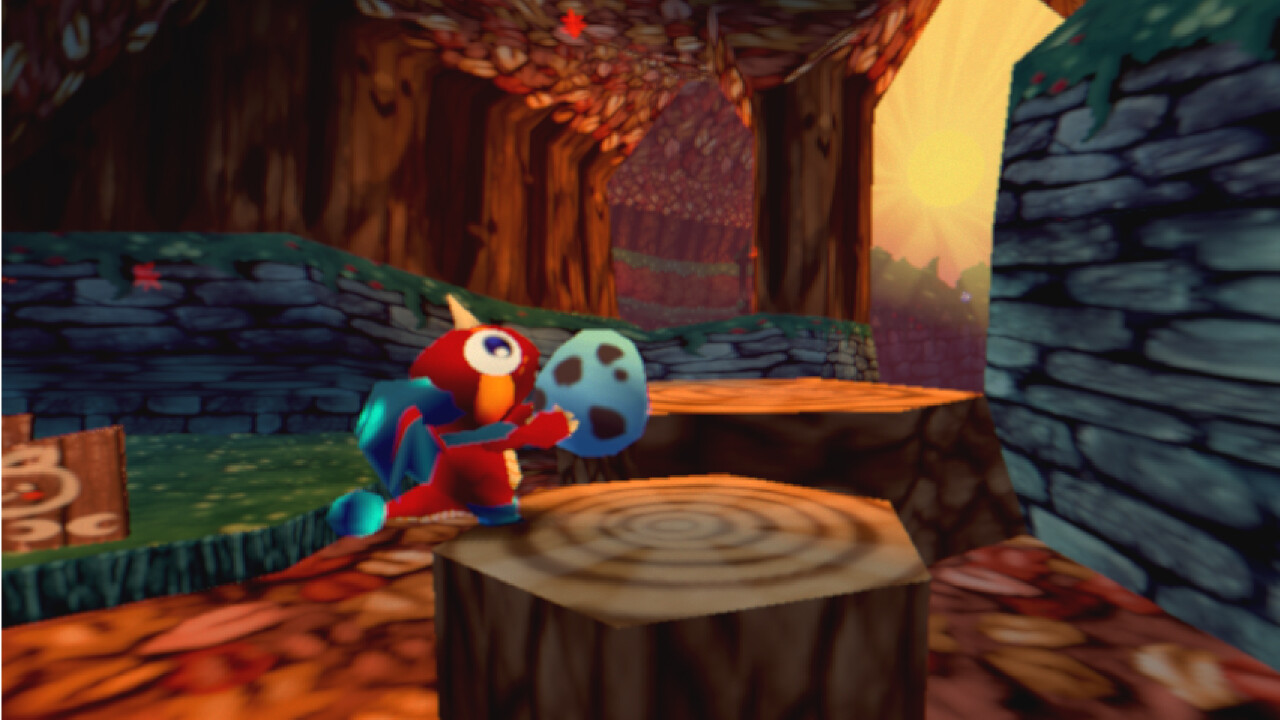
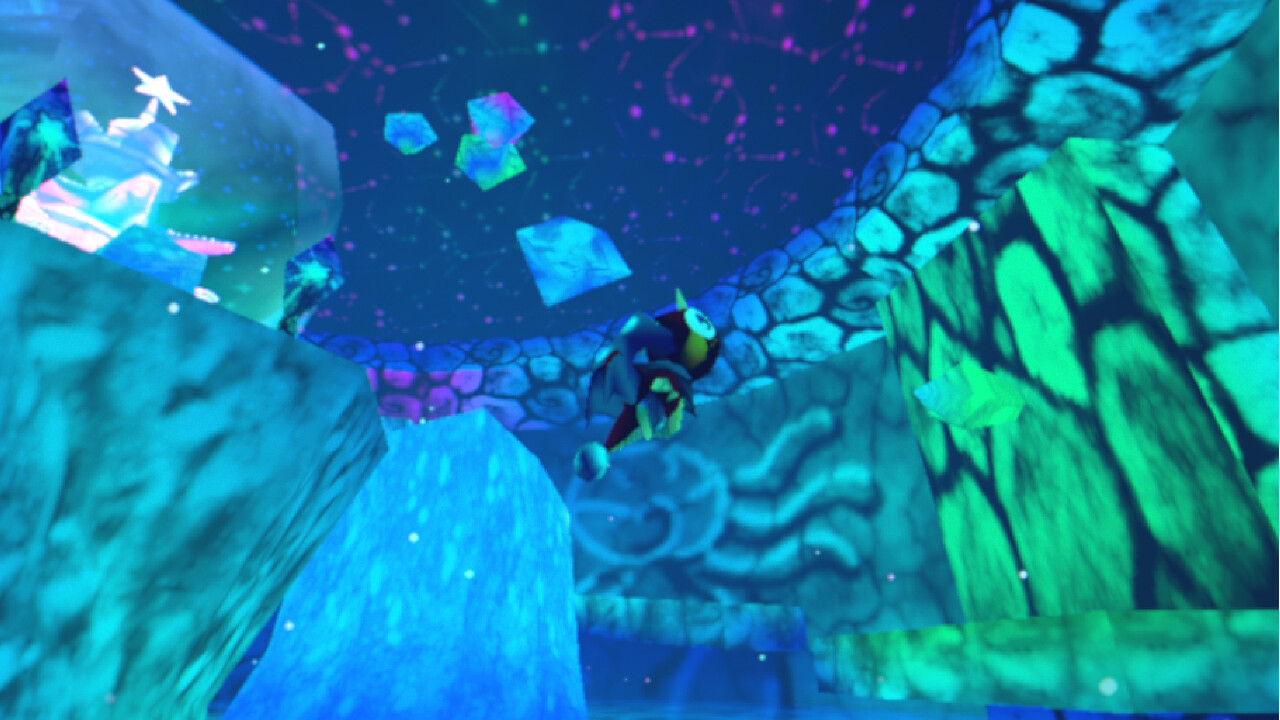
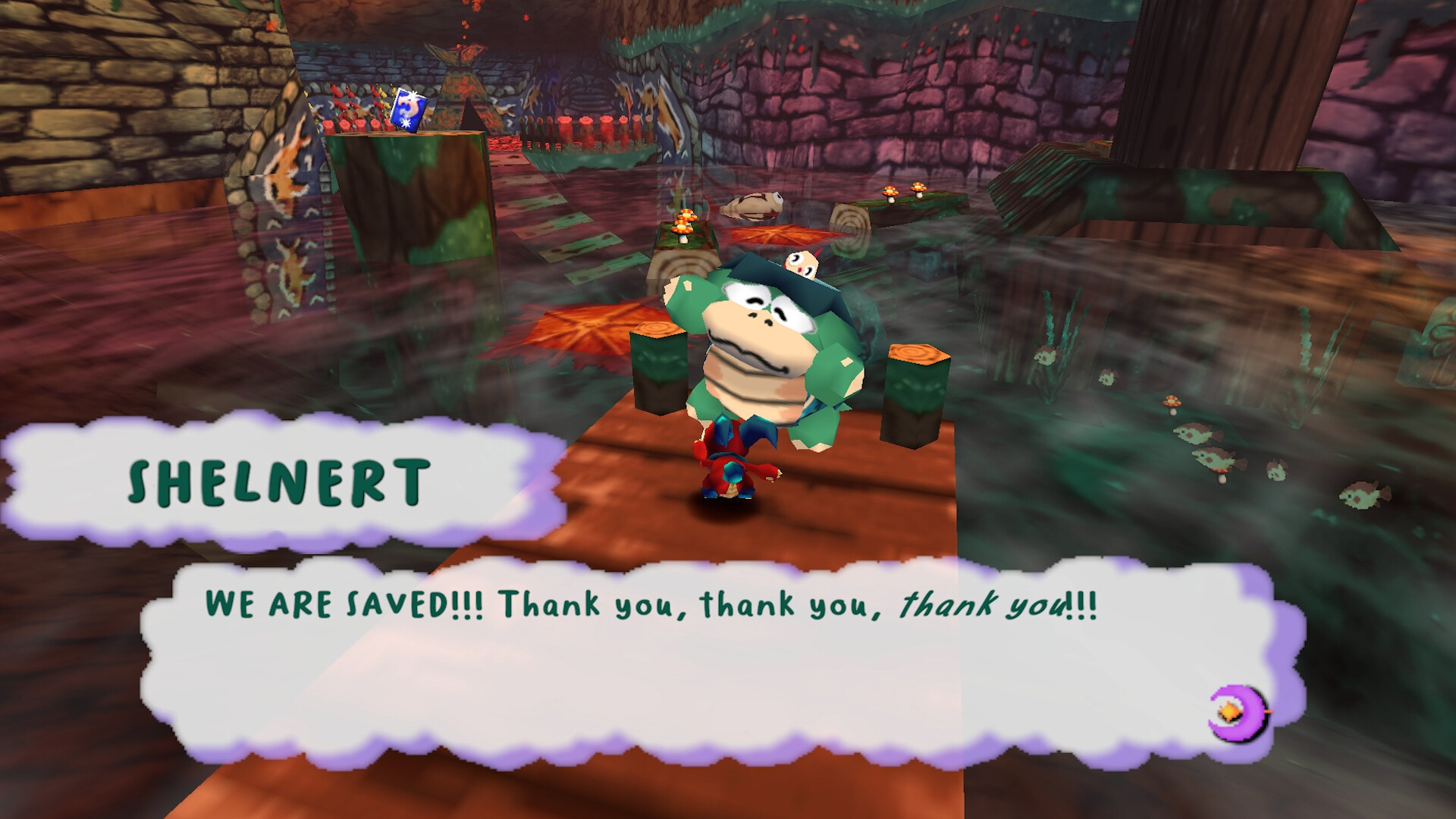
Some games wear their influences on their sleeve. Cavern of Dreams goes further — its atmosphere, structure and mood recreate a specific slice of late-90s 3D platforming so precisely that one reviewer offers the highest compliment this genre can receive: it looks and feels like lost media, a game you'd believe was an unreleased N64 title from 1995 if someone told you so. That devotion to period-accurate atmosphere is real and it lands for the large majority of this game's audience. It just isn't the whole story, because a meaningful share of reviewers report that the actual feel of jumping and moving through that world falls well short of the games it's honoring.
A dragon, his siblings, and a genuinely dark turn
Fynn, a young dragon, sets out to rescue his unhatched siblings' eggs from a crooked bat across a handful of distinct, atmospheric worlds — a structure and premise that draws instant, deliberate comparisons to Spyro and Banjo-Kazooie. What earns the game some of its most specific praise is where the story goes from there: several reviewers describe a tonal shift in the later worlds and final stretch toward something genuinely darker and more affecting than the cute opening suggests, with more than one reviewer admitting the ending moved them to tears. That's a real achievement for a five-to-six-hour collectathon, and reviewers who connected with it consistently frame the short runtime as a feature rather than a shortcoming — a complete, purposeful arc rather than a padded one.
Floaty controls, a persistent and specific complaint
Set against that atmosphere is the single most consistent, specific criticism in this review's research: movement. Multiple independent reviewers describe the jump and general movement feel in strikingly similar terms — "floaty," lacking coyote time, imprecise, and unresponsive in a way that directly undercuts the genre's core promise. One reviewer's blunt framing captures the shared sentiment: hitting jump and watching the dragon move "like he was made of cement blocks." This isn't an isolated complaint from players unfamiliar with the genre — several explicitly cite deep histories with Mario 64, Spyro, Crash Bandicoot and modern genre highlights like A Hat in Time and Tinykin as their basis for comparison, and conclude Cavern of Dreams simply doesn't clear that bar mechanically, however well it recreates the genre's look and feel. At least a few reviewers report refunding specifically over this within the first hour.
Camera problems compound the issue for a further share of reviewers, including one detailed account of genuine motion sickness from it during the opening half hour. It's worth noting this is a divided complaint rather than universal — plenty of reviewers, including some who love the game overall, mention the camera as a minor, expected nod to the era it's recreating rather than a serious flaw, in the same way N64-era games are fondly remembered despite genuinely rough cameras of their own.
Level design that narrows as it goes
A second recurring critical thread concerns structure rather than feel: multiple reviewers describe the game's earlier worlds as open and inviting, with a strong opening that draws direct comparisons to Banjo-Kazooie's best moments, followed by level design in the back half that becomes noticeably more linear and gated, reducing the sense of exploration and player expression the opening establishes. One particularly detailed critical review goes further, arguing that several specific environments — citing direct visual parallels to Banjo-Kazooie's Clanker's Cavern and Rusty Bucket Bay, and Donkey Kong 64's Fungi Forest — read as close homages rather than original design ideas of their own, a more specific version of the "lacks its own personality" critique that recurs elsewhere in the negative review sample.
Real support, but not for the complaint that matters most
Cavern of Dreams received genuine post-launch attention: patches in November and December 2023 and April 2024 fixed real bugs (achievements not unlocking correctly, a soft-lock after the final boss, hitbox tuning, UI and tutorial improvements) and a Nintendo Switch port shipped within four months of the original release. The game was still being actively promoted as recently as mid-2026, and its speedrunning community was featured at the AGDQ marathon in January 2026 — real signs of a small but devoted ongoing audience. What's notably absent from every patch note reviewed for this piece is any change to core jump or movement mechanics specifically — the fixes address bugs, clarity and polish, not the fundamental feel several reviewers identify as the game's central problem.
A discovery story worth noting
Several reviewers frame their experience with a specific, recurring origin: encountering Cavern of Dreams through a Humble Choice bundle rather than any active decision to seek it out, and being surprised by the quality on offer relative to how it arrived. One reviewer describes forcing themselves to try the smaller bundled titles after a disappointing month and specifically calling this one out as the exception worth the effort. That pattern — a quietly strong small release discovered through a subscription bundle rather than its own marketing — is worth naming, since it suggests the game's actual audience and reputation may still be smaller than its craft warrants, similar to the visibility gap this review has noted in other small releases this lane.
Where it lands
Cavern of Dreams succeeds completely at what it sets out to recreate atmospherically: a specific, beloved era of 3D platforming, rendered with real care and building to a genuinely affecting emotional close. Whether that's enough depends heavily on how much precise, responsive jumping matters to a given player — for readers who treat tight platforming mechanics as non-negotiable, the consistent, specific complaints about floaty movement here are worth taking as seriously as the praise for its mood and heart. This is a short, sincere labour of love that stumbles on the one mechanical foundation its entire genre is built on.
Pros and cons
Pros
- An unusually precise recreation of N64-era 3D platformer atmosphere, structure and mood, described by multiple reviewers as looking and feeling like an actual lost game from that era
- A story that turns genuinely dark and emotionally affecting by its final stretch, moving several reviewers to tears despite a light, cute opening tone
- A short, complete arc — roughly five to six hours to fully collect everything — that several reviewers explicitly prefer to a bloated forty-hour alternative
- A real, if modest, post-launch support record including bug fixes, quality-of-life patches, and a Nintendo Switch port within its first several months
- Enough of a dedicated audience to be featured at a speedrunning marathon (AGDQ) more than two years after release, suggesting a small but genuine community around mastering its movement
Cons
- Jump and general movement are repeatedly described by a substantial share of reviewers as floaty, imprecise and unresponsive — several specifically compare it unfavourably to Mario 64, Spyro and Crash Bandicoot's tight controls, and at least a few reviewers refunded over this alone
- Level and world design is described by multiple reviewers as becoming noticeably more linear and gated in the back half, reducing the sense of open exploration the earlier worlds establish
- A detailed critical review specifically argues several environments closely mirror iconic levels from Banjo-Kazooie and Donkey Kong 64 rather than offering fresh design ideas of their own
- Camera issues are widespread enough to be called out even by largely positive reviews, with at least one reviewer reporting genuine motion sickness from it
- No patch in the developer's public post-launch history addresses core jump or movement feel directly, despite it being the most consistently cited complaint across critical reviews
Screenshots
-
Cavern of DreamsImage: Super Rare Originals via Steam -
Cavern of DreamsImage: Super Rare Originals via Steam -
Cavern of DreamsImage: Super Rare Originals via Steam -
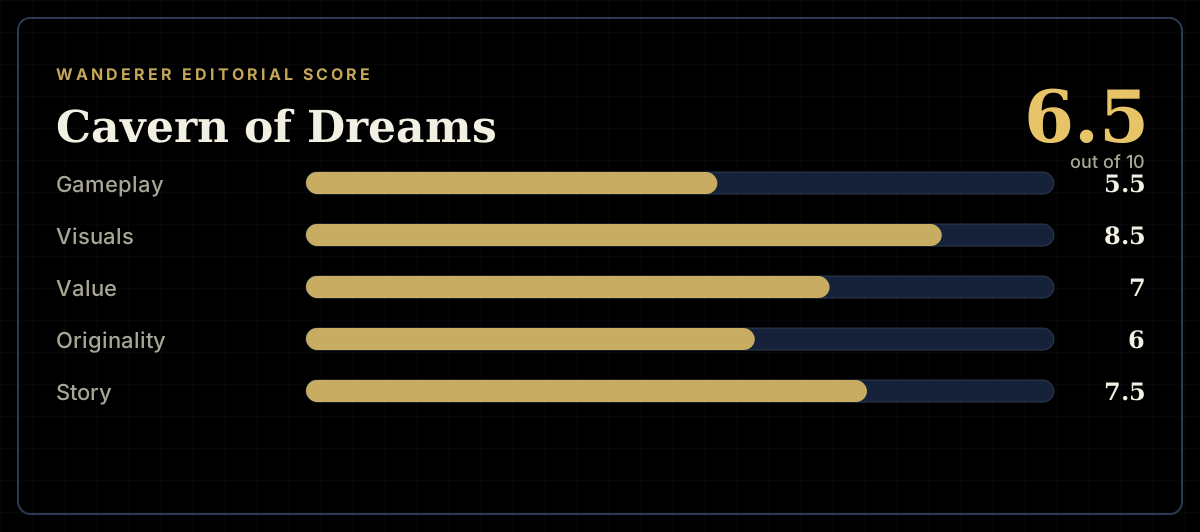
How the review scores each part of the gameWanderer Editorial -
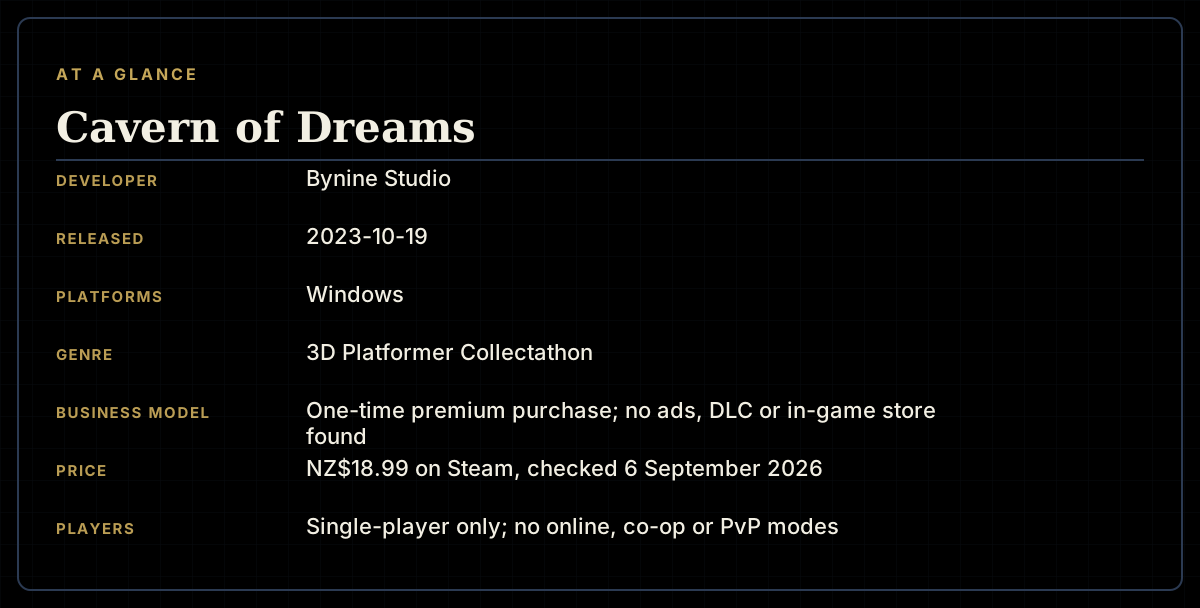
The specsWanderer Editorial -
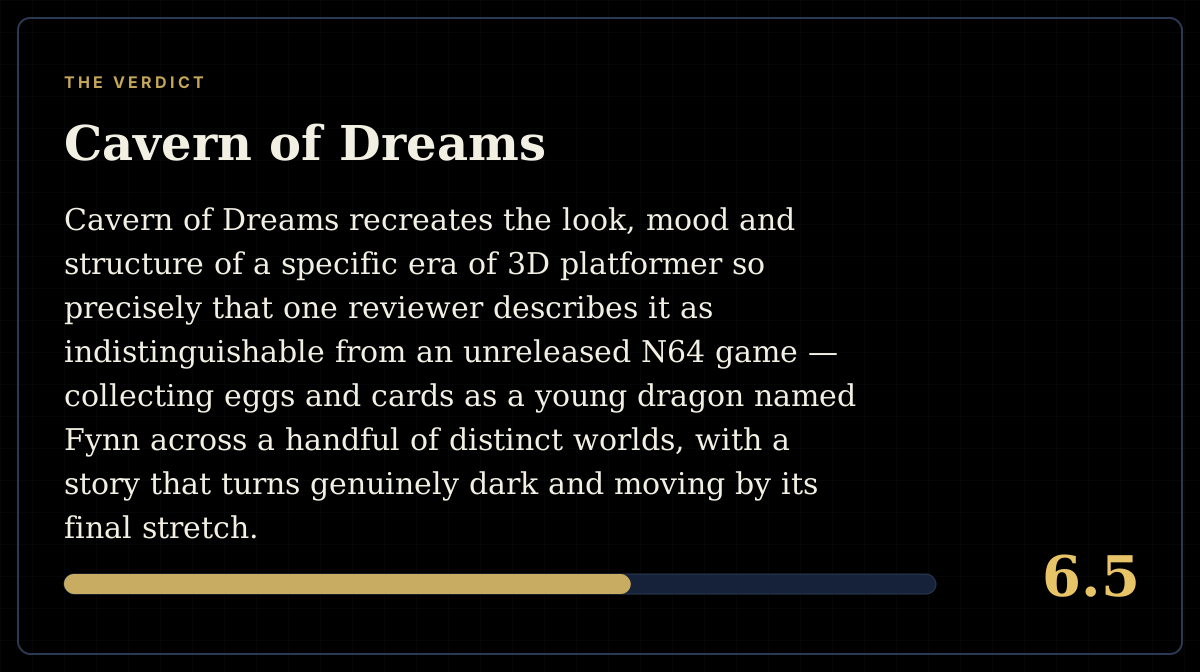
The short versionWanderer Editorial