Game review
Tinykin
7.5 / 10
- Developer
- Splashteam
- Publisher
- tinyBuild
- Released
- 30 August 2022
- Platforms
- Windows
- Genre
- Platformer, Exploration, Puzzle
- Monetisation
- One-time purchase, plus an optional soundtrack and artbook
- Players
- Single-player only
The short version
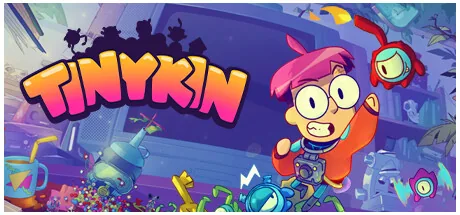
Tinykin shrinks astronaut Milo down to insect size inside an ordinary, richly detailed suburban house, exploring rooms as sprawling landscapes and directing tiny insect-like helpers to solve environmental puzzles, in a clear spiritual descendant of Pikmin and Super Mario 64. Developed by Splashteam and published by tinyBuild, it released 30 August 2022 and sits at Overwhelmingly Positive, 97.6% across 2,084 English-language reviews — one of the most lopsided scores this library has recorded, with only 49 negative reviews in total, essentially all of which this review reads in full. The presentation and the sheer charm of its shrunk-down-in-a-house premise draw near-unanimous praise. The small negative sample that exists, however, makes a consistent, specific case worth taking seriously: the core interaction loop is thin, combat and real puzzles are largely absent, and pursuing full completion turns a relaxing exploration game into a tedious chore.
Biggest strengths
- The shrunk-down suburban house setting is realised with extraordinary charm and detail, consistently praised as imaginative and full of small, delightful touches most reviewers specifically call out by name
- Music and sound design draw wide, consistent praise for reinforcing the game's cosy, playful tone throughout
- A relaxing, low-pressure pace with no combat or fail states makes it an approachable, stress-free experience that several reviewers specifically credit for its Steam Deck comfort
Biggest weaknesses
- The small but detailed negative sample consistently describes the core gameplay loop as shallow — no combat, minimal puzzle-solving, and most interactions reducible to "find a glowing object, throw the right colour Tinykin at it"
- Pursuing full completion and every achievement is widely described, even by broadly positive reviewers, as roughly doubling the game's length while draining much of the enjoyment that made the earlier hours pleasant
- Camera control during aiming and soap-board grinding sections draw specific, repeated technical complaints as wonky or unpredictable
Who it's for: Fans of cosy, low-stakes exploration and collectathon platformers who want a beautiful, imaginative world to wander through; a poor fit for anyone who wants meaningful combat, puzzle depth, or a game that rewards 100% completion rather than punishing it.
Our recommendation: A genuinely delightful, gorgeously realised couple of afternoons, best enjoyed by exploring at a relaxed pace and resisting the urge to chase full completion.
7.5 / 10
Introduction
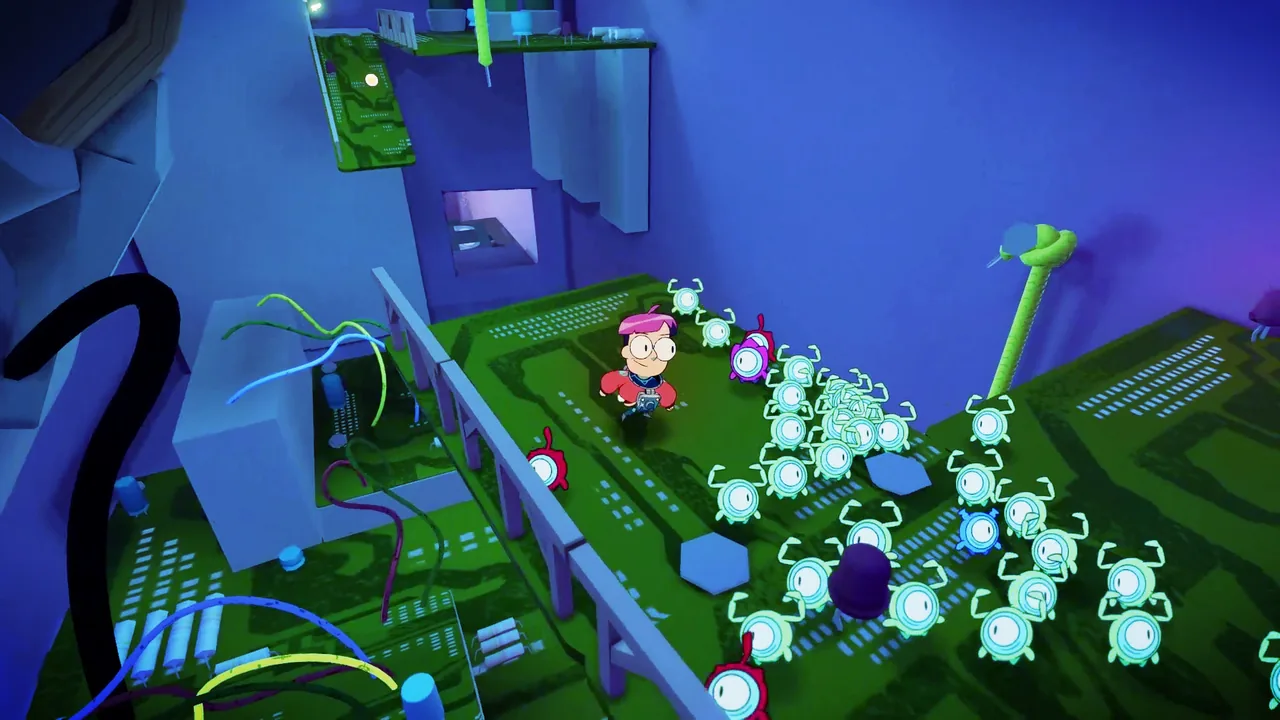
Tinykin shrinks astronaut Milo down to the size of an insect inside an ordinary suburban house, turning kitchen counters and bathroom tiles into sprawling landscapes to explore, platform across and clean up with the help of small, colour-coded insect helpers who can be commanded to carry, push and pop objects. Developed by Splashteam and published by tinyBuild, it released 30 August 2022 and sits at Overwhelmingly Positive, 97.6% across the 2,084 English-language reviews this review draws from. That's an extraordinarily lopsided score — only 49 negative reviews exist in the entire English-language corpus, and this review reads every one of them, alongside a substantial sample of the overwhelming positive majority. What emerges is a game whose charm is essentially undisputed, paired with a small, consistent minority report worth taking seriously precisely because it's so specific and so rarely contradicted even within the positive reviews themselves.
A setting reviewers can't stop describing fondly
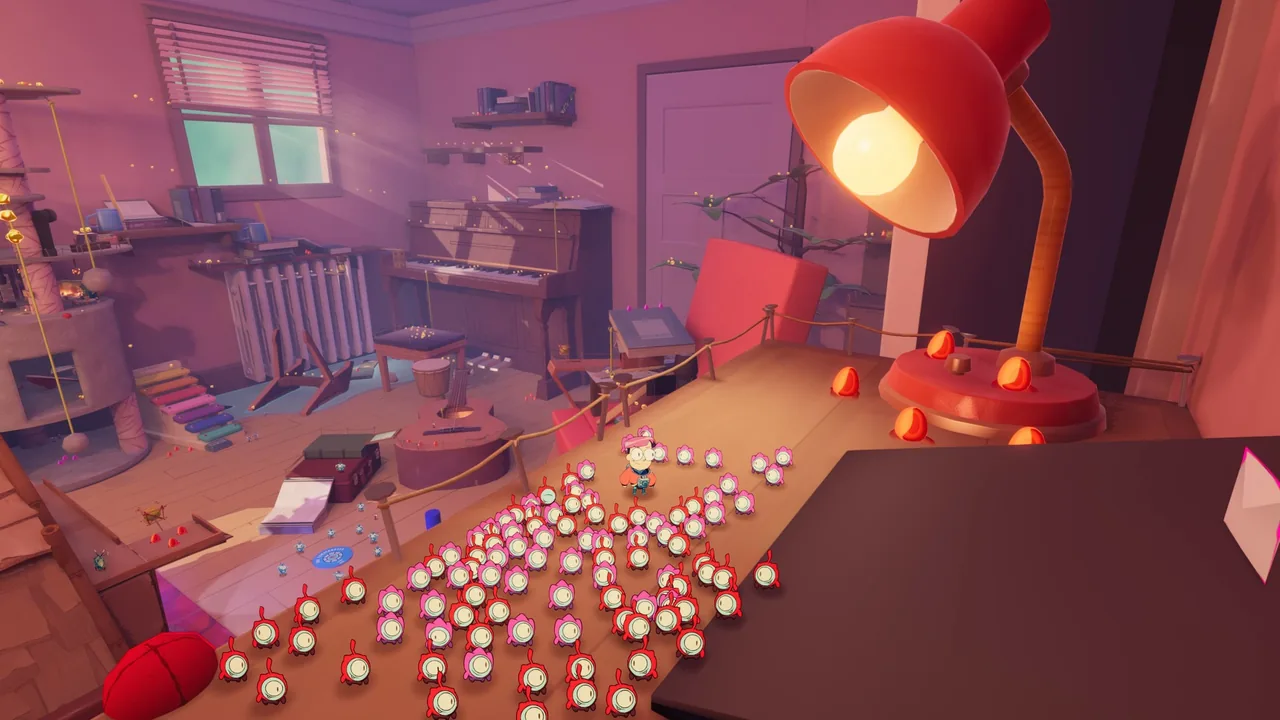
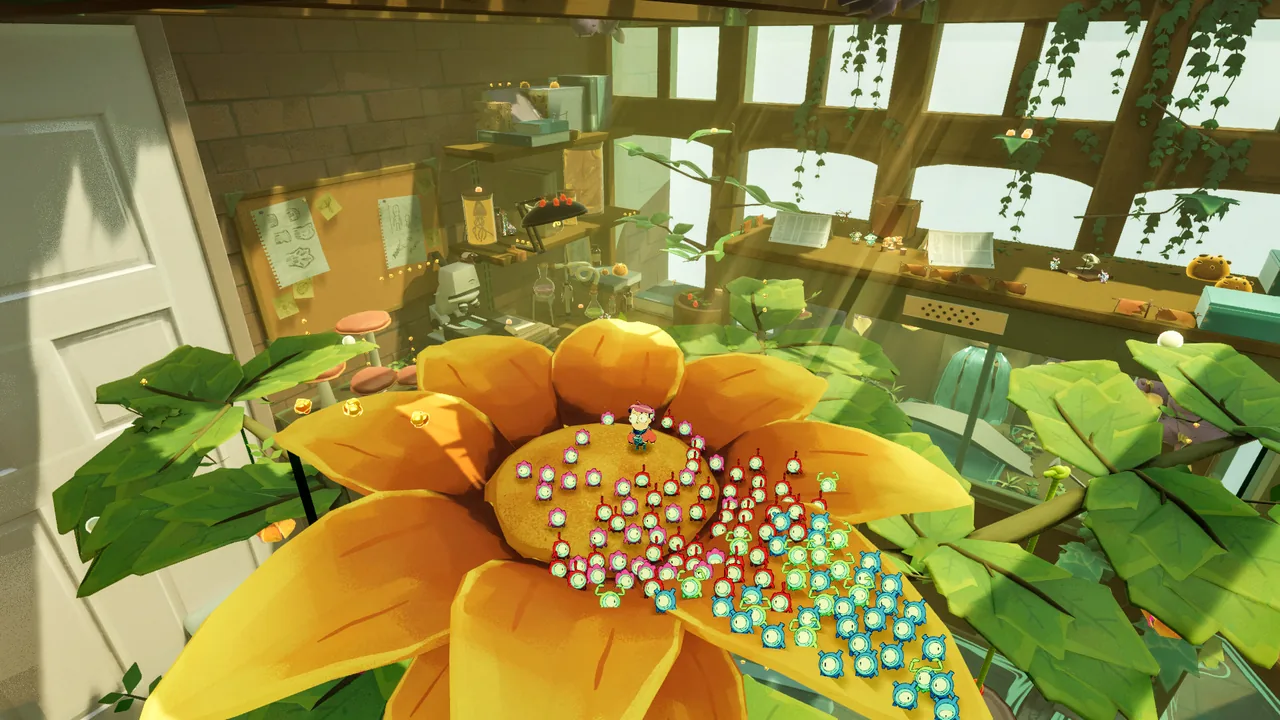
Start with what almost nobody disputes: Tinykin's central conceit — an ordinary house rendered as an alien, explorable world from an insect's-eye view — is executed with real imagination and craft. Reviewers describe individual rooms and set-pieces with genuine specificity and affection, and the presentation draws consistent praise as one of the most charming and detailed takes on the "shrunk down" premise available on the platform. Music and sound design earn their own wide praise for matching that cosy, playful tone throughout. Several reviewers specifically flag the game's comfort on Steam Deck and its low-pressure, fail-state-free structure as ideal for a relaxed, stress-free session — this is explicitly not a game built around tension or difficulty, and reviewers who wanted exactly that describe finding it in spades.
The Pikmin comparison, argued both ways
Given the premise, comparisons to Pikmin are inevitable, and this corpus argues about them at real length and with real specificity rather than treating the comparison as settled either way. Several detailed reviewers push back hard against it: one 90-vote review opened by insisting "Tinykin is not like Pikmin. Any review that says it's similar has no idea what makes either game unique," going on to argue Tinykin's helpers lack the strategic, real-time management that defines Pikmin's actual gameplay loop. Others embrace the comparison while arguing Tinykin earns its place alongside it on its own terms, describing it instead as sitting somewhere between Super Mario 64, collectathon platforming and the imaginative logic of Psychonauts. A recurring, more structural observation ties both readings together: several reviewers describe Tinykin as part of a broader pattern of PC-native games filling a gap left by Nintendo's absence from the platform — genuinely inspired by that tradition rather than simply copying it.
What the small negative sample actually says
Here's where this review earns its keep: with only 49 negative reviews in the entire corpus, it's possible to read every one, and the pattern that emerges is remarkably consistent rather than scattered. The core complaint, restated across multiple independent reviews, is that the actual interaction loop is thin — no combat, minimal genuine puzzle-solving, with most of the game's moment-to-moment decisions reducible to identifying a glowing object and throwing the correctly coloured Tinykin at it. One reviewer, invoking Sid Meier's famous definition of a game as "a series of interesting decisions," argued Tinykin rarely poses a question more engaging than "do you have X Tinykin of Y colour," concluding pointedly that by that definition the game barely qualifies as one at all. This isn't a majority complaint by any measure — it's 49 reviews against over 2,000 — but its consistency and specificity, appearing independently across reviewers with no apparent connection to each other, makes it worth reporting plainly rather than dismissing as noise.
A second, closely related complaint concerns full completion specifically, and this one shows up inside positive reviews too, not just negative ones. Multiple reviewers, including several who clearly loved their main playthrough, describe pursuing every collectible and achievement as roughly doubling the game's length while actively draining the enjoyment that made the earlier hours pleasant. One negative review summarised it directly: "getting the achievements and 100% collection will double the length of the game and suck all the joy you got from it in the first place." Steam's own achievement data corroborates this pattern precisely: the main story-progress achievement sits at a healthy 90.2%, but full-collection achievements for individual areas drop to around 12-14% — a sharp gap between "most people finish the story" and "very few people chase everything," which lines up exactly with what the reviewers describe rather than merely asserting it.
A smaller, more technical complaint concerns controls: camera behaviour while aiming a Tinykin throw, and the handling of a soap-board grinding mechanic used for races and traversal, both draw specific, repeated criticism as wonky or unpredictable, particularly in the small number of sequences that do ask for real precision.
Final Verdict
Tinykin is a genuinely lovely, well-crafted exploration game that earns its overwhelming reception honestly — its central conceit is realised with real imagination, and the overwhelming majority of players who've reviewed it describe a relaxed, charming few afternoons well spent. What keeps this from an even higher score is that the game's own small negative sample, read in full, makes a specific and largely uncontradicted case that there isn't much holding the experience together mechanically once the initial charm settles in, and that chasing full completion actively works against the game's own appeal — a pattern corroborated independently by the game's achievement data. Play this to enjoy the world at a relaxed pace, and there's a delightful game here. Chase every last collectible, and you may end up agreeing with the minority who found the back end of that pursuit a chore.
Pros and cons
Pros
- The shrunk-down suburban house setting is realised with extraordinary charm and detail, consistently praised as imaginative and full of small, delightful touches most reviewers specifically call out by name
- Music and sound design draw wide, consistent praise for reinforcing the game's cosy, playful tone throughout
- A relaxing, low-pressure pace with no combat or fail states makes it an approachable, stress-free experience that several reviewers specifically credit for its Steam Deck comfort
- Distinct enough from its clearest influence, Pikmin, that several detailed reviewers argue the comparison undersells what Tinykin is actually doing on its own terms
Cons
- The small but detailed negative sample consistently describes the core gameplay loop as shallow — no combat, minimal puzzle-solving, and most interactions reducible to "find a glowing object, throw the right colour Tinykin at it"
- Pursuing full completion and every achievement is widely described, even by broadly positive reviewers, as roughly doubling the game's length while draining much of the enjoyment that made the earlier hours pleasant
- Camera control during aiming and soap-board grinding sections draw specific, repeated technical complaints as wonky or unpredictable
- A frequent, sometimes unfavourable comparison to Pikmin recurs across the sample, with several reviewers arguing Tinykin lacks the strategic depth that comparison implies
Screenshots
-
TinykinImage: tinyBuild via Steam -
TinykinImage: tinyBuild via Steam -
TinykinImage: tinyBuild via Steam -
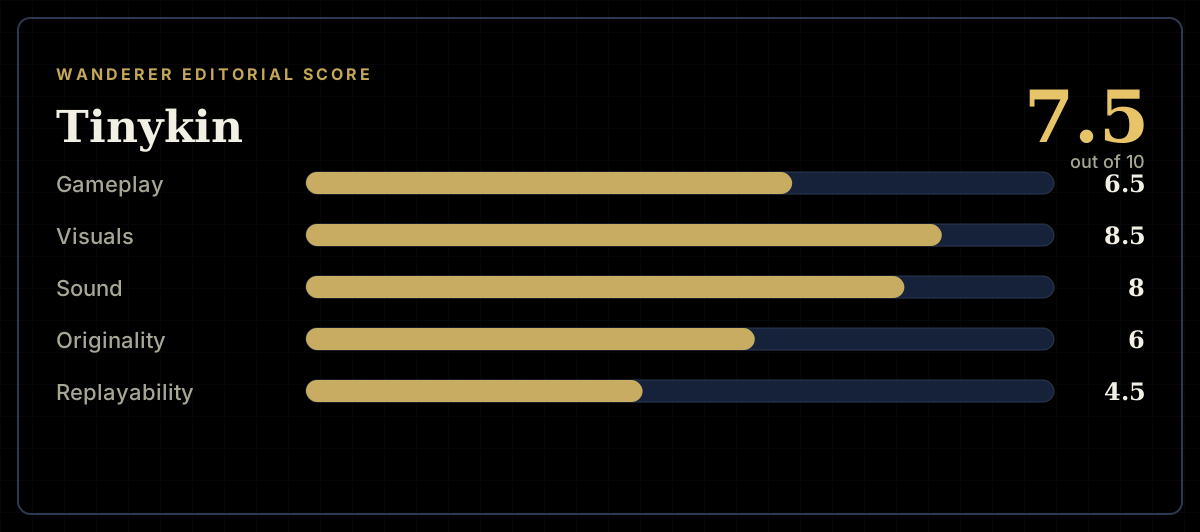
How the review scores each part of the gameWanderer Editorial -
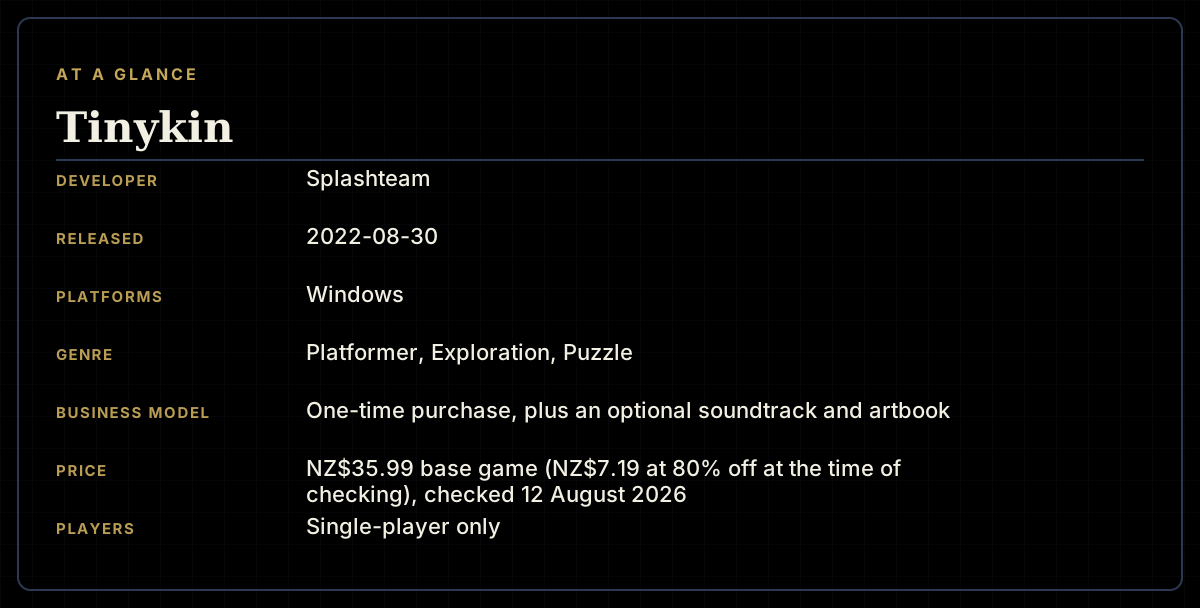
The essentials at a glanceWanderer Editorial -
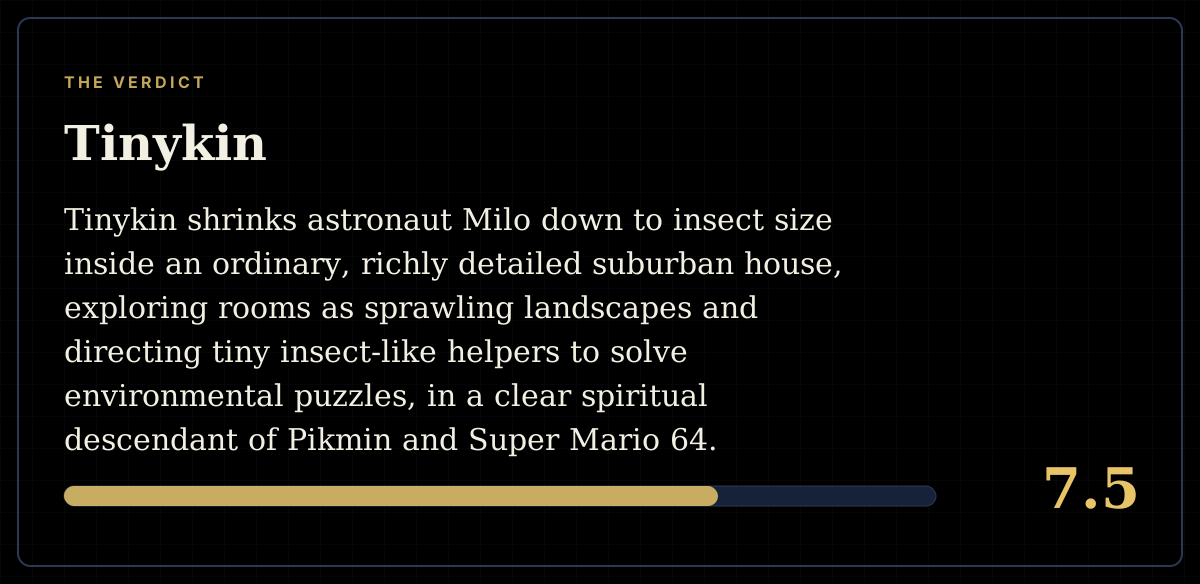
The short versionWanderer Editorial