
Game review
Yoku's Island Express
8 / 10
- Developer
- Villa Gorilla
- Publisher
- Team17
- Released
- 29 May 2018
- Platforms
- Windows, Nintendo Switch, PlayStation 4, Xbox One
- Genre
- Pinball-Platformer, Metroidvania
- Monetisation
- One-time purchase. No DLC, no in-game purchases.
- Players
- Single-player only
The short version
Yoku's Island Express replaces jumping with pinball: dung beetle postal worker Yoku explores a colourful tropical island entirely by rolling a ball and flicking flippers, a concept strange enough on paper that it's still, eight years later, largely without imitators. It won BAFTA's Best Debut award, sits at Overwhelmingly Positive on Steam (95.8% of 5,261 reviews) and 84 on Metacritic, and its near-complete pool of English-language negative reviews -- only 71 total, an unusually small and readable sample for a game this well reviewed -- shows a genuinely consistent set of specific complaints rather than scattered dislike.
The two that recur most: a large, loosely fast-travelled map that a meaningful share of players say turns exploration into tedious backtracking, and pinball mechanics that, however inventive, a number of reviewers -- including several actual pinball fans -- say don't hold up to close scrutiny as pinball. Neither complaint stops most people who raise them from also calling the game charming, beautiful and clearly a labour of love; it's a rare case of a near-unanimously loved game whose small dissenting minority is unusually specific and worth taking seriously.
Biggest strengths
- A genuinely original core idea -- full exploration and traversal built entirely around pinball mechanics -- that's still without a real imitator eight years later
- Outstanding, colourful hand-crafted art direction and a widely praised soundtrack that draw consistent praise even from the game's harshest reviewers
- A relaxed, largely low-stakes design with no combat and no fail state, making it a strong pick for younger players or anyone wanting a gentler exploration game
Biggest weaknesses
- A large map with underdeveloped fast travel that a consistent share of reviewers say turns backtracking into the game's biggest source of frustration, especially in the back third
- Pinball mechanics that several reviewers, including self-identified pinball fans, say don't hold up as genuine pinball physics -- momentum deadens on contact and some later grapple/swing sequences are criticised for inconsistent timing windows
- No keyboard remapping on PC, a specific complaint from players who find the default arrow-key-and-shift control scheme uncomfortable
Who it's for: Players who want something visually gorgeous, relaxing and genuinely different from standard platformers or metroidvanias, and who don't mind a low-stakes, largely combat-free experience with no fail state. Less good for metroidvania purists expecting jumping and combat, or pinball fans expecting authentic table physics.
Our recommendation: Very much worth its regular deep-discount price, and a reasonable buy even closer to full price given the roughly 8-10 hour runtime and how distinctive the experience is. Go in expecting a slower, sometimes backtracking-heavy pace rather than a tight metroidvania, and treat the pinball as a movement system rather than a simulation.
8 / 10
Yoku's Island Express asks a strange question and answers it well enough to win a BAFTA: what if a metroidvania's jump button was replaced entirely with a pinball flipper? You play Yoku, a dung beetle who's just arrived on a tropical island to take up the job of postmaster, rolling a ball that doubles as your entire body through flipper-lined corridors, launch ramps and bumper fields that make up the whole map. It's a genuinely odd pitch that Villa Gorilla, a small studio formed specifically to make this one game, executed well enough to win Best Debut at the 2019 BAFTA Games Awards and land at Overwhelmingly Positive on Steam — 95.8% of 5,261 reviews — eight years on. Reading through the near-complete pool of available English-language negative reviews, only 71 in total, turns up something unusual for a game reviewed this positively: a small dissenting minority whose specific complaints are consistent and worth taking seriously rather than dismissed as noise.
An idea that's still, eight years later, alone in its lane
The clearest thing to say about Yoku's Island Express is that nothing else quite does what it does. Pinball tables aren't new, and metroidvanias aren't new, but building full traversal, exploration and even light puzzle-solving entirely out of pinball mechanics — no jump button at all — is still, eight years on, without a real imitator. That originality shows up constantly in the review sample as the thing that first drew players in, and the hand-drawn island setting, its warm colour palette and its widely praised soundtrack draw close to universal admiration, showing up as a point of praise in nearly every negative review as well as every positive one. Whatever else is true about the game, "beautiful" and "charming" are words that survive contact with almost every critical review in the sample.
The backtracking problem
The single most repeated specific complaint concerns the map itself. Yoku's island is large and loosely connected, and a consistent share of the negative sample describes traversing it — especially returning to earlier areas once new abilities open up — as tedious rather than rewarding, with an underdeveloped fast-travel system that several reviewers say doesn't do enough to offset the size. "The map is huge and there is no fast travel," reads one review; "There's a kind of fast travel but not enough to actually help." This isn't a complaint that shows up rarely — it recurs across years of reviews in close to identical language, which suggests it's a genuine, consistent friction point in the design rather than a one-off frustration. It's also specific in a useful way: it's not that players dislike exploring the island, it's that the back third of the game in particular asks them to re-cross ground they've already covered more often than the pinball mechanics stay interesting enough to justify.
Pinball fans have notes
The second recurring thread is more surprising: a number of reviewers who specifically identify as pinball enthusiasts say the game's physics don't hold up to close scrutiny as pinball. Momentum deadens almost immediately on contact with walls, ruling out the bounce-passes and building speed that real pinball rewards, leaving what one self-described lifelong player calls "kind of mediocre" physics underneath an otherwise well-realised concept. A related, more specific complaint targets the grapple and swing mechanics introduced partway through the game, which several reviewers say have inconsistent or unclear timing windows compared to the more intuitive flipper sections that open the game — precisely the area where a mistimed input costs the most progress. Neither complaint is about the core idea being bad; both are about specific mechanical execution not quite matching the ambition of the concept, which is a notably more precise criticism than "I didn't like it."
A one-hit wonder, by choice as much as by chance
Villa Gorilla was assembled specifically to make Yoku's Island Express and never made a second game. Asked about a sequel in 2020, co-founder Jens Andersson confirmed plainly that there were no plans, and the studio's key members scattered to other projects rather than staying together — Villa Gorilla functioned, in practice, as a one-project collective rather than an ongoing studio. That context matters for how the game reads today: its rough edges — the backtracking, the pinball physics that don't quite satisfy purists — are the kind of thing a sequel or a sustained live patching effort might have refined, and neither happened. What's left is a genuinely inventive, extremely well-received one-off that its own small dissenting minority describes with real consistency and specificity, from a studio that made its one idea, executed it well enough to win real recognition for it, and then simply moved on.
What eight years of sales figures suggest
The regularity and depth of the discounting itself is worth reading as a signal. A game that still gets marked down to a tenth of its list price on a recurring basis, eight years after release, usually means one of two things: either the publisher has written off further full-price sales and is treating it as long-tail catalogue revenue, or the title's audience is understood to be price-sensitive impulse buyers rather than day-one fans. For Yoku's Island Express, both are probably true at once — it's exactly the kind of short, distinctive, low-risk experience that converts well at NZ$3-5 and would be a harder sell for many players at its NZ$34.95 list price, regardless of how much the reviews above ultimately have to say in its favour.
Verdict
8 out of 10. Yoku's Island Express is a genuinely original, gorgeously presented small game that mostly earns its Overwhelmingly Positive standing on the strength of an idea nothing else has quite replicated since. Its near-complete negative review sample isn't large, but it's unusually consistent: backtracking across an underserved map, and pinball mechanics that don't fully satisfy players who know real pinball, are specific, recurring complaints rather than scattered dislike. Buy it at its frequent deep discount, treat the pinball as a movement system rather than a simulation, and go in ready for a slower back half than the opening hours promise.
Pros and cons
Pros
- A genuinely original core idea -- full exploration and traversal built entirely around pinball mechanics -- that's still without a real imitator eight years later
- Outstanding, colourful hand-crafted art direction and a widely praised soundtrack that draw consistent praise even from the game's harshest reviewers
- A relaxed, largely low-stakes design with no combat and no fail state, making it a strong pick for younger players or anyone wanting a gentler exploration game
- Frequently and deeply discounted, making it an easy recommendation at its regular sale price
Cons
- A large map with underdeveloped fast travel that a consistent share of reviewers say turns backtracking into the game's biggest source of frustration, especially in the back third
- Pinball mechanics that several reviewers, including self-identified pinball fans, say don't hold up as genuine pinball physics -- momentum deadens on contact and some later grapple/swing sequences are criticised for inconsistent timing windows
- No keyboard remapping on PC, a specific complaint from players who find the default arrow-key-and-shift control scheme uncomfortable
- Short for a full-price purchase -- most players finish in 8-10 hours -- which several reviewers flag specifically at the list price rather than the frequent sale price
Screenshots
-
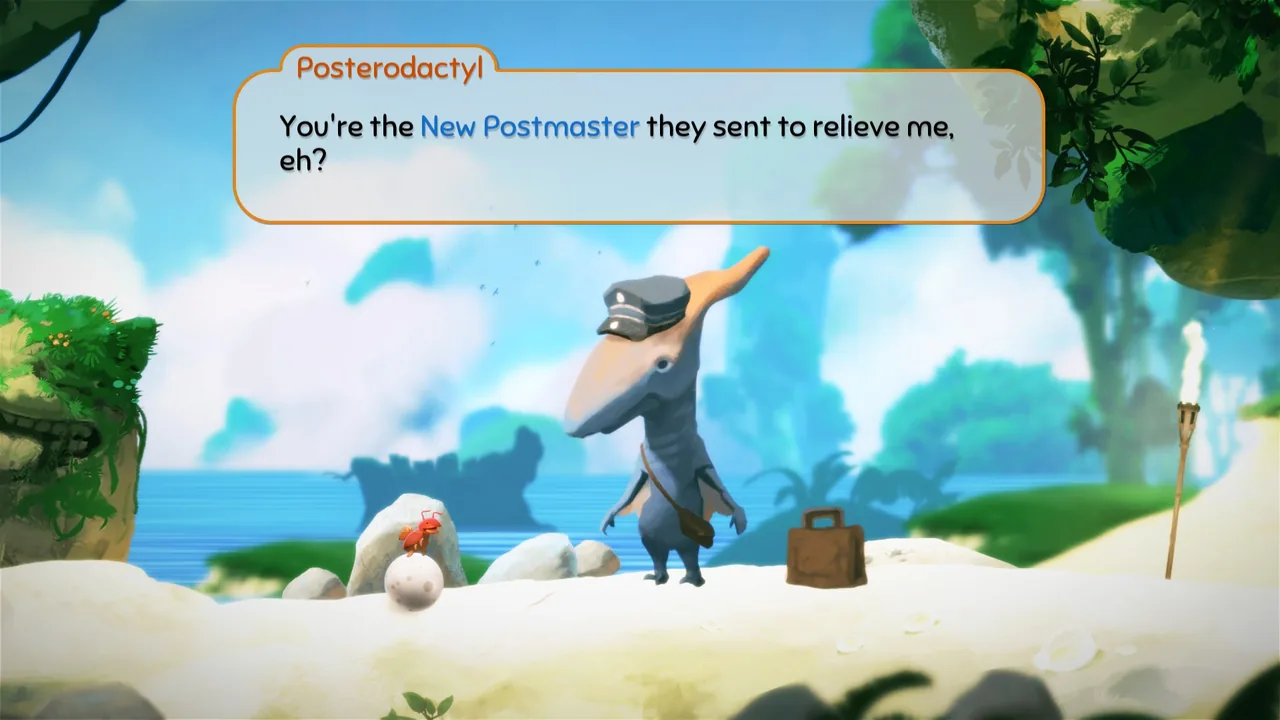
Yoku's Island ExpressImage: Team17 Digital Ltd via Steam -
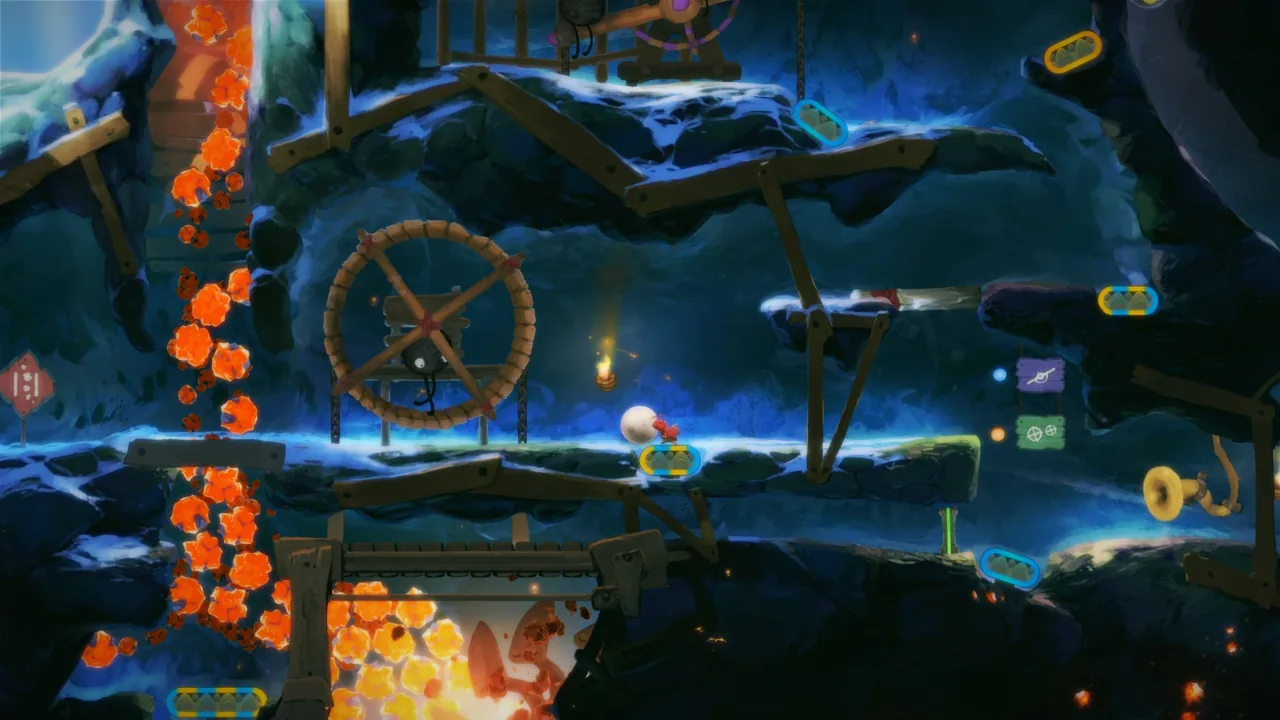
Yoku's Island ExpressImage: Team17 Digital Ltd via Steam -
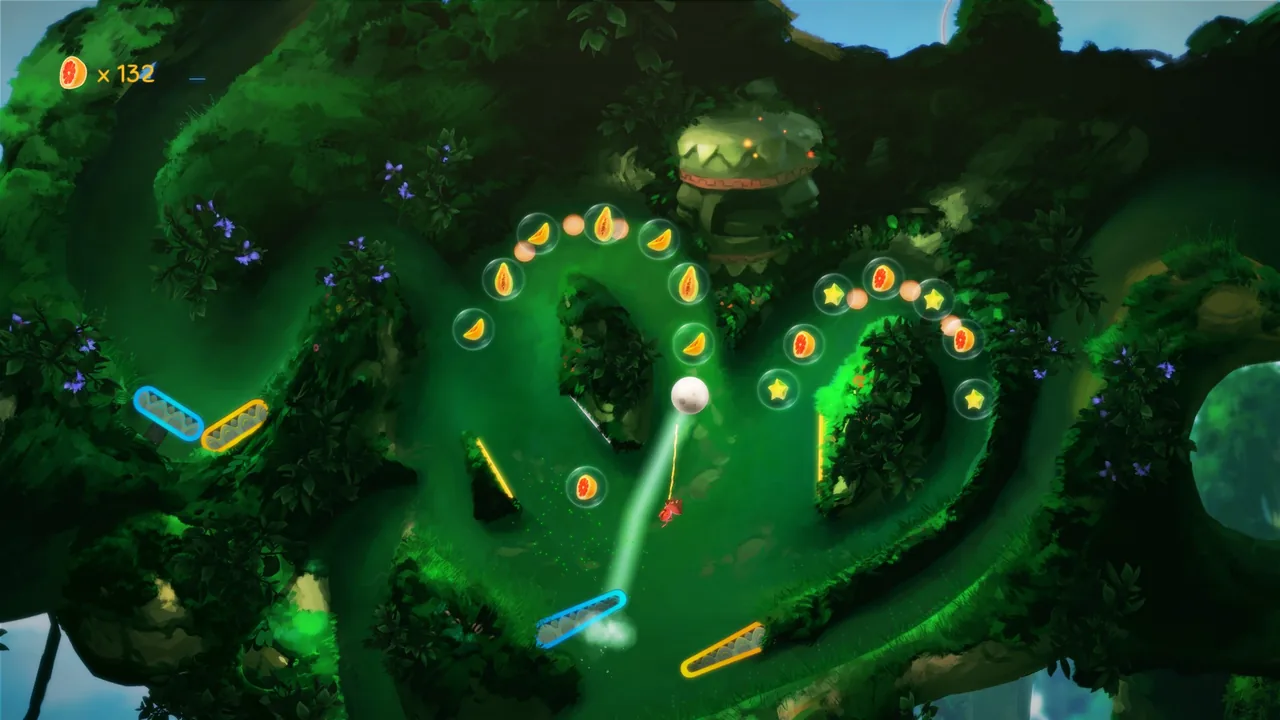
Yoku's Island ExpressImage: Team17 Digital Ltd via Steam -
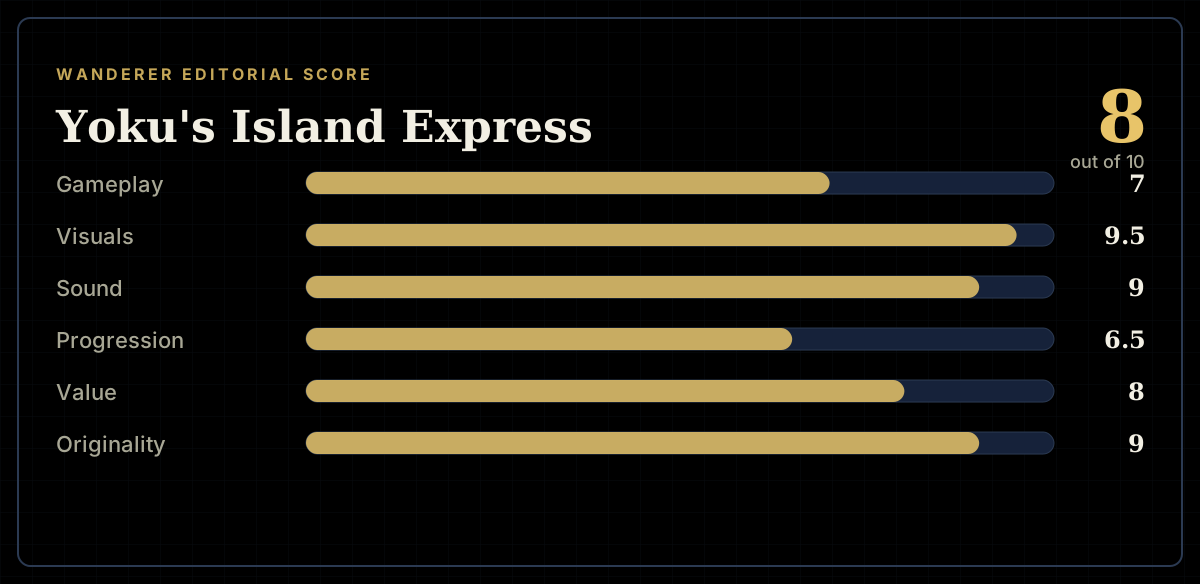
How the review scores each part of the gameWanderer Editorial -

The essentialsWanderer Editorial -
The short versionWanderer Editorial