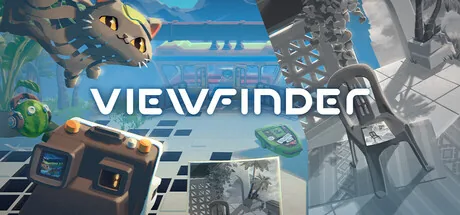
Game review
Viewfinder
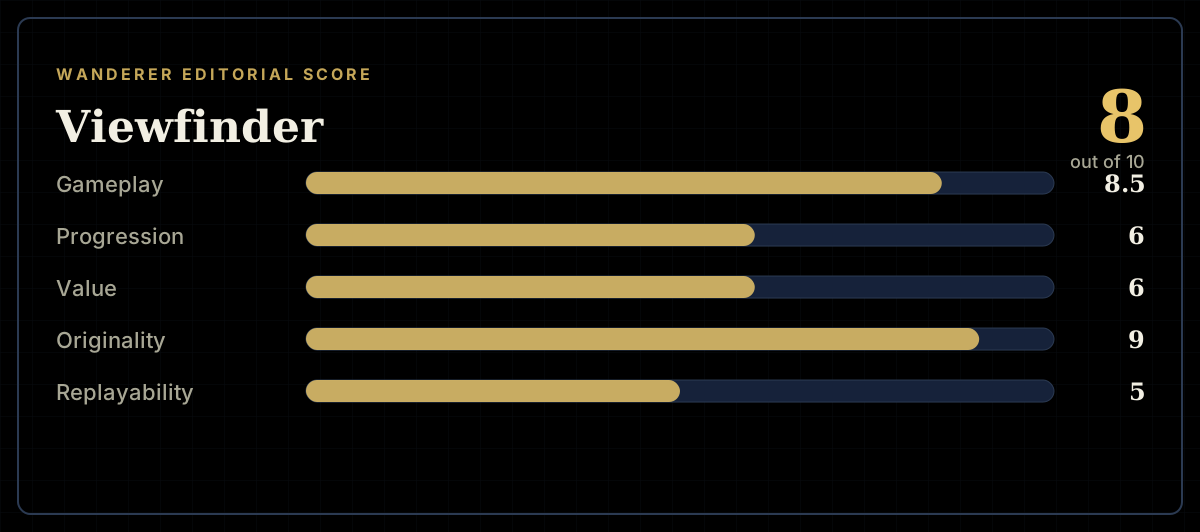
8 / 10
- Developer
- Sad Owl Studios
- Publisher
- Thunderful Publishing
- Released
- 18 July 2023
- Platforms
- Windows
- Genre
- Puzzle Adventure
- Monetisation
- One-off premium purchase, no DLC, no in-app purchases and no premium currency
- Players
- None. Single-player only, with no leaderboard, co-op or shared-progress feature
The short version
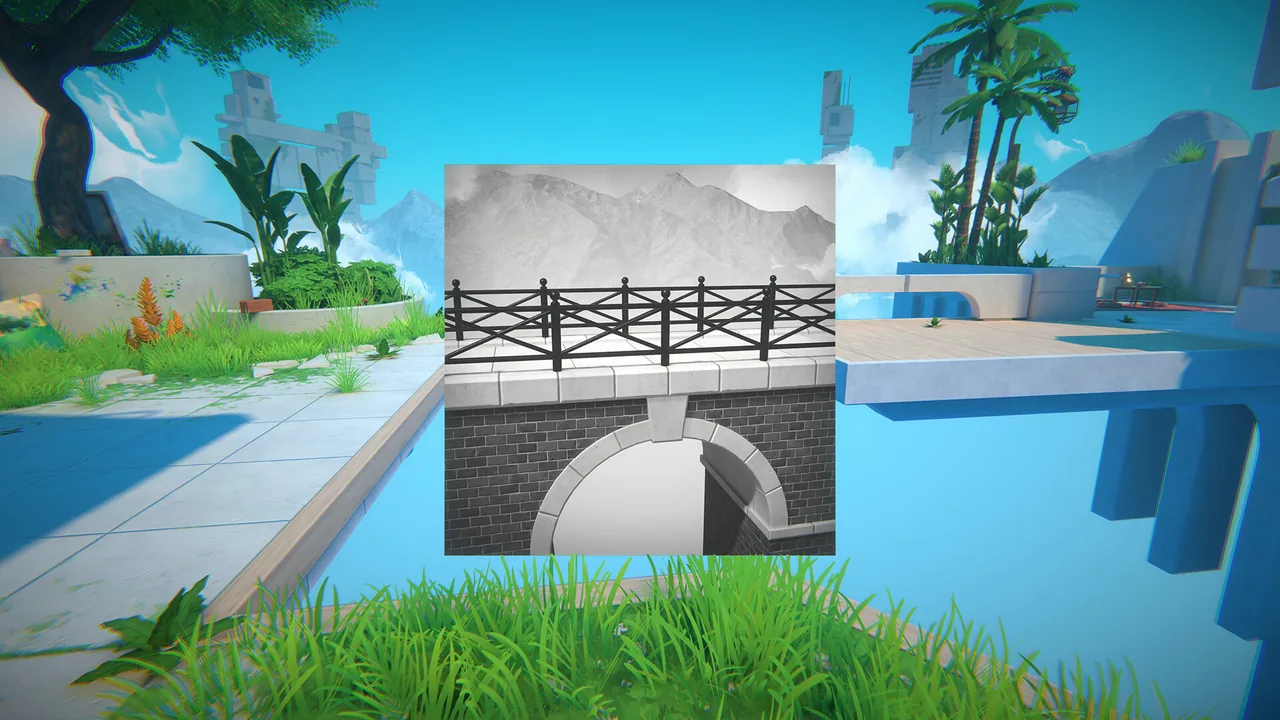
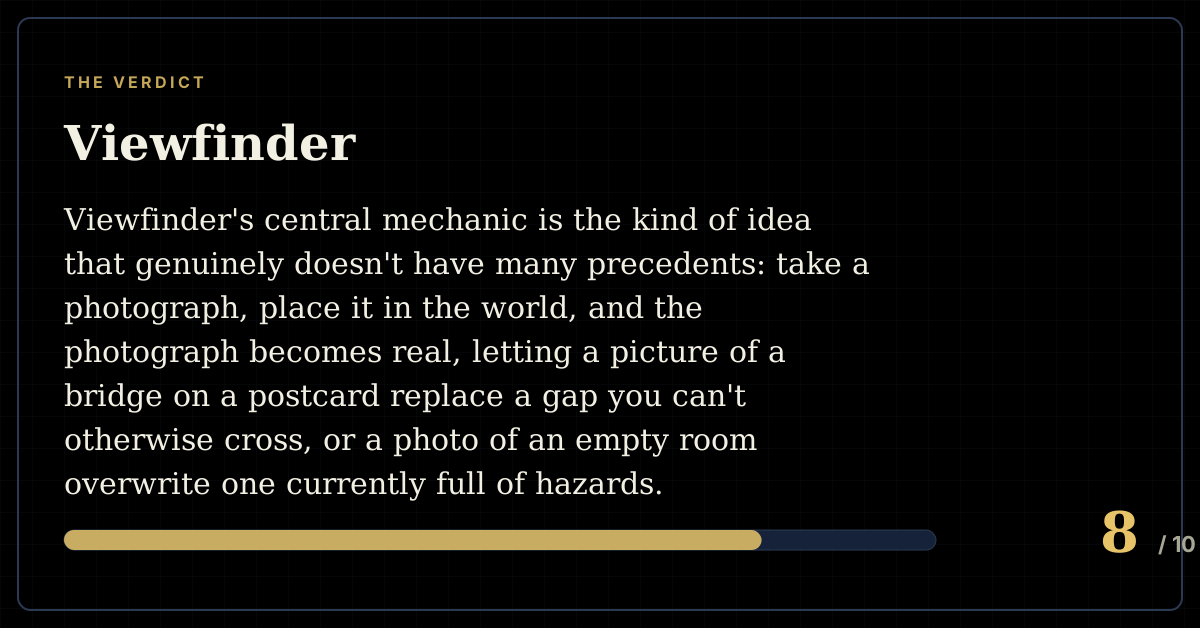
Viewfinder's central mechanic is the kind of idea that genuinely doesn't have many precedents: take a photograph, place it in the world, and the photograph becomes real, letting a picture of a bridge on a postcard replace a gap you can't otherwise cross, or a photo of an empty room overwrite one currently full of hazards. Reviewers reach for Portal and Superliminal as the closest comparisons and mean it as genuine praise — "the most fun and unique game I've played since Portal" is not an uncommon sentiment in the review sample. What keeps an outstanding mechanic from an outstanding overall package is remarkably consistent: the game is short (most completionist accounts land around four to six hours), the difficulty curve leans easy enough that several genre veterans describe the opening worlds as an extended tutorial, and the narration wrapped around the puzzles — particularly one specific character's dialogue — is criticised often enough, and specifically enough, that turning voice acting off entirely is a commonly repeated recommendation among the game's own fans.
Biggest strengths
- The core photograph-reshapes-reality mechanic is genuinely inventive, drawing sincere comparisons to Portal and Superliminal from players who don't make those comparisons lightly
- Puzzle design around the mechanic is described as some of the best in the genre, with clever, well-signposted "aha" moments that reward experimentation
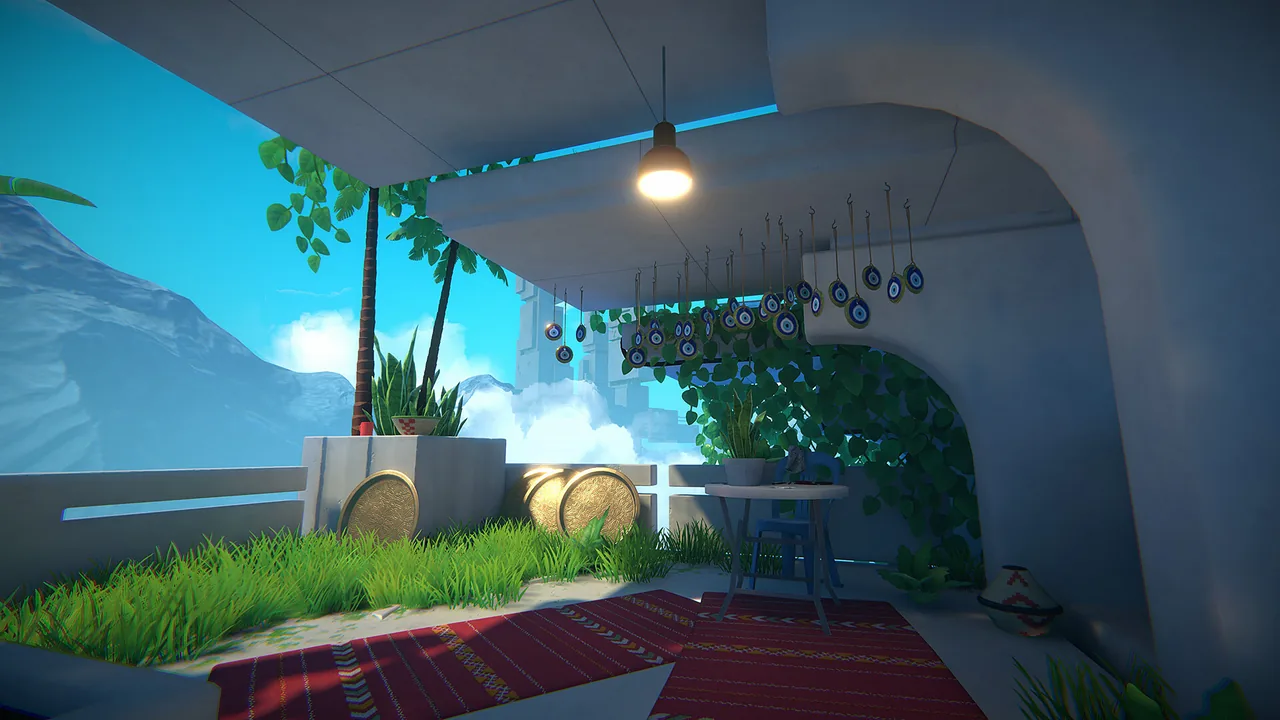
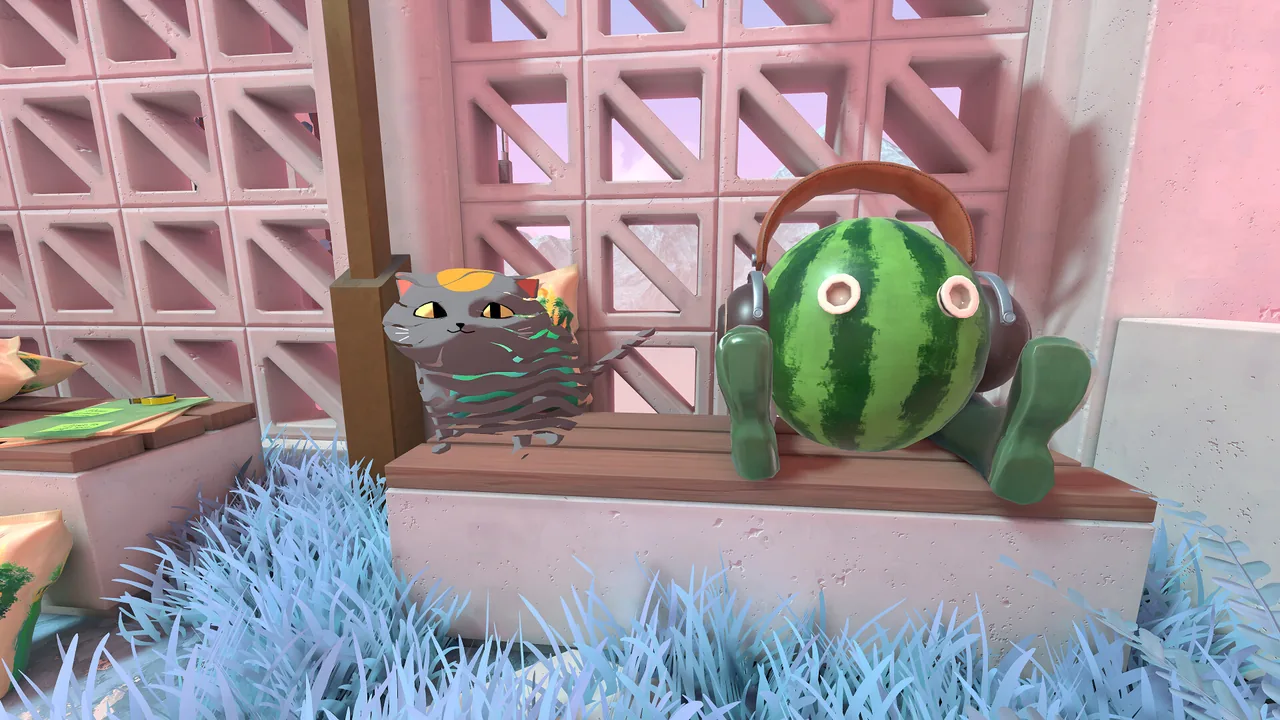
- Visual presentation is consistently praised, with several reviewers specifically noting the game's ability to make players briefly doubt what's real within its own fiction
Biggest weaknesses
- The game is short by most completionist accounts — around four to six hours including optional puzzles — which a meaningful share of reviewers weigh directly against the asking price and find wanting
- Several experienced puzzle-genre players describe the early worlds as feeling like an extended tutorial, with the difficulty curve rarely posing a serious challenge even at its hardest optional content
- Narration and dialogue draw specific, repeated criticism, with one particular character's voice acting singled out often enough that disabling voice acting entirely is a common community recommendation rather than a fringe opinion
Who it's for: Puzzle game fans who prioritise mechanical originality above all else and are comfortable with a shorter, story-light runtime; less recommended for players who weigh cost per hour heavily or who want substantial narrative alongside the puzzles.
Our recommendation: A genuine must-play for the mechanic alone if you can catch it on sale; at full price, weigh the four-to-six-hour runtime carefully against what you'd normally pay for that length of game.
8 / 10
Puzzle games live or die on their central idea, and Viewfinder's is one of the genuinely rare ones that doesn't have an obvious precedent to borrow from. Take a photograph — one you find in the world, or one you snap yourself with an instant camera — and place it down, and the contents of that photograph become real, physically replacing whatever's actually there. A picture of a bridge overwrites a gap you can't cross. A photo of an empty platform can erase the hazards currently sitting on it. It's the kind of mechanic that sounds simple in a sentence and turns out to have remarkable depth once a game actually builds a full puzzle structure around it, and Sad Owl Studios does exactly that.
A mechanic worth the comparisons it draws
Reviewers don't reach for Portal and Superliminal lightly, and the fact that Viewfinder earns those comparisons repeatedly and sincerely says something about how well the core idea is executed. "The most fun and unique game I've played since Portal" is close to a recurring refrain rather than an outlier opinion, and multiple reviewers specifically praise the puzzle design for finding genuinely clever, well-signposted ways to make players reconsider what a photograph actually is within the game's own logic — not just a picture of a solution, but a physical object with its own rules for how and where it can be placed. One reviewer's list format captures the reaction concisely: "You forget what reality is ☑ Beautiful ☑." The visual presentation backs up the conceptual trick, consistently praised as beautiful enough to make the reality-bending moments land with real weight rather than feeling like a UI gimmick.
Where the experience runs shorter than the idea deserves
The complaint that shows up most consistently, across positive and negative reviews alike, is length. Completionist accounts — including full achievement clears and all optional puzzles — converge repeatedly around four to six hours, and a meaningful share of the review sample weighs that runtime directly against the NZ$35.99 asking price and finds the ratio hard to justify. "Good game? Yes. 25€ game? No. Feels more like a proof of concept," one reviewer states bluntly. Another, more specifically: "it's about 4 hours of content, including all optional puzzles... It's a beautiful and unique game, but there's just not enough to it." This isn't a complaint about quality — it's a complaint about quantity relative to price, and it's raised often enough, by reviewers who otherwise clearly loved what they played, to treat as a real and specific factor in a purchase decision rather than an outlier gripe.
Difficulty draws a related, if smaller, thread of criticism. Several experienced puzzle-game players describe the opening worlds as feeling like an extended tutorial, reporting they were rarely stumped even deep into the game's harder optional content. That's not necessarily a flaw — plenty of successful puzzle games favour accessibility over difficulty — but for players specifically drawn to the genre's harder end, it's worth knowing the challenge ceiling here is lower than the mechanic's own complexity might suggest.
The narration problem
The most specific and most repeated criticism concerns the game's story delivery rather than its puzzles. Constant narration, and one particular character's voice acting in particular, draws pointed, repeated complaints — enough that turning off voice acting entirely via an in-game option is a commonly repeated piece of community advice rather than a niche workaround. "A good puzzle game which could be 100% improved by the removal of all dialogue," one reviewer states flatly. Another, revisiting the game two years after their original playthrough, specifically describes being unable to tolerate the voice acting on a replay and immediately reaching for the option to disable it. A more detailed account argues the writing quality is poor enough to cause active disengagement from the narrative elements altogether, reducing the game — for that player — to a pure puzzler stripped of the story it was clearly meant to be told alongside.
Where this leaves a buyer
Viewfinder earns its reputation on the strength of one genuinely excellent idea, executed with real craft and rewarded with comparisons to two of the puzzle genre's most respected recent touchstones. What holds it back from an unreserved recommendation at full price is equally clear and equally well-documented: a short runtime that a meaningful share of its own fans feel undersells the asking price, an accessible difficulty curve that won't challenge genre veterans for long, and narration many players actively recommend turning off. None of that changes what the mechanic itself accomplishes — it's the reason this game is still being talked about years after release, and it remains worth experiencing on that basis alone. Buyers specifically sensitive to cost-per-hour should watch for a sale; buyers chasing genuine mechanical originality should treat the price as secondary to what's actually on offer.
Pros and cons
Pros
- The core photograph-reshapes-reality mechanic is genuinely inventive, drawing sincere comparisons to Portal and Superliminal from players who don't make those comparisons lightly
- Puzzle design around the mechanic is described as some of the best in the genre, with clever, well-signposted "aha" moments that reward experimentation
- Visual presentation is consistently praised, with several reviewers specifically noting the game's ability to make players briefly doubt what's real within its own fiction
- An in-game option to disable voice acting exists and is widely recommended by the community as a genuine fix for the narration complaints below
Cons
- The game is short by most completionist accounts — around four to six hours including optional puzzles — which a meaningful share of reviewers weigh directly against the asking price and find wanting
- Several experienced puzzle-genre players describe the early worlds as feeling like an extended tutorial, with the difficulty curve rarely posing a serious challenge even at its hardest optional content
- Narration and dialogue draw specific, repeated criticism, with one particular character's voice acting singled out often enough that disabling voice acting entirely is a common community recommendation rather than a fringe opinion
- At least one detailed review argues the constant narration actively works against the puzzling, becoming disengaging enough that some players describe tuning out the story entirely partway through
Screenshots
-
ViewfinderImage: Thunderful Publishing via Steam -
ViewfinderImage: Thunderful Publishing via Steam -
ViewfinderImage: Thunderful Publishing via Steam -
How the review scores each part of the gameWanderer Editorial -
The short versionWanderer Editorial