Game review
Infinity Nikki
6.5 / 10
- Developer
- Infold Games
- Publisher
- Infold Games
- Released
- 28 April 2025
- Platforms
- Windows, PlayStation 5, iOS, Android
- Genre
- Open World Adventure
- Monetisation
- Free to play with gacha. Outfits are pulled from limited-time banners; players report a full outfit costing on the order of 180-200 pulls. Story and open-world content are free.
- Players
- Primarily single-player, with light co-op and cross-platform features
The short version
One of the most-upvoted recent reviews of Infinity Nikki, from a player with 355 hours, opens like this: "This is a very predatory gacha game. It's also a wonderful work of art." That's not a contradiction anyone needs to resolve — it's the most accurate two-sentence summary of this game anybody has written.
The world is gorgeous, the outfits are extraordinarily crafted, and the open-world platforming and puzzling are a real game rather than a wrapper for a shop. But the wardrobe is the point of a dress-up game, and the wardrobe is behind a gacha that players say costs 180 to 200 pulls for one complete outfit. Everything Infold do well is in service of making you want the thing they've put behind the gambling.
Biggest strengths
- Visually outstanding — environments, fabric simulation and animation well beyond what the genre usually attempts
- A real open world with platforming, puzzles and collecting, not a menu with scenery attached
- The great majority of the actual content, including the main story and exploration, is free
Biggest weaknesses
- Outfit gacha is the core of the monetisation, and players consistently report 180-200 pulls for a single complete outfit
- The 1.5 update replaced the original story introduction with a sequence promoting limited-time outfits, which the community has never forgiven
- Persistent performance complaints on Windows — lag and crashes — including from paying players
Who it's for: Players who want a cosy, beautiful open world to explore at their own pace and can treat the banner outfits as scenery rather than goals. Anyone with an impulse-spending or gambling vulnerability should take the community's warnings here seriously.
Our recommendation: Free, and the exploring, puzzling and story cost nothing — worth trying on that basis alone. Decide your spending limit before you open the shop, because this game is exceptionally good at making beautiful things feel necessary.
6.5 / 10
Before anything else, a timing fact that explains this game's entire Steam page.
Infinity Nikki launched globally in December 2024, to a warm reception. It arrived on Steam on 28 April 2025 — four months later, and squarely in the middle of the fallout from its 1.5 update, the most damaging thing that has happened to it. Twenty-nine of the hundred most-helpful English negative reviews were posted in May 2025 alone.
So the Steam corpus doesn't record the game's life. It records its worst month, permanently, at the top of the store page. Any assessment written in 2026 has to start by separating those two things.
What players were actually angry about
The 1.5 complaints were specific, and they weren't really about difficulty or bugs, though there were plenty of bugs.
The central one: Infold replaced the game's original story introduction. Players who had come for a whimsical, slightly mysterious fairytale found the opening restaged as a showcase for limited-time purchasable outfits. "Infold retconned the intro just to promote limited-time outfits," reads one review with over a thousand votes. Changing a game's first impression into an advertisement is an unusually direct statement of priorities, and the community read it exactly that way.
Around it came the rest: an aggressive push on microtransactions, a pity system players calculated at roughly 180 pulls for a complete outfit with a guaranteed five-star piece only every 20, gems removed from accounts over a bug the game itself caused, changed Steam wishlist rewards, and reports of critical feedback being suppressed on official channels.
What makes the corpus unusual is its tone. These are not people who hated the game. "The saddest part of this whole fiasco is that every single negative review you see here comes out of love," reads a review with 1,655 votes. "Every person who has downvoted this game wants desperately for it to be the opposite." A player with 1,624 hours, who says they log in every single day and love it, still concludes they cannot in good conscience recommend anyone get into it. That's a distinctive and unusually honest pattern: devoted players warning newcomers off the thing they themselves can't stop playing.
A claim worth checking
One widely-upvoted negative review alleges Infold bought bots to spam positive reviews and drown out complaints. That's a serious accusation about the number at the top of this review, so it's worth testing rather than repeating.
Across 300 English positive reviews sampled from the corpus, there were zero repeated sentences — the signature you'd expect from templated or purchased text. Exactly one review was shorter than 25 characters. Four had under an hour of playtime. The median playtime among positive reviewers is 176 hours.
That is close to the opposite of a bot signature. Whatever else is true about how Infold handled the 1.5 backlash, the positive reviews on this page appear to have been written by people with a working week or more inside the game. The allegation isn't supported by the data.
The game underneath
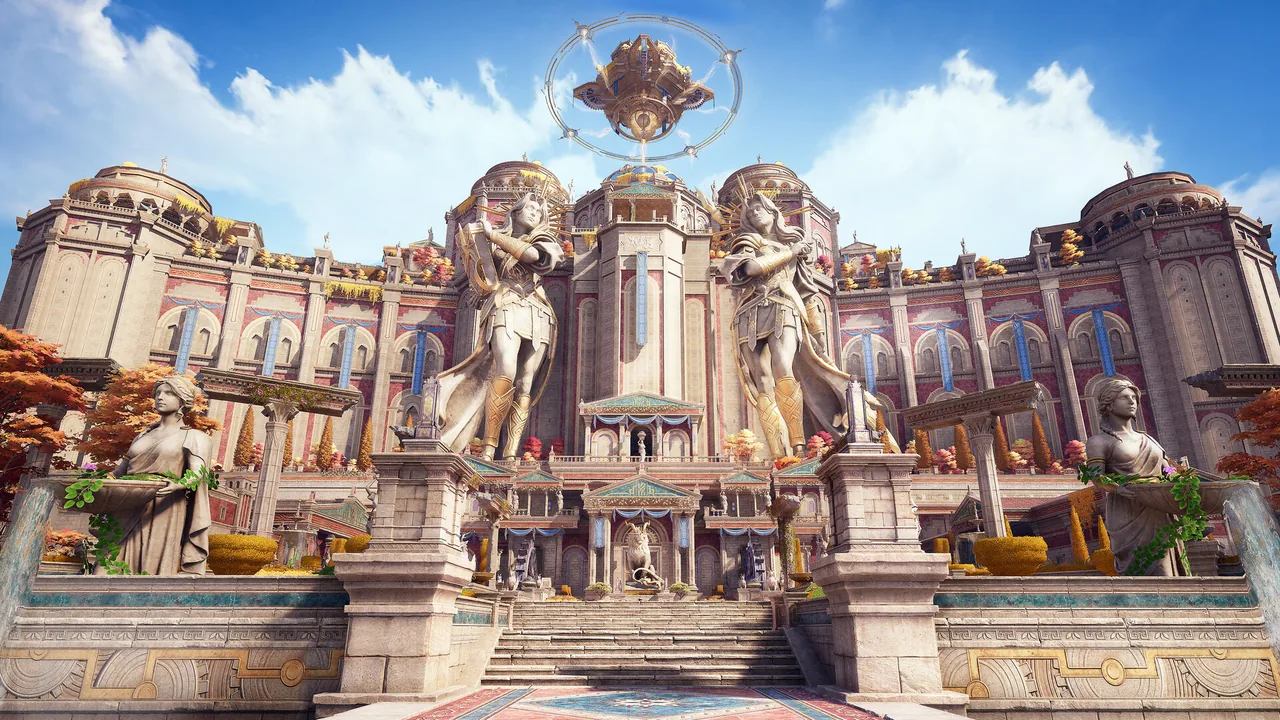
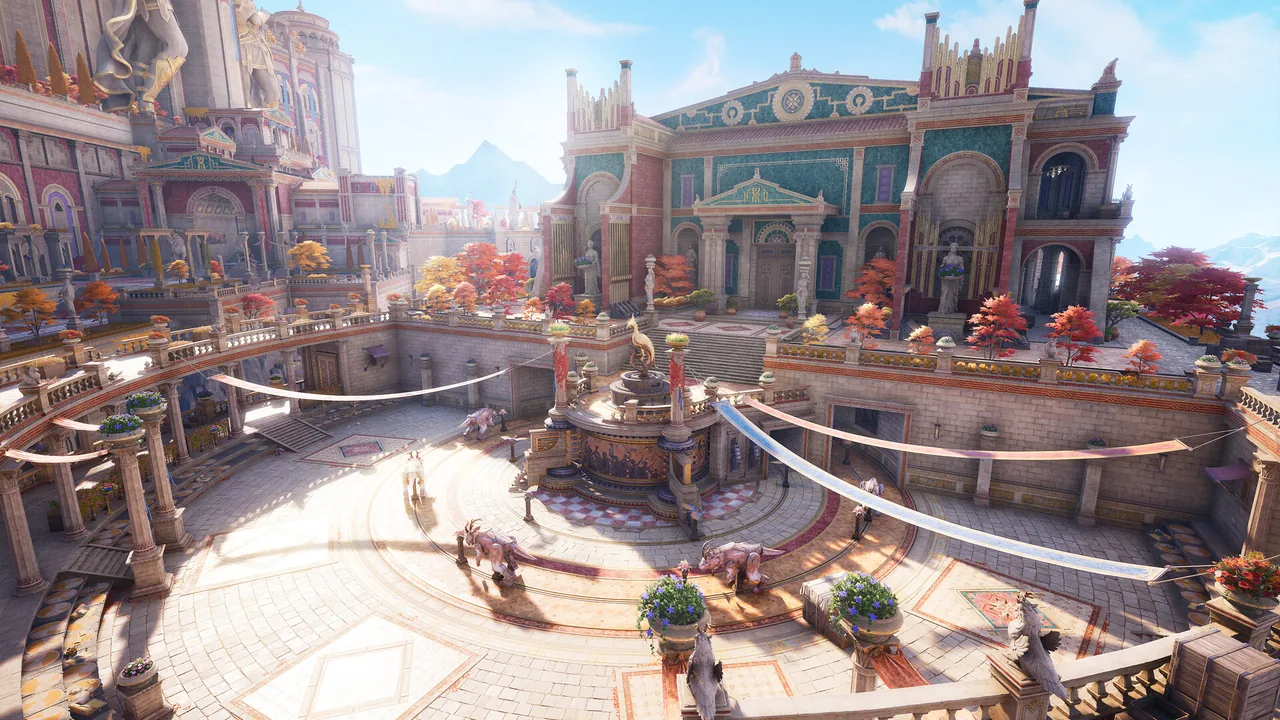
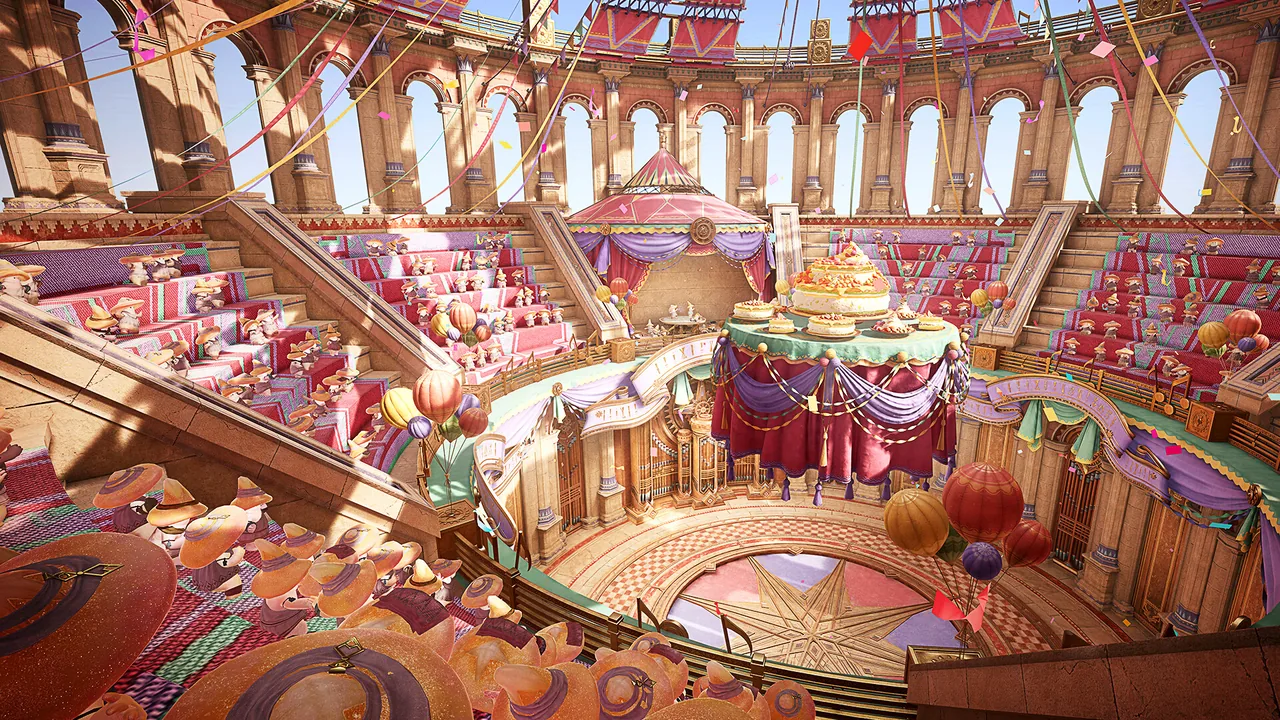
It deserves saying clearly, because the controversy tends to swallow it: Infinity Nikki is beautiful, and not in a generic way. Fabric moves properly. Environments are lush and varied across the nations of Miraland. The outfit design work is genuinely accomplished, which is precisely why locking it behind a gacha stings.
It's also a real game. There's an open world with meaningful traversal, platforming challenges that get more demanding than the cosy presentation suggests, puzzles, collecting, and outfits with actual abilities used to solve environmental problems. Compared with the treadmill most gacha games build around their pull screens, the moment-to-moment activity here stands on its own. A 397-hour reviewer puts the fair version of the value case: "Majority of actual content is free, and the things that cost actual money aren't needed to progress."
Where it's weaker is combat, which is trivial, and the story, which several long-term players say lost its mystery in the rewrite. Performance is a live problem too: reviewers in late July and early August 2026 still describe lag and crashes on Windows, including paying players, and one Linux player reports playing better under Linux while fearing an anti-cheat ban for it.
The recovery, and what hasn't changed
Sentiment has genuinely improved. Of the 100 most recent English reviews, posted between mid-July and early August 2026, 75 are positive, against a lifetime 55.5%. Negative reviews have thinned to a handful a month through 2026, down from the May 2025 flood.
Development has been consistent: named content versions 2.5 "Where All Souls Return", 2.6 "Until Tide Ends", 2.7 "Where Stars Yearn" and 2.8 "Golden Dust" arrived roughly monthly from April to July 2026, alongside published optimisation reports responding to player feedback on specific systems. This is a studio doing the work.
But the thing at the centre hasn't moved. A negative review from 31 July 2026 makes the same complaint as the ones from May 2025: "To get a full set you need at least 180-200 pulls which is insane." Another from the same week says global player feedback still feels secondary to the Chinese playerbase's. The rate is the rate, fifteen months on.
This is where I'd part company with the "it's fine now" reading. The 1.5 crisis was about trust, and trust was partly rebuilt. The economics were never the crisis — they were the design, and they remain the design.
Being precise about the monetisation
The brief on this is worth stating carefully, because "predatory" gets used loosely.
Nothing here is pay-to-win: this is a largely single-player game with no competitive ladder, and you can finish the story, explore the world and complete the platforming without spending. What money buys is clothes.
The problem is that clothes are the entire premise. In a shooter, cosmetics are a side dish; in a dress-up game, they're the meal, and putting them behind a randomised banner at 180-200 pulls per complete outfit means the game's core fantasy is the thing being gambled for. That's a sharper arrangement than Genshin Impact, where the gacha at least buys characters who then play the game with you. Here you're pulling for the reason you installed it.
To Infold's credit, they've built a game good enough that a great many players simply admire the outfits they'll never own and get on with exploring. A meaningful chunk of the positive reviews say exactly that. But the pressure is deliberate and well-engineered, and the community's repeated warnings about impulse spending are not hysteria — they're people describing what the system did to them.
The verdict
Infinity Nikki earns a 6.5. Its visual craft is 9-plus work and its open world is a legitimately original idea executed with care, which is more than most of this genre attempts. The recovery is real, the update cadence is steady, and the Steam badge is a snapshot of a crisis that has largely passed.
What holds it here is that the central bargain is unchanged and unusually pointed. A dress-up game that puts the dresses behind a 180-pull banner has aimed its monetisation directly at its own appeal, and its most invested players — the ones with a thousand hours and a daily login streak — are the ones most consistently telling newcomers to be careful. When the people who love a game most are also its most credible warning label, that belongs in the score.
Play it for the world, the platforming and the photography, all of which are free and excellent. Set your limit before you look at a banner. And if what you actually wanted was a game where the lovely things you collect are earned rather than drawn, that's a different shelf entirely — try Wanderer, where the wardrobe fills up because you played, not because you pulled.
Pros and cons
Pros
- Visually outstanding — environments, fabric simulation and animation well beyond what the genre usually attempts
- A real open world with platforming, puzzles and collecting, not a menu with scenery attached
- The great majority of the actual content, including the main story and exploration, is free
- Steady development, with named content versions arriving roughly monthly through 2026
- Genuinely original: nobody else is making an open-world adventure game about dressing up
Cons
- Outfit gacha is the core of the monetisation, and players consistently report 180-200 pulls for a single complete outfit
- The 1.5 update replaced the original story introduction with a sequence promoting limited-time outfits, which the community has never forgiven
- Persistent performance complaints on Windows — lag and crashes — including from paying players
- Reviewers report the global playerbase's feedback being treated as secondary to the Chinese playerbase's
- Its own most devoted players, some with over a thousand hours, actively warn newcomers away
Screenshots
-
Infinity NikkiImage: Infold Games via Steam -
Infinity NikkiImage: Infold Games via Steam -
Infinity NikkiImage: Infold Games via Steam -
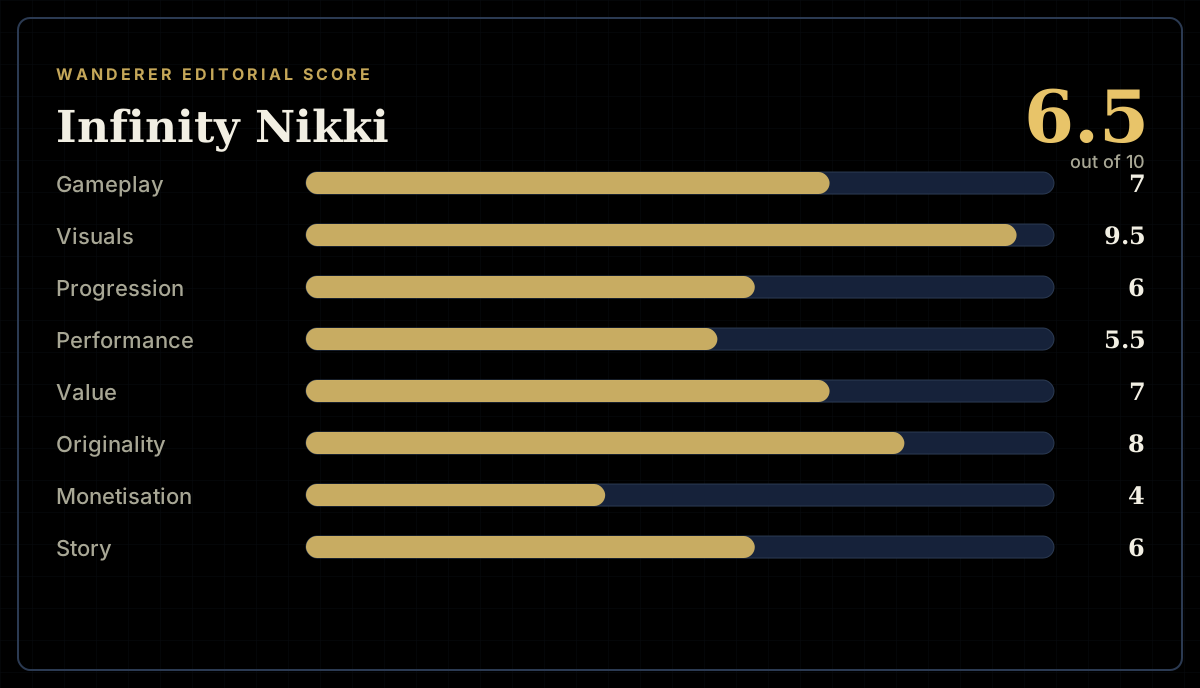
How the review scores each part of the gameWanderer Editorial -
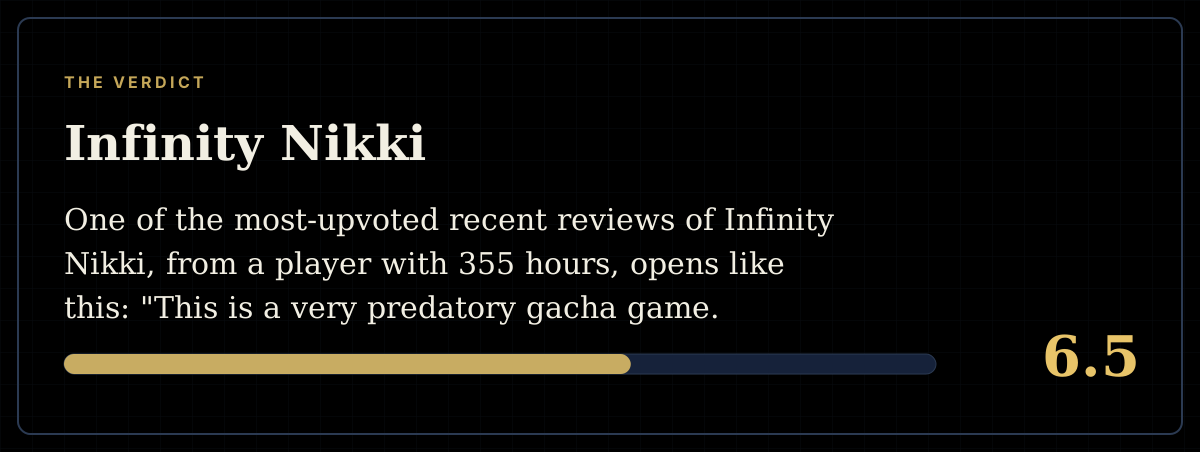
The short versionWanderer Editorial