Game review
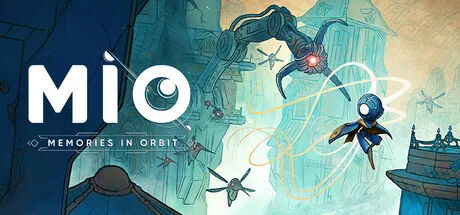
MIO: Memories in Orbit
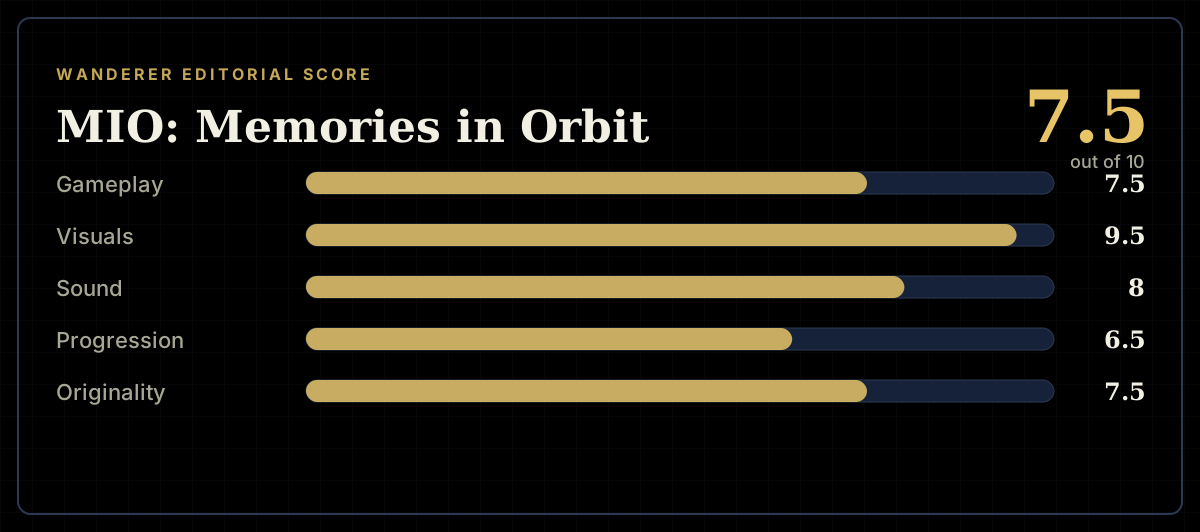
7.5 / 10
- Developer
- Douze Dixièmes
- Publisher
- Focus Entertainment
- Released
- 20 January 2026
- Platforms
- Windows
- Genre
- Metroidvania
- Monetisation
- One-time purchase, NZ$33.59. No microtransactions, no DLC.
- Players
- Single-player only
The short version
MIO: Memories in Orbit pairs a striking, widely praised painterly art style with metroidvania exploration and precision platforming, and 83.1% positive across 4,572 reviews reflects real admiration for what it looks and feels like to play. Reviewers consistently single out the visual identity as among the best the genre has produced.
The dispute that defines this game's reception centers on one specific mechanic: as the story progresses, your maximum health is permanently reduced for narrative reasons, layered on top of exploration and a mid-game zone — the Vaults — that multiple reviewers independently call the worst-designed section they've encountered in the genre. Some players describe this turning a 9-out-of-10 experience into a 4 by the end. Others, including several of the game's most-upvoted positive reviews, argue the difficulty is being overstated and that much of the backlash comes from unfair comparisons to genre leaders like Hollow Knight rather than the game's own merits.
Biggest strengths
- A distinctive, widely praised painterly art style that reviewers repeatedly call among the best the metroidvania genre has produced
- Tight, well-received precision platforming with responsive movement once its full toolkit opens up
- A committed minority of reviewers describe it as a future classic, arguing the negative reception stems from unfair genre-leader comparisons rather than the game's own execution
Biggest weaknesses
- A permanent, story-driven max-health-loss mechanic draws detailed, repeated criticism for punishing exploration rather than rewarding it, with several reviewers describing it as the specific point their opinion of the game soured
- The "Vaults" zone in particular is independently singled out by multiple reviewers as the worst-designed section they've experienced in any metroidvania
- Early combat is described as shallow, with basic three-hit combos and delayed access to core mobility tools like a dash
Who it's for: Metroidvania fans drawn specifically to precision platforming and a genuinely distinctive art style, who are prepared for a story-driven difficulty mechanic that deliberately works against you rather than for you. Less suited to players who want combat and exploration upgrades to compound in the traditional genre sense.
Our recommendation: Try it for the art and platforming if the premise appeals, but read up on the permanent-health-loss mechanic before you commit — knowing it's coming, and that the Vaults section is widely regarded as the game's roughest patch, will help you judge for yourself whether it's a meaningful narrative device or an unwelcome difficulty spike, since the community itself is genuinely split on which it is.
7.5 / 10
Few games in this library have a design disagreement this specific and this evenly argued. MIO: Memories in Orbit's reviews aren't split on whether it's beautiful — nearly everyone agrees it is — they're split on one deliberate mechanic, and both sides make their case with real detail.
The visuals nobody disputes
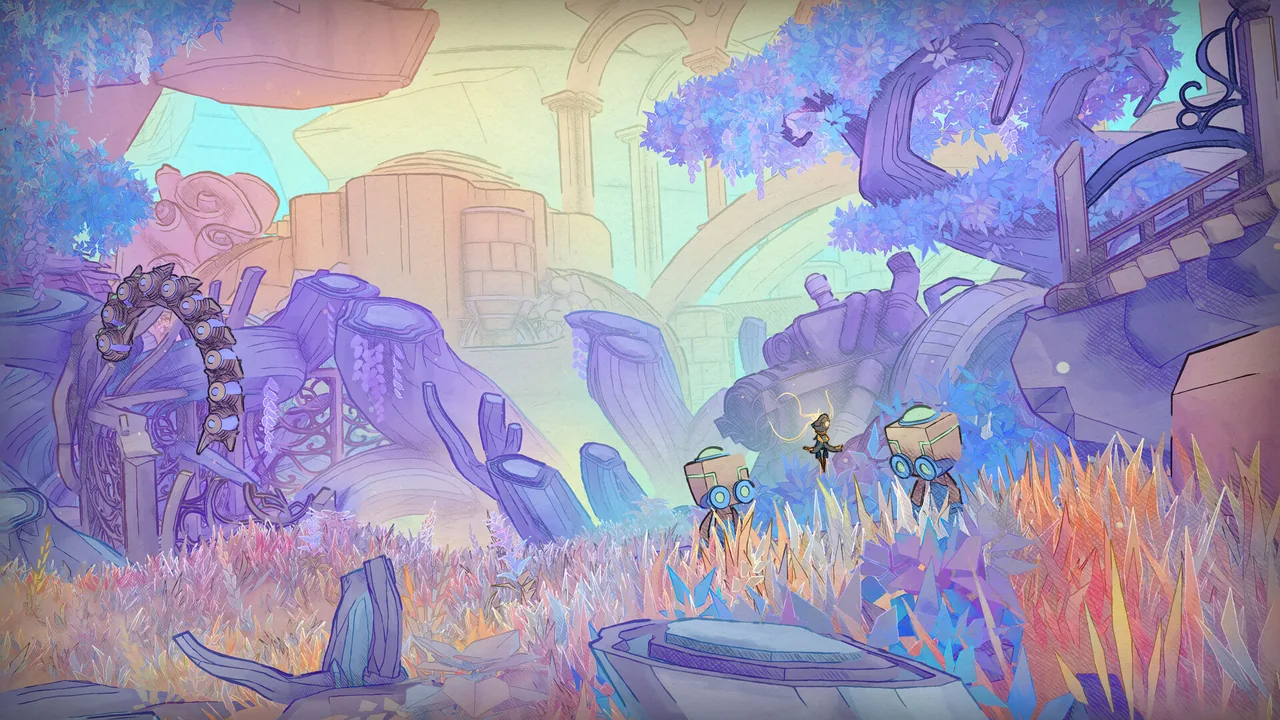
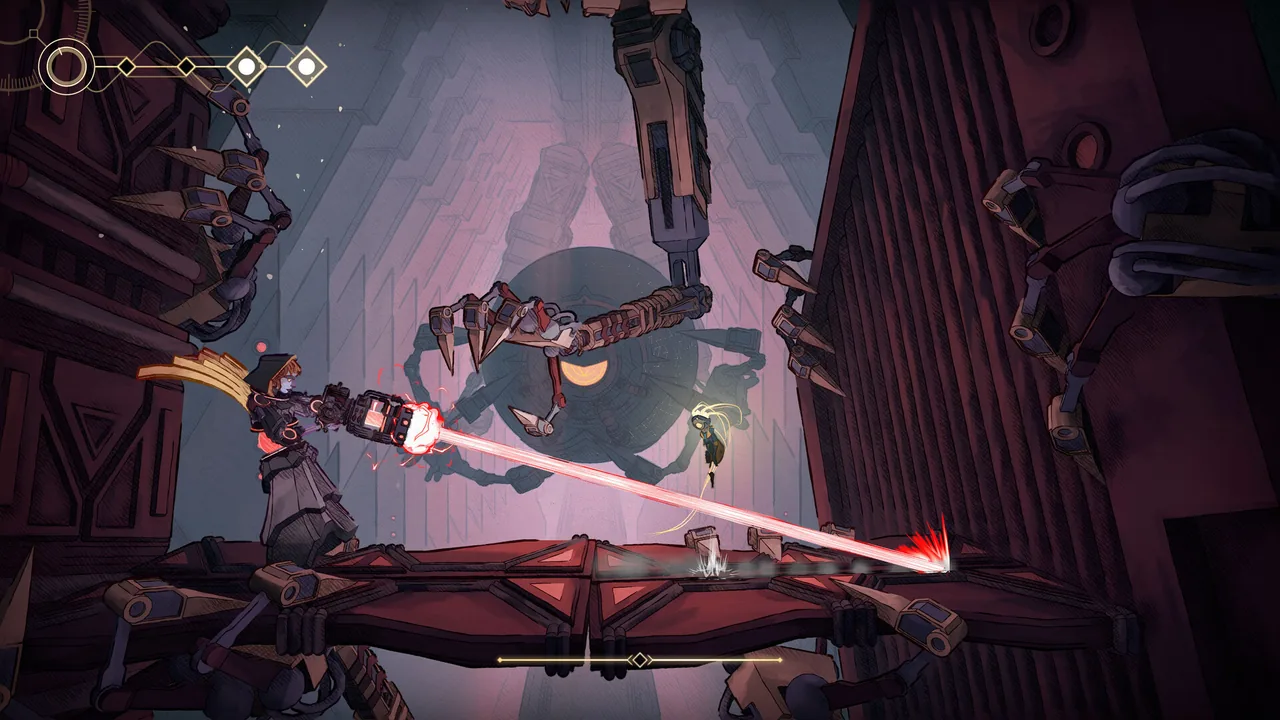
Across the entire review sample, positive and negative alike, one thing goes essentially unchallenged: this is a gorgeous game. Reviewers consistently call its hand-painted style among the best the metroidvania genre has produced, and even the most frustrated negative reviews open by praising the art before getting to their complaints. The platforming, once its full toolkit opens up, draws similar praise for responsiveness and precision.
The mechanic that splits the room
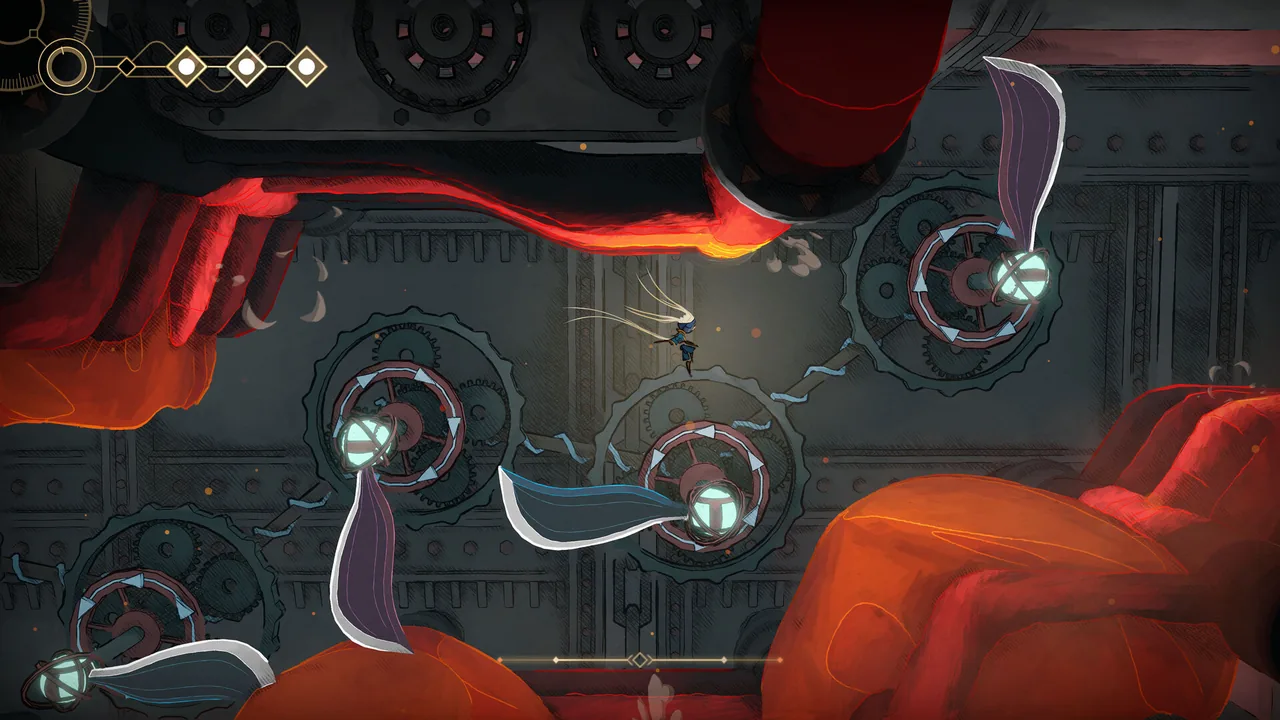
Here's the specific design choice at the center of nearly every substantive negative review: as MIO progresses, your maximum health is permanently reduced for narrative reasons — a story-driven punishment mechanic layered on top of exploration rather than a reward for it. "As the game progresses you constantly lose max health for 'plot reasons,'" one reviewer writes. "Instead of exploration being meaningful and interesting, the game deliberately punishes you for it instead." Another, more vividly, compares the experience to being served a five-course dinner only to watch the chef throw each course in the trash one by one — a review that went, in their words, "from a 9 all the way down to a 4/10 by the end." A specific zone, the Vaults, comes up independently across multiple reviews as the worst-designed section they've encountered in any metroidvania, with the permanent health loss compounding exactly when the platforming challenge peaks.
The other side of this argument is just as detailed, and it's worth taking seriously rather than treating the negative reviews as the final word. One of the most-upvoted positive reviews addresses the criticism directly: "most of the negative reviews here come down to one thing: expectations," arguing that genre comparisons to Hollow Knight have set an unfair bar the game was never trying to clear on those exact terms. Another reviewer, with 34 hours logged, pushes back specifically on the "punishing" framing: "I don't find it nearly as punishing as most reviews are stating. The boss fights have very clear tells and plenty of time to react." A third predicts the game will be remembered as "misunderstood at release" and go on to be seen as a classic — a strong claim, but one made after finishing the game 100% rather than bouncing off it early.
Reading the completion data
The achievement curve shows a real drop-off consistent with the difficulty debate. Early milestones — reaching the hub, unlocking the first dash — sit between 70% and 75%, meaning most buyers get a solid start. Completion-focused achievements, tied to collecting every shield and module, fall to around 10-13%, a meaningfully steeper drop than many metroidvanias in this library, which fits the pattern of a game whose back half loses a real share of its audience to the exact mechanic its critics describe.
7.5 out of 10. MIO: Memories in Orbit earns real praise for its distinctive art and precise platforming, and it deserves credit for taking a genuine design risk with its health-loss mechanic rather than playing it safe. It's held below the top tier because that risk clearly didn't land for a substantial, detailed, and articulate share of its players — not a vague dissatisfaction, but a specific complaint about exploration being punished rather than rewarded, concentrated in one widely-flagged zone. Whether that's a bold narrative choice or a genuine design misstep is something this review's own sources can't fully settle, and it's worth forming your own opinion on rather than taking either side's word for it.
Pros and cons
Pros
- A distinctive, widely praised painterly art style that reviewers repeatedly call among the best the metroidvania genre has produced
- Tight, well-received precision platforming with responsive movement once its full toolkit opens up
- A committed minority of reviewers describe it as a future classic, arguing the negative reception stems from unfair genre-leader comparisons rather than the game's own execution
- Boss fights are described by several reviewers as fair and well-telegraphed despite high health pools, rewarding pattern recognition
Cons
- A permanent, story-driven max-health-loss mechanic draws detailed, repeated criticism for punishing exploration rather than rewarding it, with several reviewers describing it as the specific point their opinion of the game soured
- The "Vaults" zone in particular is independently singled out by multiple reviewers as the worst-designed section they've experienced in any metroidvania
- Early combat is described as shallow, with basic three-hit combos and delayed access to core mobility tools like a dash
- Some reviewers argue the game plays closer to a precision platformer with light exploration than a traditional metroidvania, which may not match expectations set by its genre labeling
Screenshots
-
MIO: Memories in OrbitImage: Focus Entertainment via Steam -
MIO: Memories in OrbitImage: Focus Entertainment via Steam -
MIO: Memories in OrbitImage: Focus Entertainment via Steam -
How the review scores each part of the gameWanderer Editorial -
The short versionWanderer Editorial