Game review
Another Crusade
6.5 / 10
- Developer
- Dragon Vein Studios
- Publisher
- Dragon Vein Studios
- Released
- 14 September 2023
- Platforms
- Windows
- Genre
- Timed-Hit Turn-Based RPG
- Monetisation
- One-time premium purchase; no ads, DLC or in-game store found
- Players
- Single-player only; no online, co-op or PvP modes
The short version
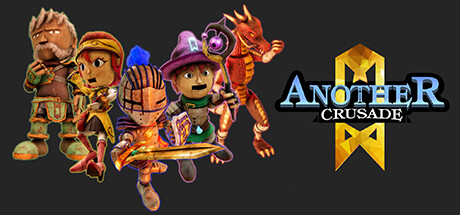
Another Crusade wears its inspiration openly: timed-hit attacks and defenses straight out of Super Mario RPG, wrapped in a genuinely distinctive 3D wooden-puppet art style and a story that starts familiar before charting its own course. Fans of that lineage describe it as a "harder Super Mario RPG" built for players who grew up on the format and want a real, demanding test of timing rather than the comparatively gentle original — one reviewer, updating their take years later, calls it "SMRPG's Claire Obscur" for how much more it asks of players.
That same difficulty is the game's most consistent point of division. A meaningful share of reviewers describe QTE timing windows tight enough, even on Normal, to turn combat into pure reflex-testing rather than strategic decision-making, compounded by enemies that hit harder and act faster than the player from early on. A developer-added Easy mode softened this for some, though at least one reviewer reports still finding it too demanding. A separate, near-universal complaint — the total absence of an in-game map — recurs across both admirers and detractors alike.
Biggest strengths
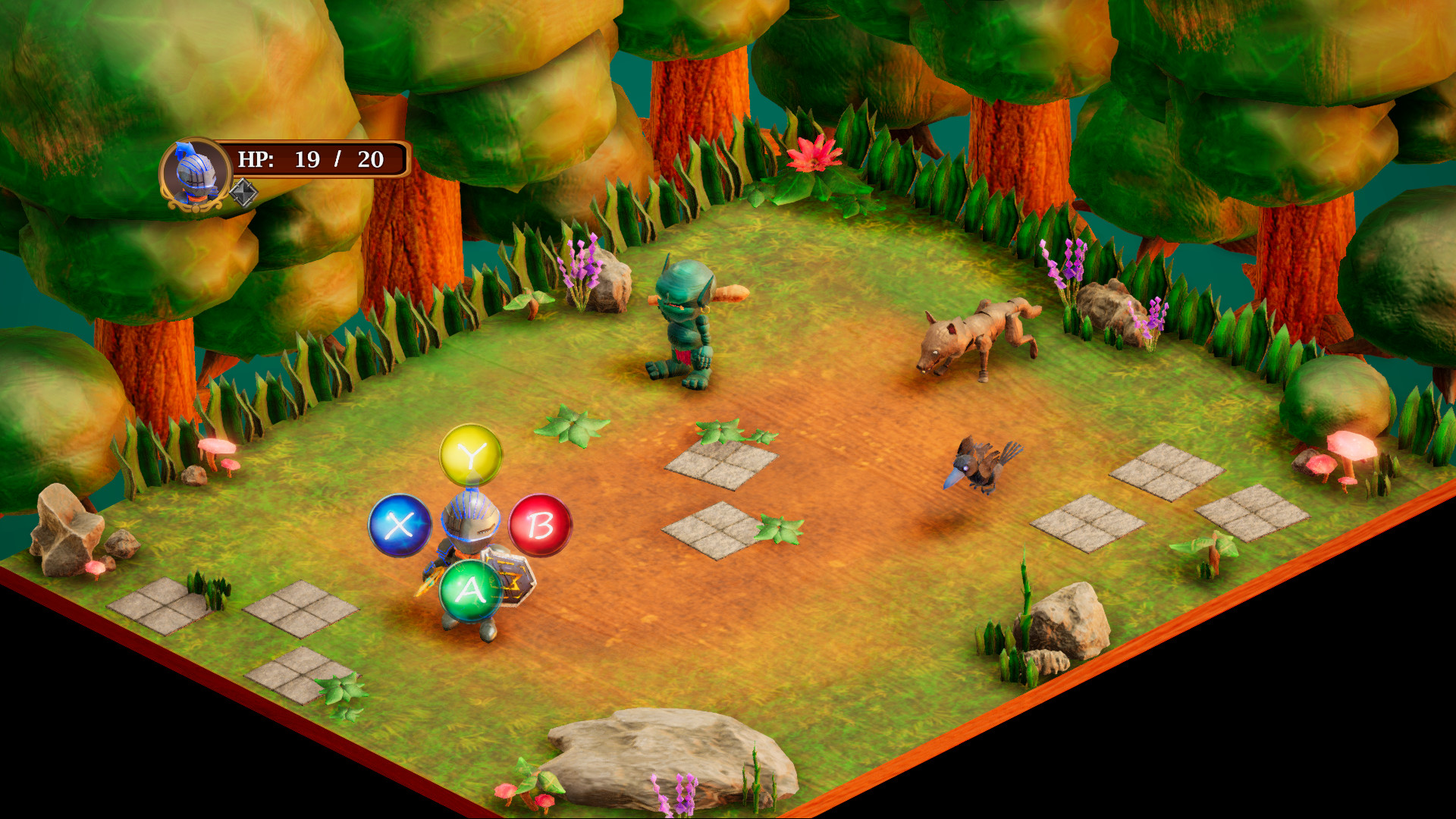
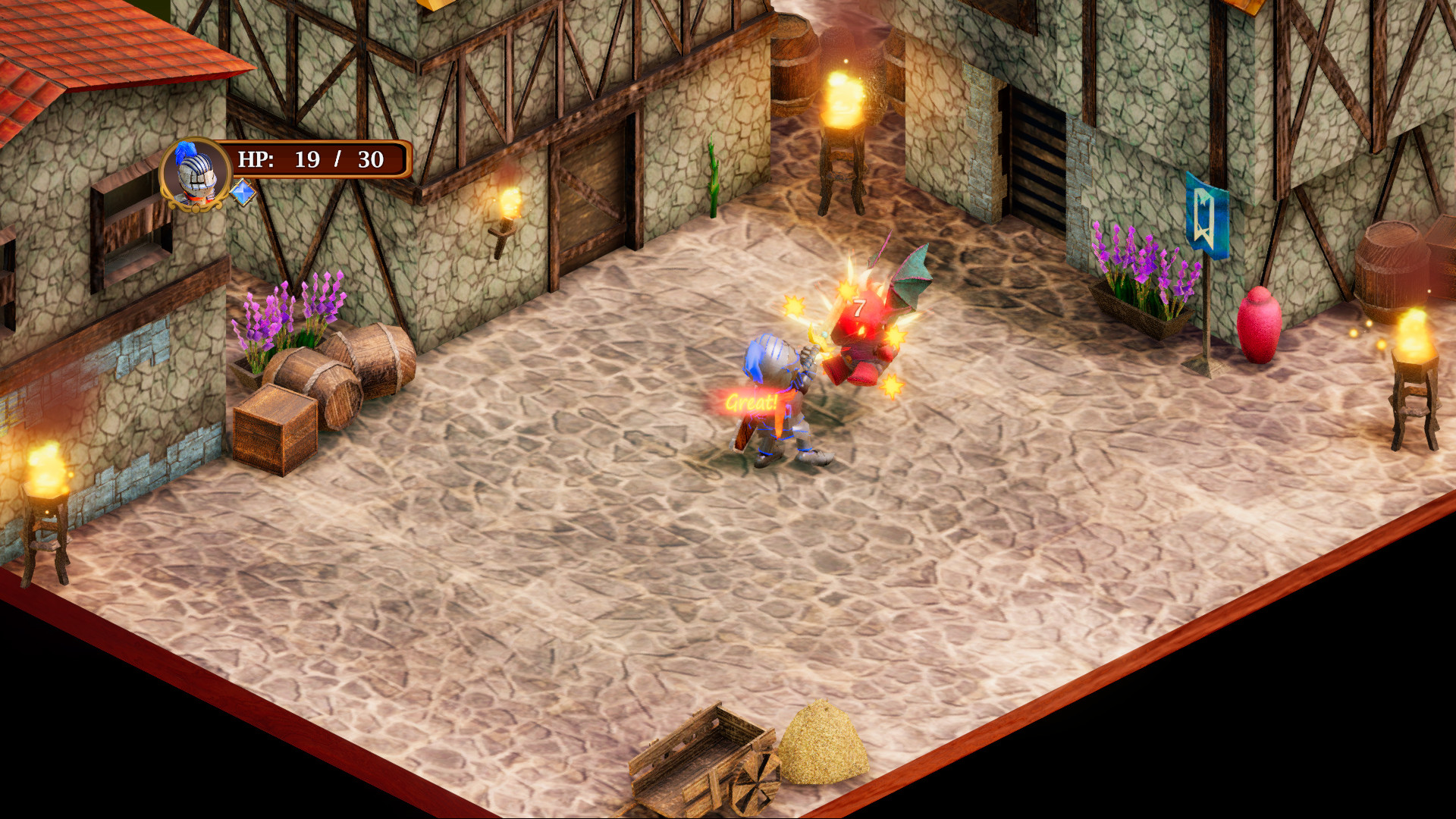
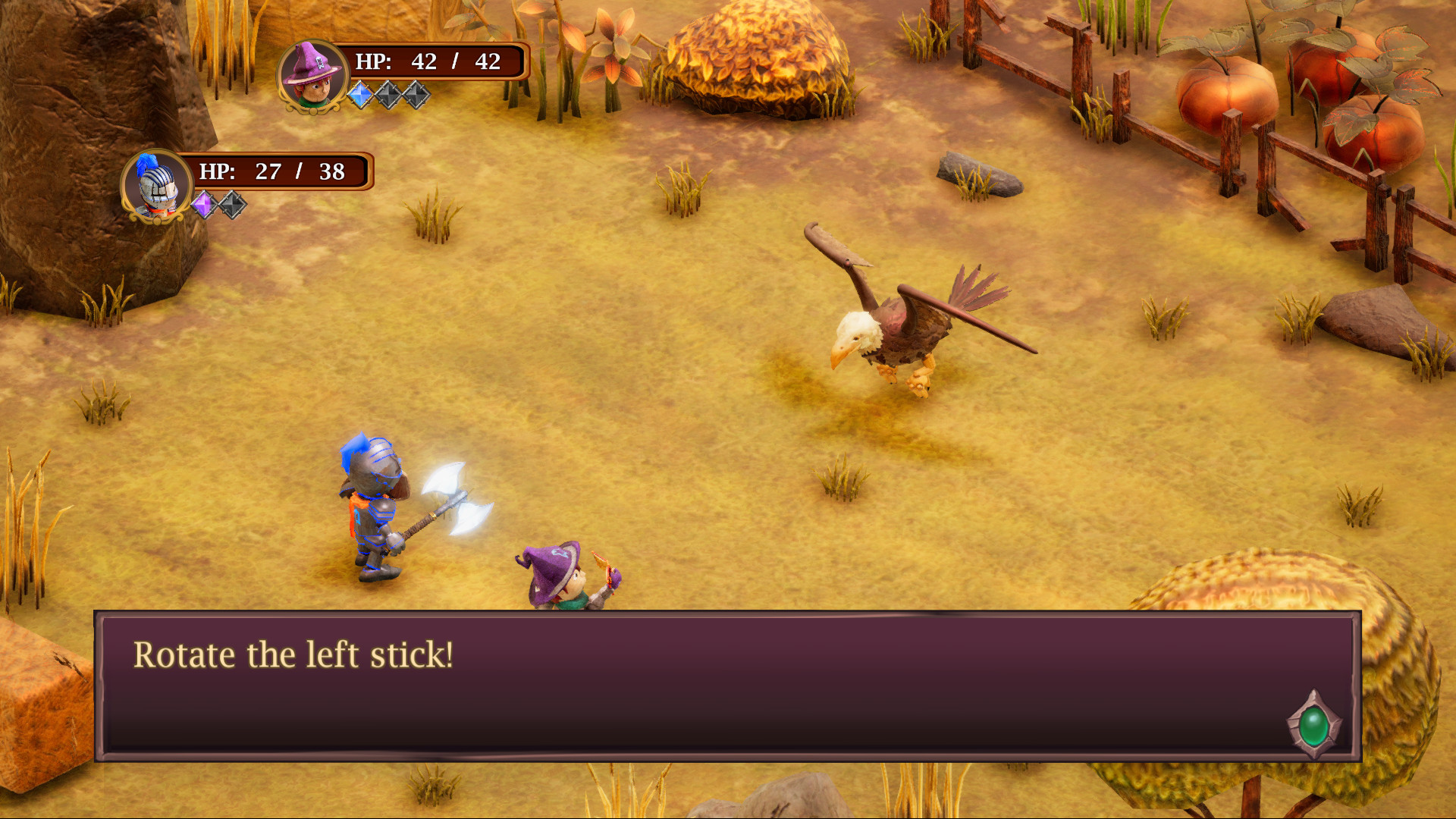
- A genuinely distinctive 3D wooden-puppet art style that reviewers consistently praise as charming and visually unlike most turn-based RPGs on the market
- A committed, well-executed timed-hit combat system that reviewers say captures and expands on what made Super Mario RPG's action commands satisfying, rather than simply imitating them
- A story that begins in familiar territory before diverging into its own narrative direction, which reviewers who expected a straight homage describe as a pleasant surprise
Biggest weaknesses
- QTE timing windows are described by a substantial share of reviewers as unforgivingly tight even on Normal difficulty, turning encounters into a test of consistent reflexes more than strategic decision-making
- Enemies are reported to act faster and hit significantly harder than the player from early in the game, layering status effects on top by the third area, which some reviewers feel replaces genuine challenge with attrition
- Combat is described by multiple reviewers as settling into a repetitive "attack, heal, repeat" pattern regardless of enemy type, with constant healing management becoming a chore rather than a meaningful decision
Who it's for: Super Mario RPG fans specifically looking for a harder, more demanding successor built around the same timed-hit combat philosophy. Less suited to anyone wanting a relaxed pace, deep tactical variety beyond execution, or clear in-game navigation.
Our recommendation: Worth it for SMRPG devotees chasing a real challenge, but be honest with yourself about your tolerance for tight timing windows and getting lost without a map before buying at full price.
6.5 / 10
Super Mario RPG casts a long shadow over the timed-hit turn-based subgenre, and Another Crusade doesn't try to hide from it — it leans directly into that lineage, then pushes the difficulty considerably further than its inspiration ever did. Reviewers who grew up on the format describe it as the harder successor they didn't know they wanted, wrapped in a genuinely distinctive 3D wooden-puppet aesthetic that sets it apart visually from most turn-based RPGs on the market.
A committed homage that earns its comparisons
The combat system asks players to time button presses for both attacks and defenses, exactly the mechanic that made Super Mario RPG's action commands feel distinctive decades ago, and reviewers credit Another Crusade with genuinely expanding on that idea rather than simply copying it — one detailed review specifically calls the timed-hit system "a wonderful means of adding engagement to turn-based RPGs," noting how few other titles outside Paper Mario had picked up the format at the time of this game's announcement. The story opens in territory familiar to anyone who knows its inspiration, but reviewers who stuck with it describe a genuine divergence into its own narrative direction, which several call a pleasant surprise rather than a disappointing bait-and-switch. Music draws separate, consistent praise, with more than one reviewer specifically comparing its style to SMRPG composer Yoko Shimomura's work.
A difficulty that divides its own fanbase
Where reviewers split sharply is on execution. A substantial share describe the timed-hit windows as unforgivingly tight even on Normal difficulty, with enemies that act faster and hit significantly harder than the player from early in the game, compounding with status effects by the third area. One detailed critical review frames the resulting loop bluntly: rather than the game itself being challenging in a strategic sense, "it completely relies on your ability to get down the timing of attacking and defending or else you'll be met with the Game Over screen over and over and over." A related complaint concerns combat variety over the course of a full playthrough — several reviewers describe settling into a repetitive "attack, heal, repeat" pattern regardless of enemy type, with constant healing management becoming a chore that undercuts what should be a skill-testing combat system.
To the developer's credit, this feedback was addressed quickly: a patch released less than two weeks after launch added a dedicated Easy mode, adjusting both timing windows and damage output for players who wanted the story and combat without the same reflex demands. Reviewer reaction to that addition is itself mixed — several describe it as a welcome, well-executed option that widened the game's audience meaningfully, while at least one reviewer reports still finding even Easy mode too demanding for their taste. That same early patch also addressed a more universally-appreciated complaint directly: item loss after a game over, ensuring players retain their last-held items rather than losing them to a failed encounter, a real softening of the game's punishing edges.
A map that never arrived
Set apart from the difficulty debate entirely is one complaint that recurs across both admirers and detractors with unusual consistency: Another Crusade has no in-game map. Reviewers describe genuine confusion about where to go next, with at least one detailed account explicitly asking for a "map with item locations on it" as a fix that would change their overall opinion of the game. This is a rare point of near-total agreement in an otherwise divided review sample, and unlike the difficulty complaints, it isn't a matter of taste or skill — it's a navigational aid missing from a game with real exploration and secrets worth finding, and one that the two logged patches since launch don't appear to have addressed.
What the achievement data confirms
Global achievement figures back up the shape of a steep, front-loaded difficulty curve, though the achievement list itself offers little descriptive detail to work with — all twelve are labelled generically (LOGRO_01 through LOGRO_12, Spanish for "achievement"), suggesting placeholder or unlocalized naming that never got a final pass. Even so, completion percentages cluster low across the board, roughly 6.7% to 15.5% of the playerbase, which is consistent with reviewer accounts of a game that loses a real share of players to its difficulty well before the credits roll rather than gradually tapering off toward the end. That pattern lines up with the QTE and enemy-scaling complaints above more than it contradicts them, even without named milestones to map specific story beats against.
Beyond combat, reviewers do credit the game's 3D platforming and exploration segments as a genuine change of pace rather than filler between fights, with hidden areas and optional secrets rewarding players willing to poke around outside the critical path — the same exploration, though, is exactly where the missing map complaint bites hardest, since finding those secrets relies entirely on manual memory of a 3D space with no persistent record of where a player has already been.
Where it lands
Another Crusade succeeds at what it sets out to do for the audience it's built for: a genuine, demanding evolution of Super Mario RPG's timed-hit combat, wrapped in real visual and musical identity that stands apart from typical genre entries. Its difficulty is a legitimate and deliberate design choice that a meaningful share of players will find rewarding and another share will find punishing regardless of the Easy mode option, and the persistent lack of a map is a fair, specific complaint that doesn't require taking a side in that difficulty debate to raise. For SMRPG devotees looking for exactly the harder challenge this promises, it delivers; for anyone else, the demands on precise execution are worth trying via reviews or footage before committing at full price.
Pros and cons
Pros
- A genuinely distinctive 3D wooden-puppet art style that reviewers consistently praise as charming and visually unlike most turn-based RPGs on the market
- A committed, well-executed timed-hit combat system that reviewers say captures and expands on what made Super Mario RPG's action commands satisfying, rather than simply imitating them
- A story that begins in familiar territory before diverging into its own narrative direction, which reviewers who expected a straight homage describe as a pleasant surprise
- Strong, well-received music that multiple reviewers specifically compare to SMRPG composer Yoko Shimomura's style
- A real, responsive early patch cycle that added a dedicated Easy mode, item retention after a game over, and specific platforming quality-of-life fixes within two weeks of launch
Cons
- QTE timing windows are described by a substantial share of reviewers as unforgivingly tight even on Normal difficulty, turning encounters into a test of consistent reflexes more than strategic decision-making
- Enemies are reported to act faster and hit significantly harder than the player from early in the game, layering status effects on top by the third area, which some reviewers feel replaces genuine challenge with attrition
- Combat is described by multiple reviewers as settling into a repetitive "attack, heal, repeat" pattern regardless of enemy type, with constant healing management becoming a chore rather than a meaningful decision
- There is no in-game map, a complaint that recurs across both positive and negative reviews alike, with several players reporting genuine confusion about where to go next
- The story opens with minimal exposition and a largely silent protagonist already established as a renowned warrior, which at least one reviewer found jarring and unmotivating in the opening hours before the plot develops further
Screenshots
-
Another CrusadeImage: Dragon Vein Studios via Steam -
Another CrusadeImage: Dragon Vein Studios via Steam -
Another CrusadeImage: Dragon Vein Studios via Steam -
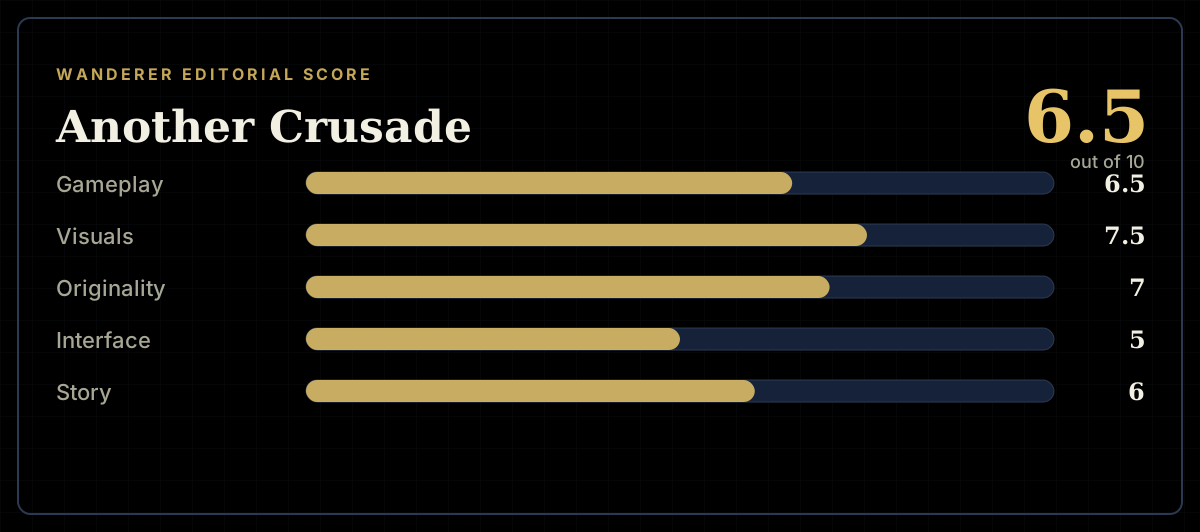
How the review scores each part of the gameWanderer Editorial -
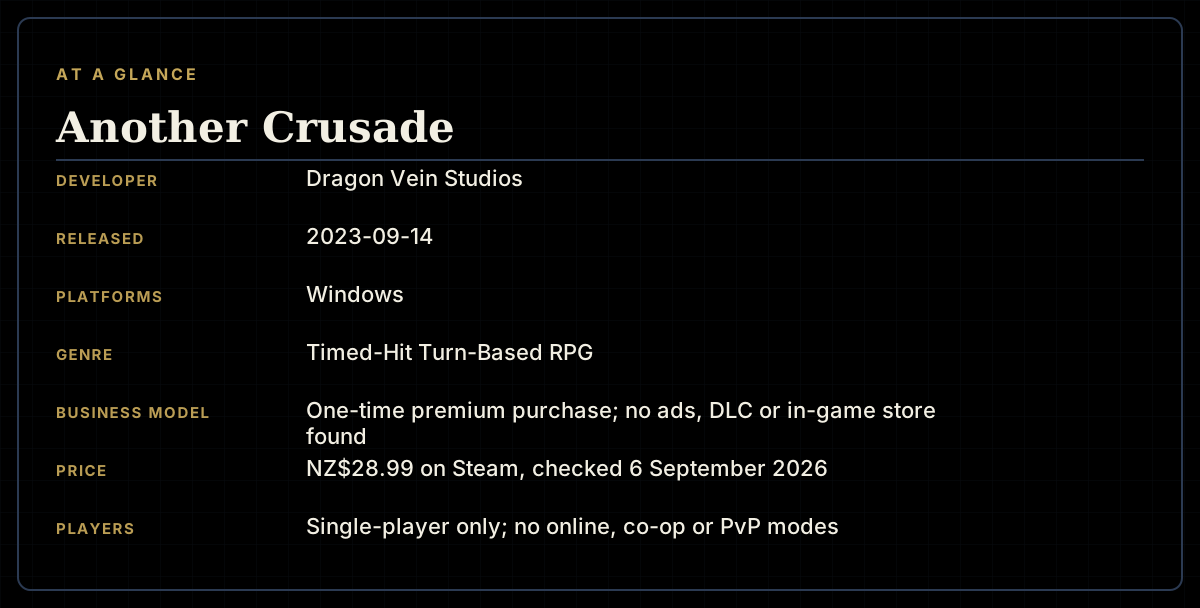
The specsWanderer Editorial -
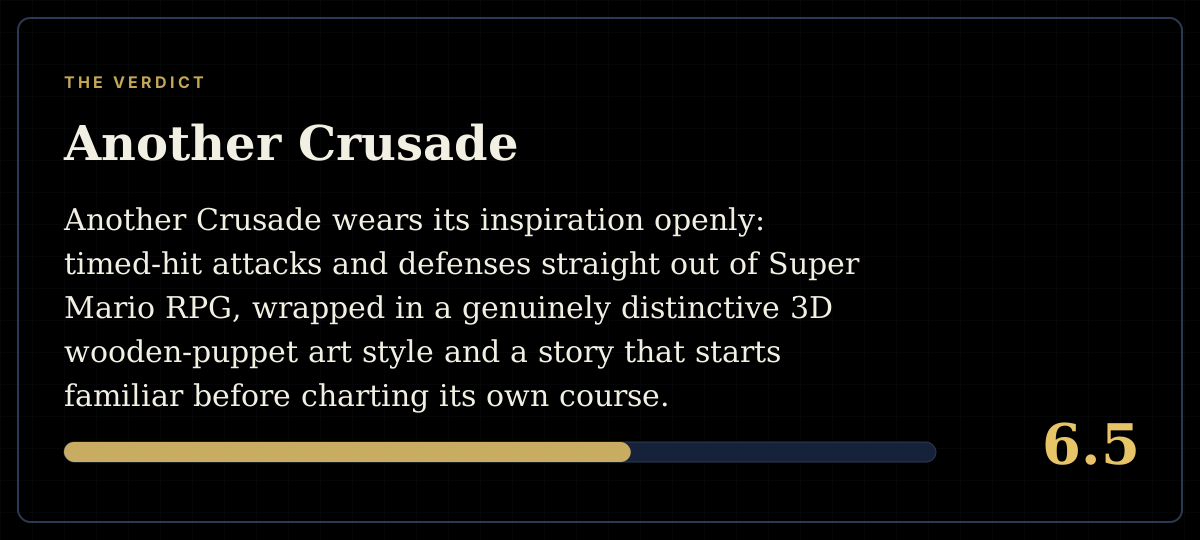
The short versionWanderer Editorial