
Game review
Bug Fables: The Everlasting Sapling
8.5 / 10
- Developer
- Moonsprout Games
- Publisher
- DANGEN Entertainment
- Released
- 28 November 2019
- Platforms
- Windows, macOS
- Genre
- Turn-Based RPG
- Monetisation
- Premium, one-off purchase — no in-game purchases
- Players
- Single-player
The short version
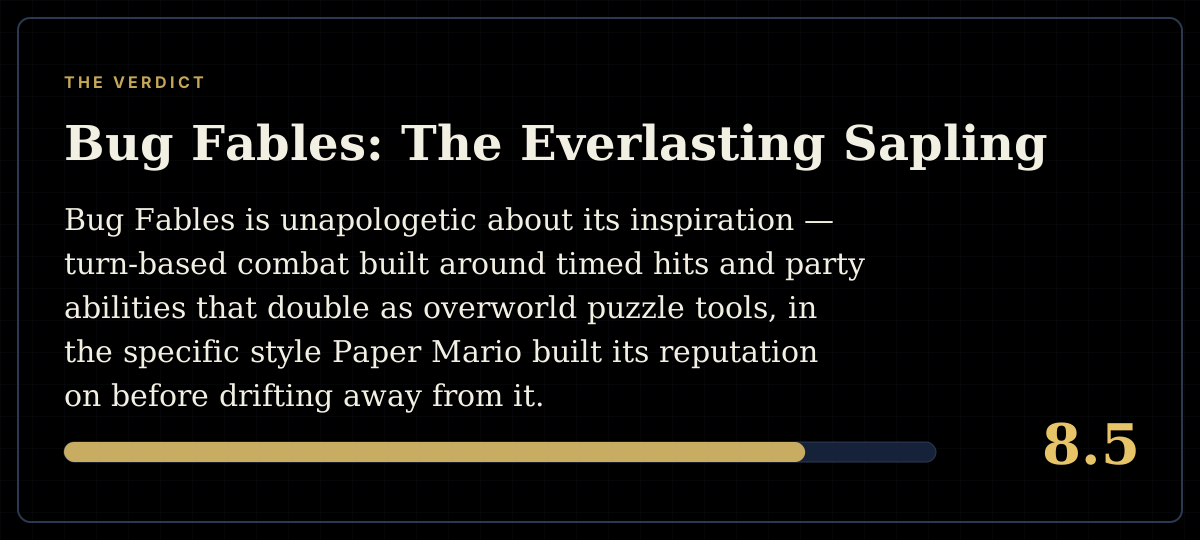
Bug Fables is unapologetic about its inspiration — turn-based combat built around timed hits and party abilities that double as overworld puzzle tools, in the specific style Paper Mario built its reputation on before drifting away from it. A remarkably large share of its own reviewers frame that directly: this is the Paper Mario game Nintendo stopped making, built instead by a small independent studio, and it's rare to find a game this openly derivative praised this consistently for actually earning the comparison.
The small handful of genuine complaints are specific rather than vague: a TP resource system some find too slow to recharge by modern standards, a harsh experience-point falloff that punishes deliberate grinding, and boss encounters that can demand heavy investment in consumables and badge-point spending to clear comfortably.
Biggest strengths
- Turn-based combat built around timed hits and party abilities that double as environmental puzzle tools, executed with real polish and confidence
- Charming, well-written characters and world-building that give the "Paper Mario successor" framing real substance rather than surface imitation
- Extensive side content and collectibles reward thorough exploration without feeling mandatory
Biggest weaknesses
- The TP (ability point) resource system regenerates slowly by modern RPG standards, which some reviewers find restricts skill and magic use more than the genre's better-paced alternatives
- A harsh experience-point falloff discourages deliberate grinding, capping gains per fight rather than per kill in a way some find punishing
- Certain boss encounters can demand significant investment in consumable items and badge-point spending to clear comfortably, adding real cost to underprepared attempts
Who it's for: Turn-based RPG fans, especially anyone who grew up on Paper Mario 64 and The Thousand- Year Door and wanted more of exactly that style of combat and puzzle-solving.
Our recommendation: An easy buy for genre fans, and one of the strongest recommendations in this session's coverage. The handful of real complaints are specific old-school JRPG design choices rather than broad flaws, and worth knowing about without discouraging the purchase.
8.5 / 10
A striking number of Bug Fables' own reviewers open with some version of the same joke: close your eyes, imagine a good Paper Mario game released in the 2019-2020 era, and note that Nintendo apparently couldn't. Bug Fables' answer, built by a small independent studio instead, leans fully into that comparison rather than hiding from it — and the reason it's earned such a consistently glowing reception is that it backs the comparison up with real, well-executed systems rather than surface-level nostalgia.
Combat and puzzles built from the same toolkit
The genre this game revives centres on turn-based combat with timed hits — a well-executed attack or block rewards precision over simple menu selection — paired with a small party whose abilities double as tools for overworld puzzles and exploration. That dual-purpose design, where the same skills you use in a fight also open new paths through the world, is the specific thing Bug Fables' reviewers most consistently praise, and it's executed here with real confidence rather than a rough approximation. Charming writing and a distinctly bug-themed world give the whole package genuine identity rather than a straight reskin, even as the underlying systems remain unashamedly familiar.
A remarkably narrow set of real complaints
Given the volume of reviews Bug Fables has accumulated, its negative-review pool is unusually small and specific rather than broad. The handful of genuine complaints centre on a few particular, old-school JRPG design choices: a TP resource system that some reviewers find recharges too slowly by modern standards, restricting how freely you can lean on party abilities and magic; a harsh experience-point falloff that caps gains per fight rather than per kill, discouraging deliberate grinding in a way some find punishing; and certain boss encounters that demand real investment in consumable items and badge-point spending to clear comfortably, adding genuine cost to underprepared attempts. None of these complaints challenge the game's core design — they're specific mechanical friction points rather than a rejection of what Bug Fables is trying to do.
Final verdict
Bug Fables earns an unusually clean, consistent recommendation by committing fully to a beloved formula and executing it with real craft rather than nostalgia alone. It settles at 8.5 rather than a perfect score only because of a handful of specific, old-school design choices — slow TP regeneration, a harsh grinding penalty, costly boss preparation — that a small but genuine share of reviewers flag clearly. For turn-based RPG fans who remember what made Paper Mario's earliest entries special, this is about as close as anything has come to recapturing it.
Price and review data checked 5 August 2026.
If you'd rather your RPG's puzzle-solving abilities carried over into a persistent world you return to daily, Wanderer takes that same idea in a more ongoing direction.
Pros and cons
Pros
- Turn-based combat built around timed hits and party abilities that double as environmental puzzle tools, executed with real polish and confidence
- Charming, well-written characters and world-building that give the "Paper Mario successor" framing real substance rather than surface imitation
- Extensive side content and collectibles reward thorough exploration without feeling mandatory
- Consistently rated among the strongest independent turn-based RPGs of its era, with an unusually small and specific negative-review pool for a game this widely played
Cons
- The TP (ability point) resource system regenerates slowly by modern RPG standards, which some reviewers find restricts skill and magic use more than the genre's better-paced alternatives
- A harsh experience-point falloff discourages deliberate grinding, capping gains per fight rather than per kill in a way some find punishing
- Certain boss encounters can demand significant investment in consumable items and badge-point spending to clear comfortably, adding real cost to underprepared attempts
- Openly and heavily derivative of Paper Mario's specific systems, which some reviewers note outright even while recommending the game highly
Screenshots
-
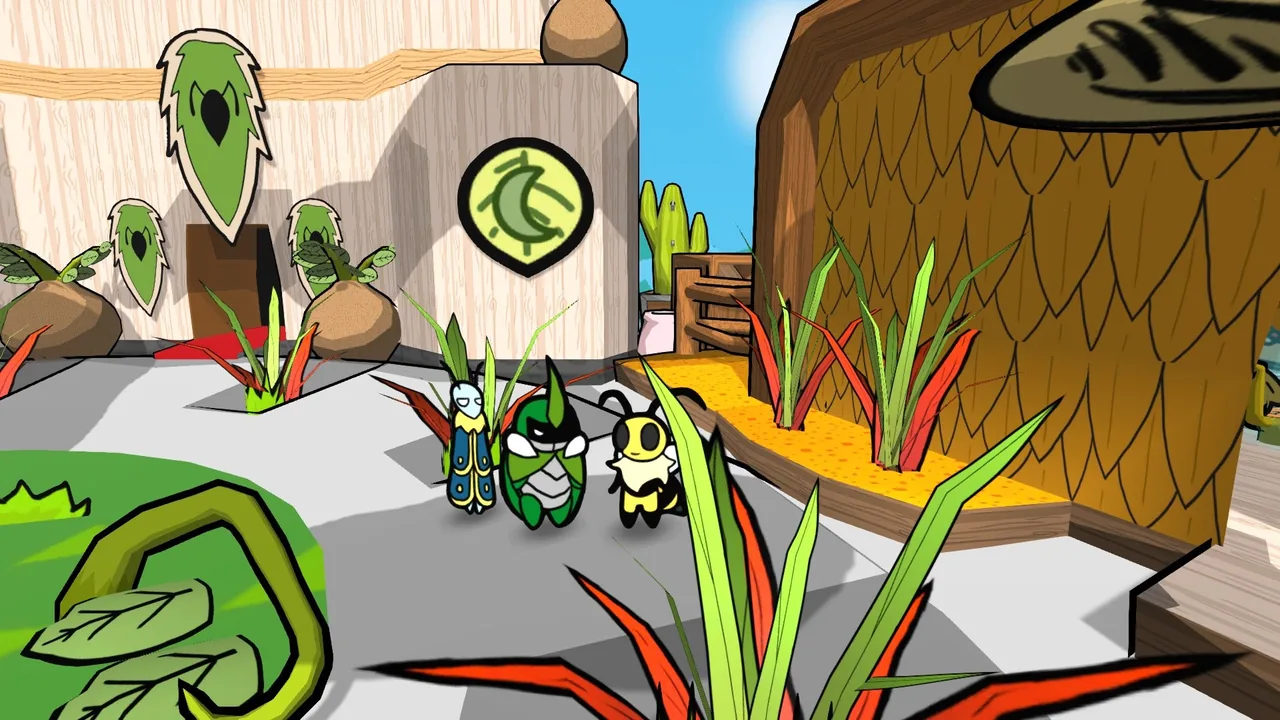
Bug Fables: The Everlasting SaplingImage: DANGEN Entertainment via Steam -
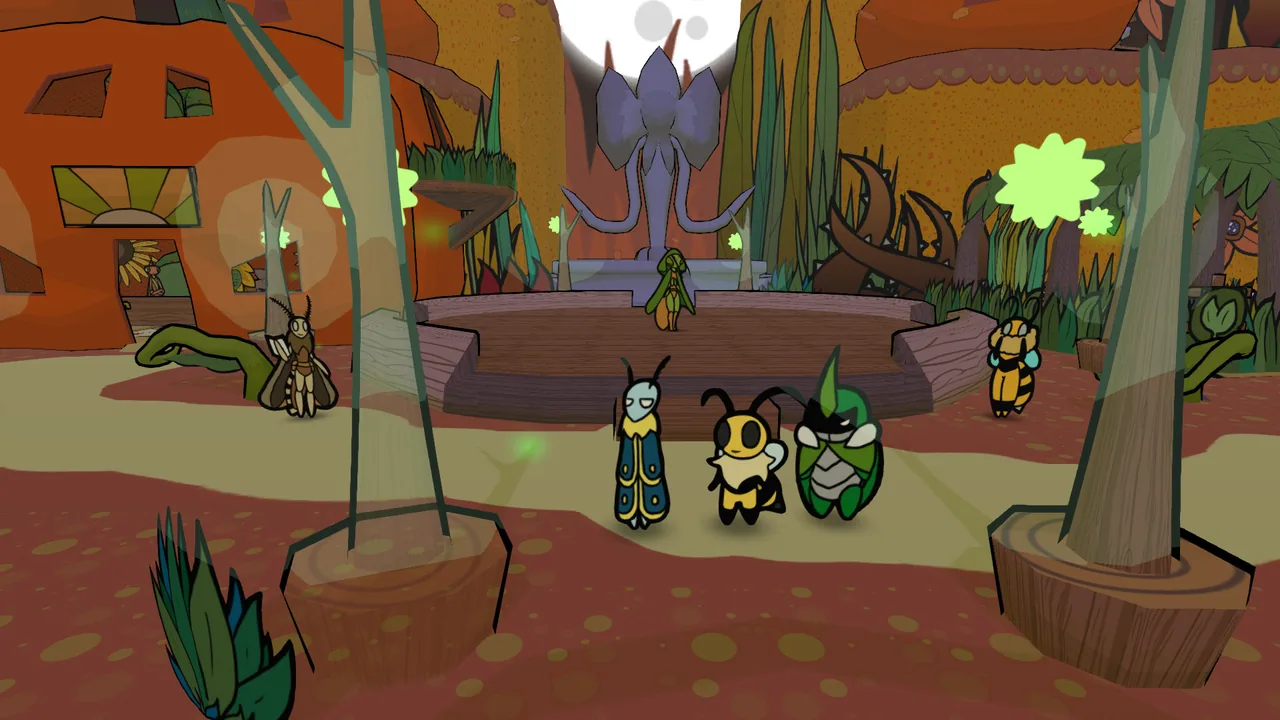
Bug Fables: The Everlasting SaplingImage: DANGEN Entertainment via Steam -
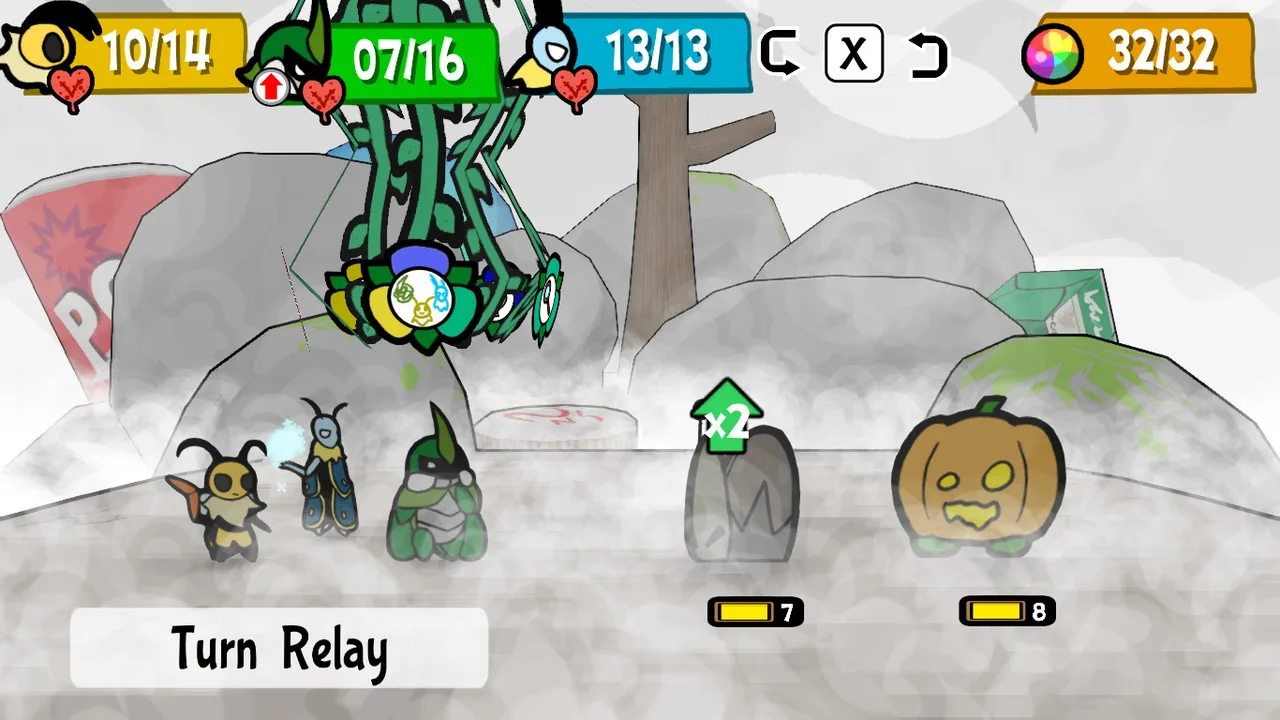
Bug Fables: The Everlasting SaplingImage: DANGEN Entertainment via Steam -
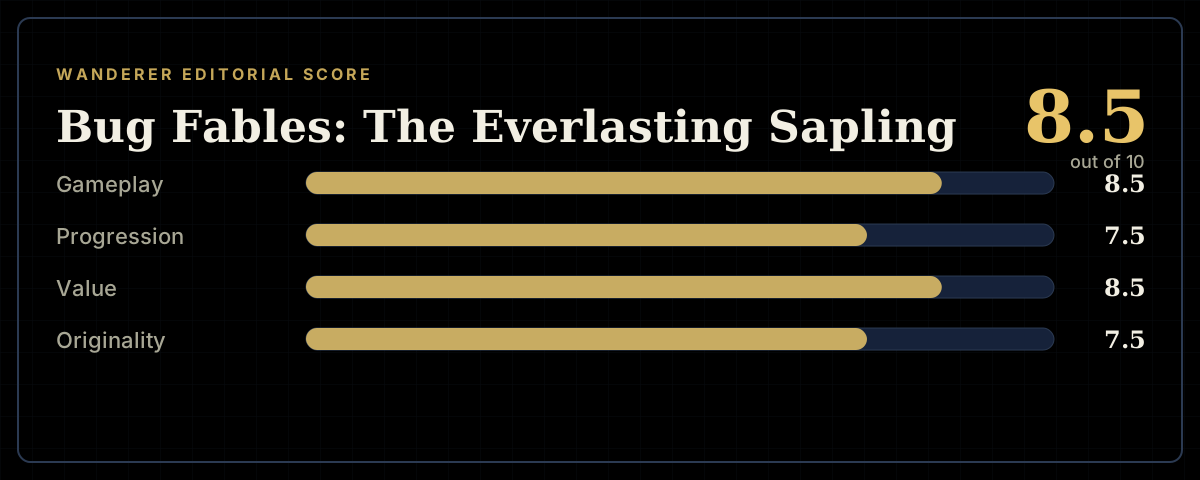
How the review scores each part of the gameWanderer Editorial -
The short versionWanderer Editorial