Game review
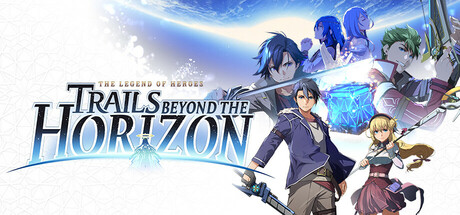
The Legend of Heroes: Trails beyond the Horizon
6.5 / 10
- Developer
- Nihon Falcom
- Publisher
- NIS America, Inc.
- Released
- 15 January 2026
- Platforms
- Windows
- Genre
- Action, Adventure, RPG
- Monetisation
- One-time purchase, with a separate season pass/DLC policy
- Players
- Single-player
The short version
The Legend of Heroes: Trails beyond the Horizon, released 15 January 2026 by Nihon Falcom and published by NIS America, is the 13th mainline entry in the long-running Trails (Kiseki) JRPG series and the conclusion of its most recent Calvard arc. It sits Very Positive with a strong sample of 697 reviews, and reading widely through it reveals a release whose reception splits along a genuinely interesting fault line: not newcomers versus fans, since nearly every reviewer explicitly warns this is absolutely not a starting point for the thirteen-game series, but longtime veteran fans against other longtime veteran fans. On the technical side, this review found near-universal, detailed praise for the PC port itself, widely credited to porting studio PH3 and developer Durante, with reviewers consistently calling it one of the best-optimised releases the series has had. On the narrative side, the picture is far more contested: a large number of deeply invested, longtime series veterans report the pacing as bloated with filler and the writing as a genuine step down, with some stating this entry has broken their confidence in the series' direction, while an equally deeply invested group of veterans call it a career-best culmination of over a decade of accumulated worldbuilding. Separately, this review found specific, concrete complaints about removed anti-aliasing options present in the prior two entries, contested localisation quality compared to the original Japanese script, and the notable absence of romance options some longtime fans specifically missed from earlier games in the same arc.
Biggest strengths
- The PC port itself draws near-universal, detailed technical praise, with reviewers consistently crediting porting studio PH3 and developer Durante for delivering one of the best-optimised, most polished releases in the series' history, running well even on Steam Deck
- A significant number of deeply invested longtime fans describe this entry as a genuine culmination of over a decade of accumulated worldbuilding, specifically praising how storylines and character arcs seeded across multiple prior games finally pay off
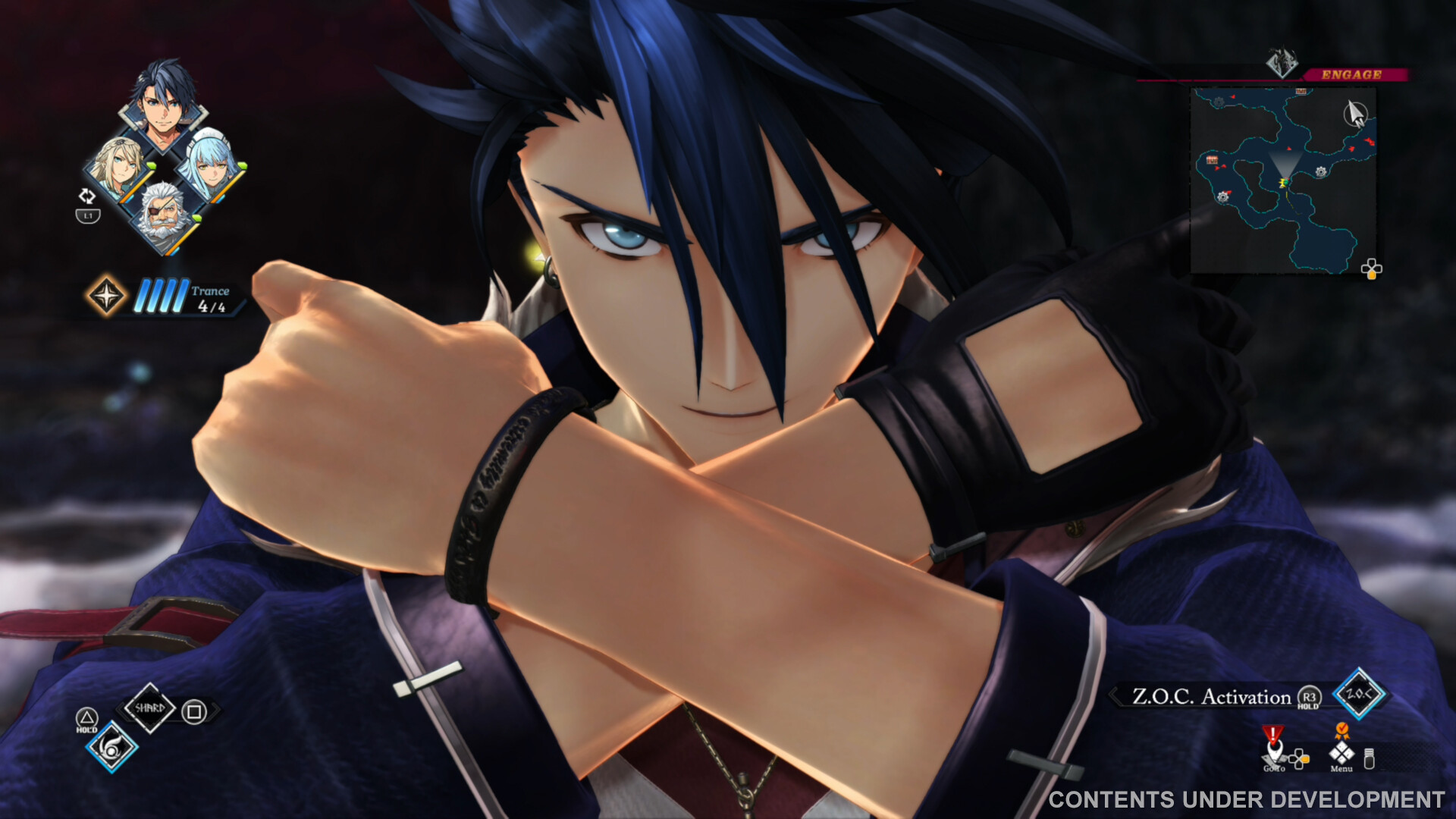
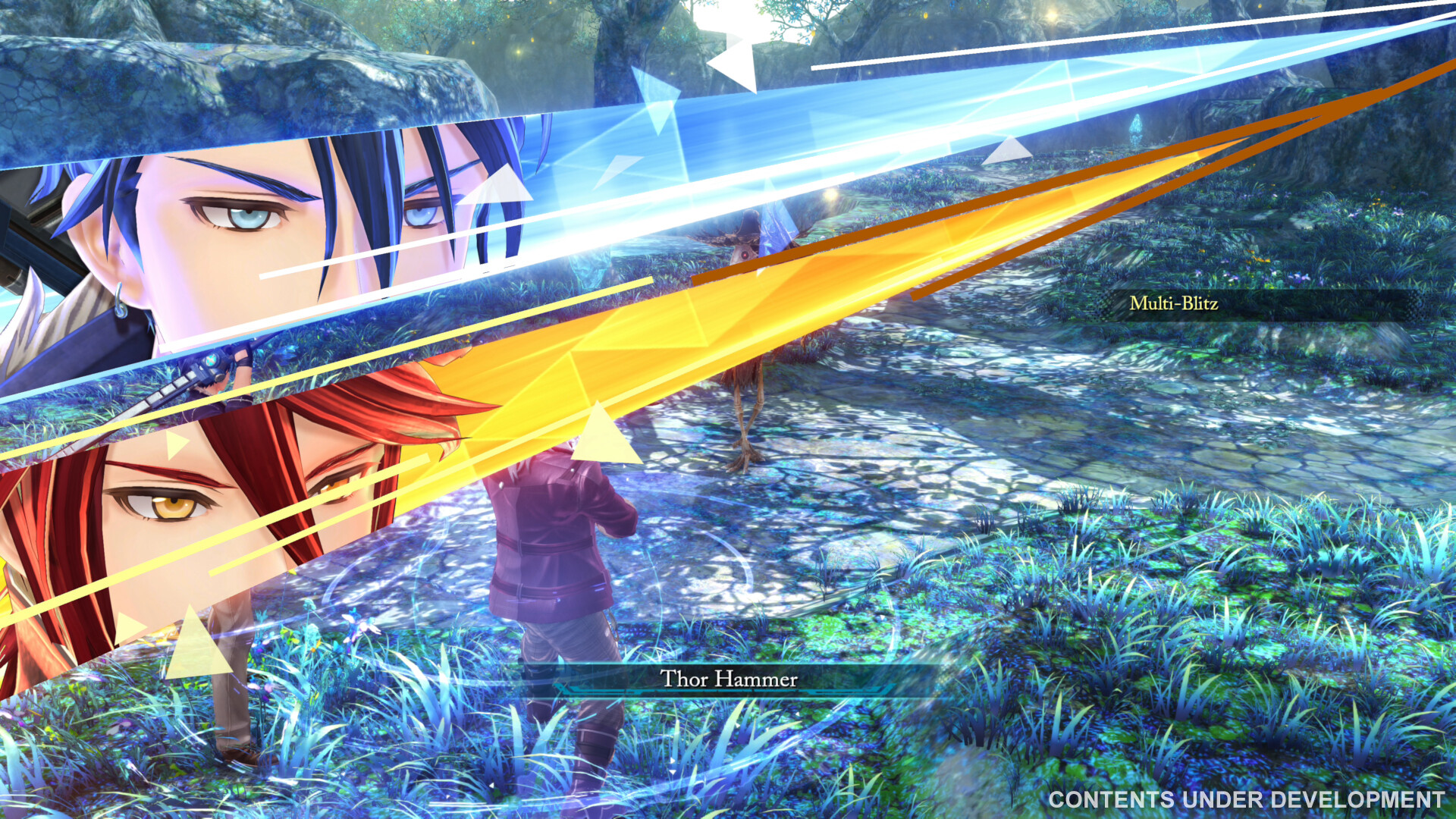
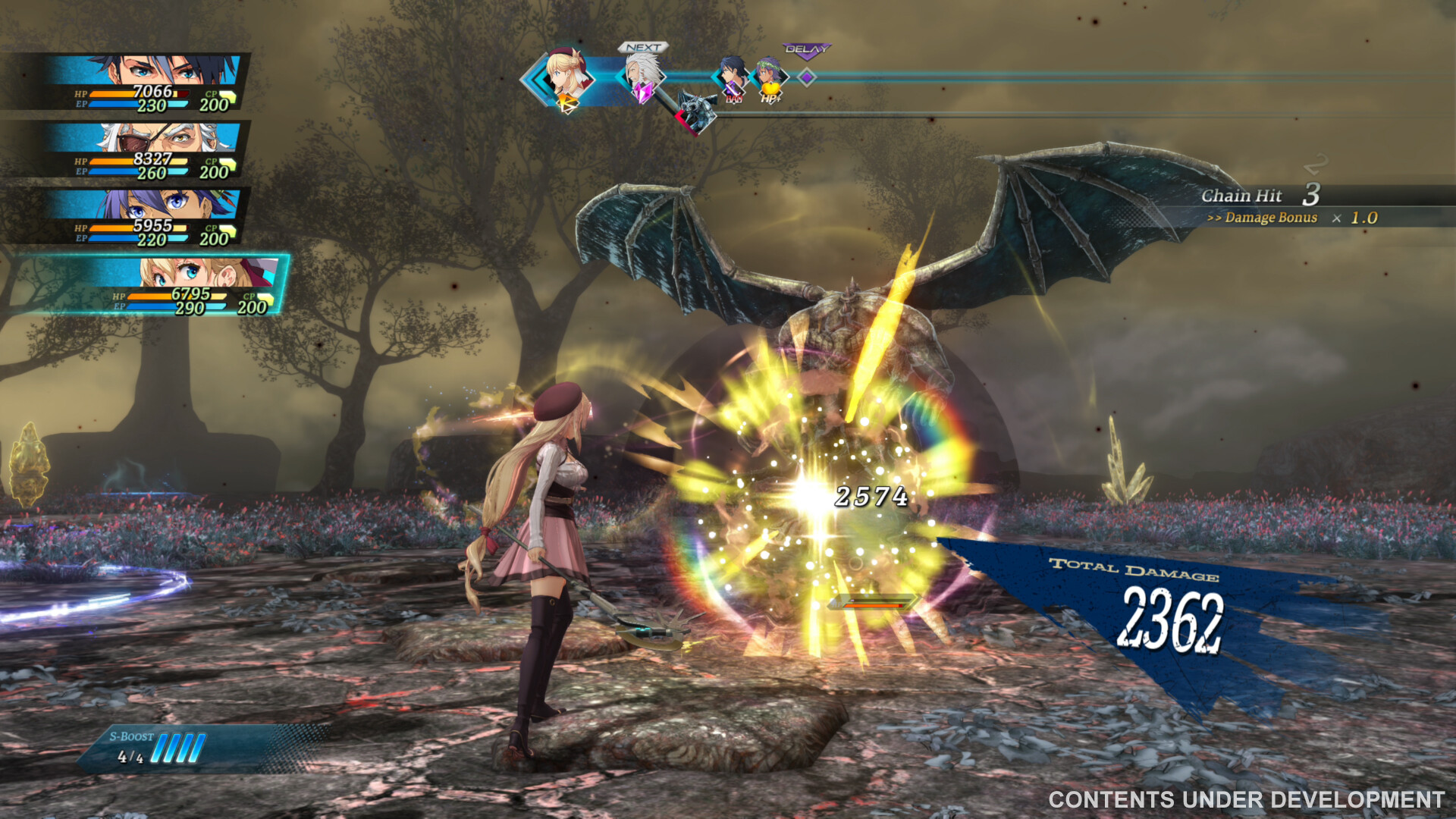
- Combat draws specific praise for offering meaningful choice between turn-based and real-time action approaches, with reviewers highlighting special moves and build variety as genuine highlights distinct from the narrative debate surrounding the game
Biggest weaknesses
- A large number of deeply invested, longtime series veterans report the pacing as bloated with filler content, describing extended stretches where little narratively significant happens despite substantial playtime, with some stating this specifically damaged their long-standing confidence in the series' direction
- Multiple reviewers report the PC version removed MSAA and SGSSAA anti-aliasing options that were present in the two immediately preceding entries, with several specifically noting these were the only anti-aliasing modes they found visually effective, and that remaining options are too demanding to use practically
- Localisation quality draws sustained, specific criticism from reviewers comparing it to the original Japanese script, with several longtime fans recommending players patch the game to Japanese voice and text rather than use the English localisation as shipped
Who it's for: Longtime Trails/Kiseki series veterans who have played through the prior twelve entries; this is emphatically not a suitable entry point for newcomers to the franchise regardless of how this specific review reads.
Our recommendation: Essential, day-one viewing for anyone already invested in the Trails series regardless of which side of the pacing debate you land on; absolutely skip if you haven't played the prior games, since this entry assumes deep, specific familiarity with over a decade of accumulated story.
6.5 / 10
Introduction
The Legend of Heroes: Trails beyond the Horizon, released 15 January 2026 by Nihon Falcom and published by NIS America, is the 13th mainline entry in the sprawling, tightly interconnected Trails (Kiseki) JRPG series, closing out its most recent Calvard-set arc. It sits Very Positive with a strong sample of 697 reviews, and reading widely through that sample reveals a fault line more interesting than the usual fan-versus-critic divide: this is a game whose reception splits sharply among the exact longtime, deeply invested veterans best qualified to judge it, with near-universal agreement on only one thing — that this is absolutely not where anyone should start the series.
Not a starting point, and every reviewer knows it
Before any other discussion, this review needs to state plainly what dominates nearly every review in this sample regardless of overall verdict: reviewers overwhelmingly and explicitly warn that this 13th entry is not a suitable starting point, repeatedly directing newcomers back to Trails in the Sky or its recent remake instead. This isn't a minor caveat — it's close to a universal opening statement across this entire review base, and this review echoes it directly for any reader considering this specific title as their introduction to the franchise.
Excellent technical execution, almost universally praised
On pure technical terms, this review found remarkably consistent, detailed praise. Reviewers credit porting studio PH3 and developer Durante specifically for delivering one of the best-optimised PC ports in the series' history, with multiple reviewers confirming strong performance on Steam Deck alongside the desktop experience. Combat draws its own specific praise for offering meaningful choice between turn-based and real-time action approaches, with special moves and build variety highlighted as genuine strengths distinct from the narrative debate covered below.
A genuine split among the series' most invested fans
The most distinctive finding in this review's research concerns story and pacing, where reaction splits sharply among reviewers who've clearly played every prior entry rather than between fans and skeptics. A large number of deeply invested veterans report the pacing as bloated with filler, describing extended stretches where little narratively significant happens despite substantial playtime, with some stating this specific entry has damaged their long-standing confidence in where the series is headed after more than a decade of investment. Set directly against this, an equally invested group of veterans describes the same game as a genuine culmination of everything the series has built toward, specifically praising how storylines and character arcs seeded across multiple prior entries finally converge and pay off. Both camps are drawing on the same deep, specific familiarity with the series' history — this isn't a case of one side simply understanding the material better than the other, but of genuinely different standards for what a satisfying payoff to thirteen games' worth of accumulated plot should look like.
Specific technical regressions and contested localisation
Beyond the broader narrative debate, this review found concrete, specific complaints worth reporting on their own terms. Multiple reviewers report the PC version removed MSAA and SGSSAA anti-aliasing options present in the two immediately preceding entries, with several specifically noting these were the only visually effective anti-aliasing modes available to them, leaving remaining options too demanding to use practically. Localisation quality draws sustained, detailed criticism from reviewers comparing the English script against the original Japanese, with several longtime fans specifically recommending other players patch the game to Japanese voice and text rather than rely on the shipped English localisation.
A notable absence, and other specific complaints
Several longtime fans separately report the notable absence of romance options present in immediately preceding entries within the same story arc, framing this as an unexplained step back in a feature they'd come to expect from recent games in the series. At least one veteran reviewer reports this is the first entry to crash for them with any regularity across their long history with the franchise, and separate reviewers raise concerns about the game's DLC policy for a full-priced, story-heavy single-player release.
Cliffhanger fatigue as its own specific complaint
One further, distinctive thread deserves its own attention, since it recurs across reviewers on both sides of the broader pacing debate: fatigue with the series' habit of ending entries on cliffhangers. Multiple reviewers, including some who otherwise praise this specific entry highly, explicitly ask the developer to stop deploying this structure after thirteen games, framing it as a increasingly tired device rather than a genuinely suspenseful hook at this point in the series' run. What makes this notable is that it's raised as a standalone complaint distinct from the broader pacing-and-filler debate — reviewers who love this game's actual content still separately register frustration with how it chooses to end, suggesting a structural fatigue with the format itself that exists independent of how well any individual entry executes it.
A franchise entry point problem that shapes its own review sample
It's worth stating directly how unusual this review's research made the underlying review sample feel, methodologically. Because virtually every reviewer explicitly filters out newcomers before even discussing the game itself, this sample is unusually self-selected for deep prior investment compared to almost any other title this lane has covered — there's essentially no cross-section of casual or first-time buyers to draw a more "average" reaction from. That matters for how to read the aggregate Very Positive score: it reflects the verdict of an audience already guaranteed to buy the next entry regardless of this one's quality, evaluating the game specifically against the internal standard of "is this a worthy chapter in a story I've already committed over a hundred hours to," rather than against the more general question of whether this is simply a good JRPG in isolation. That's a meaningfully narrower, higher bar than most game reviews get judged against, and this review's own score tries to account for that context rather than simply reproducing it.
Final Verdict
The Legend of Heroes: Trails beyond the Horizon delivers a technically excellent PC port that reviewers across this entire sample consistently praise, wrapped around a narrative reception this review found genuinely, meaningfully split among the series' own most invested fans rather than between skeptics and believers. What holds this score down is a real, specific pattern of veteran dissatisfaction with pacing and writing, compounded by concrete technical regressions in anti-aliasing options, contested localisation quality, and the unexplained absence of a feature recent entries had established. For anyone already thirteen games deep into this series, this remains essential, day-one viewing regardless of which side of the debate documented here you land on; for everyone else, this review joins the overwhelming consensus that you should be starting somewhere else entirely.
Pros and cons
Pros
- The PC port itself draws near-universal, detailed technical praise, with reviewers consistently crediting porting studio PH3 and developer Durante for delivering one of the best-optimised, most polished releases in the series' history, running well even on Steam Deck
- A significant number of deeply invested longtime fans describe this entry as a genuine culmination of over a decade of accumulated worldbuilding, specifically praising how storylines and character arcs seeded across multiple prior games finally pay off
- Combat draws specific praise for offering meaningful choice between turn-based and real-time action approaches, with reviewers highlighting special moves and build variety as genuine highlights distinct from the narrative debate surrounding the game
- Multiple reviewers specifically praise the game's handling of converging plotlines from previously separate regions of the series' world, describing it as a genuinely satisfying payoff for players who've followed the story since its earliest entries
Cons
- A large number of deeply invested, longtime series veterans report the pacing as bloated with filler content, describing extended stretches where little narratively significant happens despite substantial playtime, with some stating this specifically damaged their long-standing confidence in the series' direction
- Multiple reviewers report the PC version removed MSAA and SGSSAA anti-aliasing options that were present in the two immediately preceding entries, with several specifically noting these were the only anti-aliasing modes they found visually effective, and that remaining options are too demanding to use practically
- Localisation quality draws sustained, specific criticism from reviewers comparing it to the original Japanese script, with several longtime fans recommending players patch the game to Japanese voice and text rather than use the English localisation as shipped
- Several longtime fans specifically report the notable absence of romance options present in immediately preceding entries in the same story arc, framing this as an unexplained step back in a series feature they'd come to expect
- At least one long-time veteran reviewer reports this is the first entry in the series to crash for them with any regularity, and separate reviewers raise concerns about the game's DLC policy for a full-priced, story-heavy single-player release
Screenshots
-
The Legend of Heroes Trails beyond the HorizonImage: NIS America, Inc. via Steam -
The Legend of Heroes Trails beyond the HorizonImage: NIS America, Inc. via Steam -
The Legend of Heroes Trails beyond the HorizonImage: NIS America, Inc. via Steam -
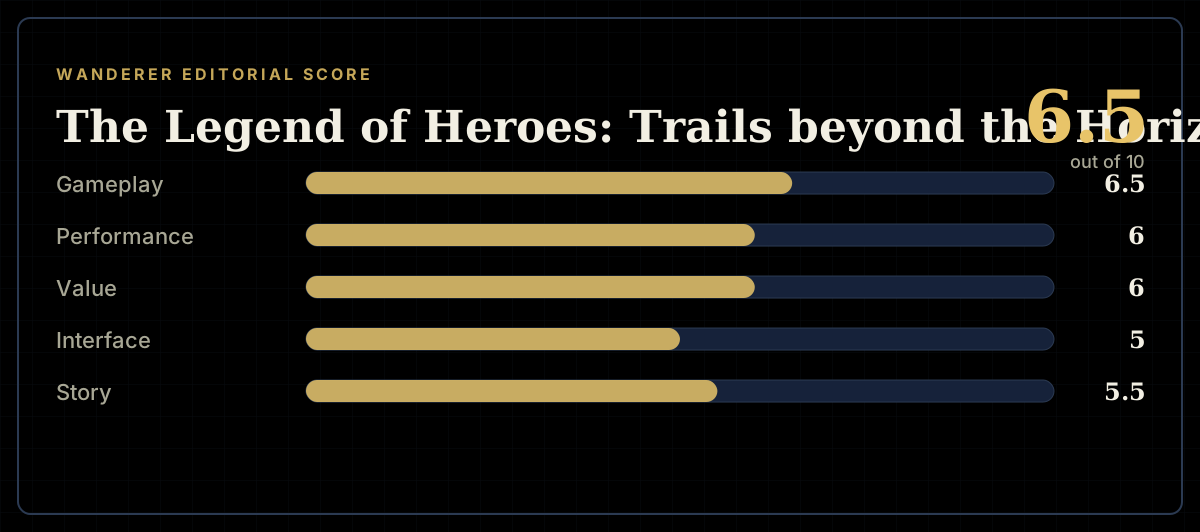
How the review scores each part of the gameWanderer Editorial -
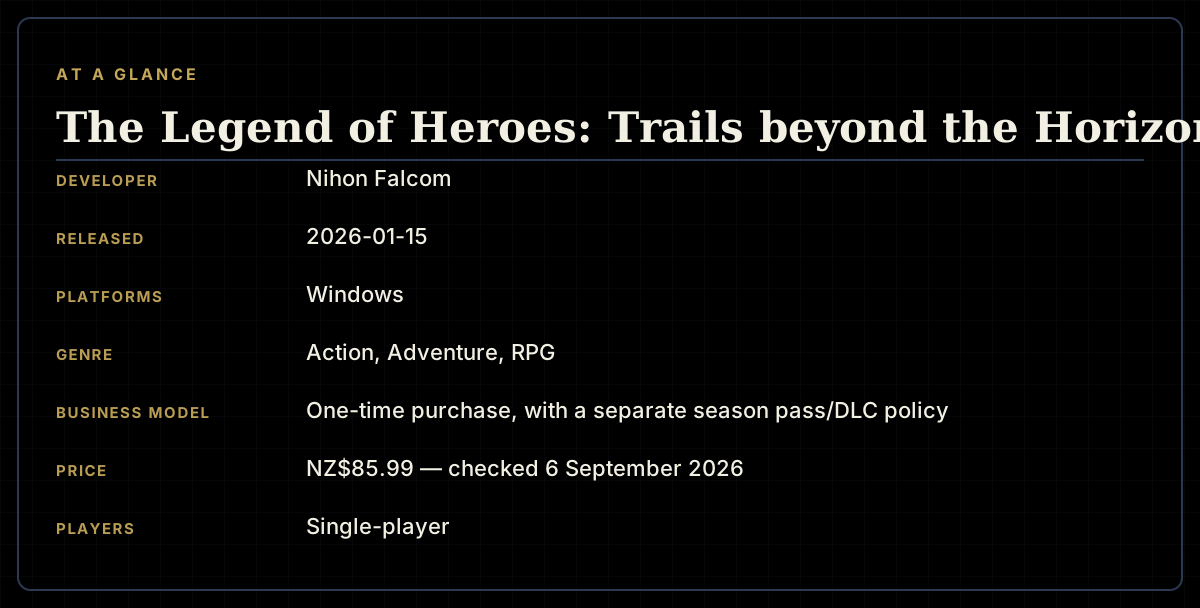
The essentials at a glanceWanderer Editorial -
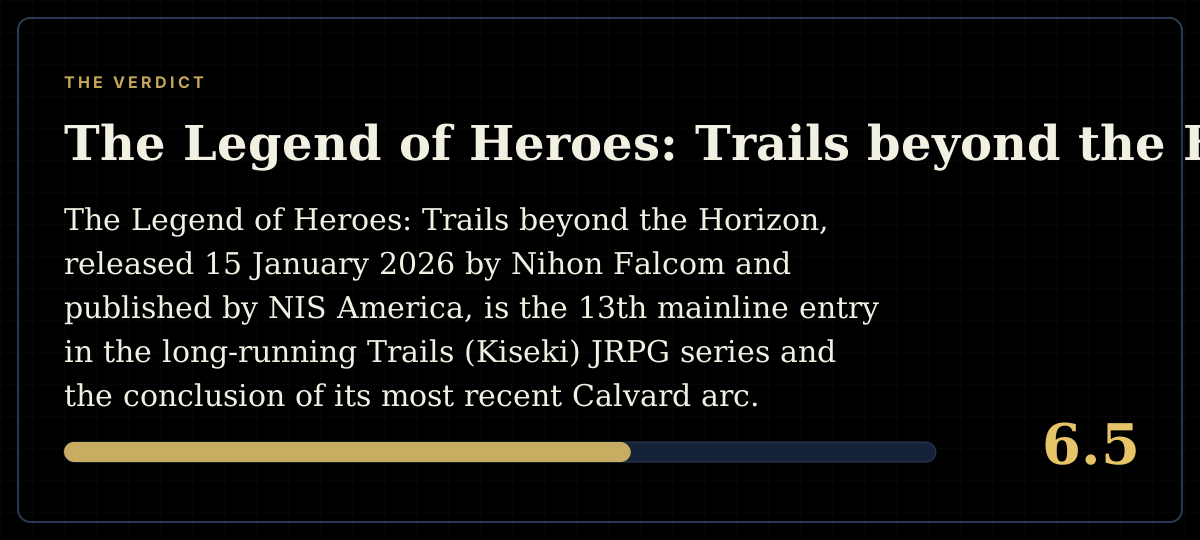
The short versionWanderer Editorial