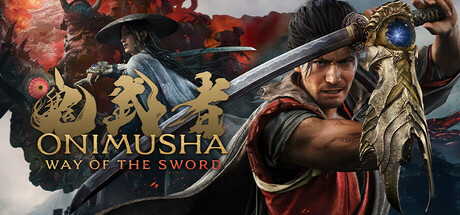
Game review
Onimusha: Way of the Sword
7 / 10
- Developer
- CAPCOM Co., Ltd.
- Publisher
- CAPCOM Co., Ltd.
- Released
- 3 September 2026
- Platforms
- Windows
- Genre
- Action, Adventure, RPG
- Monetisation
- One-time purchase, no in-game purchases listed
- Players
- Single-player
The short version
Onimusha: Way of the Sword, released 3 September 2026 by CAPCOM, is the franchise's first new mainline entry in roughly two decades, following an Oni Gauntlet-wielding samurai's stand against a demonic invasion of Kyoto. It sits Very Positive across a large sample of 3,600 reviews as of this check, 87.1% positive, and reading widely across that sample finds a genuinely excellent core combat experience arriving alongside real, specific problems and a live, unresolved debate about the game's own identity. Combat feel, animation quality and presentation draw exceptionally strong, consistent praise from reviewers on both sides of the recommendation line — even many critical reviews single out the combat and a standout early boss fight as genuine highlights. Set against that is an unusually specific technical finding: multiple reviewers on both sides independently confirm that leaving the frame rate uncapped in settings causes a crash immediately after startup, with capping the frame rate and enabling vsync serving as a confirmed, simple workaround. Separately, an extremely widely corroborated complaint — echoed by reviewers who otherwise love the game — describes persistent, unusually heavy tutorialization continuing many hours into the game, and a comparably wide, cross-camp consensus describes standard enemy difficulty as too easy for much of the playthrough. Underneath all of this sits a genuine, heated dispute this review reports rather than settles: whether the game preserves classic Onimusha's hack-and-slash identity, as its defenders argue, or trades it for generic modern souls-like conventions, as its detractors say.
Biggest strengths
- Combat feel, animation quality and boss fight design draw exceptionally strong, remarkably consistent praise across nearly the entire review sample, including from many reviewers who are otherwise critical of the game overall
- A specific, confirmed technical workaround exists for the game's most severe launch bug: multiple reviewers independently confirm that capping the frame rate and enabling vsync in settings resolves a crash that otherwise occurs immediately after startup when frame rate is left uncapped
- Presentation, music and atmosphere draw consistent praise, and the protagonist Musashi is specifically and repeatedly singled out as a charismatic, well-realized lead carrying the story's tone
Biggest weaknesses
- An extremely widely corroborated complaint, echoed by reviewers who otherwise recommend the game, describes persistent, heavy-handed tutorialization continuing many hours into the playthrough, including basic prompts and character commentary still appearing seven to ten hours in; at least one reviewer reports the game's demo tutorial prompt was mistakenly left in the final release
- A comparably wide, cross-camp consensus — from both positive and negative reviewers — describes standard enemy difficulty as too easy for a significant portion of the game, with common enemies frequently defeated in one or two hits and several reviewers saying they rarely need to use most of the skills the game gives them access to
- A genuine, unresolved identity dispute runs through this review's entire research: a substantial share of reviewers, including longtime franchise fans, argue the game trades Onimusha's classic hack-and-slash identity — its distinctive named weapons among them — for generic modern souls-like conventions including heavy-health-bar bosses and a parry-centric combat loop; a separate, comparably substantial group argues the game faithfully preserves the series' classic DNA and that comparisons to souls-likes are an unfair, imposed framing this game was never trying to fit
Who it's for: Action-RPG fans who prioritize excellent combat feel and presentation and can tolerate heavy hand-holding and an easy difficulty curve; longtime Onimusha fans should weigh the franchise-identity debate below carefully before buying at full price.
Our recommendation: Worth it for the combat and presentation alone once the frame-rate crash fix is applied; consider a higher difficulty option or waiting for balance patches if an easy, heavily tutorialized pace is a dealbreaker for you.
7 / 10
Introduction
Onimusha: Way of the Sword, released 3 September 2026 by CAPCOM, marks the franchise's first new mainline entry in roughly two decades, sending an Oni Gauntlet-wielding samurai to defend Kyoto against an encroaching demonic invasion. It sits Very Positive across a large sample of 3,600 reviews, 87.1% positive, and reading widely across that sample finds something more layered than the headline score alone suggests: an excellent core combat experience, a specific and now well-diagnosed launch bug, an unusually consistent complaint about hand-holding that spans both sides of the recommendation line, and underneath it all, a genuine, still-unresolved argument among the franchise's own fans about what this game actually is.
Combat that earns near-universal respect
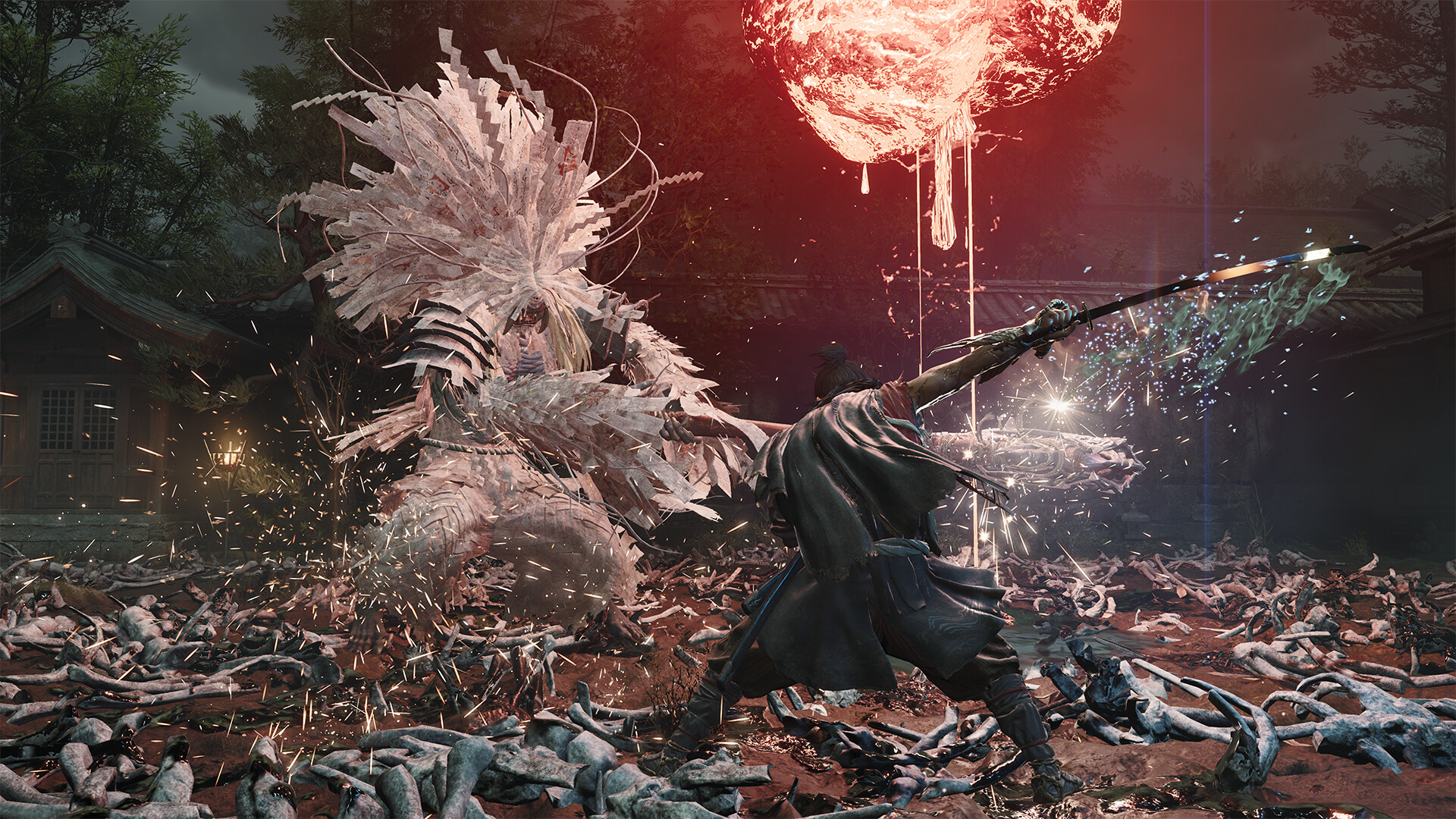
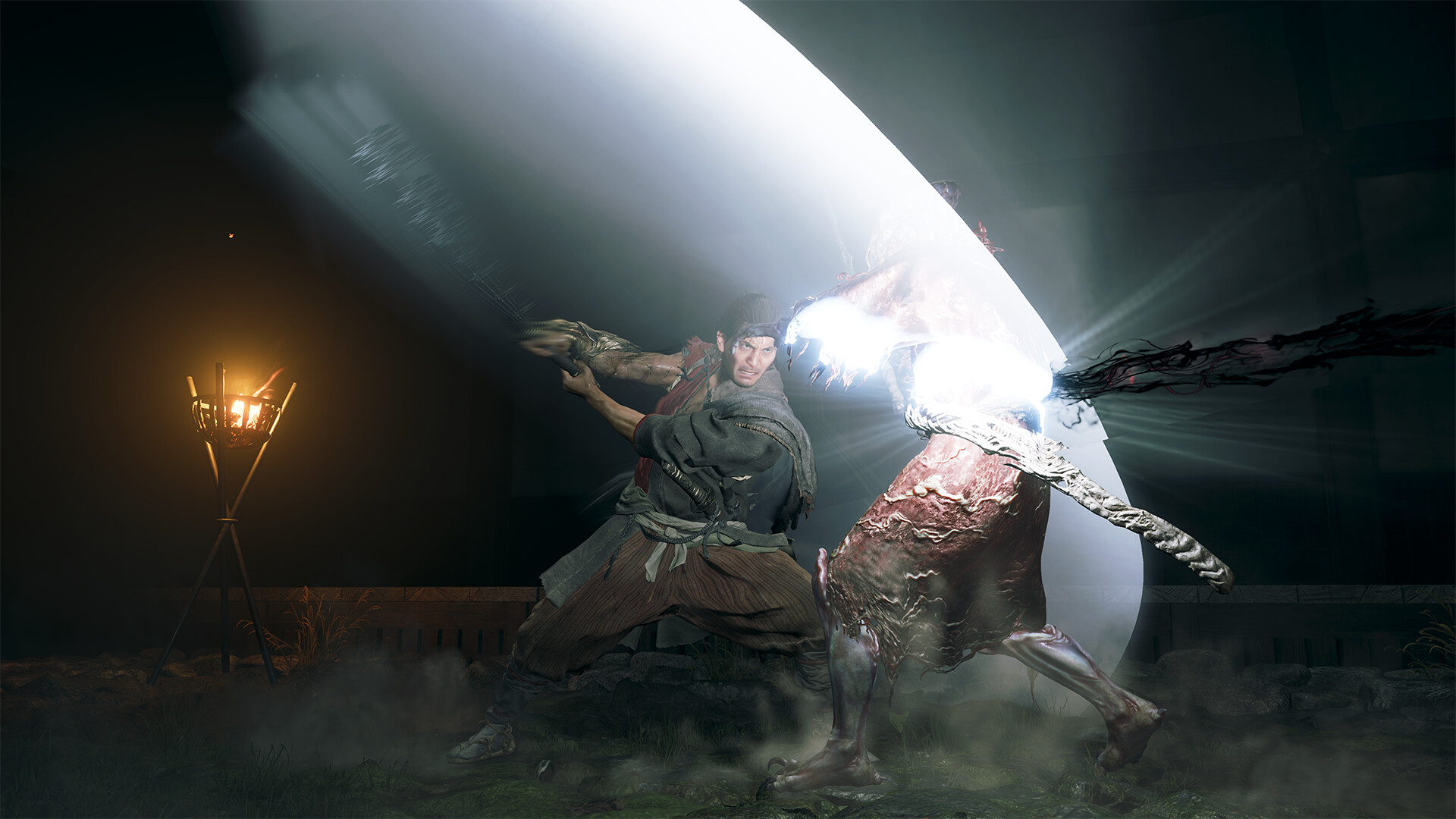
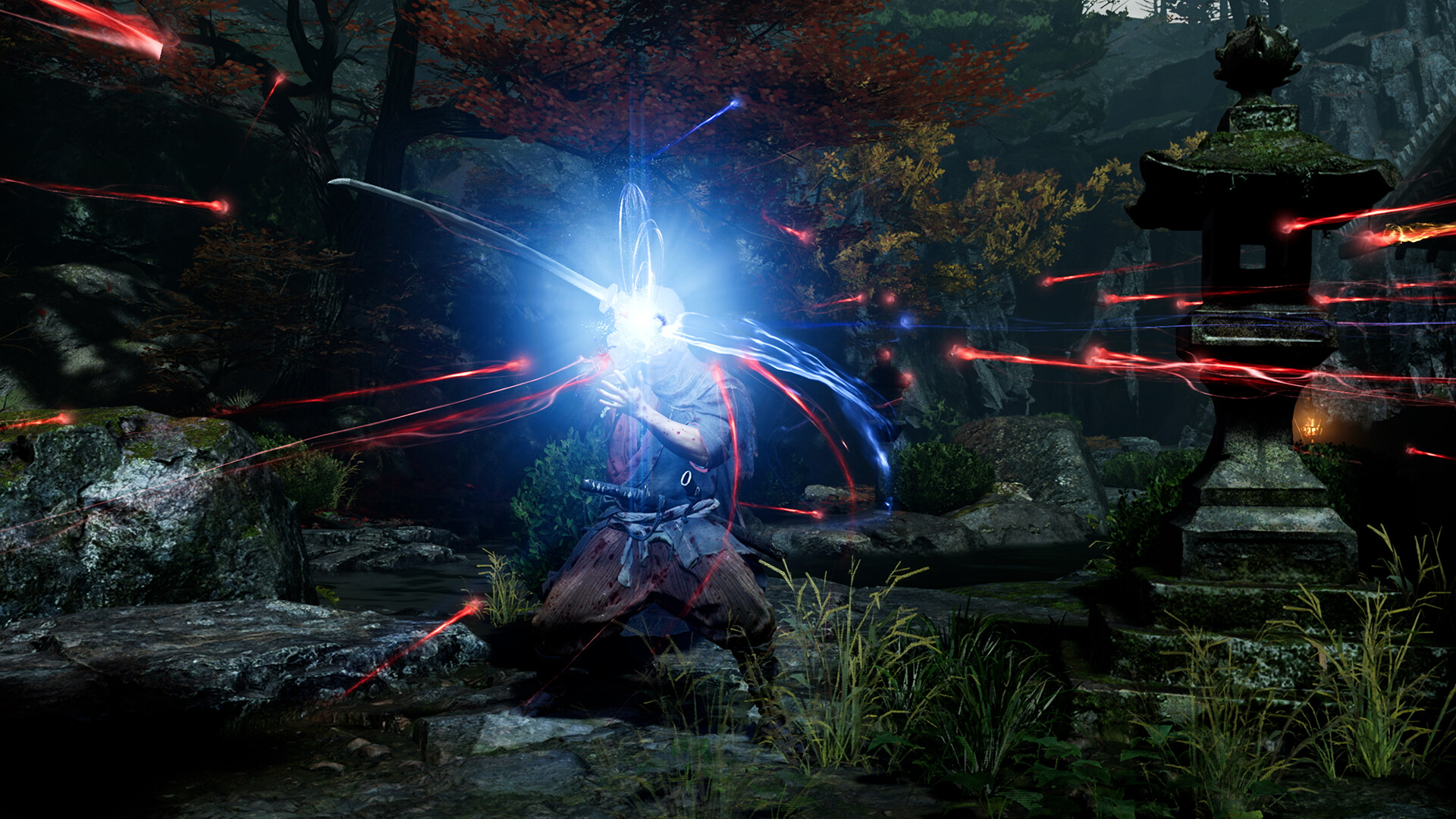
The single most consistent element of praise across this entire review's research is how the game actually plays moment to moment. Combat feel, animation quality and boss encounter design draw exceptionally strong, remarkably consistent praise — notably, this holds true even among reviewers who are otherwise critical of the game as a whole, several of whom explicitly single out combat and a standout early boss fight as genuine highlights before going on to list other complaints. Presentation, music and atmosphere draw similarly consistent praise, and the protagonist, Musashi, is repeatedly and specifically credited as a charismatic lead who carries the game's tone. Whatever else this review's research disagrees about, it does not meaningfully disagree about this.
A specific crash, and a confirmed fix
This review found an unusually clean, specific technical finding worth reporting directly. Multiple reviewers, independently and on both sides of the overall recommendation, describe a crash occurring immediately after the game's opening names-and-history warning screen — and multiple reviewers, again independently, confirm the same fix: leaving the frame rate uncapped in settings triggers the crash, while capping the frame rate and enabling vsync resolves it. This is a rare case in this review's research of a launch-week technical complaint arriving with its own community-verified solution attached, and it's worth applying before assuming the game is simply broken on your system. Separate from this, at least one reviewer reports a different, specific crash tied to a particular story cutscene that recurs at the identical point on repeated attempts, including on a handheld PC — a distinct issue this frame-rate fix does not appear to resolve.
Tutorialization that both camps agree has gone too far
If there's a single complaint in this review's research that approaches consensus, it's this one. Reviewers recommending the game and reviewers recommending against it independently describe the same specific problem: basic tutorial prompts and companion-character commentary continuing to interrupt play many hours into the game, well past the point where a player should be expected to need them — one reviewer reports still receiving tutorials for common mechanics ten hours in, and a separate reviewer notes the game's pre-release demo tutorial prompt appears to have been mistakenly left active in the shipped release. This isn't a complaint confined to critics; it's one of the few things reviewers across the entire spectrum of opinion on this game agree is a genuine problem.
A difficulty curve reviewers on both sides call too easy
A second, comparably wide cross-camp pattern concerns difficulty rather than pacing. Multiple reviewers, again including many who otherwise recommend the game, describe standard enemy encounters as too easy for a significant stretch of the playthrough, with common enemies frequently falling in one or two hits and several reviewers noting they rarely need to draw on most of the skills and abilities the game makes available to them. This shows up often enough, and from reviewers with genuinely different overall opinions of the game, that it reads as an accurate description of the current balance rather than a matter of individual skill or preference — though several reviewers note difficulty does pick up meaningfully in the mid-to-late game and against specific bosses.
A genuine, unresolved fight over what this game actually is
The most substantive dispute in this review's research isn't really about bugs or balance — it's about identity. A substantial share of reviewers, including longtime series fans, argue the game trades Onimusha's classic hack-and-slash foundation for generic modern conventions borrowed from the souls-like genre: large-health-bar bosses with multiple phases, a parry-centric combat loop, and single-use "Oni weapons" requiring absorbed souls in place of the series' classic, freely-used named weapons some reviewers miss by name. A separate, comparably substantial group of reviewers rejects this framing directly, arguing the game faithfully preserves the series' classic hack-and-slash DNA and that measuring it against souls-like conventions is an unfair standard the game was never trying to meet in the first place — one reviewer states this plainly: "This is not a Soul game, this is Onimusha. Not everything has to be souls like." This review has not played enough of the franchise's history to adjudicate that dispute independently and reports it here as exactly what it is: a genuine, unresolved argument between people who love the same series and disagree sharply about whether this entry honours it.
Localization quality, and a dated difficulty-unlock choice
Two smaller but specific complaints round out this review's findings. English localization draws criticism even from satisfied reviewers, several describing dialogue delivery and lip-syncing as noticeably weaker than the Japanese audio track and explicitly recommending Japanese voice acting with subtitles as the better way to experience the game. Separately, Hard mode is locked behind completing a full playthrough on a lower difficulty first, a structural choice multiple reviewers call outdated for a 2026 release, particularly given how many reviewers independently describe the standard difficulty as already too easy.
Final Verdict
Onimusha: Way of the Sword succeeds decisively at the one thing nearly every reviewer in this research agrees on: it plays beautifully, with combat and presentation that hold up against anything else in the genre this year. What keeps this score from climbing further is that everything surrounding that core strength is either genuinely unresolved or genuinely in need of a patch — a launch crash with a known but non-obvious fix, tutorialization and difficulty complaints that cut across the entire review spectrum rather than dividing it, and a live, substantive identity dispute among the franchise's own fans about whether this is a worthy continuation or a skin-deep imitation of what came before. Apply the frame-rate fix, go in expecting a gentler, more heavily guided experience than the marketing's souls-like comparisons might suggest, and decide for yourself which side of the identity argument you land on.
Pros and cons
Pros
- Combat feel, animation quality and boss fight design draw exceptionally strong, remarkably consistent praise across nearly the entire review sample, including from many reviewers who are otherwise critical of the game overall
- A specific, confirmed technical workaround exists for the game's most severe launch bug: multiple reviewers independently confirm that capping the frame rate and enabling vsync in settings resolves a crash that otherwise occurs immediately after startup when frame rate is left uncapped
- Presentation, music and atmosphere draw consistent praise, and the protagonist Musashi is specifically and repeatedly singled out as a charismatic, well-realized lead carrying the story's tone
- Several reviewers report flawless, high-performance results once the frame-rate issue is addressed, including smooth 4K play with no further crashes across extended sessions
Cons
- An extremely widely corroborated complaint, echoed by reviewers who otherwise recommend the game, describes persistent, heavy-handed tutorialization continuing many hours into the playthrough, including basic prompts and character commentary still appearing seven to ten hours in; at least one reviewer reports the game's demo tutorial prompt was mistakenly left in the final release
- A comparably wide, cross-camp consensus — from both positive and negative reviewers — describes standard enemy difficulty as too easy for a significant portion of the game, with common enemies frequently defeated in one or two hits and several reviewers saying they rarely need to use most of the skills the game gives them access to
- A genuine, unresolved identity dispute runs through this review's entire research: a substantial share of reviewers, including longtime franchise fans, argue the game trades Onimusha's classic hack-and-slash identity — its distinctive named weapons among them — for generic modern souls-like conventions including heavy-health-bar bosses and a parry-centric combat loop; a separate, comparably substantial group argues the game faithfully preserves the series' classic DNA and that comparisons to souls-likes are an unfair, imposed framing this game was never trying to fit
- English localization draws specific criticism even from satisfied reviewers, several describing dialogue and lip-syncing as noticeably weaker than the game's Japanese audio and explicitly recommending Japanese voice acting with subtitles instead
- Hard mode is locked behind completing the game on a lower difficulty first, a design choice multiple reviewers call outdated for a 2026 release
- Multiple reviewers report a specific, reproducible crash tied to a particular story cutscene, occurring at the identical point on repeated attempts including on at least one handheld PC, separate from the frame-rate issue described above
- Some reviewers describe sections of the open world as empty and quest content as low-quality filler, and note limited enemy variety with reskinned versions of the same handful of enemy types appearing again in the late game
Screenshots
-
Onimusha: Way of the SwordImage: CAPCOM Co., Ltd. via Steam -
Onimusha: Way of the SwordImage: CAPCOM Co., Ltd. via Steam -
Onimusha: Way of the SwordImage: CAPCOM Co., Ltd. via Steam -
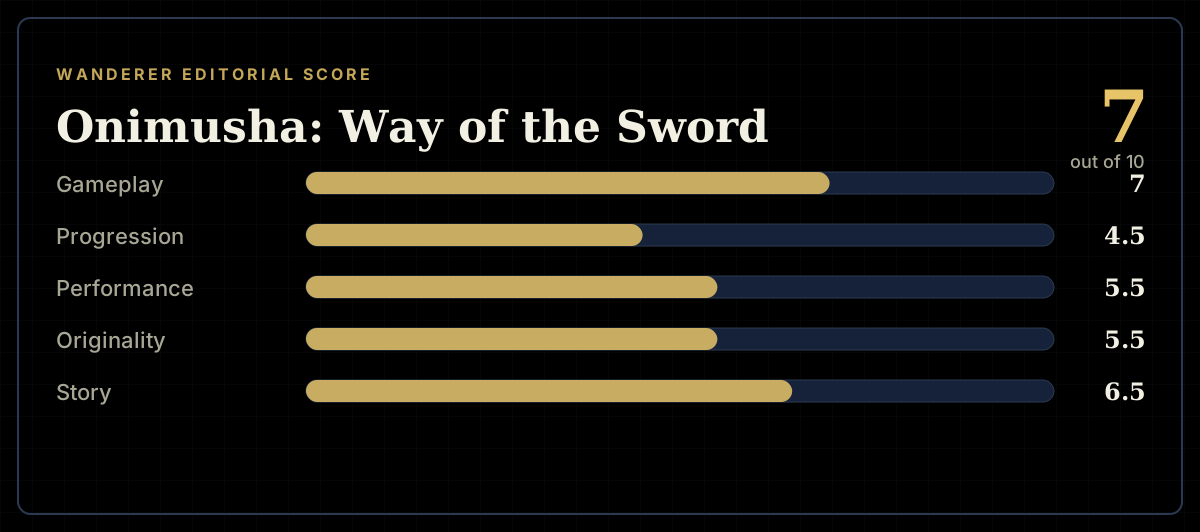
How the review scores each part of the gameWanderer Editorial -
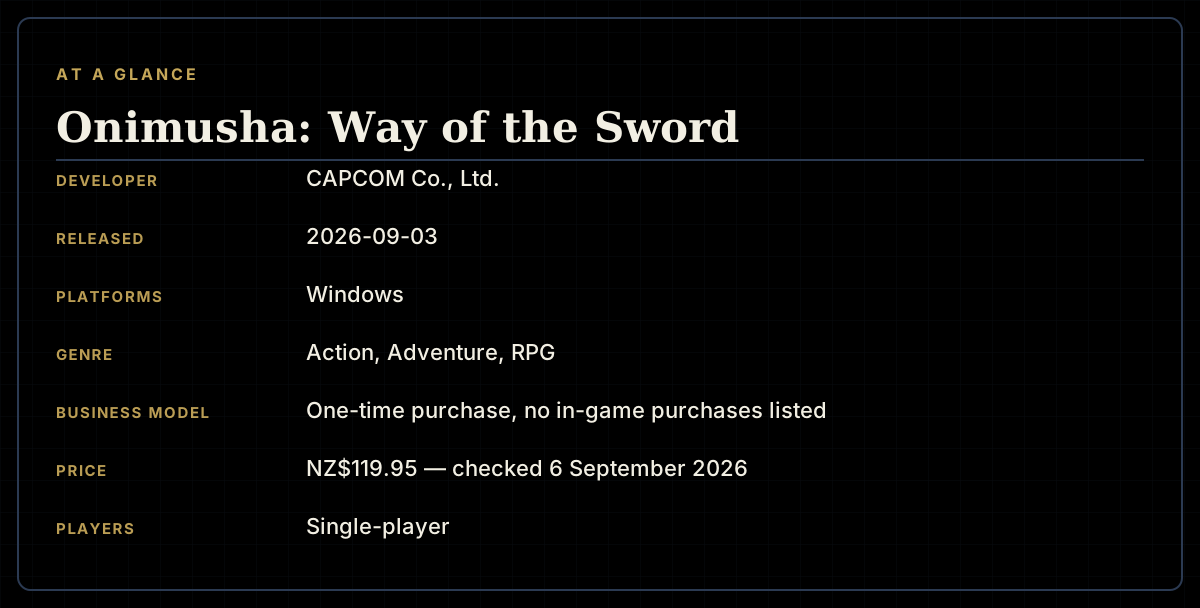
The essentials at a glanceWanderer Editorial -
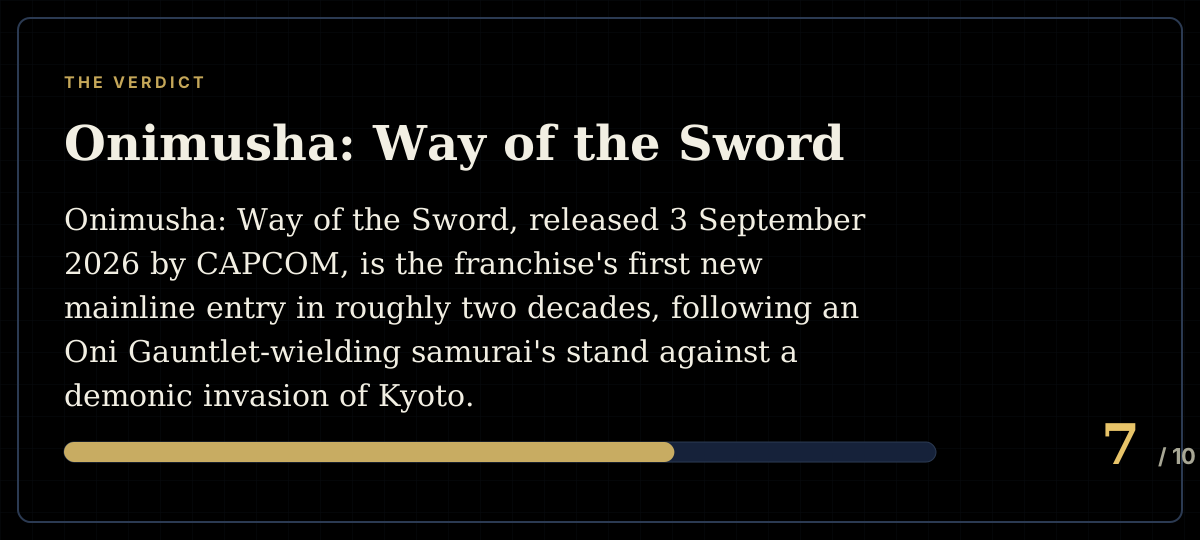
The short versionWanderer Editorial