Idle RPGs, MMOs, browser games and mobile RPGs, taken apart properly. Every review carries a
score out of 10, what the game does well, what it does badly, and the kind of player it is actually for.
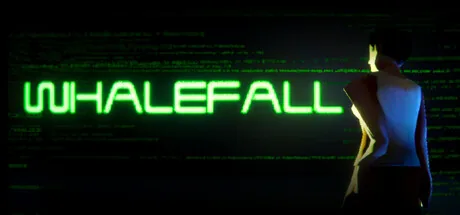
A free PSX-style survival horror game set in a deep-sea prison where cutting off a monster's limb makes it multiply — reviewed on its complete 16-review sample, which splits cleanly between reviewers charmed by its atmosphere and reviewers who call it an unfinished alpha.
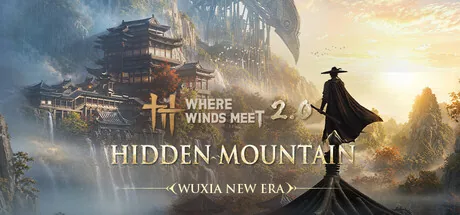
A gorgeous, enormous free wuxia open world with some of the most charming systems design in any live-service RPG — welded to an energy meter, five battle passes and a cosmetic gacha that its own store page describes as cosmetics-only.
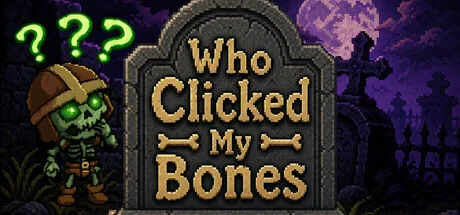
A cheap, dark-comedy skeleton-army incremental with real charm in its premise and a six-review sample split almost exactly down the middle — including two reviews that make directly opposite, specific technical claims about the same systems.
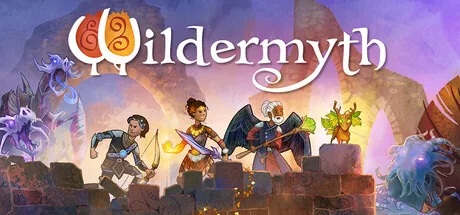
A procedural storytelling tactical RPG that follows the same handful of heroes from their first pitchfork fight to old age, generating genuinely moving personal arcs — until enough playthroughs reveal the same event templates repeating underneath the charm.
A gorgeously presented card-battler roguelike whose steep, deliberately punishing difficulty split its launch reception sharply — genre veterans defending it as fairly hard rather than broken, newer players describing runs so polarized that skill barely seems to matter.
One of the best-feeling shooters on the market, wired into a progression system that several of its own designers appear to have disagreed about — and, after two years in Early Access, finally close to 1.0.
A free, solo-developed idle RPG on its 161st update after seven years — with a monetisation model its biggest spenders defend, and a review calling it abandoned that the patch notes flatly disprove.
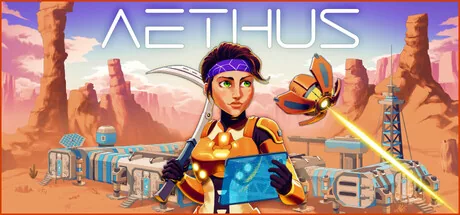
An alien-planet survival and building sandbox — described by one of its own players as "stitched from Don't Starve, Terraria, Stardew Valley and RimWorld" — that launched into Early Access with a punishing hunger system and has spent thirteen straight days of near-daily patches turning early frustration into a genuinely glowing recent reception.
A free-to-play idle strategy MMO about building an egg-themed civilization, split almost exactly down the middle between players who find real layered depth in its economy and combat systems, and players frustrated by a slow start, progress-halting bugs, and lingering distrust of the developer's previous game.
A veteran-defined tank warfare MMO whose Steam launch stumbled over locked-out existing accounts in 2021, and whose long, escalating pay-to-win reputation reached a documented breaking point in May 2025 when Wargaming introduced tiered loot boxes that sent its most invested ten-year players heading for the exit.
A handsome late-Ming soulslike carrying a Mixed badge that English-speaking players didn't give it — and a post-launch patch that changed the story out from under the people who'd finished it.
The most completely simulated economy in games, eight years of free updates, and one recurring problem — in a game about giving orders to AI, the AI is what 61 of its hundred negative reviews complain about.
A dad taught himself to code so his 8-year-old son could have a game where he "finds cool swords and fights monsters forever" — a genuinely sweet origin story wrapped around a standard-issue idle RPG that its own early players are split on once the swords run out.
A co-op survival crafting game that traps scientists inside a Half-Life-flavoured secret research facility after a containment breach, Overwhelmingly Positive across more than 41,000 Steam reviews for its inventive setting and crafting depth — with a remarkably consistent, still-current complaint that its final act and late-game content don't live up to everything that came before.
A solo developer in Edinburgh shipped a complete, story-driven survival-crafting game straight to 1.0 with no Early Access period — a genuine feat that's earned near-universal respect, complicated only by a real and recurring complaint that the store page sells it as something more open-ended than the tightly linear campaign it actually is.
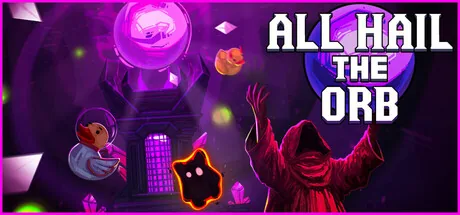
A solo-developed, short, deliberately silly incremental about worshipping a mysterious orb and recruiting cultists to do the clicking for you — charming enough to earn 95% positive reviews, and refreshingly willing to end rather than pad itself out with an unnecessary prestige loop.
Ubisoft Blue Byte's Industrial Revolution city-builder remains Very Positive across more than 32,000 Steam reviews, widely regarded as one of the genre's most visually accomplished and addictive entries — undercut by a real, remarkably severe and still-current complaint about Ubisoft Connect, the mandatory third-party launcher that multiple independent reviewers describe locking them out of a game they purchased entirely, in incidents dated as recently as June 2026.
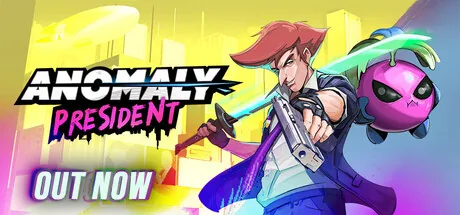
Campaign for votes by day, fight the incumbent's gangs by night, and steal each boss's supernatural power when you beat them. A genuinely novel roguelike from the Anomaly Agent studio — one day old, visibly unfinished, and carrying a 97% score that needs reading carefully.
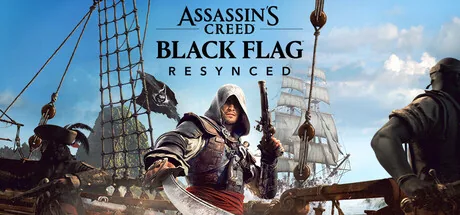
Ubisoft rebuilt Assassin's Creed IV: Black Flag from the ground up on the current Anvil engine rather than simply upscaling it, and the parts that made the 2013 original a fan favourite — Edward Kenway, the Jackdaw, the whole rotten, beautiful Caribbean — survive the trip largely intact. What doesn't survive as cleanly is some of the combat identity Ubisoft chose to strip out along the way.
The most beautiful open world Ubisoft has built, and the clearest case study in gaming of a cash shop reaching backwards into a game's design. Eight years on it costs NZ$19.99 and holds 89% — but the level gates it built around its XP boosters are still exactly where they were.
Ubisoft's feudal Japan entry delivers genuinely beautiful visuals and a widely loved shinobi protagonist, undercut by a real, consistently repeated "formula fatigue" complaint — towers, icons, repetition — a verified gap between Ubisoft's public promise of full offline play and what reviewers report experiencing in practice, and a heavily monetised in-game store layered on top of a full NZ$109.95 purchase.
Hazelight Studios' prison-break co-op predecessor to It Takes Two and Split Fiction remains Very Positive across more than 102,000 Steam reviews for its inventive, purely two-player design — but this review can confirm a real, still-current complaint It Takes Two eventually resolved: A Way Out's mandatory EA App launcher continues to cause connection failures, crashes and Steam-invite friction in reviews dated as recently as August 2025, with no fix announcement found anywhere in the developer's own Steam communications.
A brick-breaker, base-builder and roguelite mashed together into something genuinely novel — and, by a large and coherent share of its own fans, something that runs out of ideas within its first ten hours and never quite finds a reason to justify the dozens more it invites.
You hire desperate men, name them, watch them die, and hire more. Nine years on it's still the best mercenary-company RPG ever made — and still arguing with its own players about whether a 75% hit chance that misses four times running is good design.