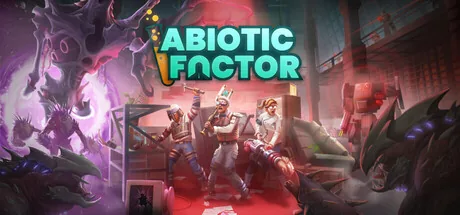
Game review
Abiotic Factor
8 / 10
- Developer
- Deep Field Games
- Publisher
- Playstack
- Released
- 22 July 2025
- Platforms
- Windows
- Genre
- Survival Crafting
- Monetisation
- One-off premium purchase, with an optional paid DLC expansion (Entropic Break) layered on top of substantial free post-launch content updates; no in-app purchases or premium currency
- Players
- Online and LAN co-op for up to six players, cross-platform; fully playable and frequently praised solo as well
The short version
Abiotic Factor strands a team of scientists inside GATE, a secretive underground research facility, after a containment breach unleashes anomalous entities, interdimensional invaders and a hostile paramilitary faction all at once. It's survival crafting filtered through a distinctly Half-Life-and-SCP-flavoured lens, and reviewers reach for that comparison constantly and admiringly: "Half-Life 1 aesthetics meets Subnautica," one puts it, while another lists off Dark Souls-style interconnected map design and a Project Zomboid-inspired skill system in the same breath. Reception is Overwhelmingly Positive across more than 41,000 Steam reviews. The honest complication, raised with remarkable consistency across a large, thoughtful slice of the critical minority and echoed even in some positive reviews with reservations, concerns the game's final stretch: bullet-sponge late-game enemies, an unsatisfying, rushed-feeling ending, and a shift toward grindy backtracking that a meaningful number of otherwise enthusiastic players say undoes much of the goodwill built by the excellent early and mid-game.
Biggest strengths
- A genuinely distinctive setting — a secret 90s-sci-fi research facility with Half-Life and SCP Foundation influences — that sets it apart sharply from the genre's more common wilderness and survival-island settings
- Deep, inventive crafting and character progression built around a scientist's PhD specialty rather than generic survival-game skill trees, drawing sustained praise for creativity
- Strong, well-designed co-op for up to six players that reviewers consistently describe as elevating an already-strong solo experience rather than being bolted on as an afterthought
Biggest weaknesses
- A remarkably consistent, still-current complaint describes the game's final act and ending as a genuine letdown relative to the strength of the early and mid-game, with several reviewers explicitly stating they loved 80-90% of the experience before the conclusion soured it
- Specific late-game enemy design changes, particularly bullet-sponge foes with regenerating shields introduced in a "Dark Energy" update, draw pointed criticism as tedious rather than genuinely challenging
- Several detailed reviews describe the back half of the game shifting toward repetitive backtracking and resource grinding, a pacing problem distinct from and compounding the narrative disappointment
Who it's for: Survival crafting and co-op fans who want a genuinely distinctive setting and strong early-to-mid-game content, especially those drawn to Half-Life or SCP Foundation aesthetics; less ideal for players who specifically prioritise a satisfying narrative payoff at the finish line.
Our recommendation: A genuine standout in its genre worth the price for its setting, crafting depth and co-op strength alone — just go in with tempered expectations for how the story resolves and how the final areas hold up against everything that came before.
8 / 10
Survival crafting is one of gaming's most saturated genres, and most new entries distinguish themselves, if at all, through incremental refinements to a familiar wilderness-and-hunger formula. Abiotic Factor takes a sharper turn: instead of stranding players on an island or in a forest, it locks them inside GATE, a secretive research facility that studies the paranormal and the interdimensional — right up until a catastrophic containment breach turns the whole complex into a warzone between escaped anomalies, invading extradimensional hostiles, and a militant faction determined to seize whatever's left. Developer Deep Field Games spent over a year in Early Access refining that pitch before exiting into a full 1.0 release on 22 July 2025, and the result has settled into an Overwhelmingly Positive standing across more than 41,000 Steam reviews. What makes this review worth writing carefully is a specific, consistent thread of criticism running through that acclaim — not about the setup, but about where it all ends up.
A setting that actually earns its comparisons
Reviewers describing Abiotic Factor reach for an unusually specific cluster of references, and the consistency of those comparisons says something real about how well the game executes its pitch. "This game is like if Half Life didn't have Gordon Freeman, and the scientists had to save themselves," one review states, capturing the GoldSrc-era aesthetic and tone directly. Another goes further, stacking up the full genre-blend: "Half-Life 1/GoldSrc aesthetics, Dark Souls 1 complex map design with diverse locations and unlockable shortcuts, SCP Foundation inspired lore, Project Zomboid character skill point system." That's an unusually specific set of influences to land convincingly all at once, and the review sample backs up the claim that it does — the interconnected, shortcut-laden facility map draws particular praise for rewarding exploration in a way flatter open-world survival maps typically don't.
Character progression reinforces the setting rather than sitting apart from it. Rather than a generic skill tree, players build their character around a chosen PhD specialty, and the crafting systems that follow lean into the "scientists making do" premise with real creativity — outlandish tools, improvised weapons, and lab equipment repurposed for survival rather than simply reskinned fantasy gear. "I hate survival crafting games... the lack of a story makes it horrible solo," one reviewer writes, describing their own scepticism before being won over. "Oh, you have a story? Ok well I hate survival crafting games that waste your time collecting 100x wood for a wall... Oh the crafting is actually interesting?" That arc — genre fatigue overturned by specific, well-executed systems — repeats across a meaningful share of the positive sample.
Co-op done right, solo done well too
Six-player online and LAN co-op draws consistent praise as one of the game's clearest strengths, described repeatedly as elevating an already strong experience rather than feeling like a bolted-on multiplayer mode. At the same time, a genuinely notable slice of the review sample specifically praises the solo experience as fully realised in its own right — including at least one review from a player who says they've been "bedbound a lot" and found the game "absolutely great" playing entirely solo on Steam Deck. That dual strength, working well whether played alone or with a full team, is a harder balance to strike than it might sound, and it's a real point in the game's favour regardless of how a given player intends to experience it.
Where the acclaim runs into a genuine problem
What keeps this review from simply echoing the Overwhelmingly Positive consensus is how consistently — and how specifically — a large, thoughtful slice of critical reviews converge on the same complaint: the game's final act doesn't live up to everything that comes before it. "Having played through Abiotic Factor and loved 90% of it, it breaks my heart to give it a negative review, but dear lord the last chunk of the game is bad enough to legitimately poison what otherwise would have easily fit into my [best games list]," one detailed review states. Another, with over 16,000 hours logged — the kind of investment that signals genuine attachment rather than casual disappointment — writes in almost identical terms: "I feel bad giving this a negative review because there's a lot of great content in this game and the world design is excellent, genuinely the best of any game I've played, but the bad stuff is REALLY bad and drags the whole game down." This isn't scattered disagreement; it's the same specific verdict, arrived at independently, by players who are unambiguously fans of everything that comes before the ending.
The complaints sharpen further on specifics. A "Dark Energy" content update introduced late-game enemies several reviewers single out by name as a design misstep: "bullet sponges with an added regenerating hardlight shield... I wouldn't even call it a difficulty spike, it was just annoying," one review states. Pacing draws a related, separate complaint — "boring second half that is completely uninspired and grindy. Walking around everywhere 30 times is not enjoyable gameplay, that is a chore," another writes, describing a shift from the earlier game's rewarding exploration into repetitive backtracking. The story's actual conclusion draws perhaps the most consistent specific criticism of all: "the 'ending' to this game is severely disappointing," reads more than one review in nearly identical phrasing, with several expressing hope — rather than confidence — that the developers plan to expand on it further given how much narrative setup precedes it. Item decay draws a smaller but pointed complaint as well, with one detailed review arguing it functions "more [as] a lazy game balance tool" than a meaningful survival mechanic.
It's worth noting these complaints cluster heavily around the 1.0 launch window in July 2025 and have continued to appear in reviews written as recently as mid-2026, suggesting this is a durable characteristic of the current content rather than a launch-week rough patch that's since been resolved.
A studio that's kept building since
To Deep Field Games' credit, development hasn't slowed since 1.0. The Cosmic Companions update added pets, an involved chemistry system and quality-of-life additions; a first-anniversary Community Update landed roughly a year after full release; and an optional paid expansion, Entropic Break, was announced for players wanting more story and content beyond the base experience. Regular hotfixes continue well into mid-2026. That's a genuinely active post-launch cadence, and it at least raises the possibility that the specific narrative disappointment so many reviewers describe could be addressed by future content — though it's fair to note that as of this review, the base game's ending remains the ending most players will actually experience first.
Where this leaves a buyer
At NZ$49.99, Abiotic Factor delivers a genuinely distinctive, well-crafted survival experience that earns its Overwhelmingly Positive standing through real, specific strengths: a setting unlike anything else in its genre, inventive crafting and progression, and co-op that's built with real care rather than tacked on. The honest caveat, raised too consistently by too many otherwise enthusiastic long-time players to dismiss, concerns the back half of the experience — a shift toward grindier pacing, frustrating late-game enemy design, and a narrative conclusion that a meaningful number of the game's own biggest fans describe as a genuine letdown. Players drawn specifically to the setting, crafting depth and co-op strength of the early-to-mid game should find exactly what thousands of reviewers are raving about; players who weigh a strong ending heavily in their purchase decisions should go in with realistic, tempered expectations for how the story currently resolves.
Pros and cons
Pros
- A genuinely distinctive setting — a secret 90s-sci-fi research facility with Half-Life and SCP Foundation influences — that sets it apart sharply from the genre's more common wilderness and survival-island settings
- Deep, inventive crafting and character progression built around a scientist's PhD specialty rather than generic survival-game skill trees, drawing sustained praise for creativity
- Strong, well-designed co-op for up to six players that reviewers consistently describe as elevating an already-strong solo experience rather than being bolted on as an afterthought
- Sustained, substantial post-launch development well past 1.0, including major free content updates (Cosmic Companions, an anniversary update) alongside an optional paid expansion
Cons
- A remarkably consistent, still-current complaint describes the game's final act and ending as a genuine letdown relative to the strength of the early and mid-game, with several reviewers explicitly stating they loved 80-90% of the experience before the conclusion soured it
- Specific late-game enemy design changes, particularly bullet-sponge foes with regenerating shields introduced in a "Dark Energy" update, draw pointed criticism as tedious rather than genuinely challenging
- Several detailed reviews describe the back half of the game shifting toward repetitive backtracking and resource grinding, a pacing problem distinct from and compounding the narrative disappointment
- Item decay is singled out by at least one detailed review as a design choice that functions more as an artificial time-sink than a meaningful survival mechanic
Screenshots
-
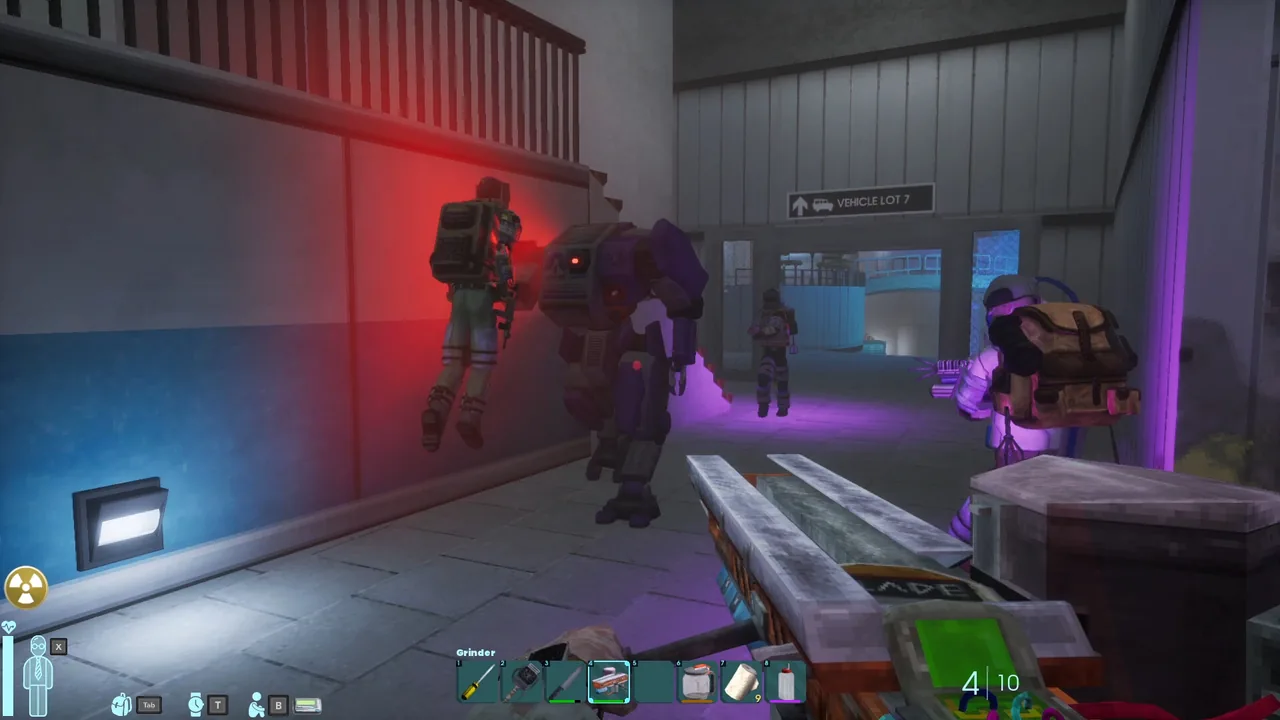
Abiotic FactorImage: Playstack via Steam -
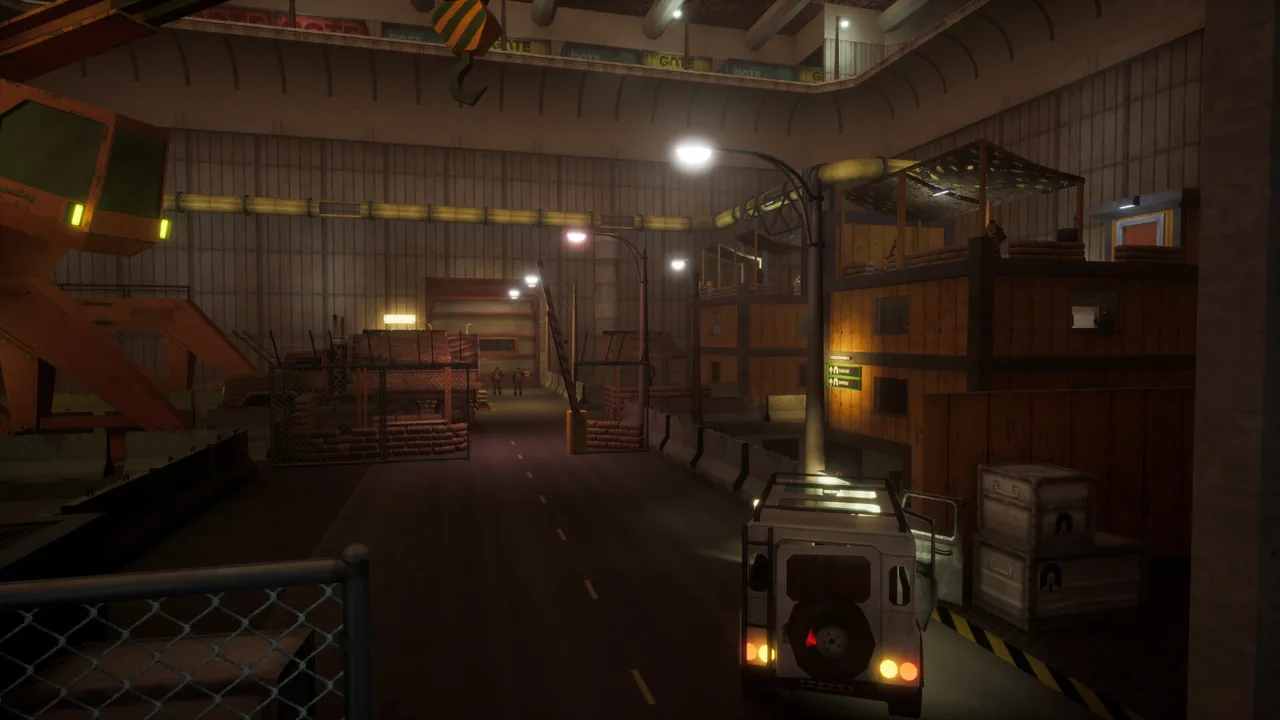
Abiotic FactorImage: Playstack via Steam -
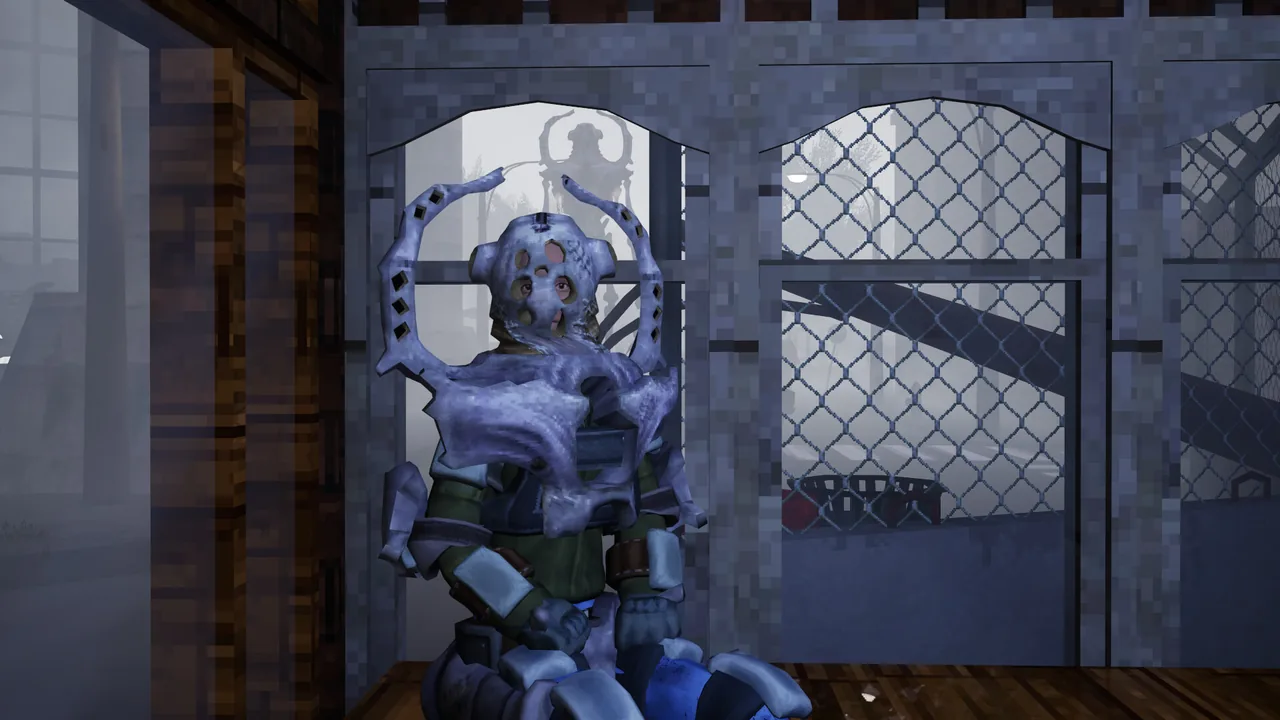
Abiotic FactorImage: Playstack via Steam -
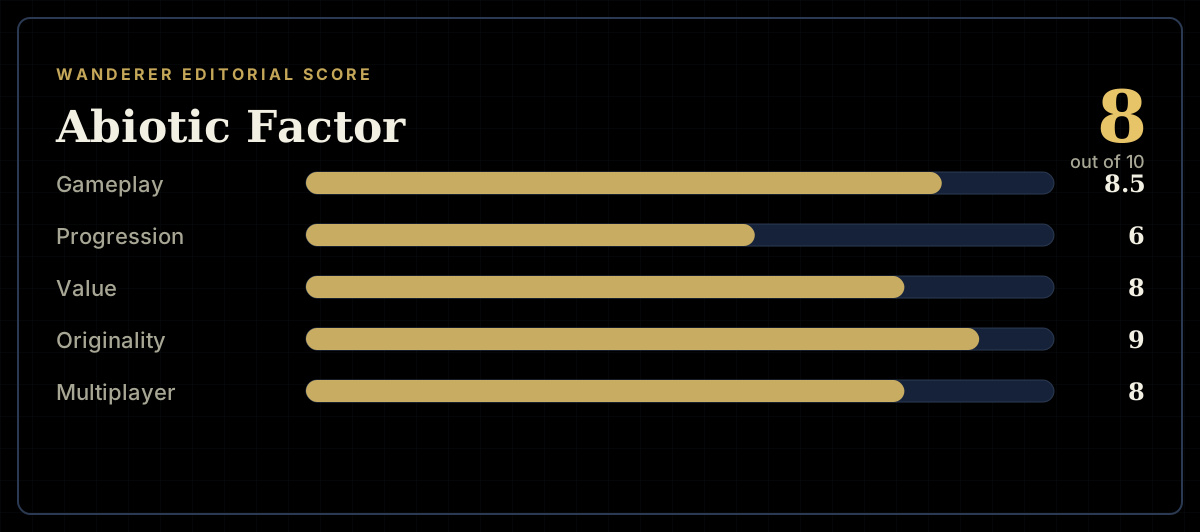
How the review scores each part of the gameWanderer Editorial -
The short versionWanderer Editorial