Game review
The Riftbreaker
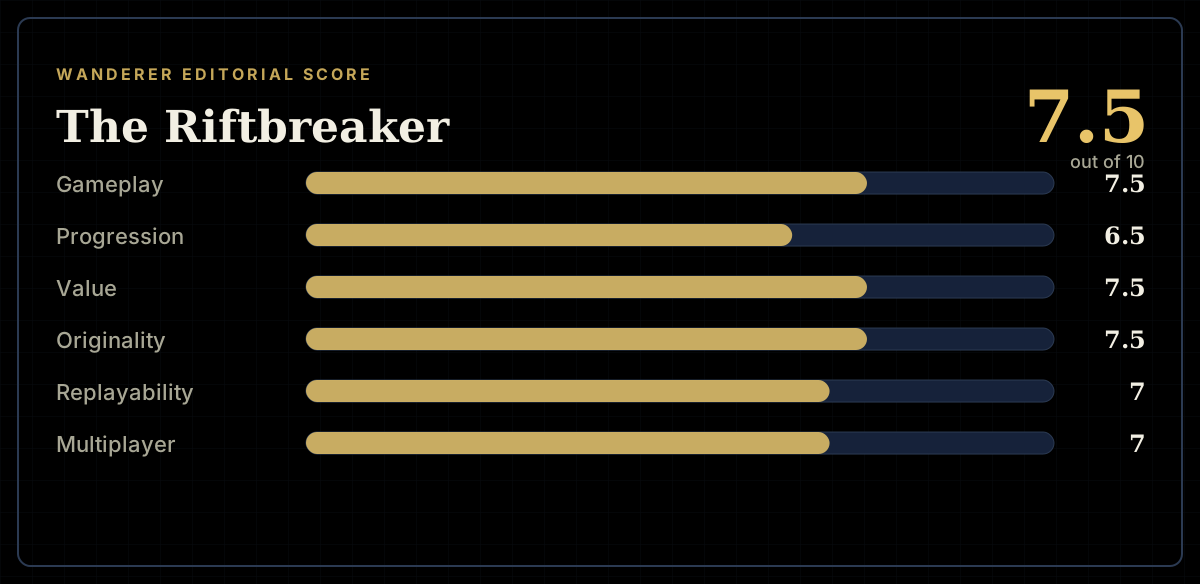
7.5 / 10
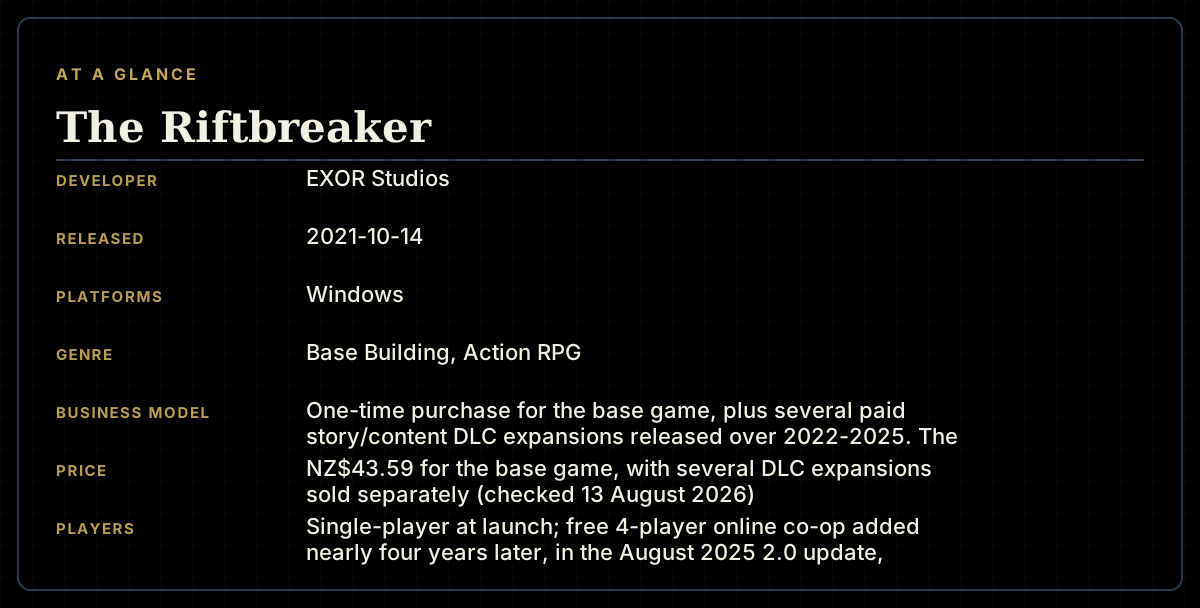
- Developer
- EXOR Studios
- Publisher
- EXOR Studios, Surefire.Games
- Released
- 14 October 2021
- Platforms
- Windows
- Genre
- Base Building, Action RPG
- Monetisation
- One-time purchase for the base game, plus several paid story/content DLC expansions released over 2022-2025. The major co-op and loot-rework 2.0 update, released August 2025, was free to all owners.
- Players
- Single-player at launch; free 4-player online co-op added nearly four years later, in the August 2025 2.0 update, covering both the story campaign and Survival Mode
The short version
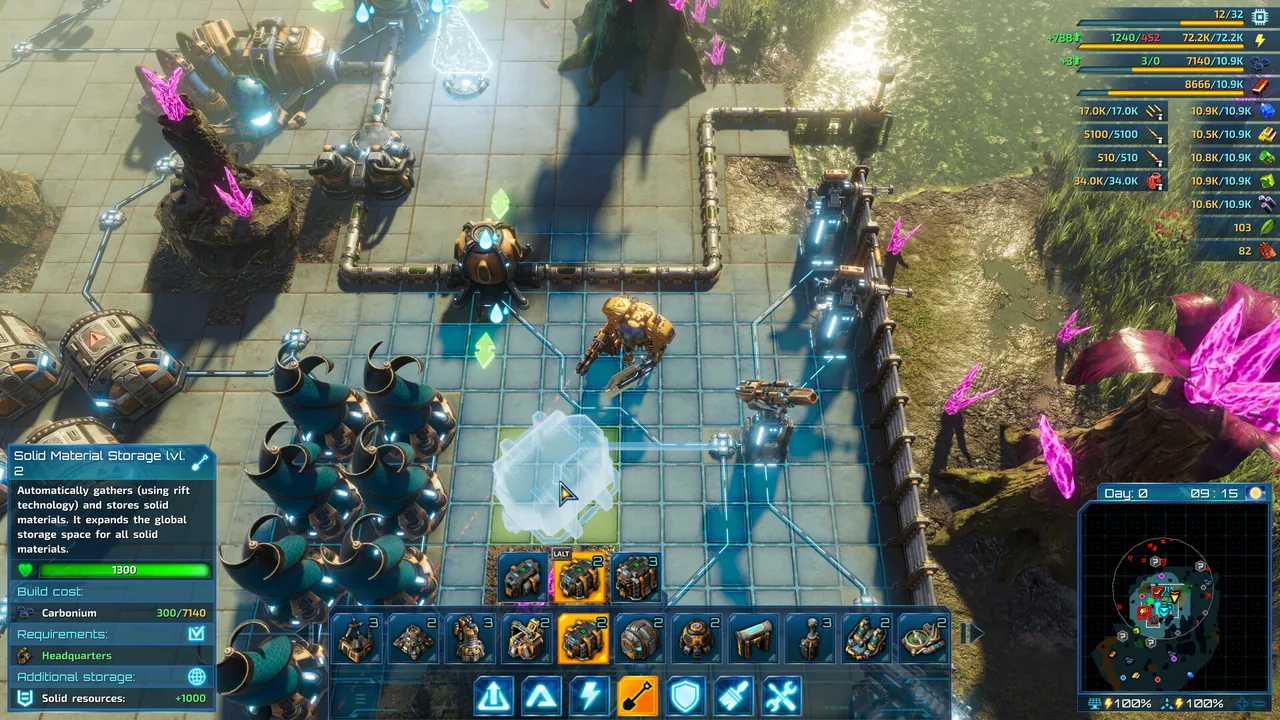
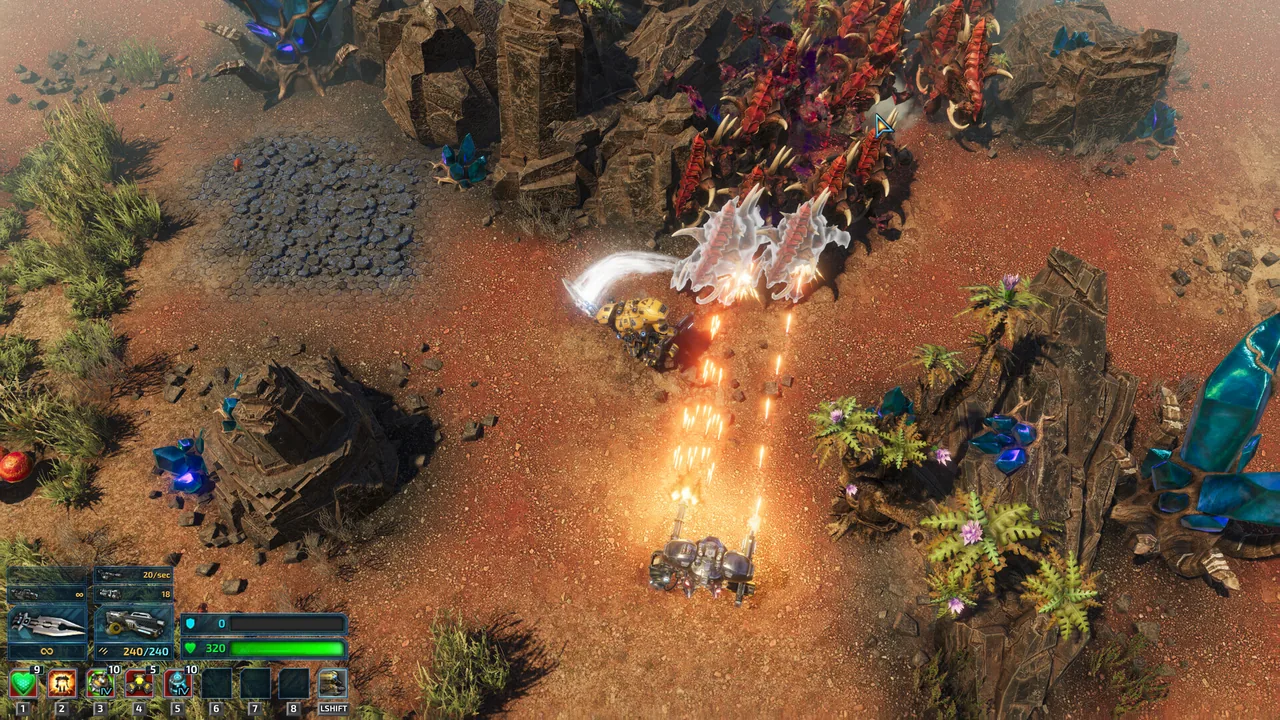
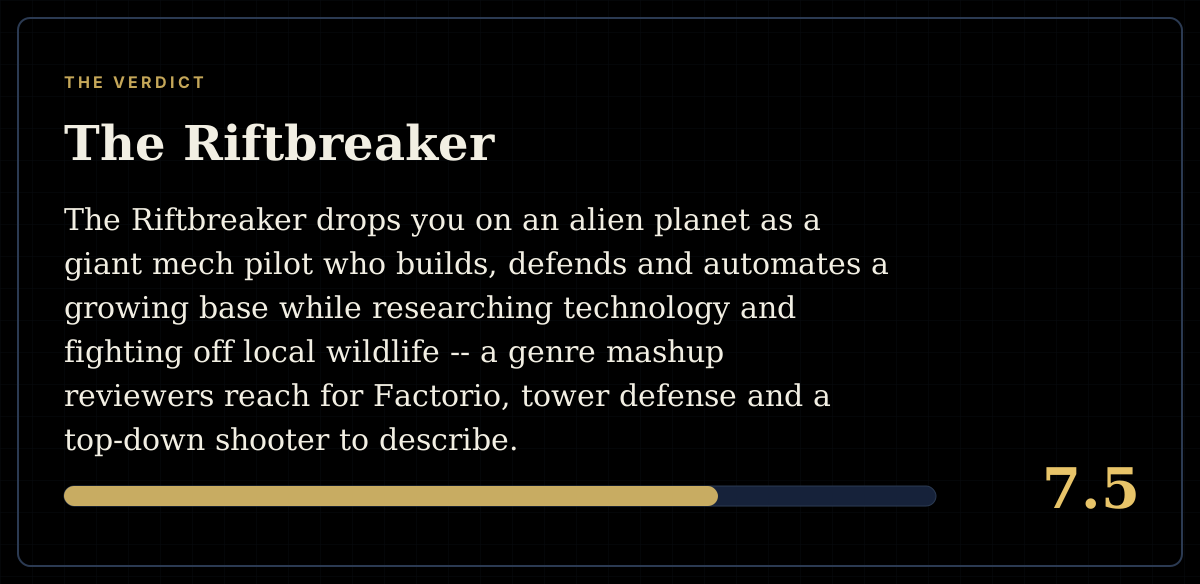
The Riftbreaker drops you on an alien planet as a giant mech pilot who builds, defends and automates a growing base while researching technology and fighting off local wildlife -- a genre mashup reviewers reach for Factorio, tower defense and a top-down shooter to describe. It launched on 14 October 2021 to Very Positive reviews, roughly 90% of 24,602 total, and has held that standing for five years.
What makes it worth revisiting now is a genuinely unusual story about how a beloved game's biggest promise aged: co-op multiplayer, advertised as "coming soon" around launch, took almost four years to arrive, becoming one of the most consistently upvoted complaints in the entire review history along the way. It finally shipped free in August 2025 -- bundled with a loot system rework substantial enough to immediately divide the very veterans who had been asking for co-op the longest.
Biggest strengths
- A distinctive, well-executed genre mashup of base building, tower defense, exploration and action combat that reviewers consistently call satisfying even when critical of its depth
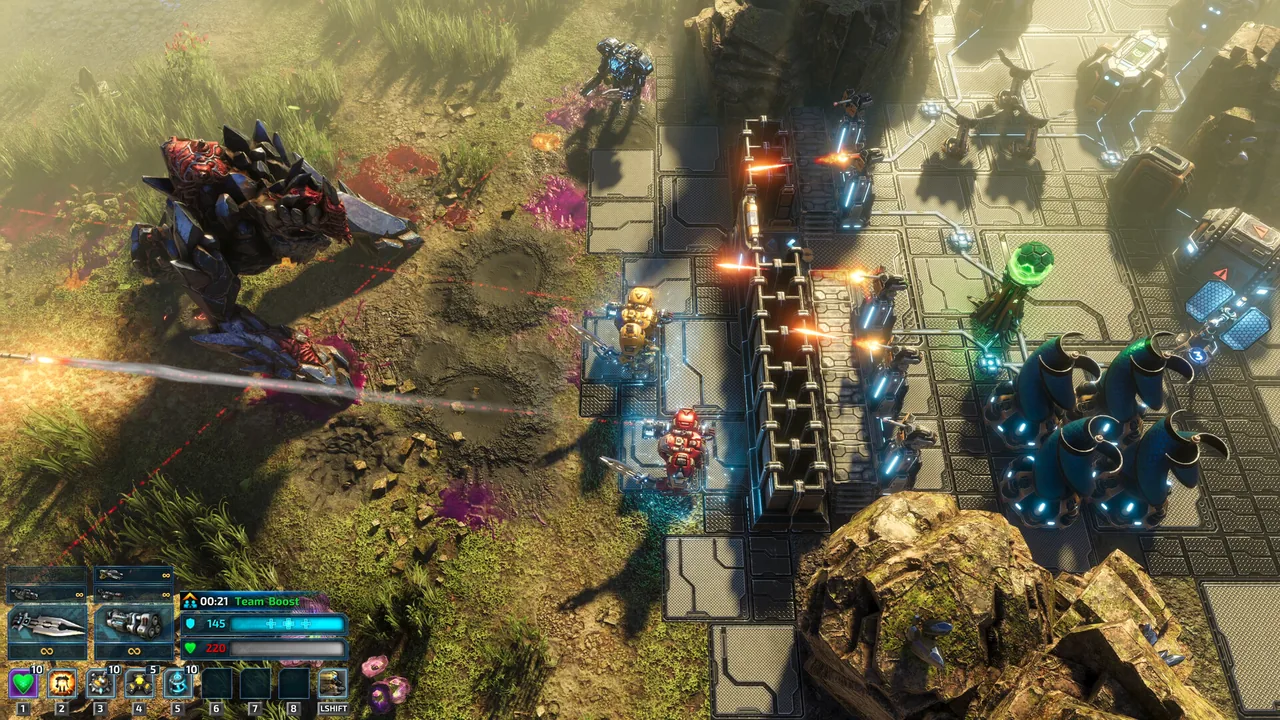
- Free 4-player online co-op, delivered in August 2025 across both the story campaign and Survival Mode, is drawing genuinely enthusiastic recent reviews after years of being the game's most unresolved promise
- Sustained, multi-year post-launch support from a mid-sized studio -- several paid DLC campaigns plus a free major overhaul four years after release
Biggest weaknesses
- Co-op was advertised as imminent around the game's 2021 launch and took nearly four years to arrive, becoming one of the review history's most heavily upvoted, sustained complaints (one with 506 helpful votes) along the way -- a real reputational cost even though the feature ultimately shipped
- The August 2025 loot-system rework ("Loot 2.0") that shipped alongside co-op is itself controversial with veteran players, who describe crafted-progression systems and resource-outpost missions as devalued by loot now dropping directly from enemies
- A long-standing complaint, present since launch week, that the mid-to-late game is shallower than the Factorio comparisons suggest -- limited logistics optimisation once the early base is established
Who it's for: Fans of base-building and automation games (Factorio, Satisfactory) who want combat and a controllable hero folded into the loop, and players specifically looking for a co-op base builder now that the feature has actually shipped. Less suited to players who want Factorio's depth of logistics optimisation -- reviewers are consistent that this is a shallower, more combat-forward take on the genre.
Our recommendation: A strong buy for solo or co-op base-building fans, now that co-op is real and free rather than a promise. Go in expecting the midgame to feel more streamlined than a true logistics sim, and be aware the 2025 loot rework is still dividing long-time players in the review sample -- worth reading a handful of recent reviews before committing to the post-2.0 progression loop specifically.
7.5 / 10
The Riftbreaker puts you in the cockpit of Mr. Riggs, a giant mech piloted by an engineer named Ashley Nowak, dropped onto a hostile alien planet to build a base, research technology, defend against increasingly aggressive local wildlife, and eventually open a rift back to Earth. It launched to a full 1.0 release on 14 October 2021 with no Steam Early Access phase, and reviewers reached almost immediately for the same comparison: base building and automation in the vein of Factorio, wrapped around real-time tower defense and a controllable hack-and-slash hero. Five years later it sits at Very Positive on Steam, roughly 90% of 24,602 total reviews, a score that has held remarkably steady across the entire span — but the story underneath that number is one of the more unusual "how it aged" arcs in this section's coverage.
A well-executed mashup, with a familiar limit
The core loop draws consistent praise across the review sample: gather resources, expand a base, research new tech, craft better weapons and mech upgrades, and hold off waves of increasingly nasty alien wildlife while exploring outward for more resources and story content. "The game offers a good mix of base building, research, exploration and defending your base," reads a representative 2026 review with over 50 hours logged. "You also travel between different planets, so the gameplay isn't limited to a single map." Reviewers who come from Factorio or Satisfactory tend to enjoy the game on its own terms once they recalibrate expectations, and several specifically praise how combat-forward the design is compared to those genre touchstones — "far exceeds [Factorio] in combat," reads one.
The complaint that has followed the game since launch week, though, is almost as consistent as the praise: once the early base is established, there isn't as much genuine logistics optimisation as the Factorio comparison implies. "Unlike Factorio, there's no optimization to be done in the fields of resource flow and space management, just the maximization of production directly into a global resource pool," reads one negative review. Another, from launch month in 2021: "its shallowness soon starts to set in as you progress... its combat and building mechanics don't grow much in complexity." This isn't a minority view — it recurs independently across reviews from 2021 straight through 2026, describing a game whose first several hours are its strongest and whose midgame settles into repetition for a meaningful share of players who wanted deeper systems underneath the spectacle.
The promise that took almost four years
The single most consistently upvoted complaint in The Riftbreaker's entire review history isn't about the base game's design at all — it's about a feature that wasn't there. EXOR Studios advertised co-operative multiplayer as forthcoming around the game's original release, and for nearly four years, it wasn't. "Bought the game because they advertise on COOP soon... been 2 years," reads one review from May 2023 with 506 helpful votes — the most-upvoted negative review in the sample by a wide margin — updated repeatedly over the following two years to note it was "still no co-op available. More DLC..." A 2024 review with 220 votes makes the same point more pointedly: "I'm leaving a negative review now because they've released yet another DLC before delivering on the co-op mode that was promised." The complaint's persistence and its specificity — reviewers consistently note that paid content kept shipping while the promised free feature didn't — is what makes it a genuinely different kind of story from most "the game changed" narratives in this section: this was a multi-year absence, not a bad decision.
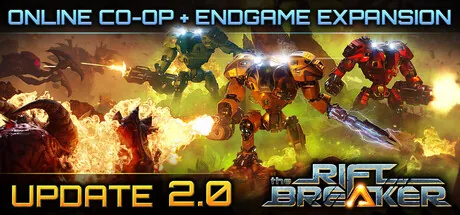
That absence ended on 25 August 2025, when EXOR Studios shipped Update 2.0: free 4-player online co-op covering both the story campaign and Survival Mode, delivered to all existing owners at no extra cost. Recent reviews confirm the feature landed well on its own terms — "Played through the game Co-Op and honestly had a great time," reads one August 2026 review, and another: "Co-op is also really enjoyable and makes the experience even better." For a complaint that dominated the negative review sample for years, that's a genuinely satisfying resolution, and it's worth crediting EXOR Studios for eventually delivering the feature for free rather than as paid DLC once it finally shipped.
A new argument, right on the heels of the old one
The complication is that Update 2.0 didn't ship co-op alone — it arrived bundled with a substantial overhaul of the loot and weapon systems, letting players find gear directly from enemies and world locations rather than relying purely on the base's crafting chain. That change split exactly the long-time player base that had waited years for co-op. "Before the Loot 2.0 update I would have given it a thumbs up without a doubt, but these changes just broke fundamentals of the game," reads a March 2026 review from a player with 438 hours logged. A 346-hour player from October 2025 is more blunt: "devs released a massive update that reworked a load of the game into a botched mess that isn't fun or exciting anymore... For a long time this was one of the easiest recommendations I've been able to give." Community discussion threads describe a specific mechanical complaint underneath the general frustration: loot now drops in enough volume that dedicated resource outposts and mining infrastructure — a core part of the original base-building loop — can feel optional, undercutting missions and progression systems built around needing them.
This is not universal; plenty of recent reviews are enthusiastic about the expanded endgame and the new loot variety, and the overall Steam score hasn't meaningfully moved. But it means a 2026 buyer evaluating The Riftbreaker is really evaluating a game that has been through two distinct controversies in its five-year life: a multi-year absence that finally resolved well, immediately followed by a design change that a vocal, invested slice of its longest-tenured players say broke something they valued. Reading recent reviews before committing to the post-2.0 progression loop specifically is worth the ten minutes it takes.
How it has aged
Taken as a whole, The Riftbreaker's five years tell a story of a genuinely well-supported game from a mid-sized studio that made and eventually kept a difficult promise, at the cost of years of reputational friction and a fresh controversy on delivery. The achievement data shows a healthy, broad audience underneath all of it — a top achievement around 72%, a median near 16% across 54 achievements, and even the hardest sitting above 2%, consistent with a large player base that engages seriously rather than bouncing off early. Multiple paid DLC campaigns since 2022 point to a studio still actively building on the base game rather than moving on from it.
7.5 out of 10. The Riftbreaker remains a distinctive, well-crafted base-building action RPG that earns its Very Positive standing on the strength of its core loop and its unusually sustained five-year support cycle. Its two real blemishes — a four-year wait for a promised feature, and the loot rework controversy that arrived the moment that wait ended — are worth knowing going in, but neither erases what reviewers have consistently found fun about actually playing it. With co-op now real, free and well-reviewed, this is a better time to buy it than at almost any point in its history — just read a few recent reviews on the loot system before you commit to a specific playstyle.
Pros and cons
Pros
- A distinctive, well-executed genre mashup of base building, tower defense, exploration and action combat that reviewers consistently call satisfying even when critical of its depth
- Free 4-player online co-op, delivered in August 2025 across both the story campaign and Survival Mode, is drawing genuinely enthusiastic recent reviews after years of being the game's most unresolved promise
- Sustained, multi-year post-launch support from a mid-sized studio -- several paid DLC campaigns plus a free major overhaul four years after release
- Strong production values and a real sense of scale, building and defending multiple bases across different planets rather than a single static map
Cons
- Co-op was advertised as imminent around the game's 2021 launch and took nearly four years to arrive, becoming one of the review history's most heavily upvoted, sustained complaints (one with 506 helpful votes) along the way -- a real reputational cost even though the feature ultimately shipped
- The August 2025 loot-system rework ("Loot 2.0") that shipped alongside co-op is itself controversial with veteran players, who describe crafted-progression systems and resource-outpost missions as devalued by loot now dropping directly from enemies
- A long-standing complaint, present since launch week, that the mid-to-late game is shallower than the Factorio comparisons suggest -- limited logistics optimisation once the early base is established
- Reports of late-game performance issues (stutter, slowdown at large base sizes) recur across the review sample even on high-end hardware
Screenshots
-
The RiftbreakerImage: EXOR Studios via Steam -
The RiftbreakerImage: EXOR Studios via Steam -
The RiftbreakerImage: EXOR Studios via Steam -
How the review scores each part of the gameWanderer Editorial -
The essentialsWanderer Editorial -
The short versionWanderer Editorial