Game review
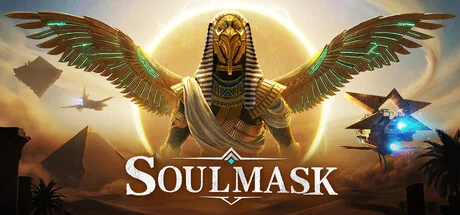
Soulmask
6.5 / 10
- Developer
- CampFire Studio
- Publisher
- Qooland Games
- Released
- 9 April 2026
- Platforms
- Windows
- Genre
- Survival Crafting
- Monetisation
- One-time purchase, plus the paid Shifting Sands expansion released alongside 1.0. No in-game purchases.
- Players
- Single-player, co-op and PvP across official, private and LAN servers
The short version
Soulmask's central idea is excellent and nobody else is doing it. You wear an ancient mask that lets you possess members of your tribe, and you recruit real NPC tribespeople with individual traits and aptitudes, assign them jobs, and build production lines they keep running while you are offline. It's a survival game that becomes a management game, and the transition is the best thing about it.
The execution has been fighting that idea since Early Access. Tribesman AI is mentioned in 72 of the hundred most-helpful English negative reviews — the game's headline feature is also its headline complaint. Combat draws steady criticism, the interface draws more, and the April 2026 1.0 release shipped rough enough to trigger a fresh wave of anger. To their credit, the developers responded in June with a public 90-Day Overhaul Plan and have been patching hard since. It hasn't turned the numbers yet.
Biggest strengths
- The mask-possession and tribe-recruitment systems are genuinely original in a crowded genre
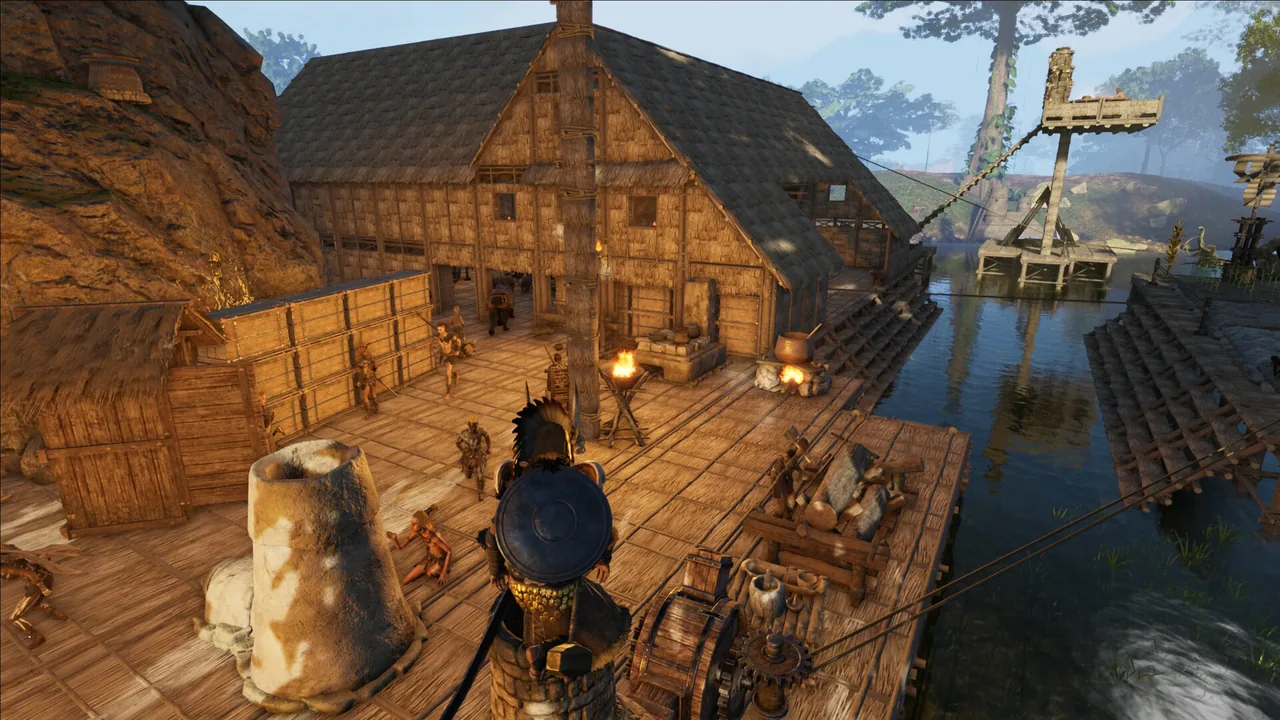
- Tribespeople keep working while you're logged out, which turns base-building into real delegation rather than chores
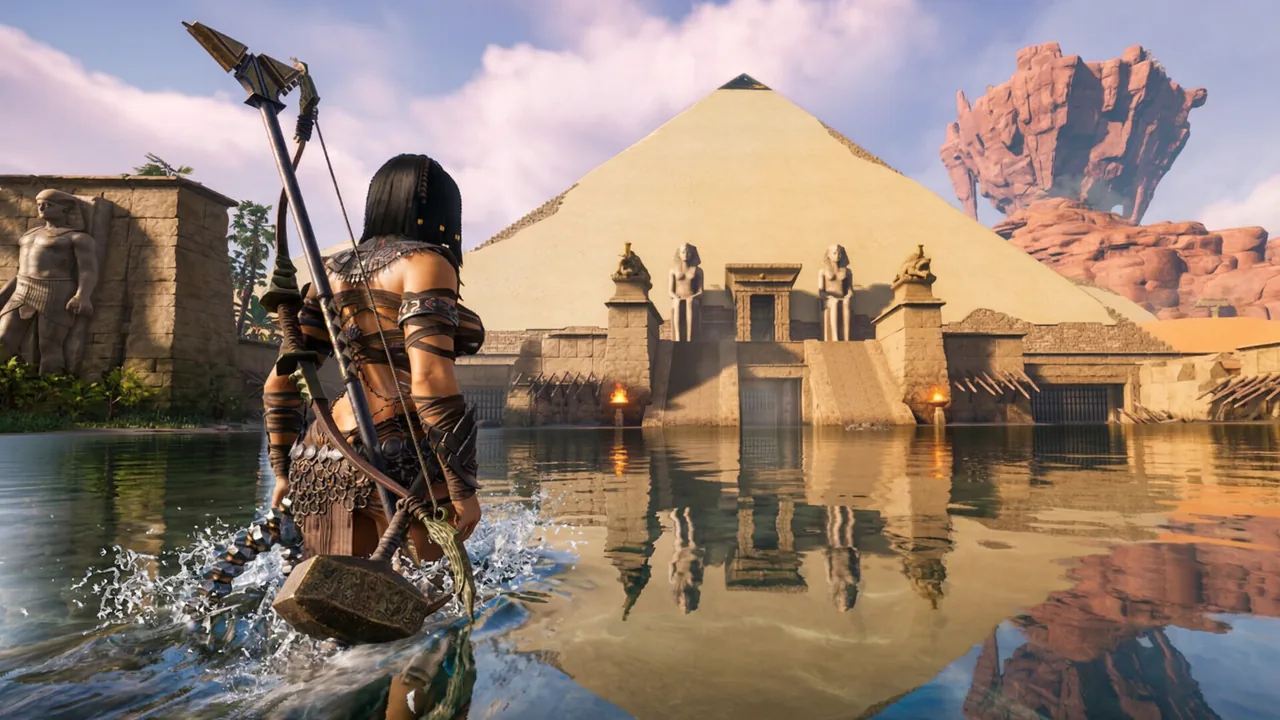
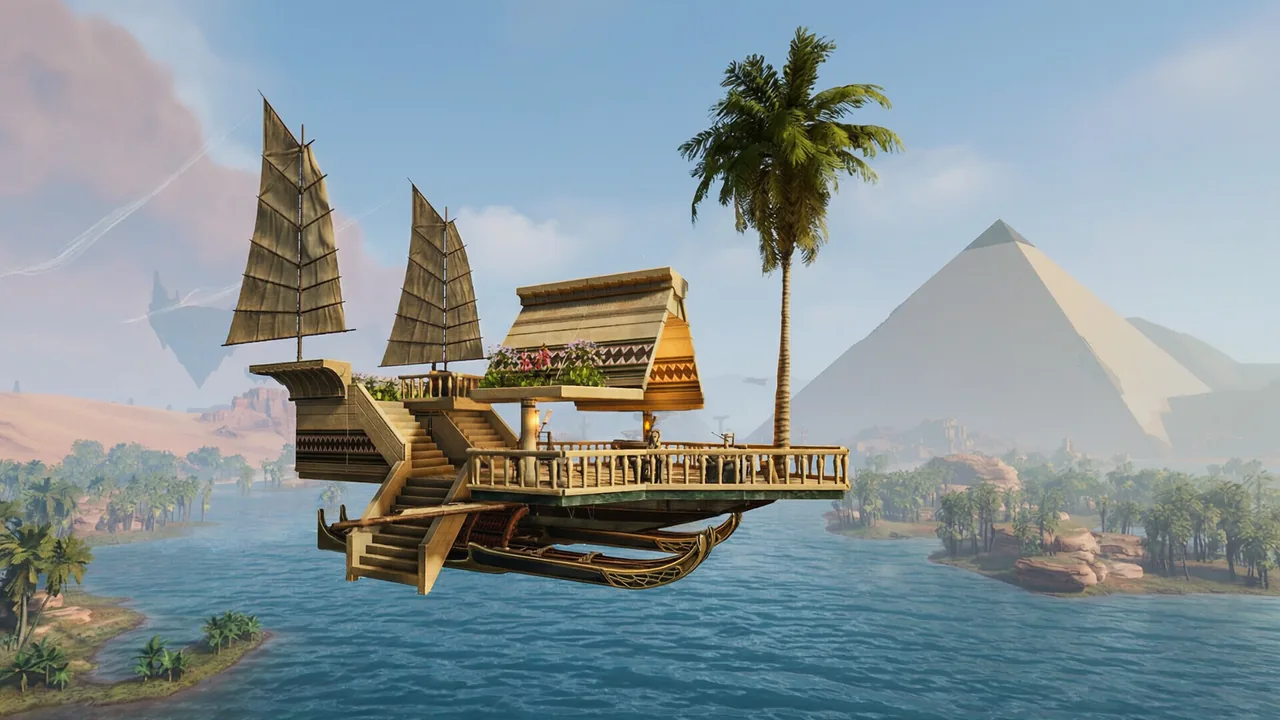
- A large, attractive and distinctive ancient-world setting that doesn't look like every other survival game
Biggest weaknesses
- Tribesman AI is the most-cited complaint in the entire critical corpus, and it's the core feature
- Combat draws consistent criticism, including enemies that respawn instantly and endless reinforcement waves
- The interface is the second most-cited complaint, with reports of help screens still in Chinese at 1.0
Who it's for: Survival players who want automation and delegation rather than doing every task by hand, and who don't mind a game still visibly under repair. Anyone who wants a polished experience today should wait for the overhaul to finish.
Our recommendation: Interesting enough to watch, hard to recommend at full price right now. Buy it on discount if the tribe-automation pitch appeals, or wait until the 90-day overhaul concludes and check whether recent sentiment has recovered — it hadn't as of early August 2026.
6.5 / 10
Most survival games make you do everything. Chop the tree, carry the log, feed the fire, repeat until the appeal wears off. Soulmask's answer is to hand the job to somebody else — and it means it literally. You capture and recruit tribespeople, each with their own traits and aptitudes, assign them to roles based on what they're actually good at, and they keep working while you're not there.
That's a real idea, and in a genre this crowded a real idea is worth a lot. It's also the thing that has caused Soulmask the most trouble, because a game built on NPCs doing their jobs lives or dies on whether the NPCs do their jobs.
First, the date on the store page is wrong
Steam lists Soulmask as a 9 April 2026 release. It isn't. The page's own Early Access date is 30 May 2024, and the great majority of its 22,119 reviews were written during nearly two years of Early Access.
This matters because 1.0 wasn't a launch, it was an exit — and it went badly enough to generate its own wave of criticism. Sorting the hundred most-helpful English negatives by quarter shows a steady trickle of six or seven per quarter through 2025, and then 31 in the second quarter of 2026, the 1.0 window. A game that had been quietly improving got its worst reception at the moment it declared itself finished.
The AI problem
Here's the number that defines this review: 72 of the hundred most-helpful English negative reviews mention AI. Not the combat, not the price, not the bugs — the tribesman AI, which is the feature the entire game is sold on.
The complaints are the ones you'd expect from a delegation system that doesn't quite work: tribespeople failing to path, failing to pick up the job they were assigned, standing around while production stalls. When it works, the loop is genuinely special — you come back to a working settlement rather than a to-do list. When it doesn't, you're babysitting the thing you recruited to avoid babysitting.
The interface is the second-largest cluster at 62 mentions, and one 1.0-era reviewer with 147 hours reports that some help screenshots were still in Chinese at full release, with a new AI-guidance overlay whose text appears and disappears too quickly to read. That's the kind of detail that tells you a release date arrived before the game was ready.
Combat is the third front. Recent reviewers describe enemies respawning the instant they're killed and a reinforcement mechanic that produces effectively endless waves — "there's zero sense of progress," as one August 2026 review puts it.
Multiplayer has its own history
The public-server story is worth flagging separately for anyone considering official servers. A 2024 review with 478 helpful votes and 260 hours describes server transfers being introduced and a group of fifteen-plus fully-geared players arriving to wipe an entire server. More recently, a player with 6,972 hours — the most invested reviewer in the corpus — reports that enforcement falls on ordinary players while cheaters go untouched.
None of that has to affect you. Soulmask supports solo play, private servers and LAN, and the 329-vote review that goes deepest on the game's systems explicitly brackets off public servers as a separate problem. But it's a genre where "just play private" is a real recommendation rather than a dodge, and here it is.
The 90-day overhaul, which is the actual news
What separates Soulmask from a straightforward "wait for a sale" verdict is what the developers did next.
On 5 June 2026, two months after 1.0, CampFire Studio published a 90-Day Overhaul Plan — a public acknowledgement that the release wasn't good enough, with committed dev logs. They've kept to it. Patch #13 on 11 June targeted balance and tribesman AI directly. Patch #14 on 26 June brought combat optimisations and world portals. Patches #15, #16 and #17 followed through July with a rebuilt building mode and HUD improvements. That's five substantial patches in seven weeks, aimed squarely at the three complaints above.
I'd rather see that than silence, and it's more than Megabonk managed with a similar balance problem. But the honest reporting is that it hasn't worked yet. Of the 100 most recent English reviews, spanning 6 July to 4 August 2026, only 65 are positive — below the 76.4% lifetime figure, with a median playtime of 104 hours. The overhaul is real and ongoing; the audience hasn't turned.
The expansion timing
One more thing sat badly. Shifting Sands, a paid Egyptian expansion at NZ$28.99 — two-thirds the price of the base game — launched the same day as 1.0. DLC appears in 21 of the hundred negatives.
Selling an expansion on the day you leave a two-year Early Access is a defensible business decision and a poor read of the room. Players who had waited through 2024 and 2025 for polish were offered more content instead, and said so.
The verdict
Soulmask earns a 6.5 — a score for a game in motion rather than a finished one.
The idea deserves better than its execution. Mask possession is a genuinely novel traversal and combat conceit, and the tribe-automation loop is the most interesting answer anyone has given to survival-game busywork since Valheim decided building should be structural. The world is handsome and doesn't look like its competitors. When the systems cooperate, it's a management sandbox with real depth.
What keeps it here is that the systems don't reliably cooperate, that 1.0 arrived early, that combat and interface work remain unfinished, and that the developers' own overhaul plan is an admission of all three. Current sentiment is worse than lifetime sentiment, which is the clearest signal a game can send that its present state isn't its best one.
Watch it. Buy it on discount if delegation and automation are what you want from survival, and accept you're buying into a repair job. And if the specific appeal is a world that keeps producing while you're logged off, that's the whole premise of Wanderer — where the workers don't get stuck on the scenery.
Pros and cons
Pros
- The mask-possession and tribe-recruitment systems are genuinely original in a crowded genre
- Tribespeople keep working while you're logged out, which turns base-building into real delegation rather than chores
- A large, attractive and distinctive ancient-world setting that doesn't look like every other survival game
- The developers are visibly engaged — a published overhaul plan, dev logs, and five patches in seven weeks
- Supports solo, co-op, private and LAN servers, so you needn't play on public ones
Cons
- Tribesman AI is the most-cited complaint in the entire critical corpus, and it's the core feature
- Combat draws consistent criticism, including enemies that respawn instantly and endless reinforcement waves
- The interface is the second most-cited complaint, with reports of help screens still in Chinese at 1.0
- Public servers have a history of mass wipes by transferring mega-groups, and cheating complaints persist
- A paid expansion arrived the same day as the 1.0 release, which sat badly with players who'd waited two years for polish
Screenshots
-
SoulmaskImage: Qooland Games via Steam -
SoulmaskImage: Qooland Games via Steam -
SoulmaskImage: Qooland Games via Steam -
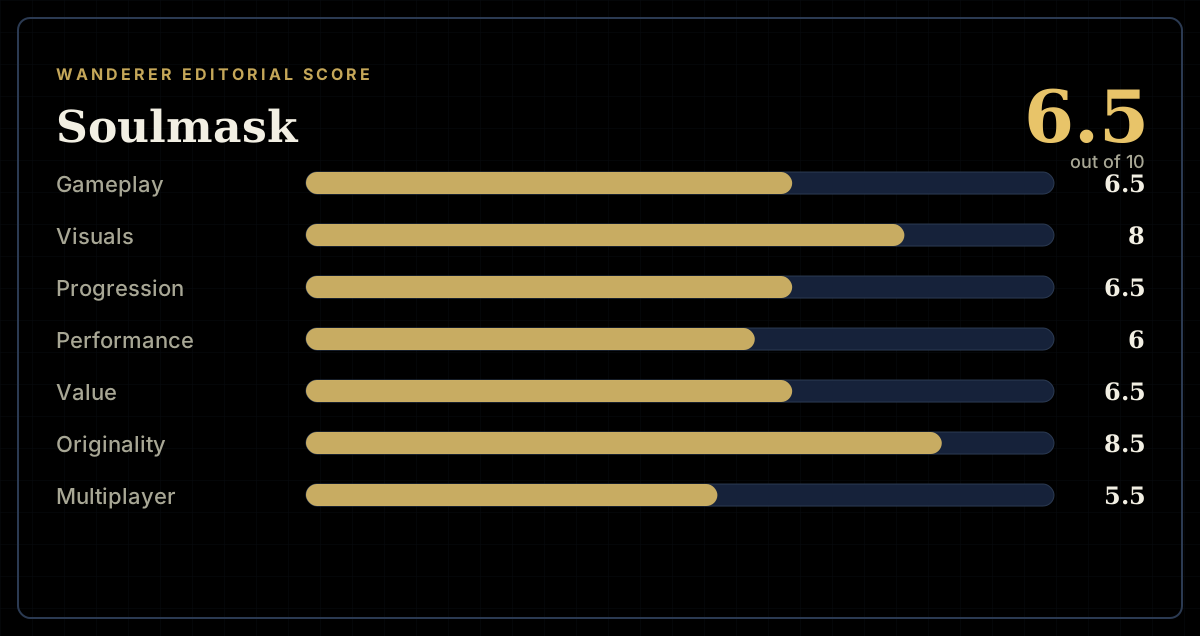
How the review scores each part of the gameWanderer Editorial -
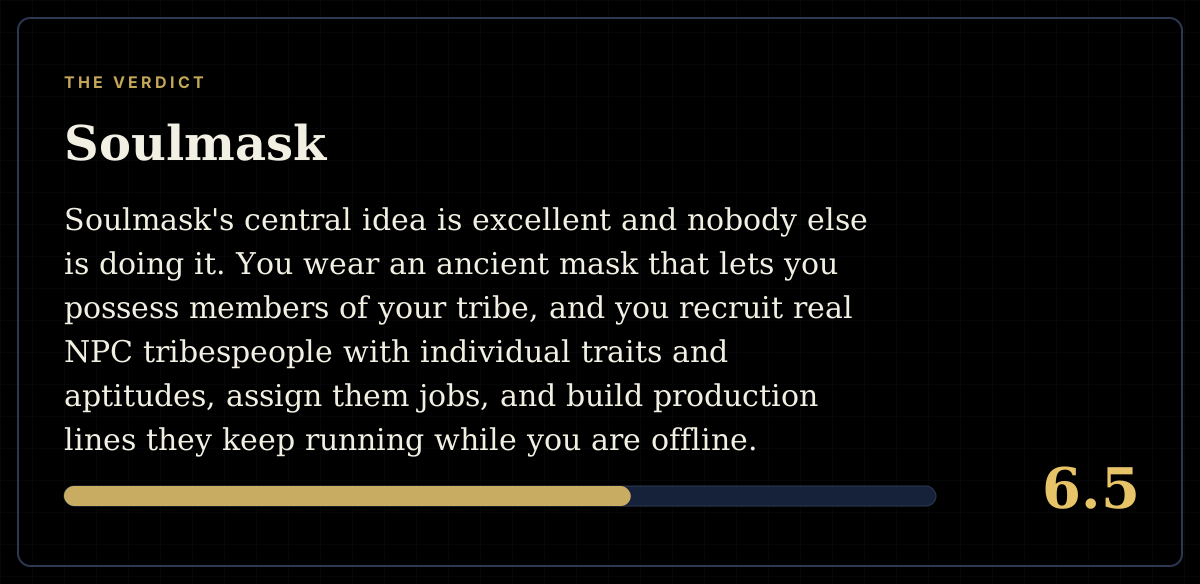
The short versionWanderer Editorial