Game review
ARC Raiders
7.5 / 10
- Developer
- Embark Studios
- Publisher
- Embark Studios
- Released
- 30 October 2025
- Platforms
- Windows, PlayStation 5, Xbox Series X|S
- Genre
- Extraction Shooter
- Monetisation
- One-time purchase at NZ$69.99, plus a cosmetic store with Raider Tokens, weekly rotating outfit sets around NZ$39.01 each, and a Deluxe Edition upgrade.
- Players
- Online only — solo, duo or trio raids against other players and AI machines, with proximity voice chat
The short version
The best argument for ARC Raiders is that its harshest critics keep describing hundreds of hours played. The median playtime among its most recent English reviewers is 225 hours, and most of those reviews are negative. That's not a game people bounced off — it's a game people gave a season of their lives to and then got angry about.
The shooting, the movement, the machines and the world are all excellent, and the ruined-Earth art direction is among the best of its generation. What's broken is social. At launch, strangers talked to each other over proximity chat and sometimes cooperated; within about three weeks the community had settled into shoot-on-sight, and every system that made the early game magical now runs on suspicion instead. Embark's response — matchmaking you against people who play like you — is clever, contentious, and an admission that the problem is real.
Biggest strengths
- Gunplay, movement and encounter design that even furious 600-hour reviewers stop to praise
- The ARC machines are genuinely great enemies — readable, threatening and fun to fight in a genre that usually treats AI as furniture
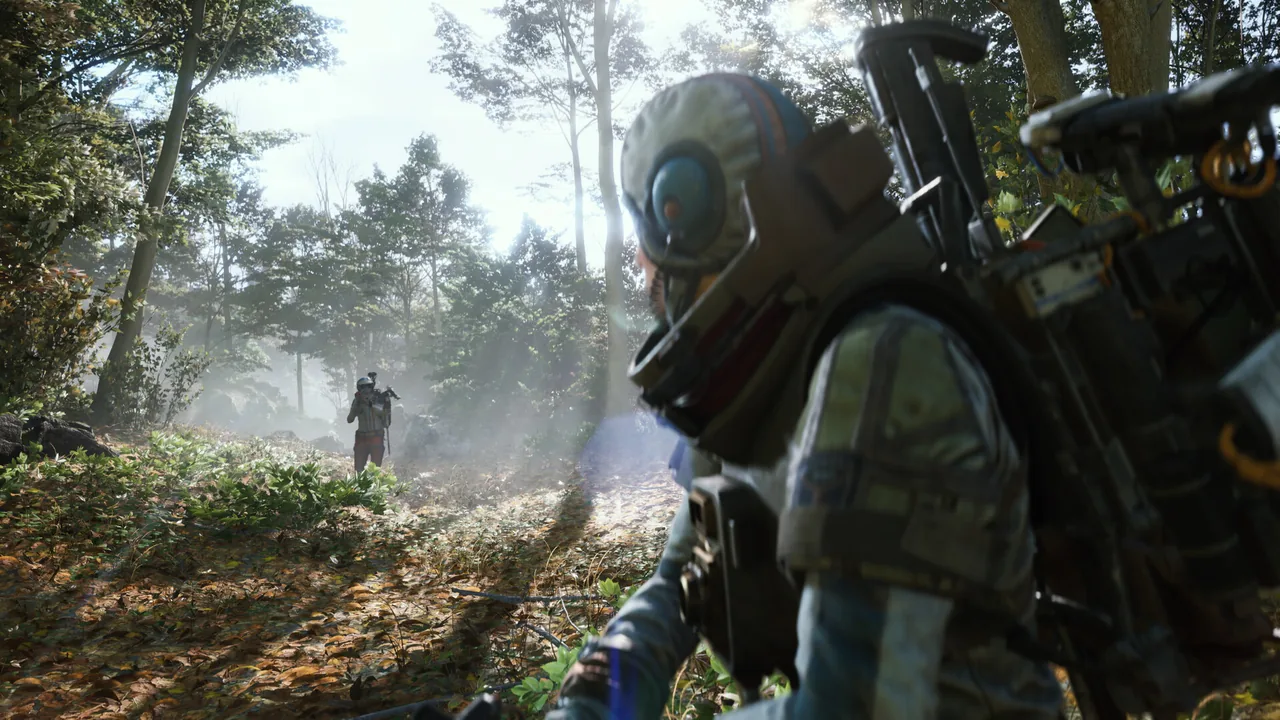
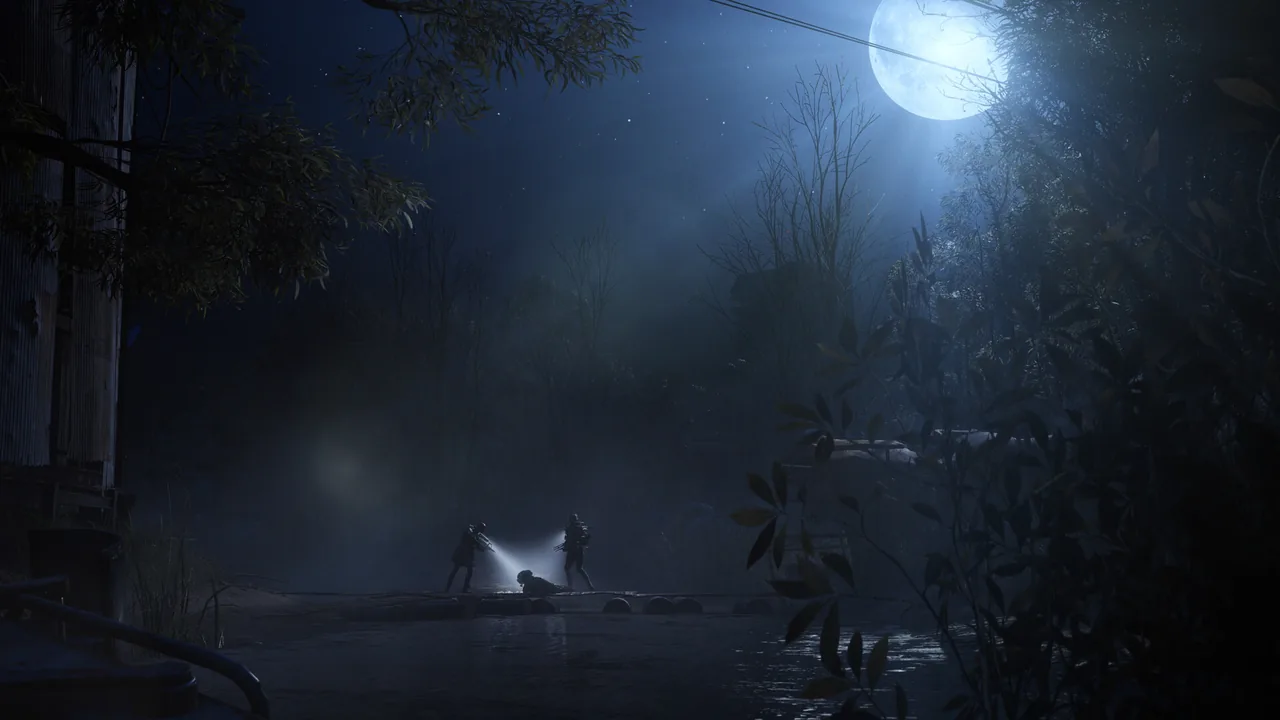
- Speranza and the Rust Belt look extraordinary, with art direction well beyond the genre norm
Biggest weaknesses
- The cooperative social dynamic that defined its launch collapsed into kill-on-sight within weeks
- Cheating is the single most-cited complaint across every month of its life, and kernel-level anti-cheat in May 2026 hasn't settled it
- Free loadouts let players with nothing to lose farm players carrying everything, inverting the risk-reward the whole genre depends on
Who it's for: Players who want the best-feeling extraction shooter on the market and understand they're buying a tense PvP game, not the emergent-cooperation experience the launch coverage sold. Anyone hoping for a mostly-PvE scavenging game should look hard at what it's become.
Our recommendation: Worth buying if PvP tension is the appeal, and it's still an outstanding piece of craft. Check the current-sentiment numbers before you pay NZ$69.99, though — recent reviews run well below the lifetime score, and cheating remains the complaint the developers haven't closed out despite going kernel-level.
7.5 / 10
Eighteen days. That's how long one player reckons it took for ARC Raiders to go from a game where most strangers you met on the surface were friendly to one where nearly everybody shoots first. They posted that in November 2025, less than three weeks after launch, and 2,158 people marked it helpful. Nine months later it reads less like a complaint and more like a field note on how quickly a shared social contract falls apart when nothing enforces it.
That's the story of this game, and it's worth telling properly, because almost everything else here is superb.
What Embark actually built
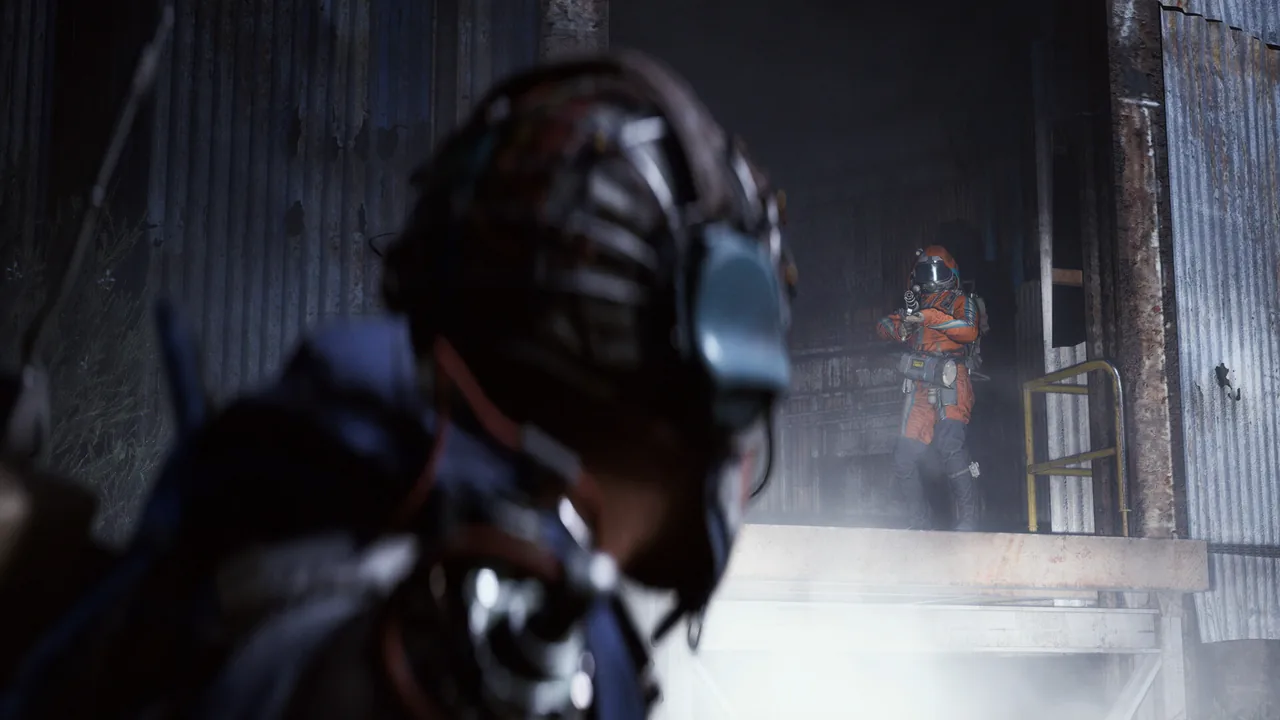
The craft is not in question. ARC Raiders looks and feels better than anything else in its genre. You drop into a ruined, sun-bleached surface world, scavenge, fight enormous mechanical ARC machines, and try to get out through an extraction point before something kills you. Between runs you return to Speranza, an underground city with genuine warmth to it, where you repair gear, craft and take on quests.
The gunplay is excellent — weighty without being sluggish, with recoil you learn rather than fight. Movement is smooth and readable. And crucially, the AI enemies are actually good: the ARC machines have distinct behaviours, real threat, and fights against them are the part of the game almost nobody criticises. In a genre where PvE is usually a backdrop for looting, here it's a legitimate reason to play. A reviewer at 442 hours with all 50 achievements sums it up: "The core gameplay is excellent… The PvE side of the game is where ARC Raiders really shines."
The world-building carries it further. The art direction is best-in-class, the sound design turns every distant machine into information, and proximity voice chat means the person creeping toward you can talk to you first. Sixteen million sales by May 2026 is not an accident.
The achievement data backs the engagement up. Of 50 achievements, the most common sits at 93.5%, with six above 80% — including PvE and PvP milestones. This is a game people genuinely play, not one that gets refunded in an hour.
Then the players worked it out
Extraction shooters are social experiments wearing a shooter's clothes. ARC Raiders launched with a particularly optimistic version of the experiment: proximity chat, a world big enough to avoid people in, loot plentiful enough that fighting wasn't always worth it. For a few weeks, players report, it worked. Strangers called out "friendly?" and meant it. That's the version of the game the launch coverage captured, and it's the version a lot of people bought.
It didn't hold. The reviews document the shift with unusual precision: a solo player's chance of a PvP encounter went from "10-20% at launch to 70-80%", by one 122-hour account. Another, at 212 hours, describes the specific behaviour that killed the trust — "People will say they are friendly and then as soon as you turn your back, they kill you." A third notes that players simply wait for someone else to fight a boss and then shoot the winner.
None of this is unusual or even unreasonable — betrayal is a legitimate strategy in a game that allows it, and no one is obliged to be nice. But it does mean the game most people are playing in 2026 is not the game that got reviewed in 2025, and the marketing's "only you decide what kind of Raider you are" now has a fairly settled community answer.
The free-loadout problem
Underneath the social story is a design one, and it's the sharper criticism. ARC Raiders gives players free loadouts, so dying costs you comparatively little if you brought nothing. That creates a class of player with no downside, and they've worked out that camping a corner near the extraction and ambushing someone carrying a full bag is the highest-value play in the game.
A 320-hour reviewer puts the incentive problem plainly: "What's the point of grinding for gear, planning routes, winning fights, and taking real risks if someone with nothing to lose can sit in a dark spot" and take it all. Another complains that a heavy shield "can be shredded by a level one free loadout weapon."
That's a real inversion of the risk-reward bargain the genre runs on. Escape from Tarkov is brutal but at least symmetrical — everyone risks what they carry. Here, the player with the most invested is the most punished for it, which discourages exactly the engagement the progression systems are built to reward. To Embark's credit they've been testing a "No Free Loadout" map restriction and surveying players on it as recently as July 2026, so the problem is clearly understood internally.
Cheating, and going kernel-level
Cheating is the most-cited complaint in the negative corpus, appearing in more than a quarter of the hundred most-helpful English negatives, spread evenly across every month rather than clustered at launch. The single most-upvoted negative review in the game's history, with over six thousand votes, is one line objecting to what the player understood as a policy of giving cheaters multiple chances rather than permanent bans.
Embark have not been quiet about it. Their May 2026 "Ensuring Fair Play" post lays out the stack with more candour than most studios manage: kernel-level protection through Easy Anti-Cheat, machine-learning models trained on player input telemetry developed with a specialist partner, and undisclosed layers behind those. They also discuss the genuinely hard problem of accessibility devices that are indistinguishable from cheat hardware, and say they judge on intent. That same month they began rolling out Denuvo Anti-Cheat, which promptly broke the game on Linux and SteamOS until a Proton hotfix landed in June.
Has it worked? Players say no. A 385-hour reviewer in May 2026 describes checking opponents' profiles after matches and finding fresh accounts with game bans; a 289-hour reviewer in June estimates most hostile lobbies contain cheaters. Those are impressions rather than measurements, and suspicion in extraction shooters always outruns reality — but the volume and consistency across nine months means this is the problem Embark most need to be seen to close, and they haven't yet.
Matchmaking by personality
The most interesting thing Embark has done deserves its own section, because it's an unusually bold design response.
In May 2026 they published a detailed explanation of how matchmaking works, and the key admission is this: one of the strongest inputs is your playstyle across previous rounds, "especially as it relates to how you engage with other Raiders." In plain terms, the game watches whether you shoot people, and sorts you toward players who behave like you do. They separated solo, duo and trio matchmaking in July 2026 and ran a survey on it a few weeks later.
I find this genuinely admirable and genuinely troubling at once. Admirable, because it's a real attempt to let the cooperative game survive inside the hostile one rather than lecturing players about behaviour. Troubling, because sorting people by aggression is a soft form of separating the playerbase, and it makes the world's danger a function of your own record rather than of the world. It also means two players can describe completely different games in good faith — and reading the reviews, they clearly do.
The recent negatives suggest it isn't landing cleanly yet: several August 2026 reviewers complain that lobbies feel arbitrary and that there's no meaningful PvE-versus-PvP separation at all.
The number that matters most
Lifetime, ARC Raiders sits at 82.6% positive across 410,929 reviews — a Very Positive badge on a genuinely enormous sample, spread widely across English, Russian, Spanish, Portuguese and Chinese with no single market skewing it.
Current sentiment is a different game. Of the 100 most recent English reviews, posted across three days in early August 2026, only 44 are positive. The median playtime in that sample is 225 hours. This isn't a review-bomb and it isn't tourists — it's the game's committed players, hundreds of hours deep, currently voting no. A 1,122-hour reviewer's April 2026 line captures the tone: "Not Recommended (after 600+ hours… and it hurts to say that)."
Anyone reading the store badge should understand what it's averaging: an ecstatic launch quarter and a sour year.
Monetisation, and where the effort goes
You pay NZ$69.99 up front, and there's a cosmetic store on top with Raider Tokens, a Deluxe upgrade and outfit sets around NZ$39.01 each. Nothing sold affects power, which matters and is worth crediting in a PvP game.
The uncomfortable part is the cadence. In May 2026 Embark announced they're moving to major content updates twice a year, with Frozen Trail — a new largest-ever map, new progression systems, a reworked skill tree — as the next one. That's a defensible decision, and slower-but-bigger is often the right call. But scan the announcement feed since and the rhythm is unmistakable: store updates almost every week, new colour variants, new sets, new hairstyles, punctuated occasionally by a live update. When a paid game's shop ships more reliably than its content, players notice, and they have.
The verdict
ARC Raiders gets a 7.5. As a piece of craft it's an easy 9 — the shooting, the machines, the art and the sound are the best in its genre, and the fact that its angriest critics have 600 and 1,100 hours logged tells you how good the underlying thing is.
What it can't currently claim is that it delivers the experience it became famous for. The tense, talkative, sometimes-cooperative world of its first three weeks has been replaced by a shoot-on-sight one, cheating remains unresolved after going kernel-level, free loadouts undercut the risk that gives extraction its meaning, and its own most invested players are currently recommending against it by a small majority. Embark are visibly working the problems — matchmaking separation, no-free-loadout tests, published anti-cheat detail, a big update coming — and none of it has turned the sentiment yet.
Buy it if you want a superb PvP shooter and you're clear-eyed that PvP is what it is. Wait for Frozen Trail if you were sold on the co-operative fantasy, because that's the update that has to rebuild it. And if you're the sort of player who wanted the scavenging and the crafting without a stranger deciding whether your last two hours count for anything, Once Human covers similar ground with the hostility optional — or Wanderer will keep your progress regardless of who else is online.
Pros and cons
Pros
- Gunplay, movement and encounter design that even furious 600-hour reviewers stop to praise
- The ARC machines are genuinely great enemies — readable, threatening and fun to fight in a genre that usually treats AI as furniture
- Speranza and the Rust Belt look extraordinary, with art direction well beyond the genre norm
- Embark communicate unusually openly, publishing how matchmaking and anti-cheat actually work
- Deep enough that a large share of players record hundreds of hours
Cons
- The cooperative social dynamic that defined its launch collapsed into kill-on-sight within weeks
- Cheating is the single most-cited complaint across every month of its life, and kernel-level anti-cheat in May 2026 hasn't settled it
- Free loadouts let players with nothing to lose farm players carrying everything, inverting the risk-reward the whole genre depends on
- Major content now arrives twice a year while cosmetic store updates land almost weekly
- Recent English sentiment is far below the lifetime badge, from reviewers with very high playtime
Screenshots
-
ARC RaidersImage: Embark Studios via Steam -
ARC RaidersImage: Embark Studios via Steam -
ARC RaidersImage: Embark Studios via Steam -
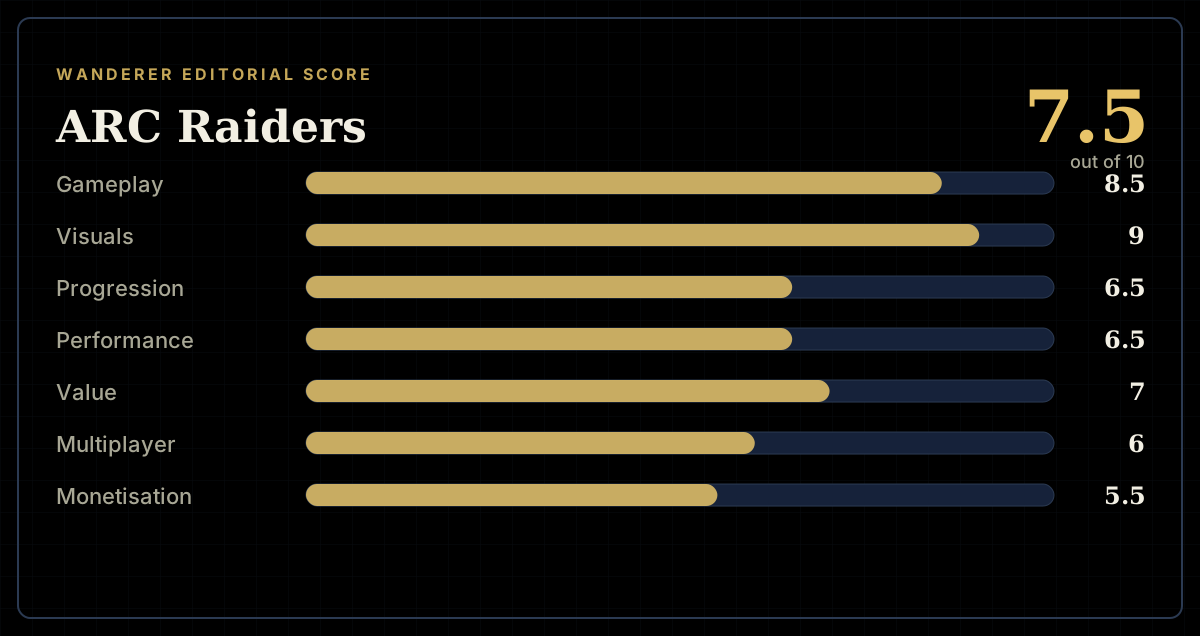
How the review scores each part of the gameWanderer Editorial -
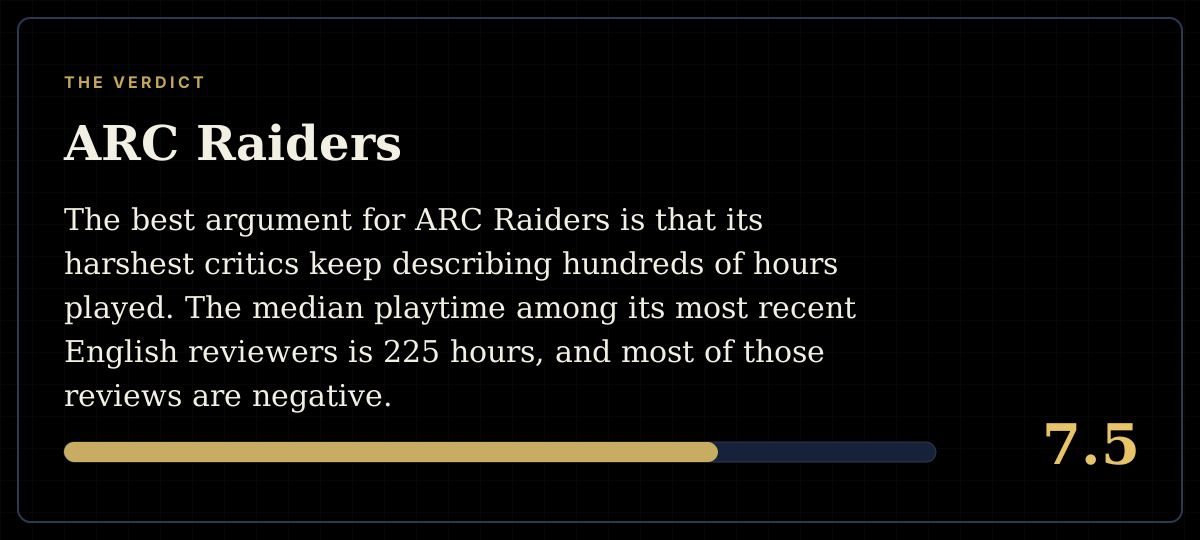
The short versionWanderer Editorial