
Game review
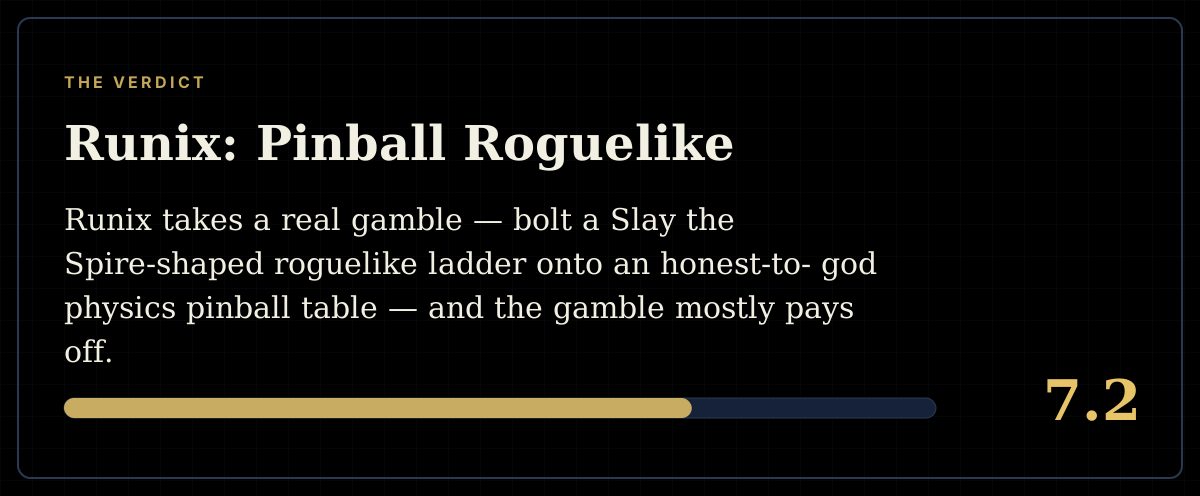
Runix: Pinball Roguelike
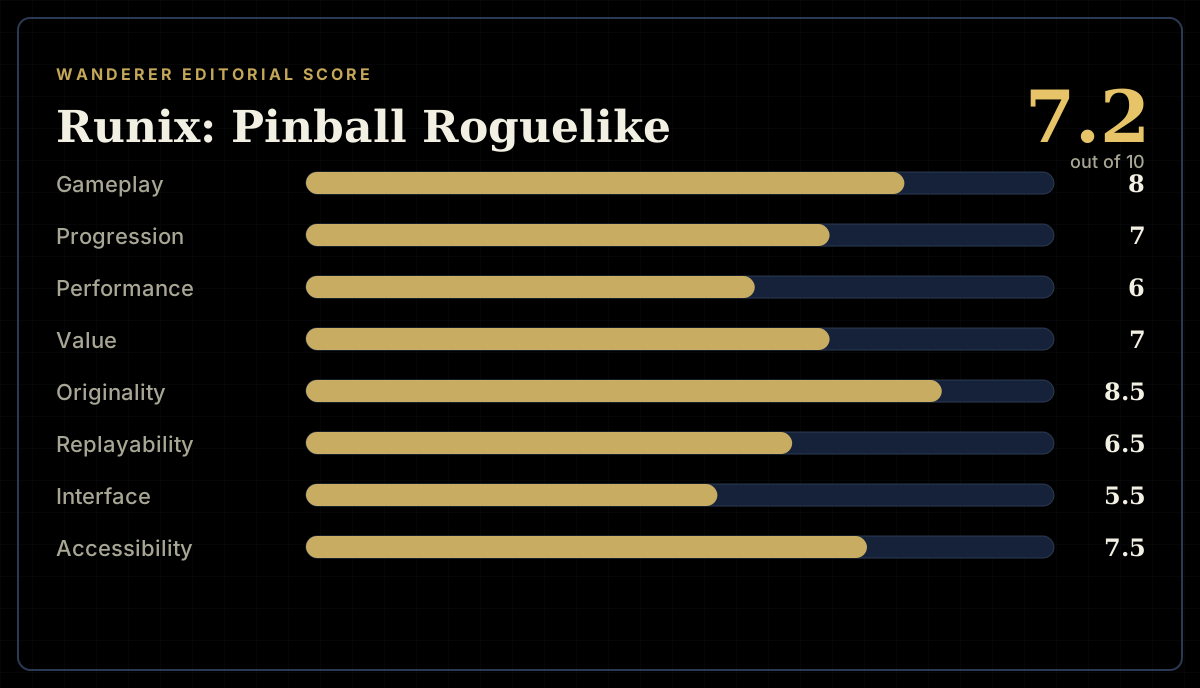
7.2 / 10
- Developer
- Meteor Forge
- Publisher
- Meteor Forge
- Released
- 13 July 2026
- Platforms
- Windows
- Genre
- Roguelike, Pinball, Deckbuilder, Action
- Monetisation
- One-time purchase, no in-app purchases or ads
- Players
- Single-player only, with global leaderboards for score-attack runs at each ascension tier
The short version
Runix takes a real gamble — bolt a Slay the Spire-shaped roguelike ladder onto an honest-to- god physics pinball table — and the gamble mostly pays off. Fifty-plus balls and sixty-plus artifacts genuinely do interact, the flippers feel right, and a month after launch its Steam reviews sit at 21 positive to 3 negative. But this is a very young release, and it plays like one: the game explains almost nothing about its own icons once the opening tutorial ends, the settings menu is stranded on the main menu screen, and there are only three tables to master before the ascension ladder starts repeating itself. Worth a look if you want to see a genre mashup nobody else has tried; worth waiting on if you want it fully sanded down first.
Biggest strengths
- The pinball itself is the real deal — tight flipper controls and physics that every reviewer, positive or negative, agrees feel right
- 50+ balls and 60+ artifacts produce genuine build synergies once a run gets going, not just reskinned stat sticks
- An unusually deep accessibility category list for a two-person genre mashup — camera comfort, adjustable difficulty, and keyboard-only, mouse-only and touch-only play modes are all present
Biggest weaknesses
- The tutorial doesn't stick around — there's no in-run way to re-check a ball's ability, the HUD's status icons go unexplained, and one detailed negative review catalogues losing track of an 80-minute run because "the game does a very bad job about telling you what the hell is going on"
- Volume and graphics settings can only be changed from the main menu, not from the pause menu mid-run — a genuine oversight rather than a design choice
- Only three tables at launch; a top leaderboard player already reports high-ascension runs losing all danger and becoming "a game of how long do you want to play infinite mode"
Who it's for: Roguelike deckbuilder fans who grew up on a pinball table, and anyone chasing a leaderboard rather than a story
Our recommendation: A confident, original hybrid worth backing early if you don't mind rough UI edges on a month-old release — wishlist it and watch the patch notes if you'd rather wait for more tables and a friendlier tutorial
7.2 / 10
Runix: Pinball Roguelike is exactly the mashup its subtitle promises, and that alone makes it worth a look: this is a real, physics-driven pinball table wearing a Slay the Spire-shaped roguelike skeleton, not a deckbuilder with a pinball skin painted over the top. Solo studio Meteor Forge released it on Steam on 13 July 2026 for NZ$24.99, after a public demo and playtest period that several of its earliest reviewers say they spent hours in before ever paying for the full game. A month later it sits at 24 Steam reviews — 21 positive, 3 negative, enough for Steam to award it a plain "Positive" rating — which is a small sample but a genuinely encouraging one for a first-time release built around an idea nobody else on Steam is currently selling.
A pinball table with a build to piece together
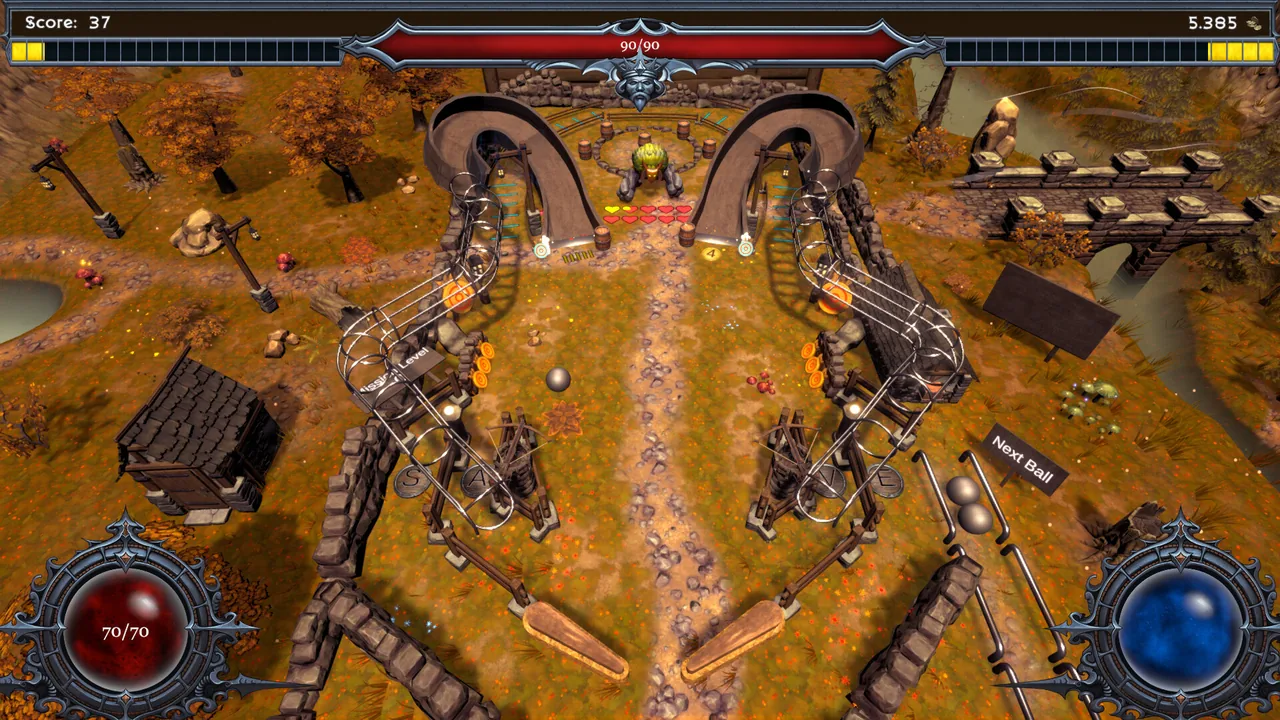
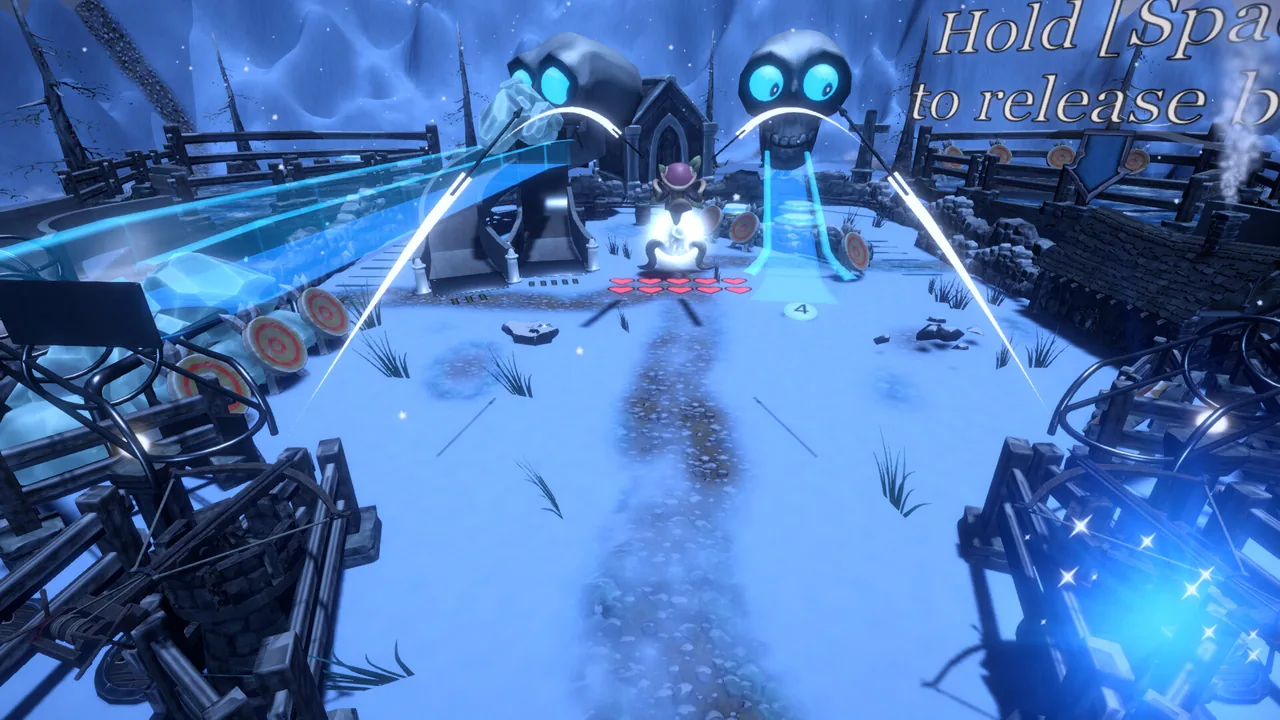
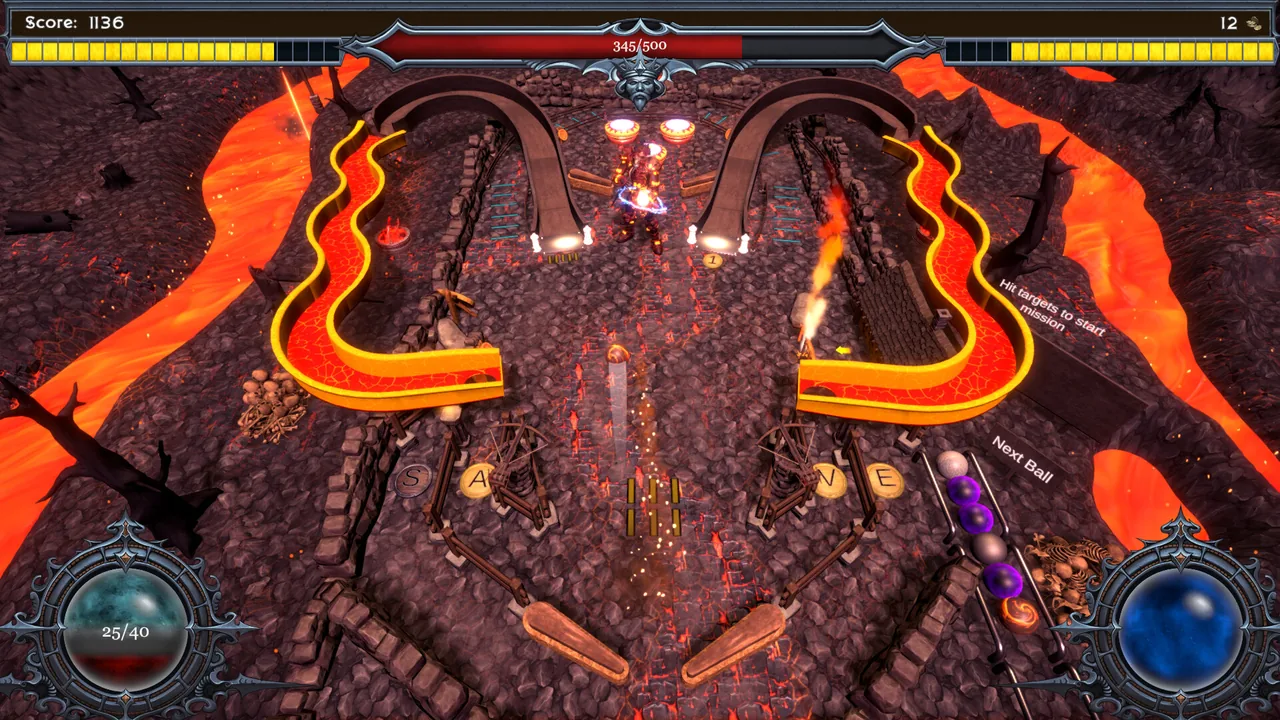
The pitch is straightforward once you see it: you are "the last mage of the ancient Pinball Order," and your ball is also your build. Across three scenarios (Meteor Forge's word for tables), you assemble a run out of more than 50 different balls, each with its own on-table effect, more than 60 artifacts that modify how those balls interact, archer towers you trigger with well-placed shots, and an "ultimate magic" ability that lets you nudge the ball's course directly once enough mana has built up. Bosses cap each scenario with their own specific patterns to solve rather than just more health to chip away. Several reviewers land on the same comparison independently — "Slay the Spire style level progression crossed with a pinball game," as one puts it — and it's an accurate one: between fights you walk a branching map, and after every encounter you stop at a ball shop to buy, upgrade or thin your growing collection, the same rhythm StS players will recognise from card runs, just resolved with flippers instead of combat math. When it clicks, it clicks hard: "it's really satisfying once you start creating synergies between the different balls," one reviewer writes, and "every run feels different."
The tutorial teaches once, then goes silent
The clearest complaint in the review sample isn't about the pinball or the roguelike layer individually — it's about how badly the game explains the space between them. The single most detailed negative review on file, a refund written after an 80-minute run and a crash, is worth quoting at length because nothing else on record contradicts it: "There's nothing onscreen explaining the ball's abilities, you have to go into the pause menu, find the ball, and look at the description... there's a tutorial at the beginning that may have explained this and other things... but there's no way to review that which I could find." The same review flags two unlabelled HUD icons next to the player's health that it never manages to decode, and a ball queue with no visible preview of what's coming next — a real problem in a game where draining your current ball for a bad one costs you health. A second, shorter complaint about buried settings echoes it: volume and graphics options are reachable only from the main menu, not from the in-run pause menu, so a mid-run audio or performance tweak means quitting out first. None of this touches the pinball itself, which even this reviewer calls tight and physically convincing — it's specifically the roguelike layer's teaching and legibility that's thin a month after launch.
A long climb that gets safer, not harder
Runix leans on the same post-campaign structure as its inspiration: once the three-table campaign is cleared, an ascension ladder raises the difficulty for score-attack leaderboard runs, and an Infinity Mode lets a finished build keep playing past the final boss to see how long it survives. Steam's global achievement data gives an unusually honest picture of how far most players actually get into that ladder: of players with tracked stats, only 21% have completed a single full run (COMPLETE_FIRST_RUN), just 3.8% have finished a second, and completing ten runs sits at 0.9%. That's a steep, normal-looking roguelike attrition curve for a game this new — but one of the players who has climbed furthest, self-described as currently first on the leaderboards, reports the ladder's top actually gets easier to trivialise rather than harder: by ascension 10, "there's really no danger at a certain point," turning high-ascension play into "a game of how long do you want to play infinite mode" rather than a genuine test. The same reviewer's wishlist for Meteor Forge — more ascension tiers, skill shots, a harder-from-the-start mode — reads like a fair, specific patch-notes request from someone who has actually pushed the system to its current ceiling. With only three tables in the campaign proper, that ceiling is also the whole of the game's replay value once a player has seen everything else.
Performance is inconsistent, but the accessibility list isn't
Two of the three negative reviews on record are performance complaints rather than design ones — one names "the performance leaves a lot to be desired" outright, and the refund review above reports having to drop from Ultra to High graphics settings to stop the flippers themselves lagging, on hardware the reviewer describes as new and capable; that same review credits Meteor Forge with helping fix it directly in the Steam discussions, which is a good sign for a solo developer's support responsiveness even if it doesn't undo the initial friction. Set against that, Runix's Steam accessibility category list is genuinely better stocked than most games in its weight class: Camera Comfort, Adjustable Difficulty, Save Anytime, and — notably for a physics-precision game — Keyboard Only, Mouse Only and Touch Only play modes are all listed alongside full controller support with DualShock and DualSense recognition. That's an unusually wide net for a two-person mashup genre most players will approach with a controller or mouse by default, and it's worth crediting even while the performance side of the same release still has rough edges to sand down.
The verdict on a month-old release
Twenty-four reviews is a small enough sample that Runix's "Positive" rating should be read as early signal rather than settled verdict — this review is written a month after a 13 July 2026 launch, and the game's own patch history from here will matter more than anything written today. What that small sample agrees on is consistent, though: the pinball itself is well made and the build variety is real, several reviewers reach for the same "best pinball since Windows Space Cadet" comparison unprompted, and the complaints that exist are specific and fixable rather than structural — a tutorial that needs a review screen, a settings menu that needs to follow the player into a run, and a table count that needs to grow. Runix is a good idea, competently built, shipped a little early on the explaining-itself front. Worth watching Meteor Forge's post-launch support closely; worth buying now if an unfinished-feeling UI on top of genuinely fun mechanics doesn't put you off.
Pros and cons
Pros
- The pinball itself is the real deal — tight flipper controls and physics that every reviewer, positive or negative, agrees feel right
- 50+ balls and 60+ artifacts produce genuine build synergies once a run gets going, not just reskinned stat sticks
- An unusually deep accessibility category list for a two-person genre mashup — camera comfort, adjustable difficulty, and keyboard-only, mouse-only and touch-only play modes are all present
- The ascension ladder and post-campaign Infinity Mode give score-chasers a long tail after the three campaign tables are cleared
- Early sentiment is genuinely strong for a month-old release — 21 of 24 Steam reviews positive, several citing hours logged in the pre-release demo and playtest before buying
Cons
- The tutorial doesn't stick around — there's no in-run way to re-check a ball's ability, the HUD's status icons go unexplained, and one detailed negative review catalogues losing track of an 80-minute run because "the game does a very bad job about telling you what the hell is going on"
- Volume and graphics settings can only be changed from the main menu, not from the pause menu mid-run — a genuine oversight rather than a design choice
- Only three tables at launch; a top leaderboard player already reports high-ascension runs losing all danger and becoming "a game of how long do you want to play infinite mode"
- Reports of flipper lag on Ultra graphics settings even on capable PCs, plus one crash-driven refund within the first 80 minutes
- Steam's own achievement data shows a steep attrition curve — only 21% of players with tracked stats have completed a single full run, and just 3.8% have finished a second
Screenshots
-
Runix: Pinball RoguelikeImage: Meteor Forge via Steam -
Runix: Pinball RoguelikeImage: Meteor Forge via Steam -
Runix: Pinball RoguelikeImage: Meteor Forge via Steam -
How the review scores each part of the gameWanderer Editorial -

The essentials at a glanceWanderer Editorial -
The short versionWanderer Editorial